



لا يزال المشهد العالمي للطاقة يتغير بسرعة في عام 2026، حيث تعمل تقنيات بطاريات الليثيوم كعناصر أساسية في الانتقال إلى أنظمة طاقة أكثر خضرة وأكثر قوة. من بين هذه الخيارات ، تستفيد بطاريات فوسفات الحديد الليثيوم (LiFePO4) من الاهتمام لجوانب السلامة المحسنة ، وعمر دورة أطول ، وتخفيض النفقات. تدرس هذه المقالة التقدم الأخير في تطوير بطاريات الليثيوم ، مع التركيز على كيمياء LiFePO4 ، وقدرات توسيع النظام ، ونهج التصنيع بمساعدة الذكاء الاصطناعي ، والمكانة القوية للشركات التي تدفع مفاهيم جديدة إلى الأمام.
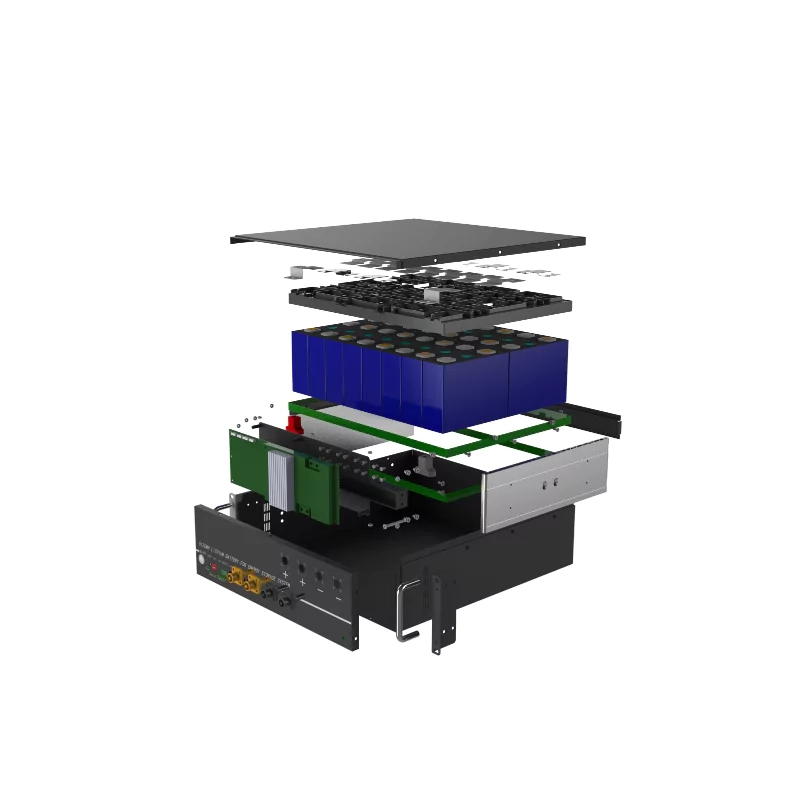
إذا كنت بحاجة إلى خيار تخزين طاقة موثوق به وقابل للتوسع وآمن للاستخدام المنزلي أو التجاري، وونفولت يقود الطريق في توفير إعدادات الطاقة الذكية في جميع أنحاء العالم.
تعريف بطارية الليثيوم
بطاريات الليثيوم أيون تلعب دورا حيويا في اليوم’ تستخدم مثل السيارات الكهربائية والشبكات الذكية وأنظمة الطاقة المتجددة بفضل خصائصها الكهروكيميائية الخاصة. تجد بطاريات أيون الليثيوم استخدام واسع في مركبات الطاقة الجديدة والأجهزة الإلكترونية المحمولة والشبكات الذكية وتخزين الطاقة وغيرها من المجالات بسبب جهد التشغيل العالي وكثافة الطاقة العالية وعمر الدورة الطويلة. هذه الكثافة العالية للطاقة تجعل من الممكن تخزين المزيد من الطاقة الكهربائية في مساحة ووزن أقل، مما يناسب كل من التطبيقات المحمولة والثابتة بشكل جيد.
الخصائص الأساسية لتكنولوجيا بطارية الليثيوم
تتيح كثافة الطاقة العالية للبطاريات احتواء طاقة كهربائية أكبر بحجم أصغر ووزن أخف، لذلك تعمل بشكل أفضل حيث تكون الغرفة ضيقة. حياتهم الطويلة - من 1000 إلى أكثر من 6000 دورة بناء على الكيمياء - توفر قوة دائمة. علاوة على ذلك ، يبقى معدل التفريغ الذاتي منخفضًا ، مما يعني أنه يمكن أن يحتفظ بالطاقة لفترة طويلة ويخسر القليل خلال فترات التخزين.
مزايا الأداء عبر التطبيقات
في مختلف الصناعات، توفر بطاريات الليثيوم شحن سريع يقلل من وقت توقف النظام. تسمح نطاق درجات حرارة التشغيل الواسع باستخدامها في العديد من الإعدادات ، من المناطق الجافة إلى البقع الباردة دون الصفر. يدعم إعدادهم الوحدي النمو من الأنظمة المنزلية إلى الأنظمة الكبيرة على نطاق المرافق.
التحديات التقنية والسوقية
ومع ذلك، لا تزال هناك مسائل. الاستقرار الحراري يسبب القلق أثناء الاستخدام المكثف. تغير أسعار المواد الخام مثل الليثيوم والكوبالت يخلق مخاطر سلسلة التوريد. تقود واجهة الكهرباء الصلبة (فيلم SEI) التي تتشكل على سطح الأقطاب السلبية إلى فقدان دائم للليثيوم النشط ، مما يقلل من القدرة الأولية والكفاءة. بالإضافة إلى ذلك، تفتقر إعدادات إعادة التدوير إلى قواعد قياسية، مما يجعل التعامل في نهاية العمر أكثر صعوبة.
تحسين المواد في كيمياء LiFePO4
أصبح LiFePO4 خيارًا أكثر أمانًا داخل مجموعة بطاريات الليثيوم. هيكله الزيوفيني يوفر استقرار حراري جيد مع الحفاظ على كثافة الطاقة العادلة وعمر طويل.
تحسين الاستقرار الهيكلي للكاثودات الفوسفات الحديدي
الهيكل الكريستالي للأوليفين لبطاريات فوسفات الحديد الليثيوم يتيح لها البقاء ثابتة حتى في ظروف الحرارة العالية أو الشحن الزائد ، مع درجة حرارة التسرب الحراري فوق 500 درجة مئوية. هذه القوة مهمة لإعدادات بعيدة أو بدون طيار. كما يضمن مستوى الجهد الثابت تسليم الطاقة الموثوق به من خلال دورات العمل.
تكامل تقنيات الطلاء النانو والمنشطات
يعزز العمل السطحي المحسن - مثل الطلاءات النانوية - الموصلات دون الإضرار بالسلامة. إضافة العناصر الموصلة إلى مواد الكاثود ترفع حركة الإلكترونات أكثر. تسمح هذه الطرق بمستويات طاقة أكبر مع الحفاظ على عمر الدورة والأداء الحراري سليمًا.
التوافق الكهربائي وهندسة الواجهة
يحتل استقرار مؤشر الاستثمار الاقتصادي والاجتماعي نقطة رئيسية في تمديد عمر العمل. يقف تقليل تأثير فقدان الليثيوم النشط الدائم في دورة الشحن والتفريغ الأولى كطريقة رئيسية لتعزيز تدابير مثل كثافة طاقة البطارية وعمر الدورة. مزيج الكهربائي الأفضل يقلل أيضًا من مقاومة الواجهة ، مما يدعم معدلات الشحن / التفريغ السريعة حتى مع تحول الجهد.
دمج أنظمة إدارة البطارية المتقدمة (BMS)
تثبت أدوات BMS المتقدمة ضرورة الاستفادة القصوى من بطاريات LiFePO4 في الاستخدامات المنزلية والأعمال على مستوى الشبكة.
المراقبة والتحليلات التنبؤية في الوقت الحقيقي
تتعامل إعدادات نظام BMS الذكي مع التحقق في الوقت الحقيقي من حالة الصحة والتنبؤ بكشف الأخطاء. تحسن طرق التوازن النشط للخلايا الناتج الكلي تحت تغير الأحمال ، وتسمح بالتحقق عن بعد - وهو أمر مهم جدا لأنظمة الأعمال الكبيرة.
بروتوكولات السلامة وآليات التكرار
خطوات الحماية الطبقية تحمي ضد الشحن الزائد والحرارة الزائدة والدوائر القصيرة. خطوط الاتصالات الاحتياطية تبقي الأشياء موثوقة في المواقف الرئيسية. هذه الإعدادات تلبي قواعد عالمية صارمة لضمان السلامة في أماكن مختلفة.
بروتوكولات الاتصالات لدمج الشبكات الذكية
تعود إعدادات BMS الحالية إلى روابط الصناعة القياسية مثل CAN و RS485 و Modbus. هذا يجعل الانضمام السلس مع المحولات الشمسية ومنصات EMS وشبكات المرافق ممكنا للاستجابة الفورية للطلب.
تصميم نظام وحدات لنشر قابل للتوسع
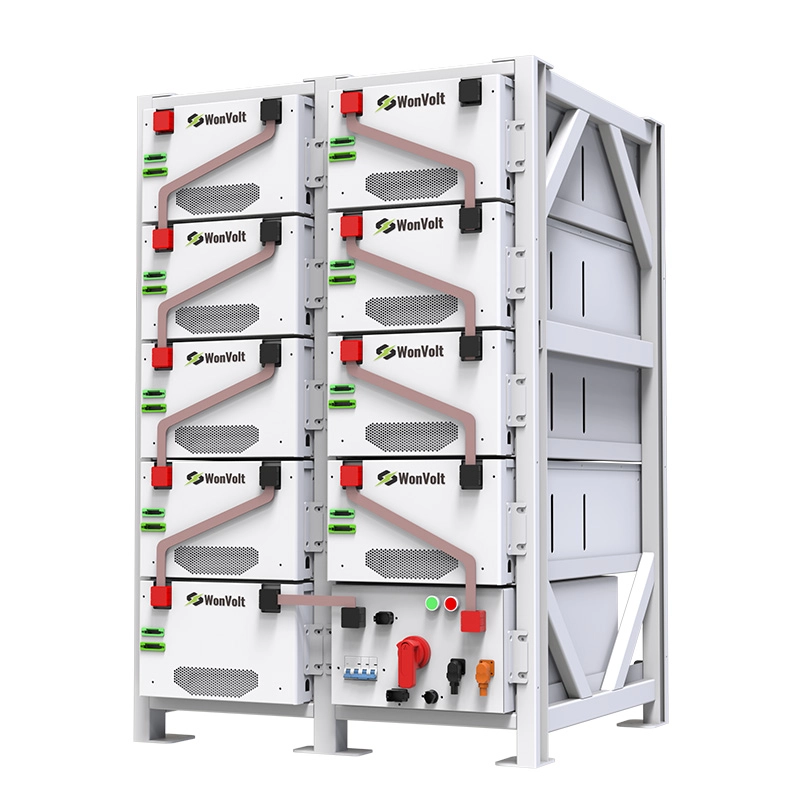
يشكل التصميم الوحدي قلب إنشاء أنظمة تخزين مرنة يمكن أن تتوسع مع متطلبات الطاقة المتزايدة.
معمارية وحدة موحدة عبر الجهدات
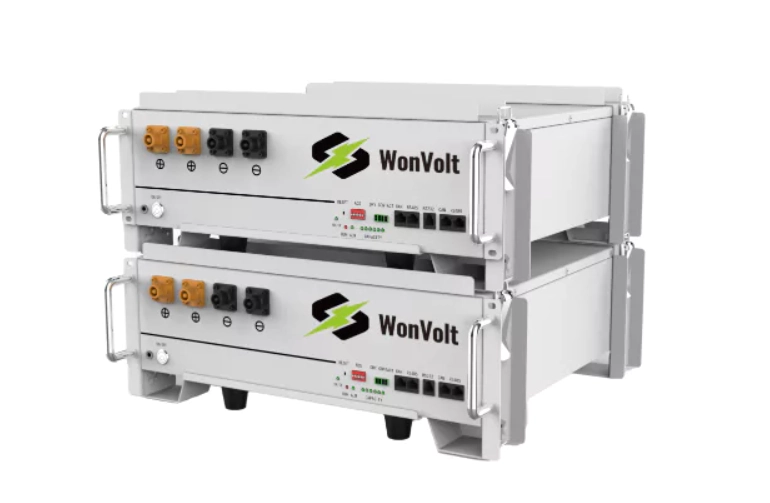
يسهل تطابق الأحجام عبر الوحدات الإعداد في العديد من الحالات - من وحدات بطاريات الليثيوم 5kWh للمنازل إلى مجموعات تصل إلى مجموعة بطاريات الليثيوم 100-215kWh للاحتياجات التجارية. هذا يقلل من وقت التصميم ويسرع التطبيق.
قابلية التوسع بواسطة Plug-and-Play في الإعدادات السكنية والتجارية
المجموعات الجاهزة مثل بطارية الليثيوم 15kWh تسمح بدء التشغيل السريع. يتناسب النمو الجانبي مع الاحتياجات المستقبلية دون إصلاحات كاملة للنظام.
تحسين الإدارة الحرارية لأنظمة الكثافة العالية
يبقي تبريد الهواء الذكي درجات الحرارة حتى على الوحدات. يعمل الإفراج عن الحرارة السلبية بشكل جيد في أماكن خارج الشبكة. تساعد هذه الطرق على الحفاظ على كفاءة الدورة في أحجام كبيرة مثل خيارات 215kWh.
الابتكارات في التصنيع ومراقبة الجودة المدعومة بالذكاء الاصطناعي
اليوم’ يستخدم الإنتاج الذكاء الاصطناعي لتحسين عمليات فحص الجودة ورفع معدلات الإنتاج وتقليل الاختلافات في حزم البطاريات.
عمليات مطابقة الخلايا والتجميع الآلية
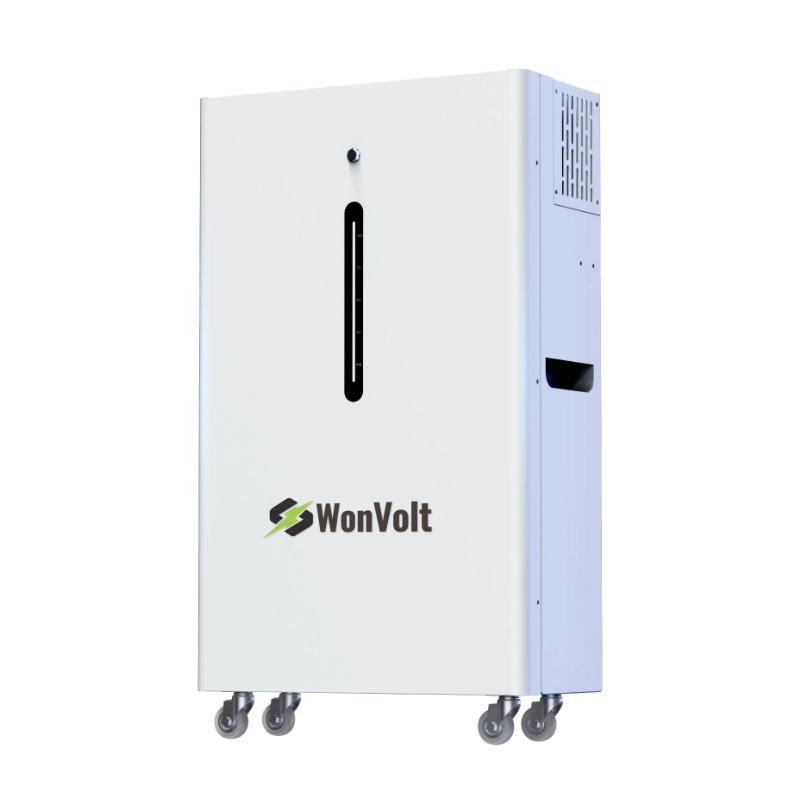
الفرز الدقيق يتطابق مع المقاومة الداخلية بالتساوي عبر الخلايا - وهو ما يثبت أهمية العمل الدائم. إنه يعزز الإنتاج المستمر على نطاق واسع لبنود مثل بطارية 15 كيلوواط/ساعة من WonVolt.
فحص الجودة في الخط باستخدام رؤية الآلة
أدوات الرؤية الآلية الحية تكتشف العيوب أثناء خطوات اللحام أو الختم. تضمن هذه الطريقة قواعد الجودة عبر خطوط الإمداد أثناء قطع الخردة.
تكنولوجيا التوأم الرقمي لمحاكاة دورة الحياة
التوأم الرقمي يمثل أداء حياة كاملة في بيئات مختلفة. هذه النسخ تساعد R & amp; مجموعات د تكرير المواد وتشكيل خطط الصيانة بعد الإعداد.
المزايا التنافسية لـ WonVolt في منظر سوق LiFePO4
WonVolt Holdings المحدودة تقف كشركة تكنولوجيا شمسية متطورة مع تركيز قوي على الخدمةمعروفة بمجموعة منتجاتها الواسعة والوصول إلى جميع أنحاء العالم.
محفظة منتجات شاملة عبر قطاعات الطاقة
وتغطي منتجاتها وحدات منزلية منخفضة الجهد مثل نموذج WV51100L 5kWh إلى بطاريات متوسطة 15kWh 51.2V لمواقع الأعمال ، حتى مجموعات 215kWh لوظائف المرافق الكبيرة.
حلول مفتاحية مدعومة بخبرة هندسية
تقدم WonVolt مساعدة مهندسة في الموقع قبل المبيعات للتحقق من الموقع قبل التصميم ، مما يضمن أن كل خطة تناسب احتياجات العميل تمامًا بنسبة 100٪. كما أنها تتعامل مع مهام ما بعد البيع مثل اختبارات بدء التشغيل وتدريب المهارات.
الالتزام بالابتكار والمعايير العالمية
استمرار R & amp; (د) يدفع الإنفاق الخطوة التالية من تقدم LiFePO4. الموافقات مثل CE ، UN38.3 ، MSDS ، IEC62619 تساعد على الاستخدام في جميع أنحاء العالم في أكثر من 90 دولة.
أسئلة متكررة
Q1: ما الذي يجعل بطاريات LiFePO4 أكثر أمانا من مواد كيميائية الليثيوم الأخرى؟
ج: الهيكل الكريستالي الأوليفين لبطاريات فوسفات الحديد الليثيوم يسمح لها بالبقاء مستقرة حتى تحت درجات الحرارة العالية أو الشحن الزائد ، مما يقلل بشكل كبير من خطر الحريق.
Q2: كيف يمكن توسيع أنظمة LiFePO4 وحدات؟
ج: تتراوح الأنظمة من وحدات 5kWh على المستوى السكني إلى مجموعات 215kWh التي يمكن موازيتها للمنشآت الكبيرة دون إعادة تصميم بنية النظام.
س3: هل هذه البطاريات متوافقة مع البنية التحتية الشمسية القائمة؟
ج: نعم ، تدعم أنظمة LiFePO4 الحديثة بروتوكولات CAN و RS485 و Modbus للتكامل السلس مع معظم العلامات التجارية للمحول ومنصات EMS.