



يخشى الكثير من الناس أن تتوقف الألواح الشمسية عن إنتاج الطاقة المفيدة عندما يصل الشتاء. الأيام القصيرة ، ومسارات الشمس المنخفضة ، والغيوم الشائعة تخلق مشاكل حقيقية ، ولكن التكنولوجيا الضوئية الحالية تعمل بفعالية كبيرة في الطقس البارد. تنتج الألواح الطاقة بسلاسة أكبر في درجات الحرارة الباردة ، لأن الخلايا تعمل بشكل أفضل دون الكثير من الدفء. يمكن للثلج أن يخفي الألواح لفترة قليلة ، لكنه يذوب من تلقاء نفسه ، وتسمح الصفات المدمجة لها بالانتعاش بسرعة ، بحيث يمكنك الحصول على إنتاج ثابت على مدار السنة عن طريق اختيار الألواح المناسبة وطرق الإعداد.
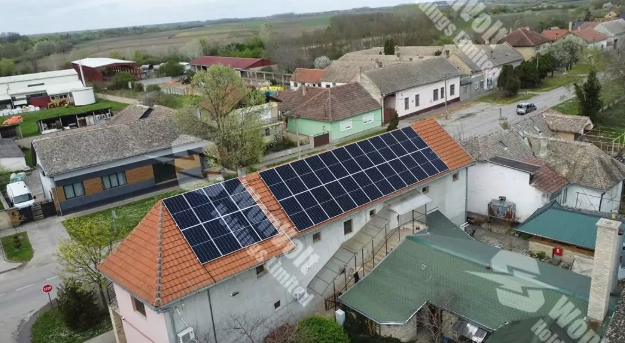
تميز WonVolt كمزود موثوق به لتكنولوجيا الطاقة الشمسية مع أكثر من ثمانية سنوات من الخبرة في حلول الطاقة الصناعية والتجارية والسكنية. تأسست الشركة في عام 2016، وتدير مصنعين في هيفي، الصين، وتمتلك قدرة إنتاج 1.2 جيجاواط للألواح الشمسية و 2.5 جيجاواط في الساعة لبطاريات الليثيوم. وهي متخصصة في TOPCon من النوع N عالية الكفاءة ووحدات ثنائية الوجه التي توفر أداء قوي في المناخات الصعبة. إذا كنت تريد حلول طاقة نظيفة موثوقة مصممة خصيصا لموقعك، استكشاف WonVolt’ الموقع الرسمي لمواصفات المنتج المفصلة والخيارات المخصصة.
تعريف الألواح الشمسية مزايا وتحديات
تحول الألواح الشمسية ضوء الشمس مباشرة إلى كهرباء عن طريق الخلايا الضوئية، وتستخدم هذه الوحدات أشياء مثل السيليكون لإشعال تدفق الإلكترونات عندما يضرب الضوء الوجه. تعتمد الألواح الراقية على طرق الخلايا الأمامية مثل PERC و N-type TOPCon و HJT لرفع مستويات التحويل.
وظيفة الخلايا الضوئية الأساسية
تشكل الخلايا الضوئية جوهر كل لوحة شمسية ، لأنها تمسك بالفوتونات من ضوء الشمس وتشعل الطاقة التيار المستمر. الخلايا أحادية الكريستالية ومتعددة الكريستالية تقود المجال ، مع أنواع أحادية الكريستالية التي تعطي علامات كفاءة أعلى.
الألواح الشمسية الحديثة الفوائد الرئيسية
توفر الألواح الحالية طاقة نظيفة ومتجددة بتكاليف تشغيل منخفضة مع مرور الوقت ، وتخفض فواتير الكهرباء مع المساعدة على الاعتماد على الذات في مجال الطاقة. العديد من الوحدات تصل الآن إلى كفاءة تزيد عن 22 في المئة ، مما يجذب المزيد من الطاقة من نفس منطقة السقف.
أداء الشتاء المخاوف الشائعة
ساعات أقل من ضوء النهار والسماء المغمورة المنتظمة تقلل من إجمالي وصول ضوء الشمس ، في حين أن أكوام الثلج يمكن أن تحجب الألواح لفترة قصيرة. كما تثير الأفكار الخاطئة حول درجات الحرارة الاختلاطات ، حيث غالباً ما يعتقد الناس أن الهواء البارد يضر بالإنتاج.
توليد الكهرباء من الألواح الشمسية في الطقس البارد
الهواء البارد يساعد في الواقع الألواح الشمسية على العمل بشكل أفضل من إعدادات الصيف الساخنة ، لأن الجهد يرتفع مع انخفاض درجات الحرارة ، مما يعوض عن بعض قطرات وقت ضوء الشمس أقل. لا تزال تسحب حتى الناتج حتى في أيام الشتاء المشرقة.
درجات الحرارة الباردة تعزز كفاءة الخلية
تقلل درجات الحرارة المبردة المقاومة الداخلية في الخلايا، وهذا المكسب يرفع الجهد الدائرة المفتوحة جنبا إلى جنب مع تدفق الطاقة الكلي. الوحدات ذات معامل درجة حرارة منخفضة تنخفض كفاءة أقل في الدفء وتلتقط المزيد في البرد.
ظروف الضوء المنخفض لا تزال تنتج الطاقة
الضوء المنتشر من السماء الغيوم أو بقع الشمس المنخفضة لا يزال يوقظ الخلايا الضوئية ، وتكنولوجيا TOPCon من النوع N تدير الإشعاع المنخفض بشكل جيد جدا. تستفيد من الإنتاج المنتظم طوال فترات الشتاء.
أقصر أيام تقلل من إجمالي عائد الطاقة
الشتاء يقطع ساعات ضوء النهار ويسقط الشمس’ بقعة ، لذلك هذا يغطي سحب الطاقة اليومي مقارنة بالصيف. حجم النظام الصحيح ومواجهة المساعدة في سحب أقصى ما’ في اليد.
تأثير الثلج على إنتاج الألواح الشمسية والانتعاش
فشل الثلج في إيقاف الألواح الشمسية للأبد ، حيث تهز معظم الإعدادات الثلج بنفسها بفضل الزاوية والوجوه الزجاجية اللزقة. حتى عندما تكون مغطاة ، تعود الألواح بسرعة بمجرد انزلاق الثلج أو ذوبانه.
انزلاق الثلج والتطهير الطبيعي
تدفع الألواح المزاوية الثلج إلى الانزلاق من تلقاء نفسها ، وغالبا ما يسرع الدفء من اللوحة الذوبان. نادراً ما تواجه عمليات مسح يدوية في المناطق التي تسقط فيها ثلج خفيف.
انعكاس الأرض يزيد من الإنتاج
الأرض المغطاة بالثلج ترتد ضوء الشمس مرة أخرى إلى لوحة’ s تحت الجانب، ووحدات ثنائية الوجه الاستيلاء على هذا الضوء المضافة بسهولة. يمكن أن تزيد هذه الصفة من الإنتاج في الأيام الواضحة مباشرة بعد سقوط الثلج.
تراكم الثلج الثقيل تأثير مؤقت
قد يتمسك الثلج الكثيف والرطب لفترة أطول ويوقف الضوء لبضعة أيام ، ولكن في هذه البقع ، ينخفض الناتج حتى يرفع الغطاء. فحص ثابت وطرق واضحة وسهلة تجلب العمل بسرعة.
تحسين الأداء الشتوي مع خيارات التكنولوجيا
يمكنك رفع نتائج الشتاء كثيرًا عن طريق اختيار الألواح المصممة للبقع الباردة ، لأن تكنولوجيا الخلايا الأمامية والبنايات المزدوجة تتعامل مع الضوء الضعيف والثلج بشكل أفضل من الأنواع السابقة. هذه الصفات تثبت طاقة أكثر استقرارا على مدار السنة.
معامل درجة الحرارة المنخفضة يحافظ على العائد
الألواح التي تحمل معامل درجة حرارة قريب من -0.28 في المئة لكل درجة مئوية تسبب القليل من الطاقة في الحرارة وتضيف في البرد ، لذلك فإن هذه التكافؤ تحتفظ بقوة الإنتاج على مدى المواسم.
وحدات ثنائية الوجه التقاط الضوء المنعكس
تأخذ الألواح ثنائية الوجه الضوء من كلا الوجوهين ، ويرفع ارتداد الثلج الشتوي الطاقة الخلفية. لقد ضربت أعلى سحب الطاقة الكاملة في المناطق المعرضة للثلج.
خلايا نوع N عالية الكفاءة في إكسل في ضوء منخفض
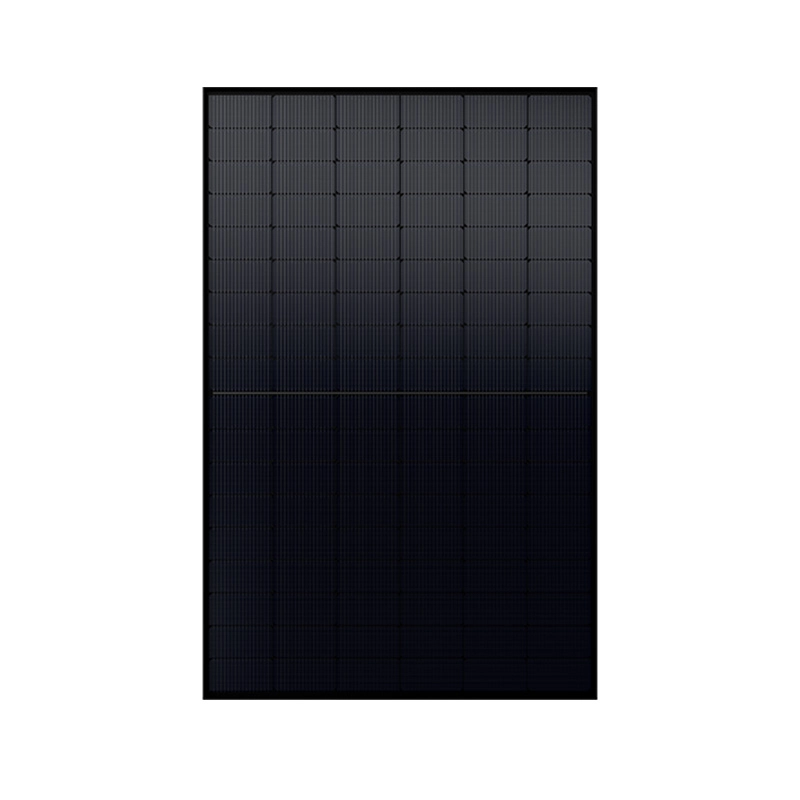
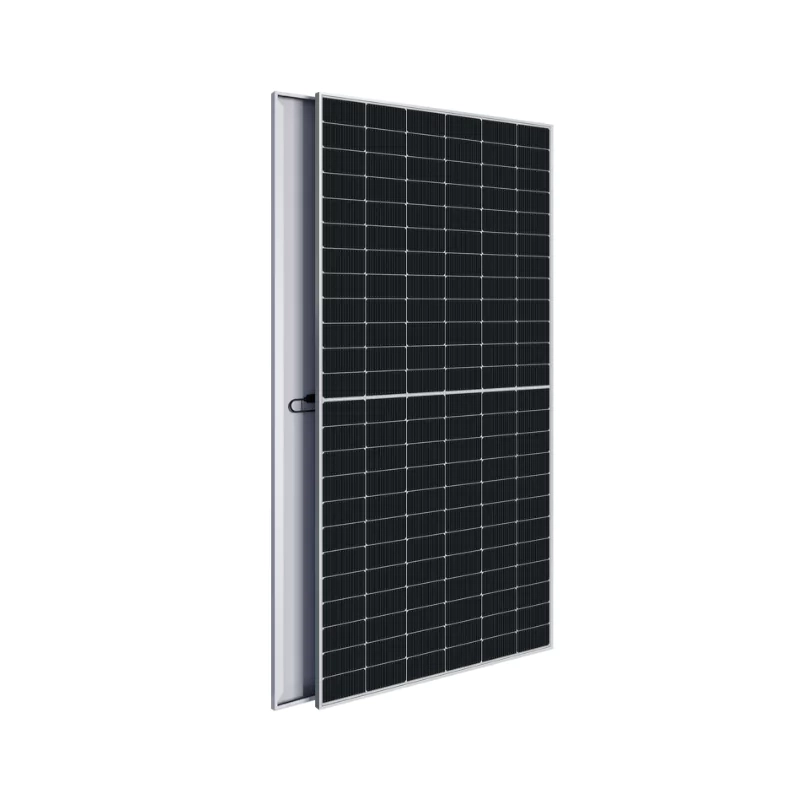
خلايا TOPCon من النوع N تعمل صلبة تحت ضوء الشمس الضعيف ، لأنها تجلب كفاءة إشعاعية منخفضة أفضل وأقل آثار. فكر في لوحة شمسية 450W نموذج أسود كامل أسطح المنزل أو لوحة شمسية 550W من أجل وظائف أكبر.
لماذا تختار WonVolt لحلول الشمسية الشتوية الموثوقة
WonVolt يجمع بين صنع الأمام والمساعدة العملية لمجموعة متنوعة من الوظائف ، وتتبين الشركة لوحات عالية الكفاءة تناسب البقع الباردة. تحصل على استقرار دائم و نصيحة محترفة.
معايير التصنيع والجودة المثبتة
لوحات واضحة IEC و CE فحوصات صارمة، والتجارب الصارمة قفل في صلابة ضد وزن الثلج والبرد. تحصل حتى على عمل مدعوم بوعود مادية لمدة 12 سنة.
لوحات عالية الكفاءة مصممة خصيصا للمناخ البارد
يبني TOPCon من النوع N و ثنائي الوجه سحب الشتاء الدقيق ، في حين أن معدلات التآكل المنخفضة تعد بمكاسب قوية على مدى 25 إلى 30 عامًا. يمكنك اختيار من بين خيارات الوجه الواحد والوجهين لمطابقة الموقع يريد.
دعم واحد وضمانات الأداء
يعطي WonVolt مظهر موقع ما قبل البيع وفحوصات ما بعد الإعداد ، بحيث تستفيد من وعود الطاقة الخطية لمدة 30 عامًا وملمسة الخدمة في جميع أنحاء العالم.
أسئلة متكررة
Q1: هل تتوقف الألواح الشمسية عن العمل تمامًا عندما تكون مغطاة بالثلج؟
ج: لا. عادة ما ينزلق الثلج من الألواح الميلة بسرعة. أي ثلج متبقي يذوب من حرارة اللوحة أو ضوء الشمس، واستعادة الإنتاج في غضون ساعات أو أيام.
Q2: هل الألواح الشمسية أكثر كفاءة في الشتاء من الصيف؟
ج: نعم. تحسن درجات الحرارة الباردة كفاءة الخلية عن طريق زيادة الجهد. هذا غالبا ما يعوض عن الأيام القصيرة وزوايا الشمس المنخفضة.
س3: كم من الطاقة تنتجها الألواح الشمسية في أيام الشتاء الغامضة؟
ج: لا تزال الألواح تولد الكهرباء من الضوء المنتشر. النماذج عالية الكفاءة مع خلايا النوع N تحافظ على أداء جيد حتى تحت السماء المغمورة.
Q4: هل يساعد انعكاس الثلج أو يضر بإنتاج الألواح الشمسية؟
ج: هذا يساعد. يعكس الثلج على الأرض ضوء إضافي على الألواح ذات الوجوهين ، مما يزيد من الإنتاج الإجمالي في الأيام المظلمة.
س5: ماذا يجب أن أفعل إذا تراكم الثلج على لوحاتي؟
ج: انتظر التطهير الطبيعي في معظم الحالات. إذا لزم الأمر، استخدم فرشاة ناعمة أو ماء دافئ لإزالة الثلج بلطف دون تلف سطح الزجاج.