

وبينما تسعى الصناعات إلى تحسين استخدام الطاقة ومطابقة أهداف الاستدامة، تقدم أنظمة الطاقة الشمسية الهجينة خيارًا قويًا. تجمع هذه الإعدادات بين إنتاج الطاقة المتجددة والتخزين الصلب والتحكم الذكي. ونتيجة لذلك، يمكن للشركات خفض النفقات والحفاظ على إمدادات طاقة ثابتة واتباع القواعد البيئية.
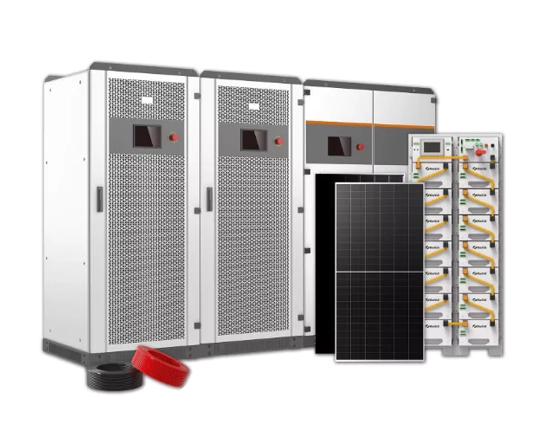
بالنسبة للشركات المستعدة للتبديل ، تثبت WonVolt أنها خيار موثوق به. بدأت في عام 2016، وونفولت يقود في مجال الطاقة النظيفة في جميع أنحاء العالم. وتركز على أنظمة تخزين الطاقة الصناعية والتجارية (ICESS). الشركة لديها مصنعين في هيفي، الصين. ويصل إنتاجها السنوي إلى 1.2 جيجا واط للألواح الشمسية و2.5 جيجا واط لبطاريات الليثيوم. وبالتالي، فإنه يوفر خيارات هجينة مرنة تناسب المتطلبات الصناعية. تتراوح المنتجات من الألواح الشمسية وبطاريات الليثيوم إلى المحولات الهجينة ووحدات BESS في الحاويات. تخدم العملاء في أكثر من 90 دولة.
دور أنظمة الطاقة الشمسية الهجينة في كفاءة الطاقة الصناعية
تغير الأنظمة الشمسية الهجينة الطريقة التي تتعامل بها الصناعات مع احتياجات الطاقة. يخلطون بين إنشاء الطاقة الشمسية وتخزين البطارية والتحكم الذكي. هذا يعزز كفاءة العمل ويدعم الممارسات الخضراء.
دمج تخزين الطاقة الشمسية والبطارية لاستخدام الطاقة الأمثل
أنظمة الطاقة الشمسية الهجينة تقلل من الاعتماد على الشبكة. إنها تزوج بين توليد الطاقة الضوئية وتخزين الطاقة. يجمع المحول الهجين بين أدوار المحول الشمسي ومحول تخزين البطارية في وحدة واحدة. لذلك ، فإنه يتعامل مع الطاقة من المجموعة الشمسية ، والتخزين الشمسي ، والشبكة. يسمح هذا الإعداد بتوفير الطاقة الشمسية الإضافية من أوقات الاستخدام المنخفض. في وقت لاحق ، يمكن أن تكون احتياجات الذروة أو انقطاع التشغيل.
اليوم’ تتضمن المحولات الهجينة تقنية تعقب نقطة الطاقة القصوى (MPPT). هذا يحافظ على شحن البطارية في أفضل حالتها ، حتى مع تغير ضوء الشمس. يساعد على تحميل الحمولة بشكل أفضل. بالإضافة إلى ذلك ، فإنه يقلل من التكاليف المرتبطة بمعدلات الكهرباء العالية واستخدام الوقود.
إدارة الطاقة في الوقت الحقيقي وموازنة الحمل
تسمح أنظمة التحكم الذكية في الإعدادات الهجينة بالتتبع الحي ومشاركة الطاقة عبر الأحمال الصناعية. هذه الأنظمة تدعم الحلاقة القصوى. يستفيدون من الطاقة المخزنة خلال ذروات الطلب. كما أنها تمكن من تحويل الحمل. هذا يسمح للمهام في أوقات خارج الذروة عندما تنخفض الأسعار.
يوازن المحول الهجين بشكل ذكي النظام الكامل للسلامة. يحافظ على انتاج ثابت تحت تحويل الأحمال. هذا يساعد على استقرار الشبكة. وفي الوقت نفسه، خفض الغرامات من شركات الطاقة.
المساهمة في أهداف الاستدامة ومرونة الطاقة
تساعد الأنظمة الشمسية الهجينة الصناعات في تحقيق أهداف صفر الكربون. يعملون بمفردهم خلال مشاكل الشبكة. وبالتالي ، فهي توفر طاقة احتياطية رئيسية للعمل دون توقف.
على المدى الطويل، تخفض هذه الأنظمة تكاليف الطاقة الإجمالية. كما أنها تعزز درجات البيئة والاجتماعية والحوكمة (ESG). وهذا يجعل الشركات أكثر جاذبية للممولين والمنظمين.
المكونات الرئيسية لنظام الطاقة الشمسية الهجينة الصناعية
لإنشاء نظام هجين فعال، يجب أن تربط الأجزاء بشكل جيد. وحدات الشمسية والتخزين والمحولات الذكية كلها مهمة لتحقيق أفضل النتائج.
وحدات الطاقة الضوئية لتوليد الطاقة المتجددة الأولية
تعمل الألواح الشمسية عالية الإنتاج كمصدر رئيسي للمتجدد. تحول ضوء الشمس إلى كهرباء DC للاستخدام المباشر أو توفير. تأتي وحدات الطاقة الضوئية في أنواع مثل الفيلم الرقيق والسيليكون أحادي الكريستالي والسيليكون متعدد الكريستالي. لوحات نوع N أحادية الكريستالية تعمل بشكل أفضل للاستخدام الصناعي.
الإعداد وحدات WonVolt تناسب الأسطح أو المواقع الأرضية. يتوسع إلى مواقع ذات حدود مساحة مختلفة.
أنظمة تخزين الطاقة للبطارية لمرونة الطلب
بطاريات أيون الليثيوم تناسب الوظائف الصناعية بشكل جيد. يحتوي على طاقة عالية ويستمر العديد من الدورات. عوامل مثل عمر البطارية والتكلفة والسلامة وكفاءة الشحن / التفريغ مهمة. لذا، بطاريات فوسفات الحديد الليثيوم تناسب هنا.
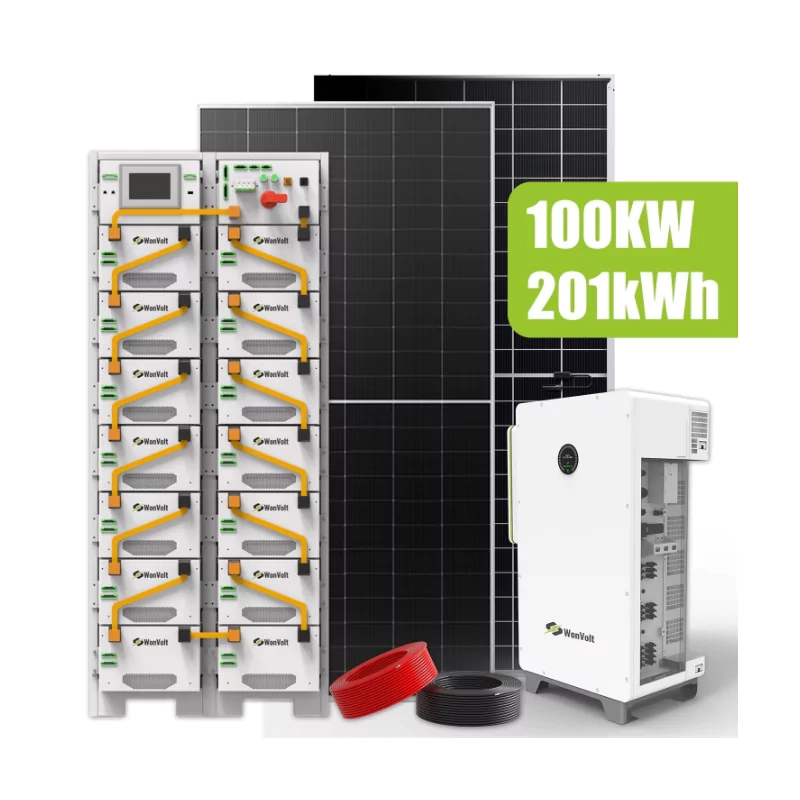
الخيارات مثل نظام الطاقة الشمسية الهجينة 100kW 201kWh تعطي قدرة قوية للمواقع الصناعية المتوسطة الحجم. أنظمة إدارة البطارية (BMS) تضمن السلامة. كما تمدد عمر البطارية عن طريق أفضل أنماط الشحن / التفريغ.
تكنولوجيا العكس وأنظمة التحكم الذكية
تربط المحولات الهجينة المدخلات الشمسية وإنتاج البطارية وعلاقات الشبكة. ينضم المحول الهجين إلى كلا أنواع المحول. إنهم يتعاملون مع تدفق الطاقة في اتجاهين. يتم تغيير المصادر بسلاسة بناء على الاحتياجات الحالية.
هذه الوحدات لديها MPPT لتحسين الكفاءة. غالبا ما تربط مع أدوات الاتصالات التي تربط أنظمة إدارة الموقع. هذا يسمح الخيارات التلقائية على مسارات الطاقة.
سيناريوهات التطبيق في البيئات الصناعية والتجارية
الأنظمة الهجينة تناسب العديد من المواقع الصناعية. يعملون في مصانع عالية الطاقة أو مناطق لوجستية مع سحب الطاقة المختلفة.
مرافق التصنيع مع حمولات عالية الطاقة
في المصانع التي تقفز فيها الطاقة أثناء الإنتاج ، تغذي الأنظمة الهجينة الطاقة الشمسية المخزنة لتغطية القمم. هذا يقلل من التوقف عن فقدان الطاقة. كما يقلل من فواتير الكهرباء.
150KW – يستهدف نظام الطاقة الشمسية الهجينة 500KW هذه البقع. يتعامل مع ما يصل إلى 1.5MW لكل وحدة. فإنه يتحول في ≤10ms أثناء أخطاء الشبكة.

مستودعات ومراكز لوجستية مع ملامح الطلب المتقطعة
في المواقع على مدار الساعة مع تغير الطاقة من تكييف الهواء والأتمتة، توفر الأنظمة الهجينة الكثير. تغطي الشمسية الاستخدام اليومي. البطاريات في الليل بدون سحب الشبكة.
تتيح البناءات القابلة للتوسع الاستخدام عبر العديد من المواقع اللوجستية. إنهم يربطون بالسيطرة المركزية حتى العمليات.
المباني التجارية تبحث عن تخفيضات في تكاليف التشغيل
في المكاتب أو المحلات التجارية المفتوحة في النهار ، فإن استخدام قطع الطاقة الشمسية الخاصة بك يكلف بشكل حاد. تظهر الشاشات الذكية في الأنظمة الهجينة أنماط الاستخدام. هذا يساعد المزيد من التغييرات.
تتوافق الروابط مع معايير وقواعد البناء الأخضر. يدعمون أهداف الشركة الخضراء.
المزايا التقنية لحلول الطاقة الشمسية الهجينة WonVolt
أنظمة WonVolt تجلب حواف واضحة للاحتياجات الصناعية.
تصميم وحدات لنشر قابل للتوسع عبر المواقع الصناعية
تنمو الأنظمة مع تغيرات الطاقة. لا حاجة لإعادة الإعداد الرئيسي. يمكن للشركات أن تضيف مع توسع العمل. هذا يتجنب التوقفات في التثبيتات الحالية. أسلوب Plug-and-Play يسهل الإعداد. يسرع النشر عبر العمل متعدد المواقع. يحافظ على تطابقات النظام.
كفاءة النظام العالية من خلال خوارزميات التحكم الذكية
تستخدم EMS المتقدمة (أنظمة إدارة الطاقة) الذكاء الاصطناعي لتعديل تدفقات الطاقة مباشرة. يستند إلى البيانات الحالية. أدوات الحلاقة القصوى تفضل استخدام البطارية في أوقات عالية المعدل. هذا يقلل من التكاليف. تقنية MPPT تحافظ على العمل الشمسي بشكل جيد في أوقات الشمس المنخفضة. إنه يناسب الناتج لأفضل مستويات الشحن.
موثوقية طويلة الأجل مدعومة بمكونات الصف الصناعي
جميع الأجزاء تتعامل مع الإعدادات الصناعية مثل الغبار والحرارة والرطوبة. وتشمل الفحوصات عن بعد وتوقعات الصيانة. هذا يقلل من توقف المفاجأة. يعطي عمل ثابت على مدى حياة النظام.
الفوائد الاستراتيجية لأصحاب المصلحة الصناعيين الذين يعتمدون الأنظمة الشمسية الهجينة
إضافة الطاقة الشمسية الهجينة تجلب مكاسب دائمة بعد الادخار اليومي.
خفض النفقات التشغيلية مع مرور الوقت
وتقلص الأنظمة الهجينة تكاليف المرافق عن طريق خفض الطلب والتعديلات القائمة على الوقت. حيث تعمل النسخ الاحتياطي للديزل مرة واحدة ، تنخفض نفقات الوقود. استرداد الاستثمار يحسن مع ارتفاع أسعار الشبكة. هذا يجعل الإعدادات الهجينة أرخص كل عام.
الامتثال للأطر التنظيمية وبرامج الحوافز
يساعد التركيب الهجين على الوفاء بالقواعد الوطنية المتجددة وأهداف الانبعاثات. تعطي العديد من المناطق إعفاءات ضريبية أو أجر تغذية لتغطية تكاليف البدء. هذه الإعدادات تظهر الجهود الخضراء. فهي مهمة لجذب الأموال أو تحقيق أهداف المسؤولية الاجتماعية للشركات.
تحسين صورة الشركة من خلال البنية التحتية المستدامة
استخدام التكنولوجيا النظيفة يعزز رؤية العلامة التجارية بين العملاء والشركاء الذين يرون علامات ESG. وتتطابق هذه الإنفاقات مع الخطط الخضراء العالمية مثل أهداف التنمية المستدامة للأمم المتحدة.
أسئلة متكررة
Q1: ما هو نظام الطاقة الشمسية الهجينة؟
ج: إنه حل متكامل يجمع بين الألواح الضوئية وتخزين البطارية والمحولات الذكية لإدارة استخدام الطاقة بكفاءة عبر المرافق الصناعية.
س2: كيف يساعد النظام الهجين في تقليل تكاليف الكهرباء؟
ج: يخزن الطاقة الشمسية الزائدة للاستخدام خلال فترات التعريفات العالية أو انقطاع الخدمة ، مما يقلل من الاعتماد على الكهرباء الغالية أو مولدات الديزل.
س3: هل يمكن توسيع نطاق هذه الأنظمة مع نمو أعمالي؟
ج: نعم، تسمح الهندسة المعمارية المتكاملة بالتوسع دون إعادة تصميم النظام بأكمله، ودعم النمو المستقبلي بسلاسة.
س4: ما نوع البطارية المستخدمة في الأنظمة الهجينة الصناعية؟
ج: يفضل بطاريات فوسفات الحديد الليثيوم بسبب سلامتها ودورة حياة طويلة وكفاءة الشحن / التفريغ العالية.