



وبينما تدفع قضايا الطاقة العالمية الشركات والمنازل نحو الخيارات الخضراء، تظهر الطاقة الشمسية كخيار رئيسي. يبدأ الإعداد الصحيح بمعرفة العدد الصحيح من الألواح الشمسية. يعتمد هذا على عادات استخدام الطاقة الخاصة بك، وأعلى الطلب، واحتياجات التخزين. يعطي هذا الدليل لمحة عامة واضحة عن الخطوات. يساعدك على الاختيار بحكمة.
للإعدادات الشمسية المخصصة والفعالة، وونفولت يقدم خدمات كاملة. تغطي المنازل لمشاريع كبيرة. تركز WonVolt على وحدات الكهروضوئية الحديثة وبطاريات الليثيوم والمحولات الذكية. مع أكثر من 1.2 جيجاواط في إنتاج الألواح الشمسية وعملاء في أكثر من 90 دولة ، تحصل WonVolt على الثناء لمهاراتها التصميمية ودعم الطاقة النظيفة الكامل. إذا كنت تخطط لمدرسة أو مصنع أو موقع خارج الشبكة، تحقق من حلول WonVolt للطاقة الشمسية. يضمنون نتائج موثوقة وملائمة للميزانية.
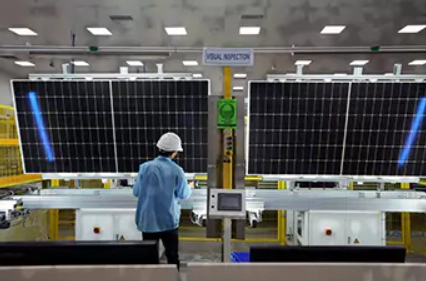
تعريف ومزايا الألواح الشمسية
تغيرت تكنولوجيا الطاقة الشمسية طريقة التقاط الطاقة الشمسية. من المفيد النظر إلى مكاسبها من وجهات النظر التكنولوجية والتكلفة.
تكنولوجيا تحويل الطاقة الشمسية
تشكل الخلايا الكهروضوئية قلب الوحدات الشمسية. تحول ضوء الشمس إلى طاقة عن طريق التأثير الضوئي الكهربائي. هذه الخلايا تنضم إلى مجموعات. الزجاج المقوى وطبقات إيفا تحميهم. وتبني هذه الوحدات قاعدة الأنظمة الشمسية. تستخدم الألواح الشمسية أساسا نوعين: أنظمة الكهروضوئية التي تغير ضوء الشمس مباشرة إلى الكهرباء، و CSP التي تركز الضوء بمرايا أو عدسات لإنتاج الحرارة للطاقة.
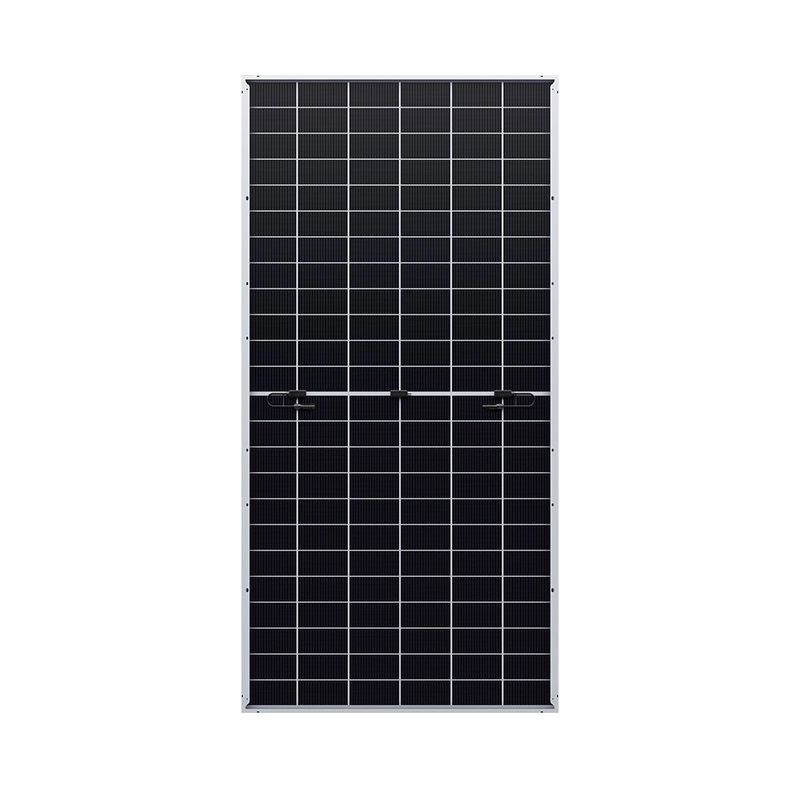
تزيد الألواح الشمسية ذات الوجوهين من الإنتاج عن طريق التقاط الضوء على كلا الوجوهين. خذ 600W لوحة شمسية ثنائية الوجه. يستخدم خلايا TOPCon 16BB المتقدمة. يضيف حوالي 20٪ من الطاقة من الخلف.
الفوائد البيئية والاقتصادية
وحدات الطاقة الشمسية الكهروضوئية تجلب مزايا نظيفة ولا نهاية لها وهادئة. يدفعون نمو الطاقة الخضراء. هذه الألواح تقلل من الاعتماد على الوقود الأحفوري. كما يساعد على خفض الانبعاثات. تجعل الألواح الشمسية الكهروضوئية استخدام جيد لموارد الشمس للكهرباء. في المنازل ، تخفض تكاليف الطاقة بشكل كبير. بالإضافة إلى ذلك ، تعطي العديد من الحكومات مزايا مثل معدلات التغذية والإخفاضات الضريبية لتعزيز استخدام الطاقة الشمسية.
التطبيقات الصناعية والمرافق
أنظمة الكهروضوئية تبني بسرعة. إنها تناسب أي حاجة إلى الطاقة، كبيرة أو صغيرة. هذا يجعلها سهلة التكيف والنمو. إنها تناسب المصانع أو المواقع الرئيسية أو الأماكن ذات الروابط الشبكية الضعيفة. WonVolt يدعم الصناعية التجارية و مقياس المرافق يستخدم بشكل جيد.
كيف تحدد متطلبات قمة الحمل الخاصة بك؟
قبل قياس الإعداد الشمسي الخاص بك، ابحث عن أقصى احتياجات الطاقة. هذه الخطوة تتأكد من أن النظام يناسب بشكل صحيح. تجنب الكثير أو القليل من القوة.
ذروة الحمل الطلب؟
ذروة الحمل تعني سحب الطاقة العليا عندما تعمل جميع الأجهزة في وقت واحد. تخمينات خاطئة تؤدي إلى قصر الطاقة في الأوقات الرئيسية أو التكاليف الإضافية. تختلف أنواع الحمولة: المنزل أو الأعمال التجارية أو المصنع. لذا، مطابقة الشيك الخاص بك إلى الإعداد.
طرق قياس الحمل
تشمل الطرق الجيدة العدادات الذكية أو فحوصات الطاقة المحترفة. هذه المسارات تستخدم في الوقت الحقيقي. تظهر الفواتير القديمة أنماط الذروة أيضًا. تذكر التحولات الموسمية. يمكن أن ترفع حرارة الصيف أو الشتاء الكثير من الأحمال.
تأثير ذروة الحمل على تصميم النظام
أشكال قمة الحمل اختيار المحول وأعداد اللوحة. المحول الصغير يحد من الناتج. إذا قمت بإضافة بطاريات، فإن هذا يحدد حجم النسخ الاحتياطي لأوقات الذروة أو انقطاع الخدمة.
كيف تقدر استهلاك الطاقة اليومي؟
بعد ذروة الحمل ، تحقق من استخدام الطاقة اليومي. وهذا يظهر الاحتياجات الكلية مع مرور الوقت. يساعد على تعيين أرقام اللوحة.
تقنيات حساب الاستهلاك اليومي
مضاعفة كل جهاز’ s واط حسب ساعات التشغيل اليومية. أضفها للواط-ساعات الإجمالية. أدوات مثل مراقبات الطاقة تعطي بيانات دقيقة. إنهم يكتشفون نفايات الطاقة العاملة أيضًا.
دور أنماط الاستخدام في دقة التقديرات
دراسة استخدام حسب وقت النهار، عالية أو منخفضة. هذا يسمح لك بتحويل الأحمال إذا كانت مفيدة. بالنسبة للشركات ، يفوز أيام العمل عطلة نهاية الأسبوع. ادخل هذا في خططك
تحويل احتياجات الطاقة إلى وحدات كيلوواط/ساعة
ضع كل الاحتياجات في كيلوواط ساعة. هذا يتطابق مع تقييمات اللوحة بسهولة. معظم الألواح تدرج كيلوواط ساعة في الإنتاج اليومي.
كم عدد الألواح الشمسية المطلوبة بناء على الطلب على الطاقة؟
لوحة العد العلاقات لمنطقتك’ قوة الشمس ، نوع اللوحة ، وأرقام الاستخدام اليومي.
اعتبارات إنتاج الألواح الشمسية
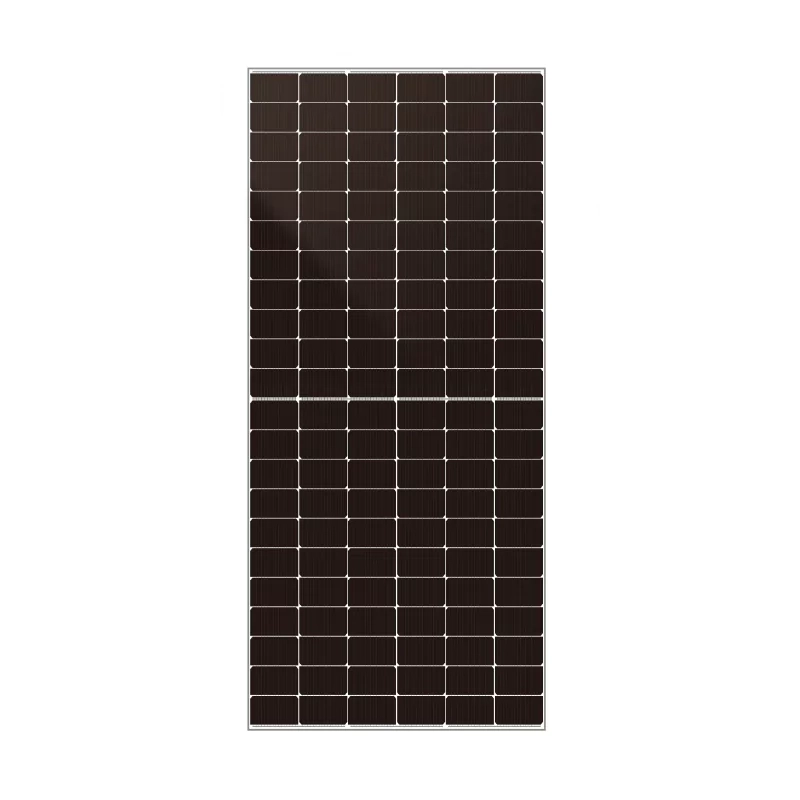
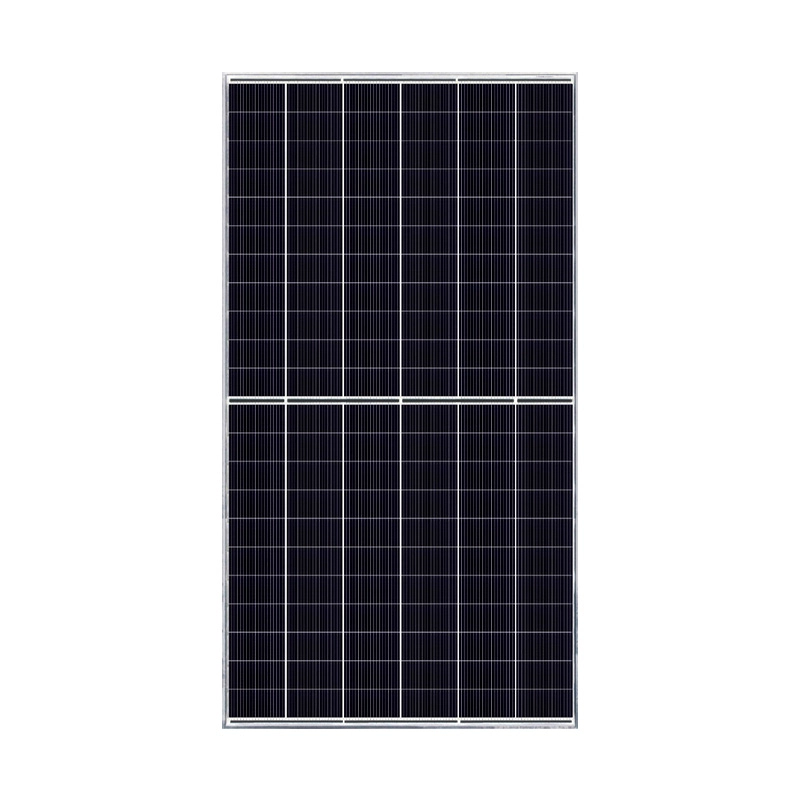
معدل الألواح الشائعة في 600W، 630W، أو 740W. ينخفض العائد الفعلي من الظل أو الزاوية أو الاتجاه. أنواع ثنائية الوجه مثل 630W لوحة شمسية ثنائية الوجه الحصول على ما يصل إلى 20٪ من الضوء الخلفي.
مطابقة انتاج لوحة لمتطلبات الحمل اليومي
خذ إجمالي احتياجات كيلوواط ساعة وقسمها على لوحة واحدة ’ كيلوواط يومياً. إضافة 10-20٪ لخسائر الحرارة أو المحولات. حجم أكبر يساعد إذا كنت تخطط للنمو أو ظل الوجه.
توصية المنتج من محفظة WonVolt
بالنسبة لإعدادات مثل المكاتب أو المدارس، جرب 600W لوحة ثنائية الوجه. لتحسين العائد أو المساحة الضيقة ، اختر نموذج 630W. بالنسبة للمشاريع الكبيرة مع عدد قليل من الوحدات ، فإن 740W لوحة شمسية ثنائية الوجه يعطي أعلى الناتج لكل منطقة.
كيف يؤثر النسخ الاحتياطي للبطارية على عدد الألواح المطلوبة؟
مع إضافات البطارية، إعادة التفكير في أرقام اللوحة. أنها تغطي ليس فقط الاستخدام ولكن احتياجات الشحن أيضا.
أساسيات قياس تخزين البطارية
حجم البطارية بالكيلوواط/ساعة يناسب الأحمال الرئيسية ووقت النسخ الاحتياطي. استخدام عمق التفريغ للقدرة الحقيقية. وحدة 10 كيلوواط ساعة عند 80٪ وزارة الدفاع تعطي 8 كيلوواط ساعة لرسم.
توليد الطاقة الشمسية مقابل توازن التخزين
يجب على الألواح إعادة ملء البطاريات في ساعات الشمس وتشغيل الأجهزة. وهذا يحتاج إلى إنتاج إضافي. وحدات التحكم مهمة، مثل MPPT بكفاءة 99٪. وحدة التحكم الشمسية تظهر الحالة الحالية والجهد وحالة البطارية. يرفع معدلات الرسوم.
تصميم للأنظمة خارج الشبكة أو الهجينة
يحتاج خارج الشبكة إلى مصفوفات أكبر للطقس السيئ أو الأيام القصيرة. يخلط الهجين بين الشبكة والتخزين للمرونة وتغطية انقطاع الخدمة.
لماذا تختار WonVolt لاحتياجاتك من الطاقة الشمسية؟
بالنسبة لشراء الطاقة الشمسية ، فإن الأجزاء القوية والمساعدة المحترفة مهمة لتحقيق مكاسب دائمة.
هندسة المنتجات المتقدمة
تصنع WonVolt الألواح الشمسية (PERC ، N-type TOPCON ، و HJT) ، و BESS في الحاويات ، وبطاريات الليثيوم للتبريد السائل لمشاريع الأعمال. وحداتهم ثنائية الوجه تستخدم تكنولوجيا TOPCon لتحقيق مكاسب ثنائية الوجه عالية والتحكم في الحرارة.
حلول شاملة عبر القطاعات
من المصانع إلى الخطط تناسب كل حالة. بالنسبة للأسقف أو التخزين في المناجم أو مراكز البيانات ، تقدم تصميمات قائمة على الموقع مع المعرفة التقنية.
الوصول العالمي مع الدعم المحلي
WonVolt تخدم أكثر من 90 دولة. تسليم سلسلة التوريد في الوقت المناسب. الفرق المحلية تساعد في الإعداد من خلال بوابة الاتصال.
أسئلة متكررة
Q1: كيف أحسب عدد الألواح الشمسية التي أحتاجها؟
ج: قسم استهلاك الطاقة اليومي (بالكيلوواط/ساعة) على متوسط الإنتاج اليومي لكل لوحة (بالكيلوواط/ساعة أيضاً) ، ثم عدل وفقًا لخسائر النظام (10-20٪).
س2: هل أحتاج إلى المزيد من الألواح إذا قمت بتثبيت نسخة احتياطية من البطارية؟
ج: نعم ، لأن لوحاتك يجب أن تولد طاقة كافية لشحن البطاريات بالإضافة إلى تلبية احتياجات الاستهلاك الفورية.
س3: ما الذي يؤثر على أداء الألواح الشمسية في العالم الحقيقي؟
ج: العوامل تشمل الموقع الجغرافي، الظل، زاوية الميل، تراكم الغبار، معامل درجة الحرارة، وتوجيه اللوحة.
Q4: هل يمكن لوحات ثنائية الوجه حقا زيادة الإنتاج بشكل كبير؟
ج: نعم ، يمكن لوحدات ثنائية الوجه توفير طاقة إضافية تصل إلى 20٪ باستخدام الضوء المنعكس من السطح الخلفي.
س5: هل يستحق زيادة حجم نظامي؟
ج: يمكن أن يكون الحجم الزائد مفيدا إذا كنت تتوقع نمو الحمل في المستقبل أو تريد مرونة أعلى خلال الأيام الغامية.