



مع تحول العالم إلى إعدادات الطاقة المحلية والخضراء والذكية، تلعب محولات البطارية ثنائية الاتجاه دورا حيويا. تشكل مركز إعدادات تخزين الطاقة الحالية. تسمح هذه الأدوات بحركة الطاقة المرنة والروابط السلسة بين مصادر الطاقة المحلية ووحدات التخزين والشبكة.
إذا كنت بحاجة إلى خيارات تخزين طاقة قوية للأعمال التجارية أو المصانع أو مشاريع الشبكات الكبيرة، وونفولت تقدم التكنولوجيا الراقية مع سنوات من المعرفة في البناء. بدأت في عام 2016 ومقرها في هيفي ، الصين ، وتركز WonVolt على الألواح الشمسية وبطاريات الليثيوم ومحولات البطاريات ثنائية الاتجاه. تصل إلى أكثر من 90 دولة ومنطقة حول العالم. مع التحكم الكامل من التصميم إلى الإنتاج ، يظهر هدفهم "تحسين هيكل الطاقة في العالم" في كل بند.
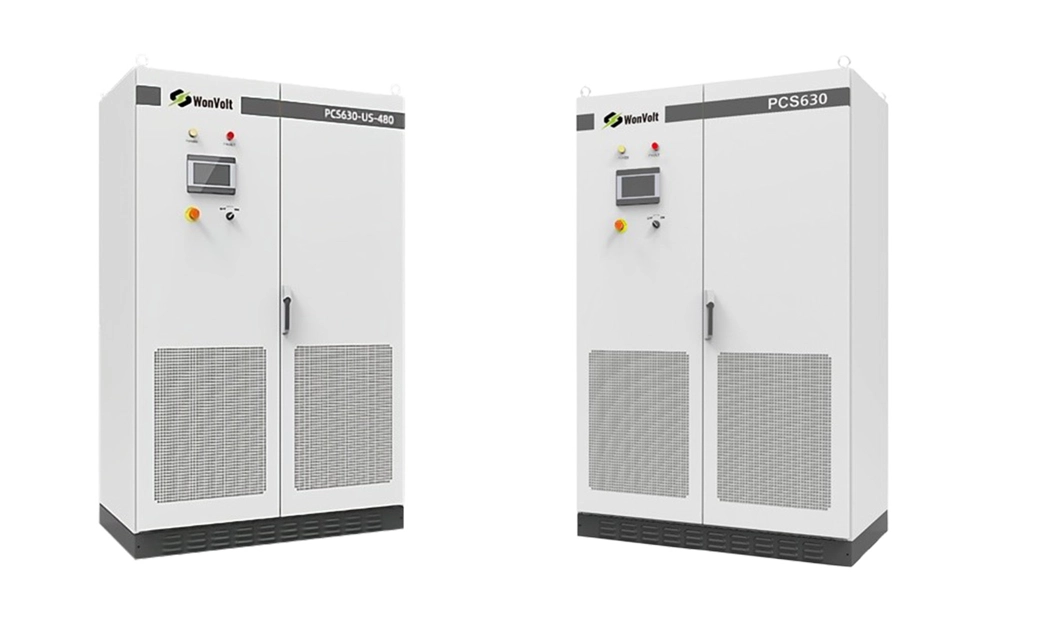
ما هي محولات البطارية ثنائية الاتجاه
تغير المحولات ثنائية الاتجاه طريقة التعامل مع الطاقة ، والتي تسمح بالتغيير في اتجاهين بين إعداد البطارية والشبكة أو الأجهزة المحلية. على عكس المحولات في اتجاه واحد ، فهي تعمل مع روابط الشبكة وأوضاع خارج الشبكة. وهذا يجعلها مفتاحية لتغيير بقع الطاقة.
الوظائف الأساسية لمحول البطارية ثنائي الاتجاه
يتيح محول ثنائي الاتجاه تحول الطاقة في اتجاهين بين البطاريات والشبكة أو الحمولة. يتعامل محول تخزين الطاقة مع التغيير في اتجاهين والتحكم الذكي في الطاقة. إنه يحول طاقة DC إلى طاقة AC ، كما يحول طاقة AC إلى طاقة DC للتخزين. هذه المهارة ثنائية الاتجاه تساعد المهام الرئيسية مثل قطع ذروة، تحرك الحمل، والشبكة ثابتة. بالإضافة إلى ذلك، تساعد هذه المحولات على ربط الطاقة المتجددة مع روابط EMS / BMS الذكية. تحسين العمل في الوقت الحقيقي.
المكونات الرئيسية والهندسة المعمارية التقنية
يحتوي الإعداد القياسي للمحول ثنائي الاتجاه على أنظمة تغيير الطاقة (PCS) ، وأجزاء التحكم الرقمي ، وموانئ الرابط. يتضمن PCS بشكل رئيسي أجزاء مثل التغيير إلى DC ، والتغيير إلى AC ، وتحول DC / DC. جزء المحول هو قطعة واحدة فقط. أجزاء IGBT قوية تعطي عمل التبديل السريع. يسمح التحكم القائم على DSP بتعديل دقيق. إعدادات التحكم في الحرارة الجيدة مثل المروحة أو البرد السائل تعزيز ثقة العمل.
الاختلافات بين المحولات أحادية الاتجاه وثنائية الاتجاه
ترسل محولات الاتجاه الواحد الطاقة المخزنة فقط إلى أجهزة التيار المتغير أو الشبكة. ولكن الأنواع ذات الاتجاهين تسمح لك بشحن البطاريات من الشبكة أو الكهروضوئية. كما يسمح لك بإرجاعها عند الحاجة. هذا يضيف مهارة الشبكة في إعدادات الشبكة الصغيرة. يوفر المزيد من الانحناء للتعامل مع الطاقة من العديد من المصادر. يربط PCS الألواح الشمسية الكهروضوئية وشبكة الطاقة. إنه يحول الطاقة المترددة من الشبكة إلى الطاقة المستمرة لشحن بطاريات التخزين.
تطبيقات محولات البطارية ثنائية الاتجاه في أنظمة الطاقة
المحولات ثنائية الاتجاه تناسب العديد من الاستخدامات. وتتراوح هذه من التحكم في الذروة في المحطات إلى الاستقرار في الشبكات الرئيسية. اختر أفضل إعداد بناء على حجم عملك واحتياجاتك.
حلول تخزين الطاقة الصناعية والتجارية
مصانع ومواقع الأعمال تستفيد من نوعية الطاقة الأفضل. يقللون رسوم الطلب ويحصلون على طاقة احتياطية متأكدة. الحقول الثقيلة الطاقة مثل صناعة ومراكز البيانات تستخدم محولات البطارية ثنائية الاتجاه. إنهم يحركون الحمولات في أوقات ذروة الأسعار. أو يعطون العمل بدون توقف في حالات انقطاع. إن 100KW-630KW محول البطارية ثنائي الاتجاه سلسلة تناسب هذه القضايا المصنع. لديها نمو جزئي وسهولة التحولات من الشبكة إلى خارج الشبكة.
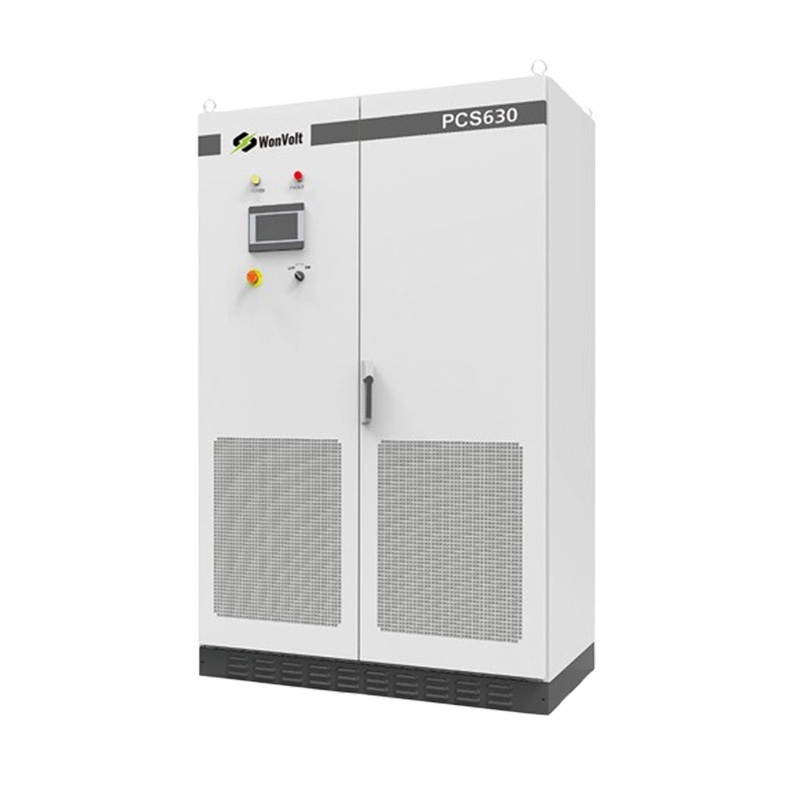
تكامل تخزين الطاقة على نطاق المرافق
في استخدامات الشبكة الكبيرة ، تعطي المحولات ثنائية الاتجاه التحكم في التردد ومساعدة الجهد والاحتياطيات الجاهزة. هذه المهام أساسية لإضافة مصادر متجددة متغيرة مثل الطاقة الشمسية والرياح إلى الشبكة الرئيسية. 100KW-1MW بطارية محول ثنائي الاتجاه نموذج يناسب هذه الإعدادات عالية الطاقة، والتي لديها مطابقة UL و EMS تناسب.
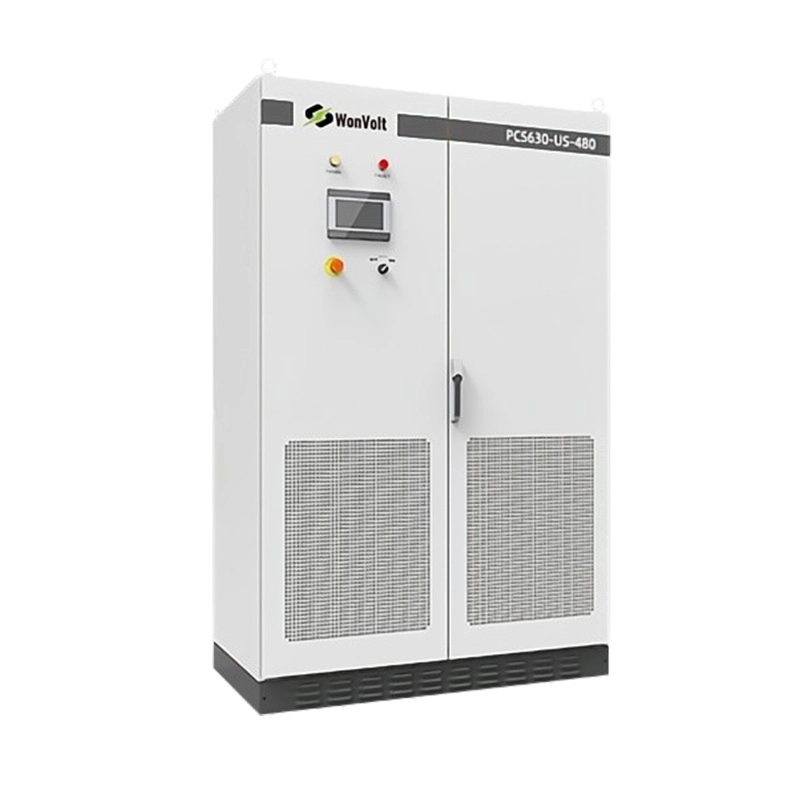
تحسين النظام للشبكات الصغيرة وخارج الشبكة
في النقاط البعيدة أو العمل القطع حيث يكون رابط الشبكة ضعيفًا أو قد اختفى ، تقوم محولات البطارية ثنائية الاتجاه بإعدادات الطاقة ذاتية التشغيل. يمكنك التعامل مع مصادر الانتشار مثل الطاقة الكهروضوئية أو الرياح مع أجزاء التخزين. هذا يحافظ على الجهد الثابت والتردد تحت تغيير الأحمال. مع المهام مثل التحول التلقائي بين الحالات على الشبكة / خارج الشبكة ، تناسب هذه الإعدادات البناء الهجين الصعب. إنهم يتبدلون بسلاسة في ≤10ms في فقدان الشبكة.
المواصفات التقنية لسلسلة محولات ثنائية الاتجاه WonVolt
تم تصميم سلسلة WonVolt PCS لقواعد السلامة الأخيرة والعمل مع أدوات EMS الحالية في المواقع العالمية.
نظرة عامة على ميزات سلسلة PCS100-630
مع خيارات الطاقة من 100KW إلى 630KW ، تتيح هذه السلسلة ربط ما يصل إلى أربع وحدات لمزيد من الطاقة. وظيفة التكرار: تفشل وحدة واحدة ، وتواصل الوحدات الأخرى العمل. أقصى كفاءة: تصل إلى 98.50٪. تشمل قواعد الرابط RS485 و CAN لربط EMS / BMS السهل.
أبرز الأداء من نموذج PCS100-1000-US
يستهدف أسواق أمريكا الشمالية مع شهادة UL1741 ، يغطي هذا النموذج حالات 100KW إلى 1MW. لديها ميزات مثل ± 1٪ التحكم الحالي / الجهد الدقيق، التحول التلقائي بين تشغيل / إيقاف الشبكة كخيار، وحرس البرق من النوع الثاني. طريقة التبريد: الهواء القسري؛ ماكس. كفاءة تصل إلى 99.00٪.
معايير الكفاءة والموثوقية والامتثال للشبكة
جميع النماذج تلبي قواعد السلامة IEC / UL بما في ذلك IEEE 1547 لربط الشبكة. طرق الحراسة المدمجة: الجهد الزائد ، التيار الزائد ، فحص العزل. تتراوح درجة حرارة العمل من -25 درجة مئوية إلى 55 درجة مئوية مع قطع فوق ارتفاع 3000 متر.
اختيار المحول ثنائي الاتجاه المناسب لاحتياجات مشروعك
اختر المحول الصحيح بناء على عملك’ s تشغيل شكل وإعداد القاعدة. مطابقة التفاصيل التقنية مع أهداف المشروع لإعداد جيد.
العوامل التي يجب مراعاتها: تقييم الطاقة، مقياس التطبيق، متطلبات الشبكة
أولا، تحقق من موقعك’ احتياجات الحمل العليا ، وقت النسخ الاحتياطي المطلوب ، ومستوى الرابط مع الطاقات المتجددة. فكر في الأماكن الداخلية مقابل الأماكن الخارجية. هذا يؤثر على الإعدادات الباردة ومستويات حراسة IP. تصف تفاصيل المحول مع قواعد الشبكة المحلية مثل IEEE 1547 أو UL1741 لمطابقة القاعدة.
مقارنة نماذج المنتجات بناء على سيناريوهات حالة الاستخدام
تناسب PCS100-630 إذا كنت تريد توفير المساحة مع خيارات إعداد مصنع الانحناء. لمزيد من الحاجة إلى الطاقة مثل المزارع الشمسية أو محطات الشبكة بموجب القواعد الأمريكية ، يعطي PCS100-1000-US العمل الكامل مع ميزات القواعد المدمجة.
موازية وحدات متعددة: موازية ما يصل إلى 4 وحدات لتوسيع قدرة النظام. يدعم كلا النموذجين التكامل في الوقت الحقيقي مع EMS من خلال بروتوكولات RS485 / CAN.
الاستفادة من خدمات الدعم الهندسي لـ WonVolt
كل حل صممته WonVolt فريد من نوعه! WonVolt يعطي مهندس ما قبل البيع مساعدة في الموقع للتحقق الفوري قبل التصميم. هذا يضمن أن كل حل يناسب احتياجات العملاء بشكل صحيح. تشمل مساعدة ما بعد البيع تدريب الإعداد والتحقق عن بعد عن طريق أدوات السحابة. يضمن نجاح العمل على المدى الطويل.
أسئلة متكررة
س1: ما الذي يميز المحول ثنائي الاتجاه عن المحول التقليدي في اتجاه واحد؟
ج: يمكن للمحول التقليدي تحويل DC إلى AC فقط. يتيح محول ثنائي الاتجاه كل من الشحن (AC إلى DC) والتفريغ (DC إلى AC) ، مما يسمح بإدارة الطاقة الديناميكية.
Q2: يمكن استخدام محولات البطارية ثنائية الاتجاه بدون الألواح الشمسية؟
ج: نعم. يمكن أن تعمل فقط مع أنظمة تخزين البطارية التي يتم شحنها من الشبكة أو مصادر أخرى لأغراض النسخ الاحتياطي أو الحلاقة القصوى.
Q3: هل هذه المحولات متوافقة مع جميع كيمياء البطارية؟
ج: يجب التحقق من التوافق على أساس كل حالة على حدة. يجب تركيب نظام البطارية مع محول متوافق. إذا كنت تريد استخدام أي محول علامة تجارية أخرى، يرجى التحقق من WonVolt للتأكد من أنها متوافقة مسبقا.
س4: ما هي ميزات الحماية التي يجب أن أتوقعها من محول عالي الجودة؟
ج: ابحث عن حماية الجهد الزائد / التيار الزائد ، ومراقبة العزل ، وأنظمة تنظيم درجة الحرارة ، وآليات قمع الحرائق ، والالتزام بمعايير IEC / UL.