


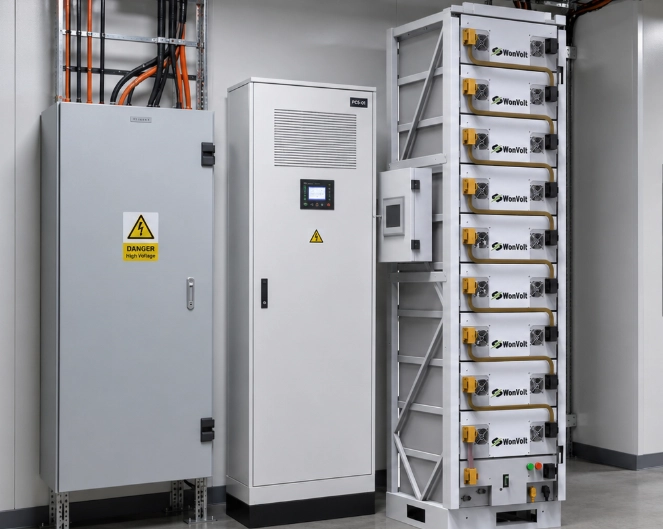
Кластер літієвих акумуляторів з розрядом 1C допомагає вашій системі накопичення енергії виробляти накопичену енергію з практичною швидкістю. Окрім ємності акумулятора, для комерційних будівель, заводів, систем сонячної енергії з накопиченням енергії та систем резервного живлення вирішальне значення має також потужність розряду. Це означає, що акумулятор повинен не тільки накопичувати енергію, але й вчасно її вивільняти, коли це необхідно, наприклад, у разі збільшення споживання, нестабільності мережі або збою виробництва сонячної енергії. Тому при порівнянні систем накопичення енергії важливий не лише сам акумулятор, але й хімічний склад, управління температурою, зв'язок, а також відповідність окремих компонентів системи.
Що означає розряд 1C для вашої системи накопичення енергії?
Щоб вибрати кластер літієвих акумуляторів, вам потрібно перевірити, чи має він достатню енергетичну ємність та потужність для вашого застосування. Акумулятор з номінальним струмом розряду 1C розрядиться до номінальної енергетичної ємності протягом однієї години за нормальних умов експлуатації. Наприклад, кластер літієвих акумуляторів ємністю 50 кВт·год підтримуватиме потужність розряду до 50 кВт за відповідної конфігурації системи.
Швидша подача живлення при збільшенні навантаження
Якщо на вашому об'єкті багато короткочасних піків споживання електроенергії, низький коефіцієнт розряду може означати, що ви не зможете використовувати стільки накопиченої енергії, скільки хотілося б. Кластер літієвих акумуляторів з номіналом розряду 1C забезпечує підвищену вихідну здатність, що дозволяє вашій системі швидко реагувати на піки споживання, спричинені ліфтами, насосами, повітряними компресорами, зарядним обладнанням, навантаженнями систем опалення, вентиляції та кондиціонування повітря та виробничим обладнанням.
Це важливо, оскільки багато клієнтів купують накопичувачі енергії не лише для «зберігання енергії». Ви купуєте їх, щоб зменшити пікове навантаження, захистити ключові навантаження та підвищити гнучкість використання енергії. Система 1C надає вашій збереженій енергії більшої практичної цінності під час реальної експлуатації.
Кращий баланс між ємністю та потужністю
Акумулятор з великою ємністю, але слабкою вихідною потужністю, може виглядати привабливо на папері, але він може не вирішити вашу проблему попиту. Конструкція розряду 1C допомагає узгодити ємність та потужність. Ви можете підібрати розмір системи відповідно до фактичної кривої навантаження, замість того, щоб завищувати розмір акумулятора лише для задоволення короткострокових потреб у вихідній потужності.
Для проектів у діапазоні від 30 кВт·год до 100 кВт·год досягається ідеальний баланс між компактним дизайном для комерційного та промислового застосування та достатньою потужністю для щоденного зменшення пікового навантаження, високим власним споживанням сонячної енергії та аварійним резервним живленням.
Чому кластер літієвих батарей покращує продуктивність системи?
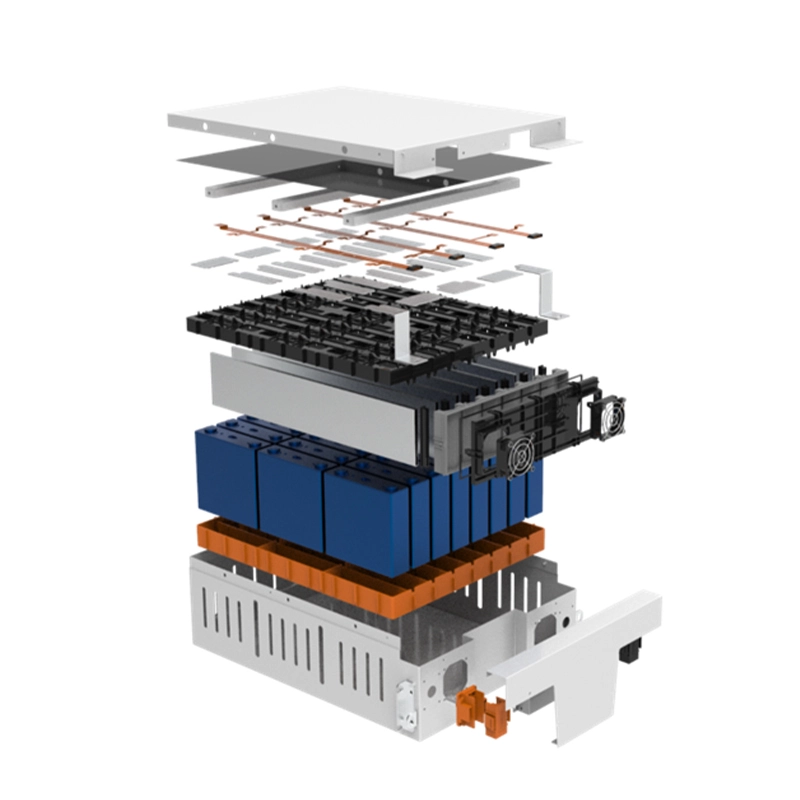
Кластер акумуляторів – це не просто стек акумуляторних модулів. Це керований енергетичний блок, який поєднує акумуляторні елементи, керування BMS, зв'язок, логіку захисту та теплову конструкцію. Коли ці частини працюють разом, ваша система накопичення енергії стає легшою в масштабуванні, безпечнішою в експлуатації та стабільнішою за різних навантажень.
Модульна ємність для гнучкого проектування
Модульний кластер літієвих батарей дозволяє вам підібрати ємність зберігання до вашого об'єкта, замість того, щоб змушувати його адаптуватися до фіксованого розміру шафи. Це допомагає, коли ваш проект починається з помірного навантаження, але пізніше може розширюватися. Ви можете планувати щоденне зниження витрат на електроенергію зараз і залишити місце для майбутнього розширення фотоелектричних систем, додаткового обладнання або тривалішого часу резервного живлення.
У 30-100kWh літієва батарея кластер 1C розряд підходить для такого типу поетапного планування проектів. Він підтримує комерційне та промислове накопичення енергії, де потрібен практичний діапазон ємності, надійна продуктивність розряду та легша системна інтеграція.
Вища напруга для кращої ефективності системи
Для високовольтних накопичувачів енергії вища робоча напруга призводить до менших струмів за тієї ж потужності. Менші струми означають, що на кабелі чиниться менше навантаження, а також менше нагрівання та непотрібних втрат у системі, якщо система спроектована належним чином. Акумуляторні батареї вищої напруги зазвичай використовуються в комерційних та промислових цілях.
Це означає, що кластер акумуляторів може працювати ще ефективніше з інвертором та системою керування живленням. Наша чиста системна архітектура також є великим плюсом, особливо якщо вихідна потужність системи має бути стабільною, а акумулятор піддається частим циклам заряджання/розряджання.
Розумна система управління будівлями (BMS) для безпечнішого управління кластерами
Кластер літієвих акумуляторів повинен керувати напругою, струмом, температурою, станом заряду (SOC) та логікою захисту в режимі реального часу. Система управління будівництвом (BMS) допомагає запобігти перевантаженню по струму, перенапрузі, короткому замиканню, зниженню напруги та іншим аномальним умовам. Вона також підтримує зв'язок з інвертором, що дозволяє точніше контролювати заряджання та розряджання.
Це важливо для клієнтів, які занепокоєні безпекою. Потужний кластер акумуляторів – це не лише висока потужність. Він також повинен безпечно контролювати вихідну потужність за змін навантаження, температури та умов мережі.
Де найкраще підходить кластер акумуляторів 1C потужністю 30-100 кВт·год?
Невеликі застосування не обов'язково мають бути маленькими батареями. Наш стандартний кластер літієвих батарей складається з літієвих батарей ємністю від 30 до 100 кВт·год. Така велика батарея в невеликому корпусі може забезпечити швидку окупність інвестицій, має невеликі габарити та призначена для щоденної експлуатації в різних сферах застосування, включаючи невеликі заводи, магазини, ферми, офіси, для заряджання транспортних засобів, як джерело живлення для телекомунікаційних об'єктів та для систем зберігання сонячної енергії Solar Plus.
WonVolt була заснована у 2016 році та спеціалізується на промислових та комерційних рішеннях для зберігання енергії. Компанія має два заводи в Хефеї, Китай, сонячні панелі потужністю 1,2 ГВт та літієві акумулятори потужністю 2,5 ГВт·год. Її асортимент продукції охоплює сонячні панелі, контейнерні BESS, літієві акумулятори з рідинним охолодженням, інтелектуальні літієві акумулятори з повітряним охолодженням та акумулятори для проектів різного розміру.
Комерційні будівлі
Для офісних будівель, готелів, торгових приміщень та об'єктів обслуговування попит на електроенергію часто зростає в робочі години. Кластер розрядних акумуляторів 1C може накопичувати електроенергію в періоди з меншими витратами або від сонячної енергії, а потім вивільняти її, коли попит досягає піку.
Це допомагає вам зменшити витрати на електроенергію, покращити власне споживання та підтримувати ключові навантаження під час нестабільності мережі. У цьому сценарії, промислові та комерційні рішення для зберігання енергії може бути розроблений з урахуванням вашого профілю навантаження, доступного простору та цільового часу резервного копіювання.
Заводи та промислові об'єкти
На заводах можуть бути двигуни, компресори, виробничі лінії та інше обладнання з різкими змінами навантаження. Якщо система накопичення енергії не може розряджатися достатньо швидко, вона може не зможе ефективно знизити пікове навантаження.
Кластер літієвих батарей з розрядом 1C забезпечує вашій системі потужнішу короткочасну вихідну потужність. Він може підтримувати зменшення пікових навантажень, реагування на навантаження та резервне копіювання для вибраних навантажень. Це також допомагає уникнути непотрібного перевищення потужності, коли вашим головним завданням є як вихідна потужність, так і корисна ємність.
Проекти Solar Plus Storage
Фотоелектричні системи генерують електроенергію постійного струму вдень, але багато користувачів споживають більше енергії вранці, ввечері або під час пікових навантажень. Акумулювання енергії допомагає перерозподілити сонячну енергію на той час, коли вона вам потрібна.
Кластер акумуляторів на 1C покращує цю відповідність. Він накопичує сонячну енергію, а потім швидко розряджається, коли сонячна енергія падає або навантаження зростає. Якщо ваш проект передбачає масштабніше розгортання сонячних батарей або майбутнє розширення, рішення для енергетики комунального господарства Планування може допомогти узгодити виробництво фотоелектричних батарей, ємність акумуляторів, потужність інвертора та потреби в підключенні до мережі.
Як 1C Discharge підтримує пікове гоління та резервне живлення?
Клієнти часто ставлять одне ключове питання: чи дійсно акумулятор знизить витрати та захистить роботу? Відповідь залежить від того, наскільки добре потужність розряду, ємність, номінальний показник інвертора та стратегія керування відповідають вашому навантаженню. Кластер 1C забезпечує більше корисної потужності з того ж класу ємності, що робить систему більш корисною в реальних умовах експлуатації.
Зменшення піків з більшою корисною потужністю
Функція «Зменшення пікового навантаження» працює, коли акумулятор розряджається під час періодів високого навантаження або високого навантаження. Якщо вихідний сигнал акумулятора занадто слабкий, він може покрити лише невелику частину пікового навантаження. Система розряду 1C може швидше вивільняти енергію, тому вона може покривати сильніші піки навантаження.
Наприклад, комерційний об'єкт може використовувати накопичену енергію під час коротких щоденних піків замість того, щоб отримувати всю електроенергію з мережі. Це може зменшити витрати на електроенергію на ринках, де пікове навантаження впливає на рахунок за електроенергію.
Резервне живлення зі швидшим реагуванням
Резервне живлення залежить не лише від того, скільки годин може працювати акумулятор. Також важливо, чи зможе акумулятор витримати необхідне навантаження в той момент, коли це необхідно. Конструкція розряду 1C допомагає підтримувати ключові навантаження з більшою вихідною потужністю.
Вам все ще потрібне належне проектування системи. Критичні навантаження слід вибирати чітко. Інвертор, захисні пристрої та кластер батарей повинні узгоджуватися. Завдяки правильному проектуванню кластер 1C може покращити безперервність живлення обладнання, яке не переносить раптових перебоїв.
Сонячне власне споживання енергії з кращим вибором часу
Власне споживання сонячної енергії покращується, коли ви накопичуєте надлишкову фотоелектричну енергію та використовуєте її пізніше. Акумулятор з повільним розрядом може не покривати вечірнє або пікове навантаження. Кластер акумуляторів 1C може вивільняти накопичену сонячну енергію зі швидкістю, ближчою до реального навантаження.
Це підвищує цінність фотоелектричної системи та зменшує втрату сонячної енергії. Це також підтримує використання чистішої енергії для комерційних та промислових об'єктів.
Що слід перевірити перед вибором кластера літієвих акумуляторів 1C?
Висока швидкість розряду є цінною, але вона не повинна бути єдиним фактором вибору. Вам слід перевірити хімічний склад акумулятора, термін служби, робочу температуру, метод охолодження, сумісність з інвертором, зв'язок, захист та післяпродажну підтримку. Ці деталі визначають, чи зможе система безпечно працювати протягом багатьох років.
Хімічний склад акумулятора та термін служби
Літій-залізо-фосфатні акумулятори широко використовуються для накопичення енергії, оскільки вони забезпечують високий рівень безпеки та тривалий термін служби. У згаданому класі продуктів використовуються літій-залізо-фосфатні елементи, інтелектуальне керування BMS та довготривала конструкція для комерційних та промислових потреб.
Також слід перевірити глибину розряду. Вищий коефіцієнт корисної енергії може підвищити цінність проекту, але довгостроковий термін служби залежить від правильної експлуатації, належної температури та захисту системи.
Термічний дизайн та місце встановлення
Температура впливає на продуктивність, термін служби та безпеку акумулятора. Кластер акумуляторів не слід встановлювати в погано провітрюваному або температурному приміщенні. Для внутрішніх високовольтних стійкових систем примусове повітряне охолодження або відповідне теплове проектування допомагають підтримувати стабільнішу роботу.
Перш ніж вибрати продукт, перевірте вентиляцію приміщення, температуру навколишнього середовища, зазори для шаф, конструкцію пожежної безпеки та доступ для обслуговування. Правильне планування встановлення може зменшити ризики, пов'язані з подальшою експлуатацією.
Сумісність інверторів та системний зв'язок
Кластер акумуляторів повинен працювати із сумісним інвертором. Зв'язок через CAN або пов'язані протоколи допомагає інвертору та BMS координувати заряджання, розряджання, сигналізацію та захист. Без належної сумісності система може обмежувати вихідну потужність, повідомляти про помилки або працювати небезпечно.
Перед покупкою перевірте модель інвертора, напругу системи, номінальну потужність, протокол зв'язку та налаштування захисту. Цей крок може уникнути дорогих затримок під час введення в експлуатацію.
Післяпродажна підтримка та введення в експлуатацію
Для закордонних енергетичних проектів післяпродажна підтримка є важливим питанням. WonVolt надає інженерну підтримку перед продажем для проведення польових досліджень перед проектуванням, допомагаючи рішення відповідати вимогам клієнта на об'єкті. Вона також може забезпечити післяпродажну інженерну підтримку для допомоги з встановленням, пусконалагоджувальними випробуваннями та технічним навчанням, коли це необхідно.
Для власників проектів це зменшує ризик придбання акумуляторного кластера, який виглядає правильно в кошторисі, але вийде з ладу під час реального встановлення.
Чому варто обрати WonVolt для проекту накопичення енергії розрядом 1C?
Вибір постачальника акумуляторів – це не лише технічний опис. Вам потрібні потужність продукту, інженерні здібності, системна інтеграція та оперативність обслуговування. WonVolt позиціонує себе як експерта з комплексних рішень для чистої енергії та обслуговує проекти у понад 90 країнах та регіонах.
Єдині можливості чистої енергії
WonVolt виробляє сонячні панелі, літієві батареї, контейнерні системи BESS, системи рідинного охолодження та інтелектуальні системи повітряного охолодження. Це допомагає вам знаходити відповідне обладнання від одного постачальника рішень, замість того, щоб керувати надто великою кількістю окремих постачальників.
Для проектів, що поєднують фотоелектричні системи, інвертори, кластери літієвих батарей та управління енергією, структура «єдиного вікна» може зменшити витрати на зв'язок та покращити узгодження системи.
Проектування до та після встановлення
Гарний проект накопичення енергії починається ще до того, як продукт прибуде на об'єкт. Вам потрібні огляд місця, аналіз навантаження, узгодження генерації фотоелектричних систем, схема встановлення, планування кабелів та керівництво з введення в експлуатацію. Інженерна підтримка WonVolt може допомогти перетворити вибір продукту на працездатний план проекту.
Коли ви будете готові перевірити конфігурацію системи, обсяг проекту та деталі комерційної пропозиції, ви можете контакт WonVolt для отримання підтримки на основі фактичних умов вашого об'єкта.
Масштабований асортимент продукції для майбутнього розширення
Ваші потреби в енергії можуть зрости. Розрядний кластер 1C потужністю від 30 до 100 кВт·год може задовольнити поточні комерційні потреби, тоді як більші шафи та контейнерні BESS можуть забезпечити майбутнє розширення. Це допомагає вам побудувати системний шлях від невеликих сховищ C&I до більших проектів накопичення енергії без зміни всієї логіки планування.
Часто задані питання
Q1: Що означає розряд 1C у кластері літієвих акумуляторів?
A: Розряд 1C означає, що акумулятор може розрядитися на свою номінальну ємність приблизно за одну годину за відповідних умов експлуатації. Наприклад, кластер потужністю 60 кВт·год може підтримувати вихідну потужність близько 60 кВт, якщо інвертор та конструкція системи відповідають вимогам.
Q2: Чи кращий кластер акумуляторів з розрядом 1C для зменшення пікових навантажень?
В: Так. Кластер акумуляторів з розрядом 1C може швидше вивільняти накопичену енергію, тому він може покривати вищі короткочасні навантаження та ефективніше знижувати пікове навантаження, ніж акумулятор з меншою потужністю та аналогічною ємністю.
Q3: Чи може кластер літієвих акумуляторів потужністю 30-100 кВт·год працювати із сонячними панелями?
В: Так. Він може накопичувати надлишок сонячної енергії протягом годин генерації та розряджати її, коли навантаження зростає або сонячна потужність падає. Це покращує власне споживання сонячної енергії та зменшує залежність від електроенергії з мережі.