


Якщо ви управляєте заводом, комерційним парком або навіть віддаленою телекомунікаційною станцією, ви, ймовірно, відчували біль від відключень електроенергії або божевільних високих пікових тарифів. Саме сонце допомагає, але хмари завжди приходять, і ніч завжди приходить. Саме тут входить гібридне зберігання енергії. Це не магія. Це просто розумне обладнання та програмне забезпечення, що працюють разом, так що ви отримуєте стабільну енергію 24/7, не опираючись занадто сильно на мережу або дизельний генератор.
У WonVoltМи створюємо ці системи для промислових та комерційних клієнтів з 2016 року. Два заводи в Хефеї, 1,2 ГВт панелей і 2,5 ГВт/год батарей на рік. Все під одним дахом, від панелей N-типу TOPCon до контейнерних акумуляторів.
Що робить гібридне зберігання енергії ідеальним для сучасних проектів?
Коротка відповідь: вона вирішує два найбільших головних болі відновлюваної енергії - перериви та вартість.
Безшовна інтеграція відновлюваних джерел енергії та батарей
Гібридна система - це в основному сонячні панелі, розумний інвертор і літієві батареї, які розмовляють один з одним в режимі реального часу. Коли сонце сильне, панелі спочатку подають навантаження, а потім заряджують батареї. Коли сонце зникає, батареї тихо запускаються. Без ручного перемикання, без дизельного шуму.
Інтелектуальне управління енергією для максимальної ефективності
Більшість сайтів мають дешеві пікові ставки і жорстокі пікові ставки. Мозок системи (ми називаємо її EMS) спостерігає за годинником і вашою кривою навантаження. Він навмисно заряджує батареї, коли електроенергія дешева, і розряджується під час дорогого вденьнього вікна. Багато наших клієнтів отримують 30-50% знижки на свої витрати на попит тільки за допомогою цього трюку.
Масштабовані рішення, адаптовані до промислових потреб
Почніть маленьким, зростіть пізніше. Гібридна лінійка WonVolt починається з 50 кВт і проходить понад 500 кВт без зміни базової конструкції. Ті ж панелі, ті ж модулі батареї, те ж програмне забезпечення. Це робить запчастини простими і майбутнє розширення безболісним.
Як працює гібридна система сонячного входу?
Слідкуємо за електронами від даху до батареї і назад.
Фотоелектричні панелі, що перетворюють сонячне світло на енергію
Наші панелі - це 72-клітинна двостороння N-типова серія TOPCon (580-605 Вт кожна). Двіобличчя означає, що вони також отримують світло, відображене від землі - до 25% додаткової продуктивності на дахах білого фарбу або яскравому гравію. Реальні проекти в Північній Африці та Південно-Східній Азії регулярно досягають на 10-15% більше кВт/год, ніж односторонні установки.
Поток безпосереднього струму в інвертор та зберігання
Панелі виплювають DC. Гібридний інвертор (зазвичай 100-500 кВт в наших системах) вирішує секунду за секундою, куди йде постійний струм: прямо до ваших заводських машин, до акумуляторів або, якщо все повне, назад до мережі для отримання кредиту.
Панелі WonVolt N-Type TOPCon підвищують продуктивність
Нижчий температурний коефіцієнт (-0,28 %/°C) і майже ніякої деградації LID або PID. У гарячих місцях, таких як Раджастан або Аризона, ці панелі продовжують отримувати енергію, коли старі панелі PERC вже здалися на день.
Яку роль відіграє акумулятор в гібридних операціях?
Батареї – невідомий герой. Вони перетворюють «нормальну» сонячну систему на солідну електростанцію.
Літій-іонні клітини, що зберігають надмірну сонячну енергію
Ми упаковуємо клітини LFP в контейнери з повітряним або рідинним охолодженням. LFP, тому що він не легко запалюється і триває 6000 циклів при 80% Міністерства оборони. Пакет 201 кВт/год може забезпечити повну потужність протягом двох годин, достатньо, щоб проїхати через вечірній пік або хмарний чар.
Цикли розряду, що підтримують незалежність мережі
Коли мережа вийде з ладу (і вона вийде з ладу), система закривається менш ніж за 10 мс. Ваша виробнича лінія навіть не помічає. Ми бачили, як текстильні фабрики в Пакистані і холодильні склади в В'єтнамі працюють протягом декількох днів на гібридних машинах під час перебоїв.
Контейнерний BESS WonVolt для надійного резервного копіювання
Все - батареї, BMS, пожежогасіння, HVAC - живе в 20-футовій або 40-футовій коробці. Плюг і грай. Витягніть його з вантажівки, підключіть три кабелі, і ви готові. Ось чому їх люблять інсталятори.
Як гібридні системи управління оптимізують реальний потік енергії?
Апарат - це лише половина історії. Програмне забезпечення - це те, що заробляє гроші.
Алгоритми MPPT, що максимізують збір енергії
Кожен рядок панелей має свій власний канал MPPT. Шлях на один ряд? Проблеми немає - решта залишається на відстані.
Двупокійні інвертори, що дозволяють безперервне перемикання
Заряджуйте батареї з сонячної енергії вранці, заряджуйте їх з мережі опівночі, якщо тарифи низькі, поверніть енергію назад до мережі, якщо ваша місцева комунальна компанія платить гідні тарифи на подачу. Одна коробка робить все.
Моніторинг програмного забезпечення для прогнозного обслуговування
Ви отримуєте веб-портал і телефонний додаток. Дивіться стан заряду, виявити теплу клітину, перш ніж вона стане проблемою, запланувати обслуговування, коли це насправді має сенс, а не тільки тому, що календар так говорить.
Чому вибрати гібридні системи WonVolt для вашого проекту?
Ми не просто доставляємо коробки. Ми пропонуємо рішення, які платять самі за себе.
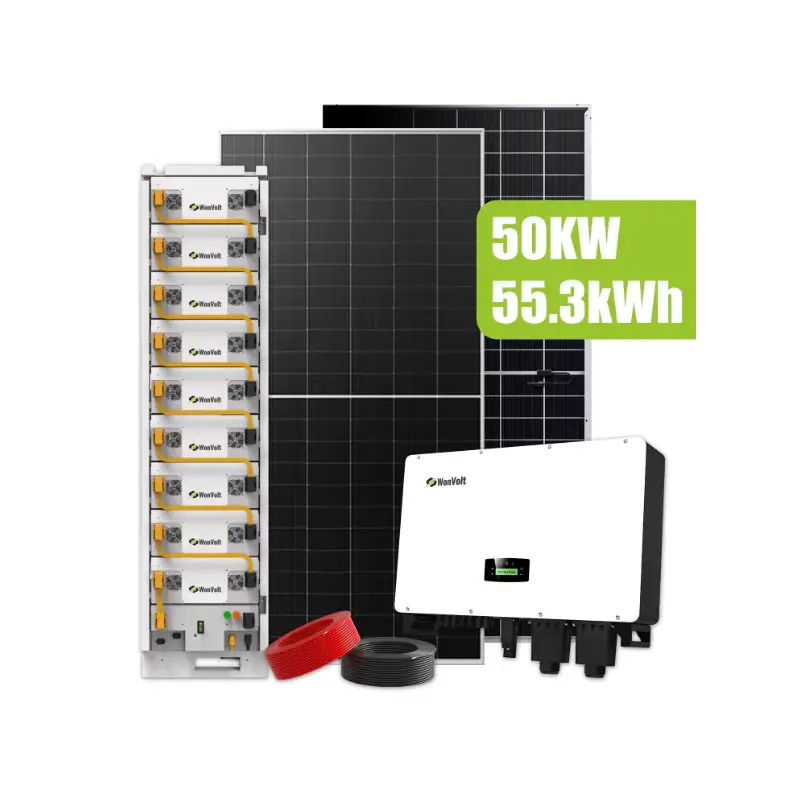
50 кВт 55,3 кВт/год–100 кВт/год Система Маломасштабна ефективність
Ідеально підходить для сільських стільникових веж, невеликих заводів або курортів. Віддача зазвичай менше чотирьох років навіть в районах з помірним сонцем.
100 кВт 201 кВт год Система Балансування витрат і потужностей
Наше солодке місце. Сотні встановлені по всій Південно-Східній Азії та Близькому Сході. Дає вам близько чотирьох годин повного резерву і серйозного піку голення м'язів.
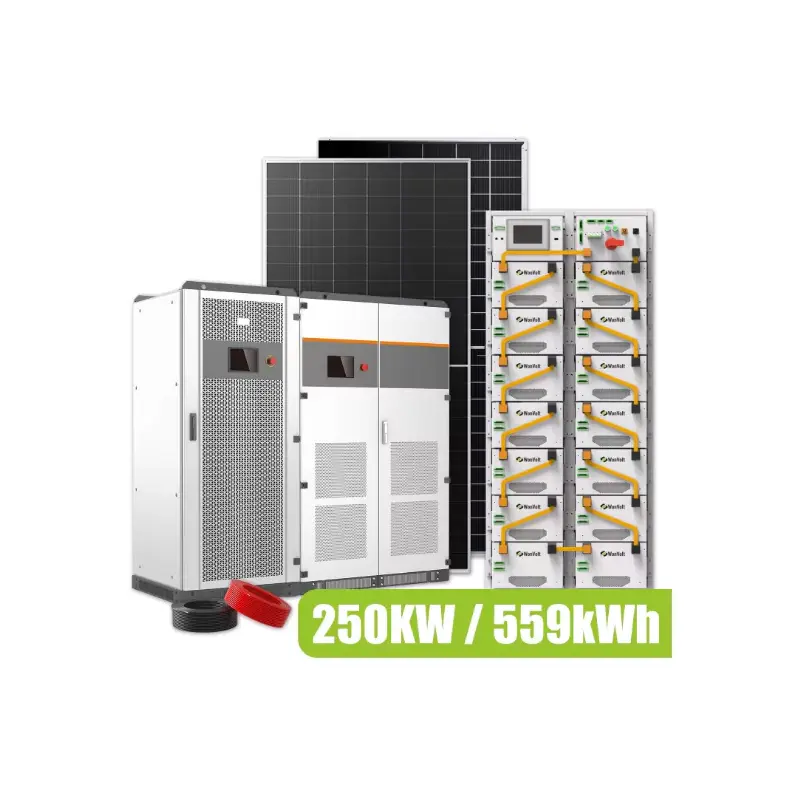
150 кВт–500 кВт Система Подача енергії великим промисловим об'єктам
Текстильні парки, центри обробки даних, цементні заводи - ці звіри працюють на 500-2000 кВт-год батареї і підтримують мегаватти, що потікають день і ніч. Всі три продукти мають однакові основні специфікації: сертифіковані IEC панелі, сертифіковані CE батареї, 12-річна гарантія модуля та 30-річна лінійна гарантія потужності (підтримка 87,4% продуктивності навіть після трьох десятиліть використання). Це не маркетинговий трюк, а солідні ринкові дані.
Якщо ви втомилися від рахунків за електроенергію, які виглядають як номери телефонів або рахунки за дизельне паливо, які прибувають щотижня, гібридна система, ймовірно, є наступним логічним кроком. Напишіть нам повідомлення. Ми проведемо швидкий аналіз відтінювання та навантаження для вашого сайту.
Часто задані питання
П1: Скільки часу потрібно встановити гібридну систему WonVolt?
Відповідь: Більшість проектів потужністю 100-200 кВт запускаються протягом 4-6 тижнів від депозиту до введення в експлуатацію. Контейнерна конструкція зберігає цивільні роботи мінімальними.
Q2: Чи може система працювати повністю поза мережею?
Відповідь: Так. Багато наших африканських та островних клієнтів працюють на 100% без мережі з трохи додаткової батареї або невеликим резервним генератором протягом дощових тижнів.
Q3: Що буде, якщо я хочу подвоїти потужність за п'ять років?
Відповідь: Просто додайте ще один контейнер і ще кілька панелей. Існуючий інвертор та EMS автоматично розпізнають нове обладнання. Ніякого rip-and-replace.