



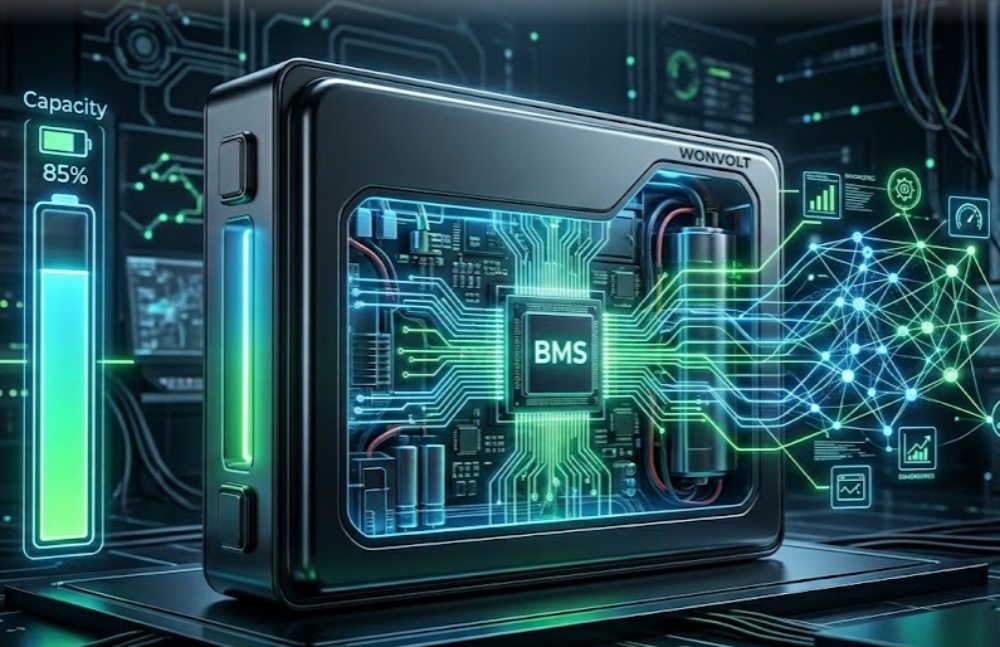
عند مقارنة بطاريات تخزين الطاقة الشمسية المختلفة المتوفرة في السوق، غالبًا ما يُلفت الانتباه أولًا إلى سعة البطاريات، المُقاسة بالكيلوواط/ساعة. على سبيل المثال، تبدو بطارية تخزين بسعة 15 كيلوواط/ساعة مثيرة للإعجاب. ولكن ما مقدار هذه السعة القابلة للاستخدام فعليًا؟ وما أقصى عمق يمكن تفريغه من البطارية؟ هل تتوافق العواكس مع البطارية؟ هل يعمل نظام موازنة الخلايا بشكل صحيح؟ وأخيرًا وليس آخرًا، ما هو العمر الافتراضي للبطارية؟ يمكن لنظام إدارة البطاريات الذكي تحويل بطارية تخزين بسيطة إلى مصدر طاقة قيّم. فهو يراقب الخلايا الفردية باستمرار، ويشحن البطارية ويفرغها بالطريقة المثلى، ويوفر البيانات اللازمة لبرنامج المراقبة ويُحدّثها، ويمنع الأخطاء الكبيرة التي قد تُقلل من عمر البطارية.
لماذا يُعد نظام إدارة المباني الذكي أكثر أهمية من السعة؟
حتى البطارية الكبيرة قد تُسبب خيبة أمل كبيرة عندما تتلف خلاياها بشكل غير متساوٍ، أو عندما يعجز نظام إدارة البطارية عن التواصل مع العاكس، أو عندما تنطفئ البطارية ببساطة تحت الحمل العالي. وهنا يأتي دور نظام إدارة البطارية - فهو بمثابة حلقة الوصل بين التركيب الكيميائي للبطارية والتشغيل الفعلي للموقع.
يحمي البطارية أثناء الشحن والتفريغ اليومي
يقوم نظام إدارة البطارية (BMS) في نظام تخزين الطاقة بمراقبة الجهد والتيار ودرجة الحرارة باستمرار. ويضمن هذا النظام أن تعمل كل خلية ضمن نطاق تشغيل محدد، كما يمنع التلف الناتج عن زيادة التيار، وزيادة الجهد، وقصر الدائرة، وانخفاض الجهد، والشحن الزائد، والتفريغ الزائد.
عمر دورة الشحن والتفريغ ليس مجرد رقم يُقرأ في المختبر، بل يشمل أيضاً عمق التفريغ، ودرجة الحرارة، ومعدل الشحن والتفريغ، ومادة البطارية، وطريقة استخدامها، وكلها عوامل مهمة لتحقيق أقصى استفادة من سعتها وتجنب أي مخاطر. مع نظام إدارة البطارية (BMS)، يمكنك التحكم في جميع هذه العوامل.
فهو يحافظ على توازن الخلايا
تتكون حزمة البطاريات من خلايا متعددة موصولة على التوالي والتوازي. قد تؤدي خلية ضعيفة واحدة إلى الحد من أداء الحزمة بأكملها. يعمل التوازن الذكي على تقليل تفاوت مستويات الشحن، ودعم خرج مستقر، وإبطاء تدهور الأداء.
بالنسبة للمشترين، هذا يعني تقليل المفاجآت بعد التركيب. أنت لا تشتري فقط سعة الأمبير/ساعة، بل تشتري ثبات الأداء.
ما الذي يجب أن تبحث عنه في بطارية نظام إدارة البطارية الذكي (BMS)؟
بمجرد تجاوز مسألة سعة البطارية المعلنة، تصبح قائمة التحقق من الشراء أكثر وضوحًا. عليك أن تسأل عن مقدار الطاقة التي يمكن استخدامها فعليًا، وكيفية تواصل البطارية، وكيفية توسيعها، وكيفية تعاملها مع مخاطر الموقع.
تحقق من الطاقة القابلة للاستخدام، وليس فقط الطاقة الاسمية.
إن 15kWh بطارية الليثيوم 51.2V 300Ah بطارية 48 فولت منخفضة الجهد توفر طاقة إجمالية قدرها 15.36 كيلوواط ساعة، منها 13.824 كيلوواط ساعة طاقة قابلة للاستخدام. وهذا مهم لأن الطاقة القابلة للاستخدام تعكس الجزء الذي يمكنك التخطيط له في التشغيل الفعلي.
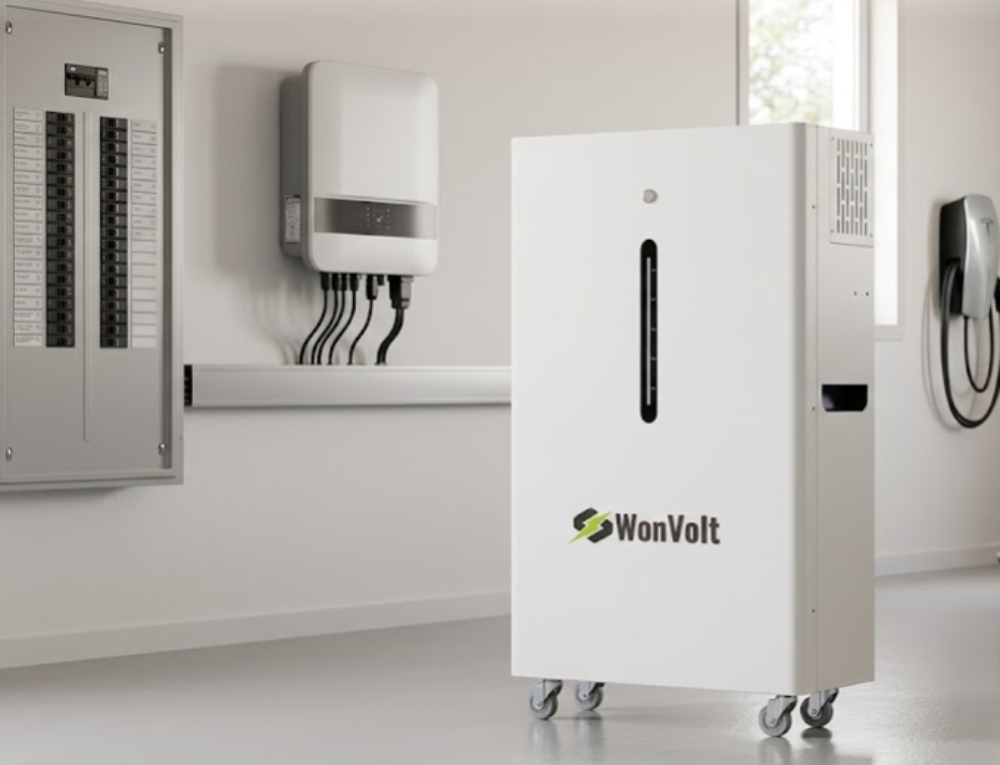
تساعدك نسبة تفريغ موصى بها تبلغ 90% على الحصول على طاقة عملية مع الحفاظ على عمر البطارية. إذا كانت سعة بطاريتين متقاربة، فإن البطارية ذات التحكم الأوضح في نسبة التفريغ وبيانات الطاقة القابلة للاستخدام تُعدّ أسهل في تحديد حجمها لتوفير الطاقة الاحتياطية الشمسية، والاستهلاك الذاتي، وتوزيع الأحمال.
تحقق من الاتصال ومطابقة العاكس
تُسبب البطارية التي لا تستطيع التواصل مع العاكس حالةً من عدم اليقين. وتساعد تقنيات الاتصال CAN وRS485 البطارية على تبادل بيانات الحالة مع النظام، مما يُحسّن تنسيق عملية الشحن والتفريغ.
بالنسبة لمشتري المشاريع، توفر التوافقية الوقت. صُمم المنتج ليتوافق مع مجموعة واسعة من أجهزة العاكس، ويدعم معيار الجهد المنخفض الذي يسهل تخزينه ونشره. يُعد هذا مفيدًا بشكل خاص عند إدارة مشاريع متنوعة، أو شبكات فنيي التركيب المحليين، أو عند تغير توافر أجهزة العاكس.
كيف يساهم نظام إدارة المباني الذكي في حل المشكلات الحقيقية التي يواجهها العملاء؟
عادةً ما تنشأ مخاوف العملاء من التشغيل اليومي. هل سيكون النظام آمنًا؟ هل سيعمل مع العاكس المُختار؟ هل يمكن توسيعه لاحقًا؟ هل ستظل البطارية تعمل بكفاءة بعد سنوات من الاستخدام؟ يُجيب نظام إدارة البطارية الذكي على هذه التساؤلات قبل أن تتحول إلى مشاكل في الخدمة.
نقطة الألم 1: مخاطر السلامة أثناء التشغيل
يجب أن تتحمل أنظمة تخزين الليثيوم الأحمال المتغيرة والظروف الجوية وسلوك المستخدم. تساعد حماية نظام إدارة البطارية الذكي (BMS) على تقليل المخاطر المرتبطة بالجهد والتيار ودرجة الحرارة وعدم توازن الخلايا. كما يوفر المنتج حماية ثلاثية للأجهزة وحماية للبطارية ضد التيار الزائد والجهد الزائد وقصر الدائرة وانخفاض الجهد.
تُضيف خلايا LFP طبقة أخرى من الثقة لأنها تُستخدم على نطاق واسع في تخزين الطاقة من أجل السلامة، وعمر الدورة الطويل، وأداء الشحن والتفريغ المستقر.
نقطة الألم 2: فقدان السعة بعد الاستخدام المتكرر
يُشير عمر الدورة إلى عدد دورات الشحن والتفريغ التي يمكن للبطارية إكمالها قبل أن تنخفض سعتها إلى مستوى مُحدد، غالبًا حوالي 80% في ظل ظروف مُعينة. ولهذا السبب، فإن السعة المعلنة غير كافية.
تُوفر البطارية ذات خلايا LFP الموثوقة، والتي تتحمل أكثر من 6000 دورة شحن، وعمرها الافتراضي الذي يتجاوز 15 عامًا، قيمةً أفضل على المدى الطويل مقارنةً بالبطارية الأرخص ذات الخلايا غير المتجانسة. في المشاريع التي تُعدّ فيها تكلفة الصيانة عاملاً هامًا، قد يكون هذا الأمر أكثر أهمية من فرق بسيط في السعر الأولي.
نقطة الضعف 3: التوسع المستقبلي
قد يرتفع استهلاكك للطاقة بعد التركيب. قد تضيف المزيد من الألواح الشمسية، أو تزيد الأحمال الليلية، أو توسّع موقعًا تجاريًا صغيرًا. وقد يصبح حجم البطارية الثابت مشكلة.
هذا بطارية ليثيوم ذكية منخفضة الجهد يدعم ما يصل إلى 16 وحدة بالتوازي. وهذا يمنحك مسارًا قابلاً للتوسع دون الحاجة إلى إعادة تصميم النظام بالكامل في البداية.
أين يمكن تركيب بطارية نظام إدارة البطارية الذكي (BMS) على أفضل وجه؟
تزداد أهمية الإدارة الذكية عندما يكون للموقع أحمال متغيرة، أو مدخلات شمسية، أو حاجة إلى نظام احتياطي. في هذه الحالات، يجب أن يعمل نظام إدارة المباني، والعاكس، ونظام إدارة الطاقة معًا.
تخزين الطاقة الشمسية السكنية
يمكن أن يكون لتخزين الطاقة المنزلية هدف واحد بسيط: تخزين الطاقة الشمسية خلال النهار، وتوفير الكهرباء في المساء، وتوفير طاقة احتياطية للأجهزة الحيوية عند انقطاع التيار الكهربائي. يُعد نظام بطاريات الجهد المنخفض 51.2 فولت و300 أمبير/ساعة خيارًا مثاليًا للعديد من أنظمة تخزين الطاقة المنزلية، نظرًا لسهولة إدارته مع توفيره كمية كافية من الطاقة الاحتياطية.
إن بطارية ليثيوم 15 كيلوواط ساعة لتخزين الطاقة الشمسية كما أنها مناسبة لظروف التشغيل الداخلية أو الخارجية، مما يسهل تخطيط وضع البطارية بناءً على تصميم المشروع.
تخزين الطاقة التجارية والصناعية
في تخزين الطاقة الصناعية والتجاريةيجب أن يدعم النظام الطاقة الاحتياطية، وتقليل ذروة الطلب، والاستهلاك الذاتي. تهتم هذه المواقع بتكلفة الطاقة، واستقرار الأحمال، والتشغيل الموثوق خلال ساعات الذروة.
يساعد نظام إدارة البطاريات الذكي على إبقاء حزمة البطاريات مرئية للنظام ككل. فهو يدعم اتخاذ قرارات شحن وتفريغ أكثر أمانًا، بينما يستطيع نظام إدارة الطاقة تنسيق احتياجات الطاقة الشمسية، وطاقة الشبكة، والتخزين، والشحن. ولذلك، غالبًا ما تكون ذكاء الإدارة أهم من مجرد زيادة السعة.
تخطيط تخزين الطاقة على نطاق أوسع
لـ تخزين على نطاق المرافقيتفاقم هذا المنطق مع ازدياد عدد الخلايا والوحدات ومعدات تحويل الطاقة، مما يُولّد متغيرات أكثر. لذا، يجب أن يوفر نظام إدارة البطارية بيانات دقيقة، ويحمي كل مجموعة بطاريات، ويدعم التشغيل المستقر.
حتى عند البدء ببطارية صغيرة ذات جهد منخفض، يساعدك هذا التفكير على اختيار الأفضل. ينبغي عليك البحث عن ميزات الاتصال والحماية وقابلية التوسع وبيانات الأداء الواضحة منذ البداية.
كيف تختار شريك البطارية المناسب؟
لا تُعدّ الأجهزة الجيدة سوى جزء واحد من مشروع التخزين. فأنت تحتاج أيضاً إلى دعم فني، واختيار المقاس المناسب، وإرشادات التركيب، وخدمة ما بعد البيع. وهنا تكمن التكاليف الخفية التي يواجهها العديد من المشترين.
اطلب الدعم الهندسي قبل وبعد التركيب
ينبغي أن تتضمن عملية المشروع الفعّالة دراسة الموقع قبل البدء بالتصميم، لأن كل مبنى، ونمط استهلاك الطاقة، وتصميم الطاقة الشمسية يختلف عن غيره. كما ينبغي أن تدعم هذه العملية التشغيل التجريبي، والاختبار، والتدريب الفني بعد التركيب.
بالنسبة للمشترين الذين يحتاجون إلى طاقة أنظف، وتكلفة أقل، وطاقة مستقرة، فإن الخيار الأمثل ليس البطارية الأكبر حجماً على الورق، بل البطارية الآمنة، والقابلة للتوسيع، والمتوافقة، والتي تتم إدارتها بواسطة نظام إدارة بطاريات ذكي. 15kWh بطارية الليثيوم 51.2V 300Ah بطارية 48 فولت منخفضة الجهد يتناسب هذا المنطق مع الجمع بين خلايا LFP، والتحكم الذكي في نظام إدارة البطارية، و90% من قيمة DOD الموصى بها، واتصال CAN/RS485، وما يصل إلى 16 وحدة متوازية.
للحصول على معلومات حول حجم المشروع أو التفاصيل الفنية، يمكنك اتصل بفريق الدعم الهندسي وقم بمطابقة خطة البطارية مع الحمل الفعلي والعاكس وبيئة التركيب.
أسئلة متكررة
س1: لماذا يعتبر نظام إدارة البطارية الذكي أكثر أهمية من سعة البطارية وحدها؟
ج: تُشير السعة إلى مقدار الطاقة التي يُمكن للبطارية تخزينها، لكن نظام إدارة البطارية (BMS) هو الذي يُحدد مدى أمان وكفاءة استخدام هذه الطاقة. فهو يُراقب الجهد والتيار ودرجة الحرارة وتوازن الخلايا، مما يُساعد البطارية على توفير طاقة مستقرة على مدار دورات شحن وتفريغ متعددة.
س2: ما وظيفة نظام إدارة البطارية (BMS) في بطارية الليثيوم؟
ج: يقوم نظام إدارة البطارية (BMS) بإدارة الشحن والتفريغ، وحماية البطارية من الظروف غير الآمنة، وموازنة الخلايا، وتسجيل بيانات التشغيل، والتواصل مع المعدات الخارجية مثل العاكسات أو وحدات التحكم.
س3: هل تكفي 15 كيلوواط ساعة لتوفير الطاقة الاحتياطية للطاقة الشمسية؟
ج: يعتمد ذلك على الحمل، ووقت النسخ الاحتياطي، وحجم العاكس، ومدخلات الطاقة الشمسية. يمكن لبطارية سعتها 15.36 كيلوواط ساعة، مع طاقة قابلة للاستخدام تبلغ 13.824 كيلوواط ساعة، أن تدعم العديد من احتياجات النسخ الاحتياطي السكنية أو التجارية الصغيرة، ولكن يجب تحديد الحجم النهائي بناءً على الاستهلاك اليومي الفعلي.
س4: لماذا تعتبر وزارة الدفاع مهمة عند اختيار البطارية؟
ج: يشير مصطلح DOD إلى عمق التفريغ. يسمح لك عمق التفريغ الموصى به بنسبة 90% باستخدام المزيد من الطاقة المخزنة مع الحفاظ على احتياطي مُتحكم به يساعد على حماية البطارية ودعم عمر خدمة أطول.
س5: هل يمكن توسيع نظام البطارية الواحد لاحقاً؟
ج: نعم، إذا كانت البطارية تدعم التوصيل المتوازي. يتيح لك الطراز الذي يدعم ما يصل إلى 16 وحدة بالتوازي إمكانية توسيع السعة عند ازدياد الطلب على الطاقة.