



Když jste před deseti lety vložili peníze do fotovoltaického systému, pravděpodobně jste slyšeli o dvaceti pěti letech stabilního výkonu. Přesto, jak tento systém dosahuje desátého roku, začíná se objevovat spousta neviditelných kapek, což se mění v nestabilní “ Nebezpečná zóna” za hodnotu vašeho solárního zařízení. Jako někdo, kdo se roky zabýval zvraty slunečního pole, byste se měli dozvědět o WonVoltuZačala v roce 2016 se dvěma pevnými továrnami v Hefei, tato průmyslová firma věnovala více než osm let zaměření na průmyslové a komerční systémy ukládání energie (ICESS). S výkonem solárního modulu 1,2 GW a výkonem lithiumové baterie 2,5 GWh nabízejí integrovaná řešení ve více než 90 zemích. Zaměření na “ Stabilní inteligentní bezpečnost” Znamená to, že bez ohledu na to, zda zvládnete Průmyslové a komerční projekty nebo velkých zařízení, dostanete spoluhráče, kteří poskytují technické školení na místě a pomoc s nastavením, aby se ujistili, že váš systém překročí desetiletou hranici.
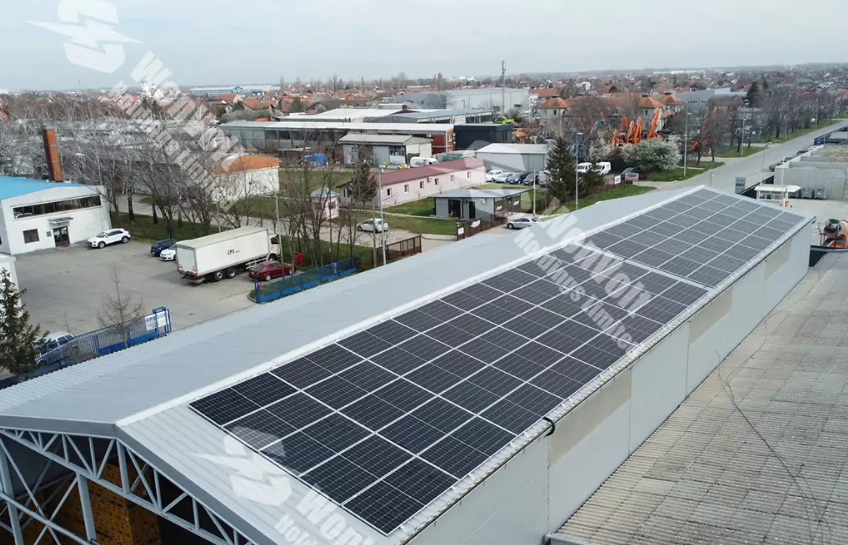
10-letý obrat: Je vaše solární investice bezpečná?
V životním cyklu fotovoltaického systému označuje desátý rok klidný, ale klíčový posun, kdy mnoho nastavení čelí rychlému poklesu výkonu kvůli dlouhému ultrafialovému kontaktu, opotřebení materiálu z růstu tepla a slabým místům starých těsnění.
Kumulativní environmentální stres
Fotovoltaické moduly čelí náročným vnějším podmínkám po delší dobu a po asi třech tisíci šesti setech dnech slunce a deště dosahují vnitřní části klíčové úrovně opotřebení. Toto nahromaděné napětí často změkčuje buňkové vazby, což zvyšuje vnitřní odpor a snižuje konečný výkon, protože připojení ztrácí v průběhu času svou pevnou držbu.
PID (potenciálně indukovaná degradace)
Potenciální indukovaná degradace (PID) má tendenci růst mnohem silnější po několika letech použití, protože tento problém vyplývá z velké napětí mezery mezi solárními články a jejich uzemněné rámy, což umožňuje ionty pohybovat kolem. V teplých a mokrých místech může desetiletý systém bez funkcí proti PID ztratit více než 30% své energie, což přímo snižuje návratnost investice, protože výstup klesá bez varování.
Inženýrství přesahuje desetiletý limit
Aby se zabránilo poklesu výstupu, který dopadne po deseti letech, hraje hlavní roli růst fotovoltaické technologie, zatímco špičkové výrobní metody se přesunuly ze standardních buněk typu P na stabilnější buněk typu N, které mění buňku; s základní stavba pro zvýšení trvalé síly.
Technologie TOPCon typu N
Vedle starších způsobů monokrystalického křemíku ukazuje technologie TOPCon typu N velmi nízké počáteční opotřebení a lepší tepelný faktor, takže buňky udržují silné rychlosti změny i v drsném teple. Zlepšením krycí vrstvy tento přístup dobře zadržuje degradaci indukovanou světlem (LID), což činí systém užitečným daleko po desetém roce, protože buňky odolávají běžným účinkům stárnutí.
Jednorázová řešení pro čistou energii
Kompletní nastavení přesahuje jen dobré panely, protože potřebuje k správnému fungování montážní úložiště energie a přidáním technologie lithiumových baterií s kapalinovým chlazením nebo inteligentním vzduchovým chlazením může systém zvládnout špičkové zatížení a zároveň chránit moduly před výkyvy napětí. Tento všestranný plán funguje jako silný slib pro prodloužení životnosti systému a bez problémů projíždění nebezpečnou zónou, protože díly pracují spolu hladce.
Bytová elegance a trvanlivost
Pro domácí uživatele je desetý rok hlavním okamžikem pro kontrolu jak vzhledu, tak funkcí práce, kde starší panely mohou zobrazovat žluté zadní listy nebo rezavé okraje, ale části s novými metodami krytu vydrží silně.
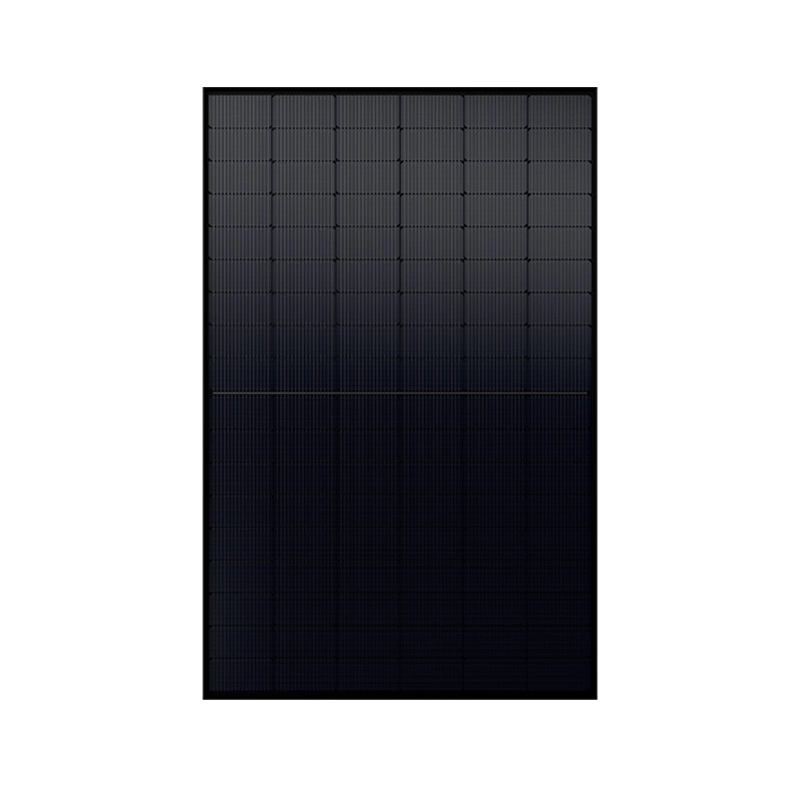
Na domácím trhu je Solární panel 450W plně černá používá chytrý černý vzhled, aby vyhovoval stavebním stylům. Jeho technologie Super Multi Busbar (SMBB) zkrácí aktuální cestu a hodně snižuje škody z drobných trhlin. I po deseti letech bojuje jeho těsné balení proti vlhkosti a fyzickým zatížením, aby udrželo nízkou roční míru opotřebení, což pomáhá udržet čistý výkon v průběhu času.
Maximální návratnost investic pro velké projekty
V pracovních a velkých projektech se i malé míry opotřebení mění na velké peníze kvůli obrovské velikosti nastavení, takže výběr modulů se silným zadním ziskem a oboustranným výkonem zůstává klíčovým pro dlouhodobé zisky.
Síla bifaciality
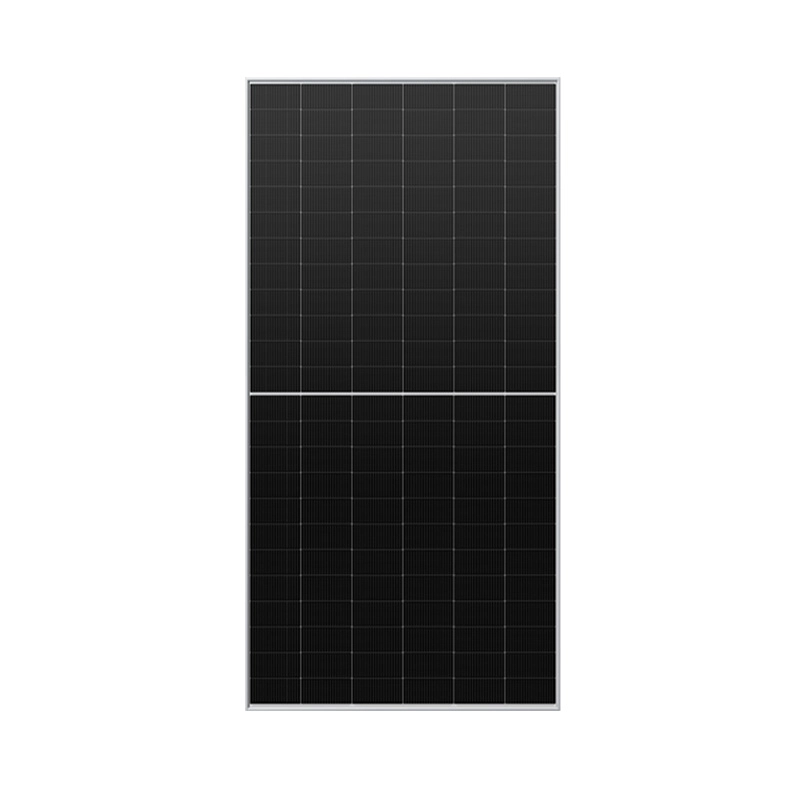
Oboustranná technologie zvyšuje celkovou výrobu energie tím, že chytí odrazené světlo ze země a Bifaciální solární panel 600W vyhovuje velkým energetickým zařízením s jemným tepelným faktorem výkonu. Jeho dvouskleněná konstrukce poskytuje špičkovou fyzickou sílu a blokuje vstup vlhkosti, což samo o sobě odstraňuje riziko PID, protože těsnění zůstává těsné vůči počasí.
Rozšiřování s přesností
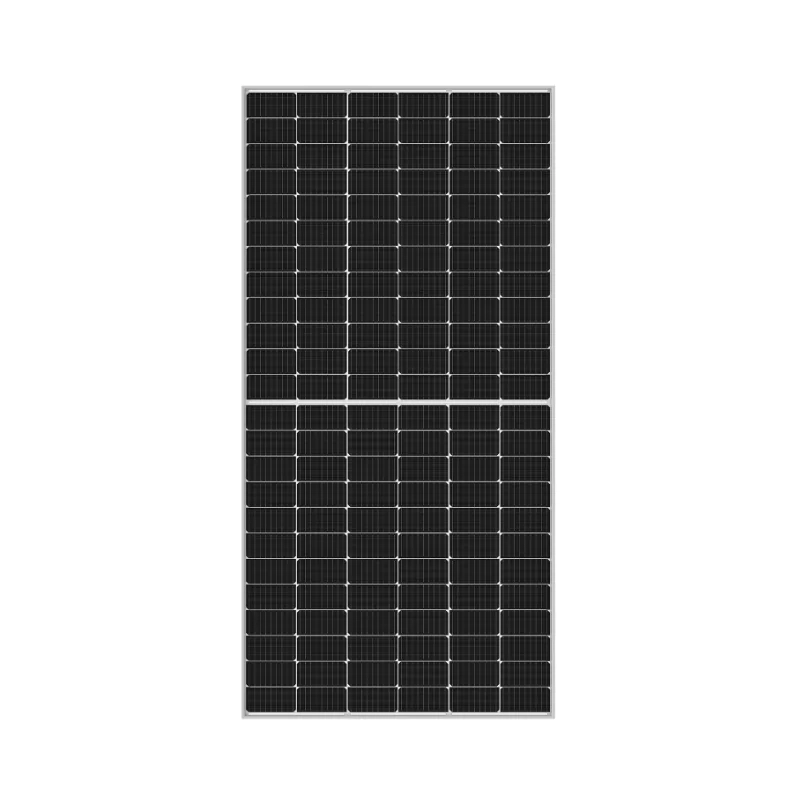
Pro velké použití, je Solární panel 550W přináší dobrou směs nákladů a úrovně práce. Pomocí technologie polořezných buněk moduly snižují vnitřní ztráty a zlepšují manipulaci se stíny. Jak se systém blíží svému desátému roce, tyto technologické výhody se mění v stabilní příjmy z sítě, které udržují aktiva vydělávající peníze prostřednictvím třicetiletého přímého slibu energie, protože design vydrží pod zatížením.
Jak zkontrolovat svůj 10-letý systém
Když cítíte, že váš systém může vstoupit do nebezpečné zóny, plná kontrola dává dobrý smysl, protože se můžete podívat na tvář panelu pro rozdělení vrstev, barevné posuny nebo vzduchové kapsy, abyste posoudili kryt’ S pevnost. Také se vyplatí zkontrolovat záznamy měniče pro varování o poruchách na zemi, které často naznačují opotřebení PID nebo drátu, a nakonec odpovídat vašemu nyní výstupu prvnímu plánu; pokud mezera překročí nastavenou úroveň opotřebení, možná budete potřebovat odbornou technickou pomoc nebo spínač modulu.
Spolupracujte s WonVolt: Důkaz budoucnosti vaší energie dnes
Tváří v tvář energetickým změnám, chcete spoluhráče se silným zaměřením na servis a nové nápady, a s know-how ve více než 90 zemích plus stavební sílu dvou moderních továren, kvalifikovaná posádka vás může podpořit od prvního pohledu na místo až po poprodejní instalaci. Ať už plánujete nové úložiště pro skladování práce nebo si kladete za cíl zvýšit stará aktiva, najdete tu správnou volbu.
Pokud chcete chránit své zelené výdaje od “ desetiletá past,” kontrolovat Kontaktní stránka mluvit s našimi profesionály. Vytvořme bezpečnější a hladší energetickou cestu vedle sebe.
Časté dotazy
Q1: Proč je rok 10 považován za “ Nebezpečná zóna” pro solární moduly?
Odpověď: Kolem 10 let opotřebení materiálu z probíhajících tepelných cyklů, nahromaděných dopadů PID a konec předčasných pracovních slibů často způsobují jasné poklesy výkonu a neviditelné přerušení.
Otázka 2: Co jsou mikropraskliny a jak ovlivňují staré panely?
Odpověď: Mikropraskliny stojí jako skryté praskliny v křemíkových buňkách z větru nebo fyzických zatížení. S uplynutím času tyto přestávky rostou kvůli tepelnému napětí, což zase blokuje proudové linky a vede k velkým poklesům výkonu.
Otázka 3: Je technologie typu N opravdu lepší pro dlouhodobý provoz než typ P?
Odpověď: Ano. Buňky typu N vykazují silnější držení proti opotřebení (žádná šance LID) a jemnější práci při tmavém světle. Během celého životního cyklu poskytují více celkového výkonu a nižší míru opotřebení.