



Beaucoup de gens craignent que les panneaux solaires cessent de produire de l'énergie utile lorsque l'hiver arrive. Des jours plus courts, des trajets solaires plus bas et des nuages communs créent de vrais problèmes, mais la technologie photovoltaïque actuelle fonctionne assez efficacement par temps froid. Les panneaux produisent de l'énergie plus facilement à des températures plus froides, car les cellules fonctionnent plus finement sans trop de chaleur. La neige peut cacher les panneaux pendant un peu, mais elle fondt par elle-même, et les caractéristiques intégrées leur permettent de rebondir rapidement, de sorte que vous pouvez obtenir une production stable toute l'année en choisissant des panneaux et des méthodes d'installation appropriées.
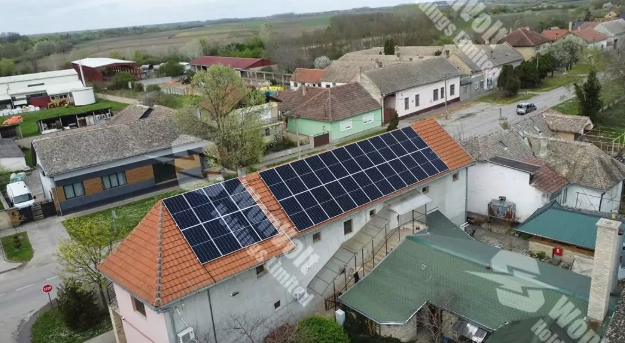
WonVolt se distingue en tant que fournisseur de technologie solaire de confiance avec plus de huit ans d'expérience dans les solutions énergétiques industrielles, commerciales et résidentielles. Fondée en 2016, la société exploite deux usines à Hefei, en Chine, et détient une capacité de production de 1,2 GW pour les panneaux solaires et 2,5 GWh pour les batteries au lithium. Elle est spécialisée dans les modules TOPCon de type N et bifaciaux à haut rendement qui offrent de fortes performances dans des climats difficiles. Si vous voulez des solutions fiables en matière d'énergie propre adaptées à votre emplacement, explorez WonVolt’ S site officiel pour les spécifications détaillées du produit et les options personnalisées.
Définition des panneaux solaires Avantages et défis
Les panneaux solaires transforment la lumière solaire directement en électricité via des cellules photovoltaïques, et ces unités utilisent des choses comme le silicium pour déclencher un flux d'électrons lorsque la lumière frappe le visage. Les panneaux de haut niveau utilisent des méthodes de cellule avant telles que PERC, TOPCon de type N et HJT pour élever les niveaux de conversion.
Fonction de base des cellules photovoltaïques
Les cellules photovoltaïques constituent le noyau de chaque panneau solaire, car elles saisissent les photons de la lumière solaire et déclenchent de l'énergie en courant continu. Les cellules monocristallines et polycristallines mènent le champ, avec des types monocristallins donnant des marques d'efficacité plus élevées.
Les principaux avantages des panneaux solaires modernes
Les panneaux actuels fournissent de l'énergie propre et renouvelable avec des coûts d'exploitation faibles au fil du temps, et ils réduisent les factures d'électricité tout en aidant à l'autosuffisance énergétique. De nombreuses unités atteignent maintenant des rendements supérieurs à 22%, ce qui tire plus d'énergie de la même zone du toit.
Performance hivernale Préoccupations communes
Moins d'heures de lumière du jour et un ciel couvert régulier limitent la portée totale de la lumière solaire, tandis que les piles de neige peuvent bloquer les panneaux pendant une courte période. Les mauvaises idées sur les températures provoquent également des confusions, car les gens pensent souvent que l'air froid nuit à la production.
Génération d'électricité par panneaux solaires par temps froid
L'air froid aide en fait les panneaux solaires à fonctionner mieux que les installations estivales chaudes, puisque la tension augmente à mesure que les températures baissent, ce qui compense certaines gouttes de moins de temps de lumière solaire. Vous tirez toujours même la sortie même dans les jours d'hiver lumineux.
Les températures froides augmentent l'efficacité cellulaire
Les températures de refroidissement réduisent la résistance interne dans les cellules, et ce gain soulève la tension en circuit ouvert avec le flux de puissance total. Les unités avec un coefficient de température faible baissent l'efficacité dans la chaleur et recueillent plus au froid.
Les conditions de faible luminosité produisent toujours de l'énergie
La lumière disséminée du ciel nuageux ou des taches solaires faibles réveille toujours les cellules photovoltaïques, et la technologie TOPCon de type N gère assez bien les faibles irradiances. Vous bénéficiez de la production régulière tout au long des périodes hivernales.
Des jours plus courts réduisent le rendement énergétique total
L'hiver coupe les heures de jour et tombe le soleil’ s spot, donc cela couvre la traction d'énergie quotidienne par rapport à l'été. La taille du système et l'aide face à tirer le meilleur parti de ce’ S à la main.
Effet de la neige sur la production et la récupération des panneaux solaires
La neige ne parvient pas à arrêter les panneaux solaires pour toujours, car la plupart des installations secouent la neige par elles-mêmes grâce à l'angle et aux faces en verre lisses. Même lorsqu'ils sont couverts, les panneaux reculent rapidement une fois que la neige s'éloigne ou se décongele.
Glissement de neige et nettoyage naturel
Les panneaux en angle poussent la neige à glisser de lui-même, et la chaleur du panneau précipite souvent le dégel. Vous êtes rarement confronté à des nettoyages manuels dans les zones avec des chutes de neige douces.
La réflexion du sol augmente la production
Le sol couvert de neige rebondit la lumière du soleil sur le panneau’ sous le côté, et les unités bifaciales saisir cette lumière supplémentaire avec facilité. Ce trait de rebond peut augmenter la production en journées claires juste après les chutes de neige.
Accumulation de neige lourde Impact temporaire
La neige dense et humide peut accrocher plus longtemps et arrêter la lumière pendant quelques jours, mais dans ces endroits, la sortie chute jusqu'à ce que la couverture se lève. Des contrôles réguliers et des moyens faciles et clairs ramènent le travail rapidement.
Optimiser les performances hivernales avec des choix technologiques
Vous pouvez améliorer beaucoup les résultats hivernaux en choisissant des panneaux construits pour les points froids, puisque la technologie de cellule avant et les constructions bifaciales traitent mieux de la lumière faible et de la neige que les types antérieurs. Ces caractéristiques permettent une énergie plus stable toute l'année.
Coefficient de basse température maintient le rendement
Les panneaux ayant un coefficient de température proche de -0,28 pour cent par degré Celsius perdent peu d'énergie dans la chaleur et ajoutent du froid, de sorte que cette uniformité maintient la production ferme au cours des saisons.
Les modules bifaciaux captent la lumière réfléchie
Les panneaux bifaciaux absorbent la lumière des deux faces, et le rebond de neige hivernale augmente la puissance arrière. Vous frappez une traction pleine énergie plus élevée dans les zones sujettes à la neige.
Cellules de type N à haute efficacité Excel en faible luminosité
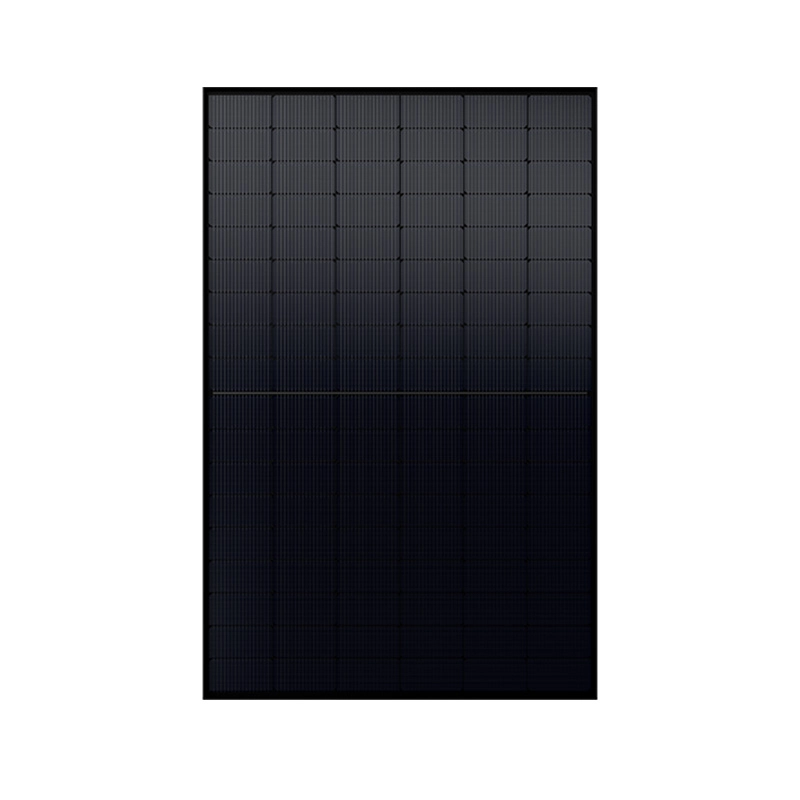
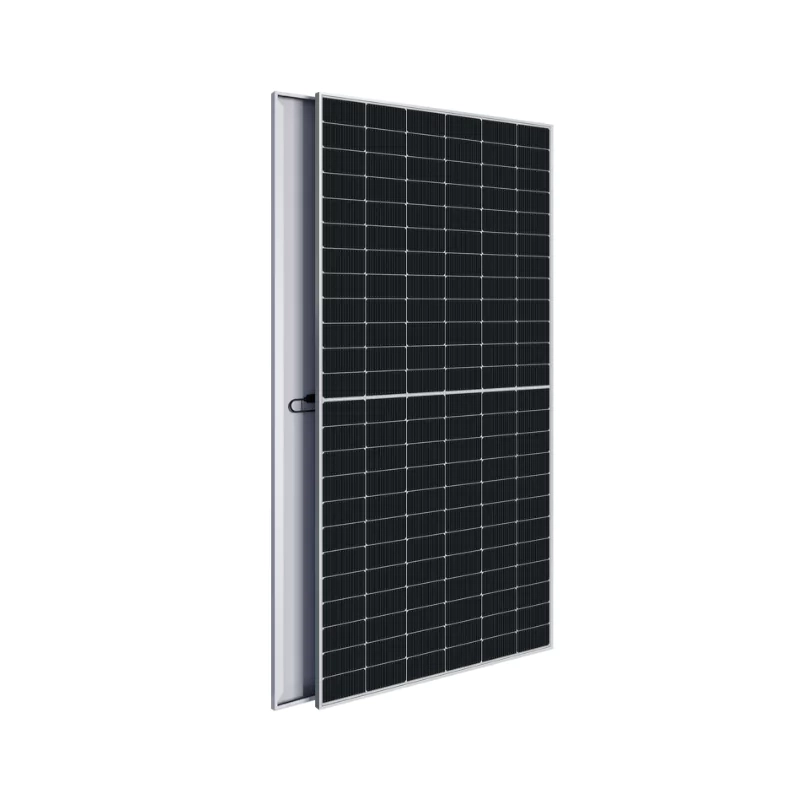
Les cellules TOPCon de type N fonctionnent solidement sous une faible lumière solaire, car elles apportent une meilleure efficacité à faible irradiance et moins d'usure. Pensez au Panneau solaire 450W modèle noir pour les toits ou les Panneau solaire 550W pour de plus grands emplois.
Pourquoi choisir WonVolt pour des solutions solaires hivernales fiables
WonVolt combine la fabrication avancée avec une aide pratique pour des tâches variées, et la firme produit des panneaux à haut rendement adaptés aux points froids. Vous obtenez une stabilité durable et conseils pro.
Normes de fabrication et de qualité éprouvées
Les panneaux passent par des contrôles IEC et CE rigoureux et des essais rigoureux garantissent leur résistance au poids de la neige et à la grêle. Vous obtenez même du travail soutenu par des promesses matérielles de 12 ans.
Panneaux haut rendement sur mesure pour les climats froids
Le TOPCon de type N et le bifacial créent une traction hivernale fine, tandis que les faibles taux d'usure promettent des gains solides sur 25 à 30 ans. Vous choisissez entre des choix monofaciaux et bifaciaux pour correspondre aux besoins du site.
Support en guichet unique et garanties de performance
WonVolt donne un aspect pré-vente du site et des contrôles après-installation, de sorte que vous bénéficiez des promesses de puissance linéaire de 30 ans et du contact de service mondial.
FAQ (questions fréquentes)
Q1: Les panneaux solaires cessent-ils de fonctionner complètement lorsqu'ils sont couverts de neige?
R: Non. La neige glisse généralement rapidement des panneaux inclinés. Toute neige restante fondt à cause de la chaleur du panneau ou de la lumière du soleil, restaurant la production en quelques heures ou jours.
Q2: Les panneaux solaires sont-ils plus efficaces en hiver qu'en été?
R : Oui. Les températures froides améliorent l'efficacité de la cellule en augmentant la tension. Cela compense souvent les jours plus courts et les angles de soleil inférieurs.
Q3: Combien d'énergie produisent les panneaux solaires les jours d'hiver nuageux?
R: Les panneaux génèrent toujours de l'électricité à partir de la lumière diffuse. Les modèles à haut rendement avec cellules de type N maintiennent de bonnes performances même sous le ciel nuageux.
Q4: La réflexion de la neige aide-t-elle ou endommage-t-elle la production des panneaux solaires?
A : Cela aide. La neige au sol réfléchit une lumière supplémentaire sur les panneaux bifaciaux, augmentant la production globale en temps clair.
Q5: Que dois-je faire si la neige s'accumule sur mes panneaux?
R: Attendez un nettoyage naturel dans la plupart des cas. Si nécessaire, utilisez une brosse douce ou de l'eau chaude pour enlever doucement la neige sans endommager la surface du verre.