



Како што инсталациите за соларна енергија напредуваат кон подобра излезност и поголеми големини, многу инженери сега се прашуваат дали на секој дел им се потребни функции на MPPT (Maximum Power Point Tracking). Ова дело гледа како инверторот на батерија без MPPT издржува во тековните соларни инсталации, особено за големи фабрички и проекти за електроцентрали.
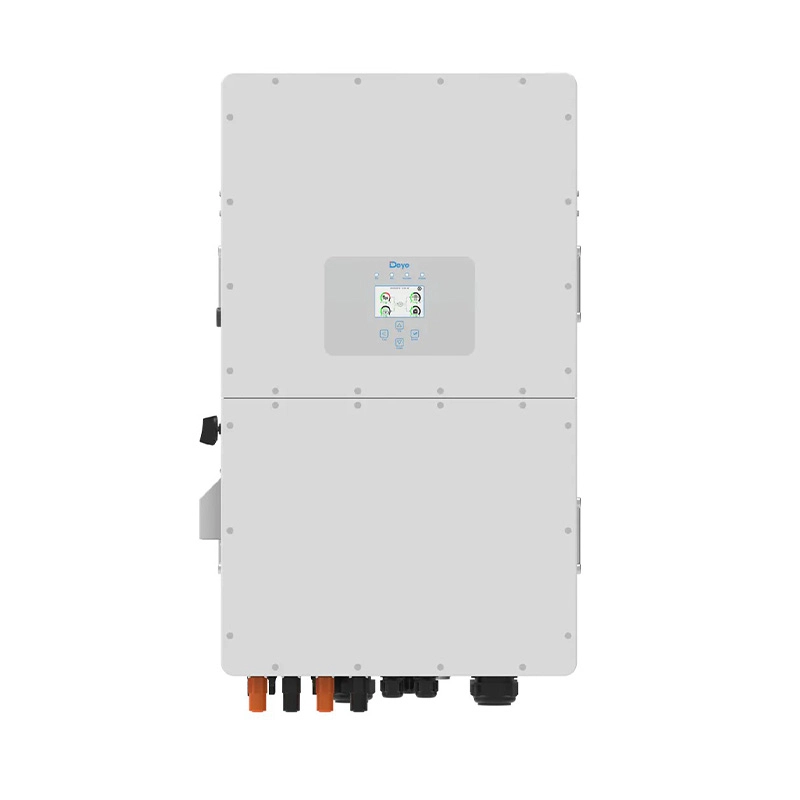
За луѓето кои бараат прилагодени, силни чисти опции за енергија, WonVolt е служи како светски снабдувач квалификуван во соларни панели, литиумски батерии и инвертор технологија. Со повеќе од осум години помагање во фабрика, голема моќ и домашна употреба, WonVolt нуди предмети како што се бифацијални соларни панелихибридни и двонасочни инвертори и контејнеризирани BESS системи. Нивната цел - "Подобрување на енергетската структура во светот, зајакнување на нашата иднина" - добива поддршка од солидни производствени вештини и светски тим за помош.
Дефиниција и предности на инверторот за батерии
Основната функција на инверторот на батерија е да ја претвори складираната DC електрична енергија од батериите во употреблива AC енергија за домови, комерцијални објекти или комунална мрежа.
Функционална улога во конверзијата на енергија
Оваа двонасочна конверзија е од витално значење за овозможување на испраќање на енергија за време на врвот на побарувачката или прекините. Исто така обезбедува компатибилност со AC оптоварувања и го олеснува беспрекорниот проток на енергија помеѓу батериите и мрежата или локалните системи.
Клучни придобивки од соларните апликации
Во соларните системи, инверторите за батерии носат флексибилност со овозможување на одвојување помеѓу генерацијата и потрошувачката. Тие овозможуваат складирање на енергија за употреба во часовите без сончева светлина, со што ја зголемуваат самопотрошувачката. Покрај тоа, тие ги поддржуваат стратегиите за сменување на оптоварувањето кои помагаат да се намали зависноста од мрежата или трошоците за комунални услуги.
Инверторот е дизајниран да ја претвори струјата од соларни панели или складирање на батерии во променлива енергија за домашна употреба. Во поставки кои користат хибридни инвертори, оваа флексибилност достигнува нови висини со комбинирање на конверзија на соларна енергија и управување со батерија во еден интегриран систем.
Капацитети за двонасочен проток на енергија
Инверторите за батерии се опремени со двонасочни функции за проток на енергија, кои им овозможуваат не само да празнуваат електрична енергија, туку и да полнат батерии од мрежата или фотоволтаичните извори. Ова им овозможува на системите поврзани со мрежата да учествуваат во услуги како регулација на фреквенцијата или поддршка на напонот. Хибридниот инвертор ги извршува двете функции со еден уред. Тоа ја претвора DC енергијата од соларниот панел во AC енергија потребна за домот. Исто така ја претвора енергијата на мрежата во DC за полнење на батеријата.
Функционалност на MPPT во соларните системи
MPPT технологијата има клучно место во извлекувањето на најголема моќ од фотоволтаичните масиви со секогаш прилагодување на работната точка.
Улогата на MPPT во оптимизацијата на енергијата
MPPT се осигура дека соларните панели работат со најдобра мешавина на напон и струја. Инверторите со струни обично доаѓаат со функција MPPT, која може да ја следи тековната максимална точка на моќност на фотоволтаичните модули за да се осигура дека системот добива максимален капацитет за производство на енергија од сончевата светлина. Ова одлично функционира за време на промена на нивоата на светлина или кога некои панели добиваат сенка.
Влијание врз дизајнот на системот и флексибилноста
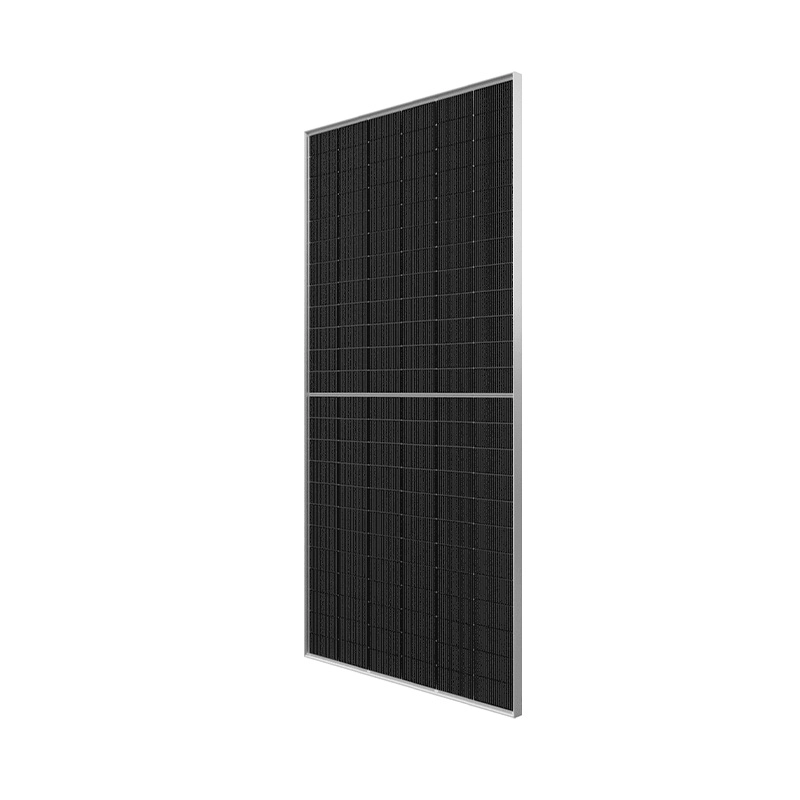
Со поддршка за различни низови и дволицеви модули како што се WV-72KUN605-H8NSMPPT дава повеќе простор за избор на распоред. Исто така го зголемува прилагодувањето со различни типови на ПВ.
Зависност од скалата и сложеноста на системот
Во мали системи надвор од мрежата или оние со еднаква светлина на панелот, MPPT може да додаде само мали зголемувања. Но, во големите дизајни, станува неопходно да се одржи стабилност на ефикасноста во мешани услови.
Инвертор на батерија без MPPT: оперативни карактеристики
Инверторите за батерии без MPPT се повеќе користат во места каде што се случува фотоволтаично тунинг во други делови од поставувањето. Овие инвертори се држат на смени на напојување од страна на батеријата.
Директно спојување со системи за складирање на батерии
Овие уреди го прескокнуваат управувањето со фотоволтаичните влезови директно, сметајќи на предните DC / DC конвертори или опремата опремена со MPPT за подготовка на сончевиот проток. Таквиот метод го олеснува инверторот и ги намалува броевите на делови.
Ефикасност во контролирани средини
Инверторите кои работат само со батерии работат многу добро кога се врзани за стабилни напојувања со DC. Тие даваат висока ефикасност на прекинувачот кога обрасците на оптоварување остануваат стабилни и излезот на фотоволтаичната енергија се справува надвор.
Интеграција со надворешни MPPT контролери или хибридни инвертори
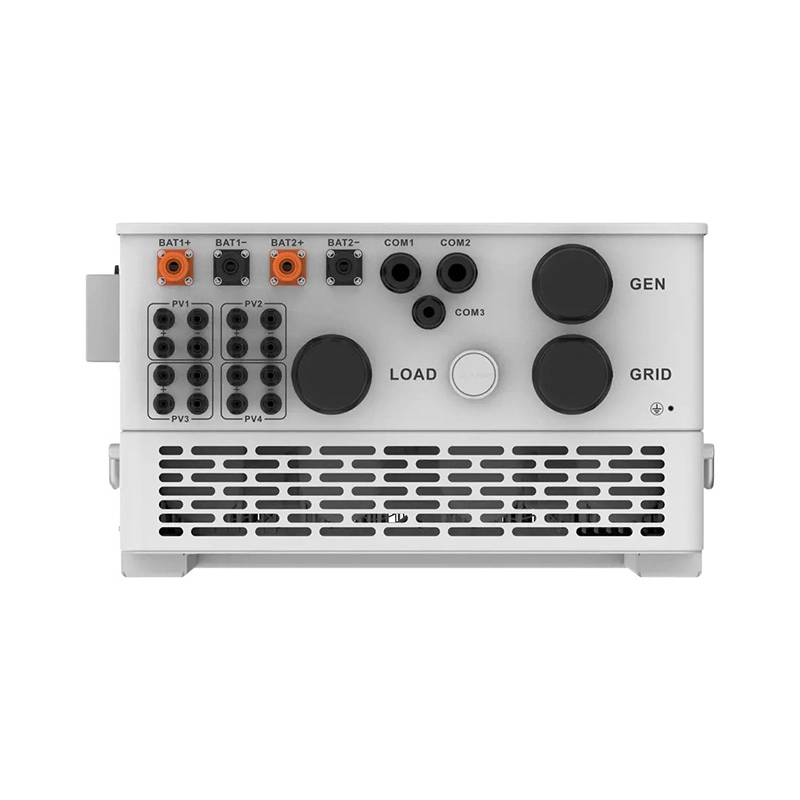
Можете да ги спарите овие инвертори со хибридни контролори како што се Deye 29.9-50kW хибриден инверторСоларното подесување и ракување со батеријата се разделија. Оваа поставка помага во ширењето на енергетските системи кои бараат лесно мешање на делови.
Перформанси на ниво на систем во високоефикасни соларни дизајни
Како што соларните проекти се зголемуваат, поделбата на MPPT и инверзијата на батеријата во модули носи свежи придобивки.
Компатибилност со комунални и индустриски енергетски архитектури
Во големите поставки на енергија со главни фотоволтаични контроли, инверторите на батеријата без MPPT ги прават работата поедноставни со нулирање на испраќањата за складирање. Оваа поделба им помага на задачите на мрежата како стабилизирање на фреквенцијата и обезбедување резервни копии.
Скалабилност во опсегот на моќност од 100 kW до 1 MW
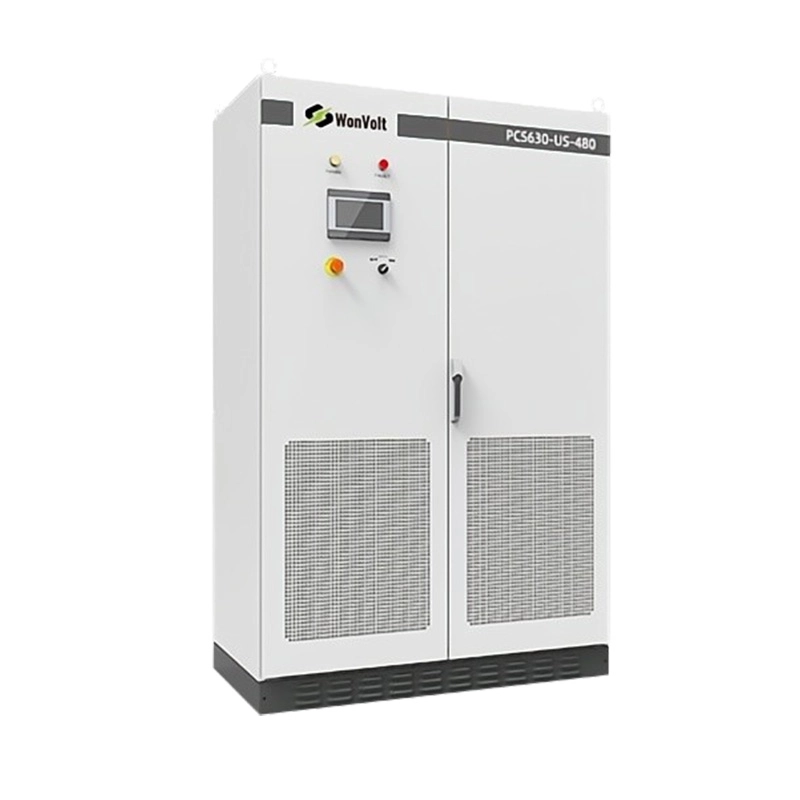
Единици како PCS100-1000-САД двонасочен инвертор Дозволете постепен раст од 100 kW до 1 MW или повеќе. Овие обезбедуваат цврсти двонасочни смени и го задржуваат цврстиот излез под сменети оптоварувања.
Намалени барања за одржување и пониски стапки на неуспех
Помалку делови од моделите изградени со MPPT значи помали потреби за одржување. Нивниот основен софтвер исто така ги намалува местата на неуспех, што ги прави многу сигурни за витални работни места како што се центрите за податоци или фабриките.
Сценарии за апликација погодни за инвертори на батерии кои не се MPPT
Кога вкупниот дизајн има главна или надворешна соларна ракување, инверторите на батерии кои не се MPPT најдобро се вклопуваат.
Системи за складирање поврзани со мрежа со централизирано PV управување
Овие работат добро каде што PV тунингот веќе се случува напред. Инверторот нули на полнење / испуштање на батеријата без дополнителни улоги на MPPT.
Инсталации за брчење и сменување на оптоварување
Во деловните места чија цел е управување со побарувачката, брзиот одговор се смета повеќе од зголемувањето на соларната производност. Инверторите кои користат само батерии се извонредни со брзо испраќање на енергија врз основа на навики за употреба или ценови.
Микромрежи за обновлива енергија со хибридни контролери
Овие системи често се потпираат на надворешни хибридни контролори за да ги надгледуваат производството и складирањето на енергија. Инверторот на батеријата без MPPT ја зголемува силата на микромрежата со одржување на складирањето одделно од зголемувања и падови на енергијата.
Конкурентни предности на WonVolt Solutions
Со целосен спектар на чисти производи за енергија, WonVolt сјае како еден снабдувач.
Напредно портфолио на производи кое го покрива целосниот соларен синџир
WonVolt снабдува Deye 29.950kW хибридни инвертори кои се поврзуваат без проблеми со инвертори за батерии кои не се MPT. Исто така нуди PCS100-1000-US типови на двонасочени инвертори за батерии за големи потреби од енергија, спарувајќи ги со нивните високо-излезни дволицени соларни панели.
Прилагодливи решенија во индустрискиот и комуналниот сектор
WonVolt ги прилагодува поставките за да одговараат на потребите на сајтот преку модуларни производи. Од 50kW бизнис инсталации до мулти-мегаватни работни места, нивните опции ги покриваат полнењето на електрични возила или стабилизацијата на мрежата.
Глобална мрежа за поддршка и инженерска експертиза
WonVolt обезбедува услуги за инженери пред продажба на местото за истрага на терен пред дизајн и услуги за инженери по продажба на местото ако на нашите клиенти им е потребна помош во врска со инсталацијата. За техничка поддршка или прашања за производи, можете директно да контактирате преку нивните страница за контакт.
Често поставувани прашања
Q1: Може ли инвертор на батерија без MPPT да работи со било кој соларен панел?
Одговор: Да, но само ако влезот на фотоволтаичната енергија се управува нагоре во текот со користење на уреди како што се хибридни инвертори опремени со MPPT или DC / DC конвертори.
П2: Која е главната придобивка од користењето на инвертор за батерии без MPPT?
О: Тоа ја намалува комплексноста и трошоците на системот, додека ја одржува високата ефикасност кога е спарена со регулирани DC извори.
П3: Дали овие инвертори се погодни за складирање на енергија во голем размер?
А: Апсолутно. Модели како PCS1001000-US поддржуваат скалабилни распоредувања до 1MW.
П4: Како да ја обезбедам топлинската безбедност во системите за литиумски батерии?
А: Температурата на полнење не смее да надмине 0 ℃ ~ 55 ℃ и испуштањето не смее да надмине -20 ℃ ~ 55 ℃. Исто така се потребни соодветна вентилација и заштита од директна сончева светлина.
П5: Дали секогаш е потребен надворешен MPPT контролер?
А: Не секогаш. Во едноставни поставки надвор од мрежата со константни оптоварувања или претходно регулирани извори, инверторот кој не е MPPT може ефикасно да работи сам.