


Ако управувате со фабрика, комерцијален парк или дури и далечна телекомуникациска станица, веројатно сте ја почувствувале болката од прекинување на струјата или луди високи тарифи. Само сонцето помага, но облаците секогаш доаѓаат и ноќта секогаш доаѓа. Тука влегува хибридното складирање на енергија. Тоа не е магија. Тоа е само паметен хардвер и софтвер кои работат заедно, така што добивате стабилна енергија 24/7 без да се потпирате премногу на мрежата или дизел генератор.
Во WonVolt еНие ги градиме овие системи за индустриски и комерцијални клиенти од 2016 година. Две фабрики во Хефеј, 1,2 ГВт панели и 2,5 ГВт батерии годишно. Сè под еден покрив, од панелите TOPCon од тип N до батериите во контејнери.
Што го прави хибридното складирање на енергија идеално за модерни проекти?
Краткиот одговор: тоа ги решава двете најголеми главоболки на обновливите извори на енергија - интермитентноста и трошоците.
Безбедна интеграција на обновливи енергии и батерии
Хибридниот систем е во основа соларни панели, паметен инвертор и литиумски батерии кои зборуваат едни со други во реално време. Кога сонцето е силно, панелите прво ги нахрануваат оптоварувањата, а потоа ги полнат батериите. Кога сонцето исчезнува, батериите тихо се активираат. Нема рачно прекинување, нема дизел бучава.
Интелигентно управување со енергија за врвна ефикасност
Повеќето сајтови имаат евтини надвор од врвот стапки и брутални врвот стапки. Мозокот на системот (го нарекуваме ЕМС) го следи часовникот и кривата на оптоварување. Намерено ги полни батериите кога електричната енергија е евтина и се празни за време на скапиот попладневен прозорец. Многу од нашите клиенти се бричат 30-50% од нивните трошоци за побарувачка само со тој трик.
Скалабилни решенија прилагодени на индустриските потреби
Почнете мали, порастете подоцна. Хибридната линија на WonVolt започнува со 50 kW и поминува над 500 kW без промена на основниот дизајн. Исти панели, исти модули за батерии, исти софтвери. Тоа ги одржува резервните делови едноставни и идната експанзија безболна.
Како соларниот влез ги движи перформансите на хибридниот систем?
Да ги следиме електроните од покривот до батеријата и назад.
Фотоволтаични панели кои ја претвораат сончевата светлина во енергија
Нашите панели се 72-клеточни бифацијални N-тип TOPCon серии (580 605 W секој). Бифацијалните значи дека исто така ја собираат светлината рефлектирана од земјата - до 25% дополнителен принос на бело обоени покриви или светли шљулк. Вистинските проекти во Северна Африка и Југоисточна Азија рутински достигнуваат 10-15% повеќе kWh од монофацијалните поставки.
Директен проток на струја во инвертор и складирање
Панелите плукаат надвор од DC. Хибридниот инвертор (обично 100-500 kW во нашите системи) одлучува секунда по секунда каде оди таа DC: директно во вашите фабрички машини, во батериите или - ако сè е полно - назад во мрежата за кредит.
WonVolt's N-Type TOPCon панели за подобрување на приносот
Пониски температурни коефициенти (-0,28 %/°C) и речиси никаква деградација на LID или PID. На топли места како Раџастан или Аризона, овие панели продолжуваат да ја прават енергијата кога постарите PERC панели веќе се откажале за денот.
Каква улога игра складирањето на батерии во хибридните операции?
Батериите се непознати херои. Тие го претвораат соларниот систем во солидна електрана.
Литиум-јонски ќелии кои складираат вишок сончева енергија
Пакуваме LFP клетки во контејнери ладени со воздух или течност. LFP затоа што не се запалува лесно и трае 6.000 циклуси на 80% од Министерството за одбрана. Пакетот од 201 kWh може да обезбеди целосна моќност за два часа, доволно за да се вози низ вечерниот врв или облачна магија.
Циклуси на испуштање кои ја поддржуваат независноста на мрежата
Кога мрежата не успее (и ќе успее), системот се изолира за помалку од 10 ms. Видовме текстилни фабрики во Пакистан и складишта за ладно складирање во Виетнам да работат со денови само на хибрид за време на затемнувања.
Контејнеризиран BESS на WonVolt за сигурна резервна копија
Сè - батерии, БМС, гасение на пожар, ХВК - живее во кутија од 20 метри или 40 метри. Вклучи и играј. Излезете од камионот, приклучете три кабли и завршивте. Затоа и екипажот ги сака.
Како хибридните контроли го оптимизираат протокот на енергија во реалниот свет?
Хардверот е само половина од приказната. Софтверот е она што прави пари.
MPPT алгоритми за максимизирање на жетвата на енергија
Секој низа панели има свој MPPT канал. Сенка на еден ред? Нема проблем, останатите се уште се надвор.
Двунамерни инвертори кои овозможуваат беспрекорно префрлање
Наполнете ги батериите од соларната енергија наутро, наполнете ги од мрежата на полноќ ако цените се ниски, вратете ја енергијата назад во мрежата ако вашата локална комунална компанија плаќа пристојни тарифи за напојување. Една кутија го прави сето тоа.
Мониторинг на софтвер за предвидено одржување
Добивате веб портал и телефонска апликација. Види ја состојбата на полнење, забележи топла ќелија пред да стане проблем, распореди ја услугата кога всушност има смисла - не само затоа што календарот така вели.
Зошто да ги изберете хибридните системи на WonVolt за вашиот проект?
Не ги испорачуваме само кутиите. Ние испорачуваме решенија кои се плаќаат сами за себе.
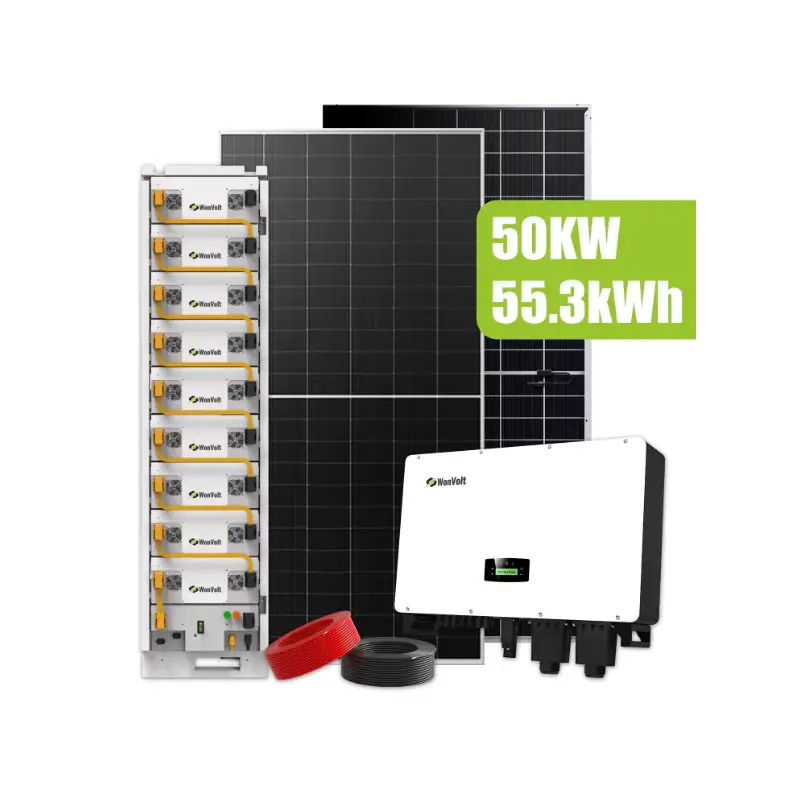
50 kW 55.3 kWh-100 kWh Систем за мала ефикасност
Совршен за рурални мобилни кули, мали фабрики или одморалишта. Обично се враќа под четири години дури и во области со умерено сонце.
100 kW 201 kWh Систем Балансирање на трошоците и капацитетот
Нашето слатко место. Стотици се инсталирани низ Југоисточна Азија и Блискиот Исток. Ви дава околу четири часа целосна резерва и сериозен мускул за брчење.
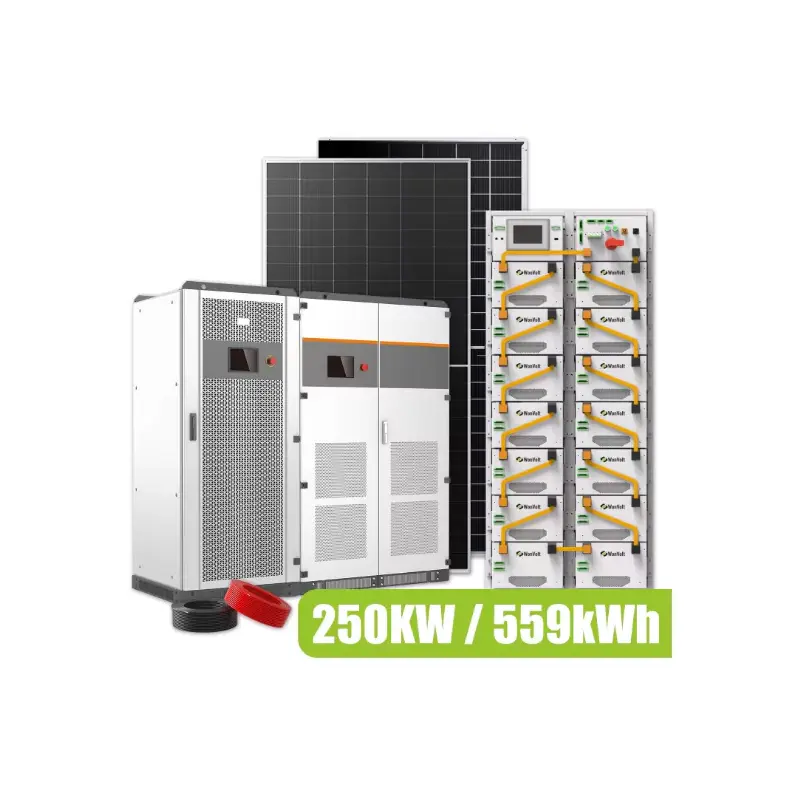
150 kW-500 kW систем Понаоѓање на големи индустриски локации
Текстилни паркови, центри за податоци, цементни фабрики - овие ѕверови работат со 500-2.000 kWh батерија и одржуваат мегавати течајќи ден и ноќ. Сите три производи имаат идентични основни спецификации: IEC-сертифицирани панели, CE-сертифицирани батерии, 12-годишна гаранција на модул и 30-годишна гаранција на линеарна моќност (одржување на 87,4% перформанси дури и по три децении употреба). Ова не е маркетинг трик, туку солидни податоци за пазарот.
Ако сте уморни од сметките за струја кои изгледаат како телефонски броеви или сметките за дизел кои пристигнуваат секоја недела, хибридниот систем веројатно е следниот логичен чекор. Прати ни порака. Ќе направиме брза анализа на сенка и оптоварување за вашиот сајт.
Често поставувани прашања
П1: Колку време е потребно за инсталирање на хибриден систем WonVolt?
Одговор: Повеќето проекти од 100-200 kW се во работа за 4-6 недели од депозитот до пуштањето во употреба. Контејнерскиот дизајн ги одржува граѓанските работи на минимум.
П2: Може ли системот да работи целосно надвор од мрежата?
Одговор: Да. Многу од нашите африкански и островски клиенти работат 100% надвор од мрежата со малку дополнителна батерија или мал резервен генератор за дождливи недели.
П3: Што се случува ако сакам да го удвоам капацитетот за пет години?
Одговор: Само додадете уште еден контејнер и уште неколку панели. Постоечкиот инвертор и EMS автоматски ќе го препознаат новиот хардвер. Нема тргнување и замена.