



The QR code may be the only part of a battery passport that a buyer notices. Inside the factory, it is one of the smaller jobs. Trouble starts when a sales model covers several pack revisions, a supplier document has no matching part number, or two departments use different values for the same field. The company must settle those conflicts before publishing anything.
An EU battery passport project therefore begins in the product records. A software platform cannot tell whether the “Model A” on a quotation is the configuration covered by a particular test report.
Scope also has to be settled one model at a time. Article 77 of Regulation (EU) 2023/1542 states 18 February 2027 for electric-vehicle batteries, light means of transport batteries and industrial batteries above 2 kWh when placed on the EU market or put into service. The category words are important. Treating every lithium product as one group can create work before anyone has confirmed which obligation applies.
Begin with the actual EU sales list
Start with the products that have a realistic EU sales plan. Match the public name to the controlled product code, intended use, capacity and active revision, then record the route to market and responsible economic operator. Where category review is still open, show it as open; do not let an empty cell look like approval.
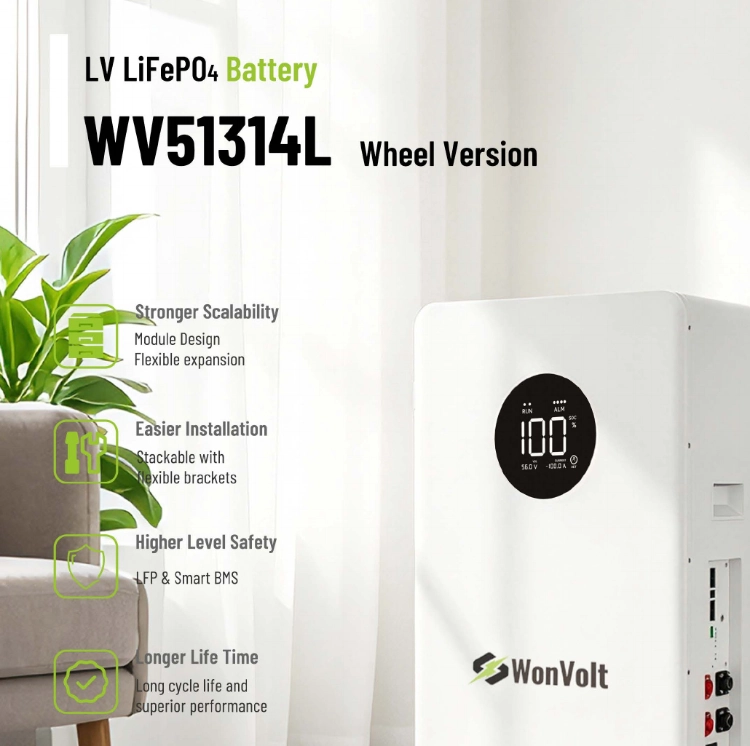
This quickly separates packs that share a brochure or enclosure but use different cells or internal configurations. Supporting records must follow the controlled version rather than the broader sales family.
The first working sheet can stay simple:
| Record | Entry needed |
| Sales name | Wording used in quotations and customer paperwork |
| Controlled code | Code tied to the bill of materials and revision |
| Intended use | Application considered during category review |
| Capacity | Value and unit used for the scope check |
| EU route | Importer, distributor or other route to market |
| Evidence owner | Named reviewer for the supporting records |
| Review state | Confirmed, open or outside the identified scope |
The sheet is a control aid, not a legal opinion. Its immediate purpose is to show whether two departments saying “the battery” are referring to the same configuration.
Build the field list from the applicable requirements
The regulation uses a unique identifier and QR code for access. Annex XIII contains passport information requirements; which entries apply still depends on the category and other relevant provisions. Before adopting a downloaded template, check its legal version and category basis.
No single department is likely to hold the whole file. Drawings and tests may sit with engineering, declarations with purchasing, change approvals with quality and carbon-footprint work with another team. Name a reviewer for each data group. That reviewer checks the evidence and the product revision before a value is approved.
Ask upstream suppliers for named records
Some composition, material and carbon-related inputs will depend on upstream companies. Ask for named fields rather than “battery passport data.” The broad version can easily bring back a brochure or an untraceable spreadsheet.
The request should state:
- the component or material code;
- the field and required unit;
- the relevant reporting period;
- the acceptable supporting evidence; and
- the mailbox or system used for later change notices.
For a changed material source or calculation, require the affected code and effective date. Without them, the battery maker must investigate the same supply chain again merely to learn which records need attention.
Evidence for an old batch may be much weaker than evidence promised for the next order. Record that gap while there is still time to locate acceptable material, change source or reconsider an older EU configuration. Sensitive information can sit behind restricted access or a confidentiality arrangement. It cannot be filled with a number borrowed from a similar product.
File the evidence with the value it supports
For each controlled value, retain its source file, unit, method where relevant, document revision, review date and reviewer. Public access and internal evidence access are separate questions. The internal trail lets the business explain a published number and update it later without starting the research again.
Small controls catch common mistakes:
- one agreed name and unit for each field;
- a clear distinction between model data and individual-battery data;
- a link between every value and the applicable product revision;
- an approval record; and
- retained superseded versions rather than silent overwriting.
Most errors are ordinary. The declaration belongs to the previous cell, grams land in a kilograms field, or somebody copies data between packs that share an enclosure but not the same internal configuration. A clean QR page will not reveal any of those problems.
Connect engineering changes to the passport record
Every approved product change should answer one additional question: does this alter a passport field or the evidence behind it? A “yes” can trigger a record naming the affected identifiers, replacement value, approver and effective date. Using the existing engineering or quality workflow avoids building a second change process that nobody remembers to follow.
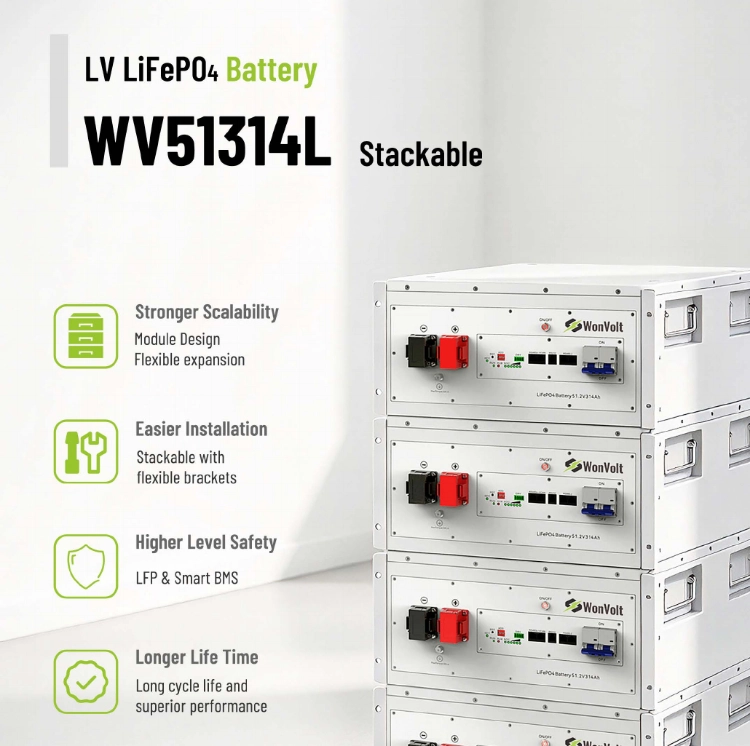
Sales naming deserves attention here. The public model can stay the same while the internal revision changes. The record still has to identify which revision applies to an individual battery. A QR code that always opens the newest general product page can hide that history.
Use an awkward product for the pilot
Clean demonstration data will not test much. Choose a real model with a revision history and at least one upstream dependency, then follow several values from the source document through review to the digital record. Include one controlled change during the exercise.
Scan the code as an outside user. Check that it opens the intended record and that each audience sees the appropriate information. Next, process the planned change and confirm that the right record updates without erasing its history.
List the manual touches during the pilot. Renaming a file, converting a unit or copying between systems is manageable when a named person checks the result. Across hundreds of records, the same unowned step becomes a repeatable error path.
Put document availability into sourcing
Agree the document package during sourcing, before the order removes much of the commercial leverage. Mark which records the supplier controls and which depend on another upstream party. The enquiry should also cover revision control and customer notification. Every certificate, calculation and test report needs an identifiable scope; appearance alone cannot connect it to the ordered model.
ya WonVolt lithium battery range och dess industriella och kommersiella energilagringslösningar provide starting points for a product enquiry. For an EU-bound request, add the intended use, category under review and expected document set. These details open the evidence discussion; they do not amount to a compliance conclusion.
A workable preparation order
Start with products closest to an EU order. Review their categories, assign the applicable fields to named owners and identify each upstream dependency. Give missing information a follow-up date. “Waiting for supplier” describes the situation but does not manage it.
Use the gaps to tighten supplier requests or quality agreements. After the pilot has exposed the real hand-offs, compare software on product and revision mapping, evidence links, permissions, history and record export. The platform should support controls the team has already chosen, not substitute for choosing them.
Implementation can change through later legal measures or guidance. For a product decision, use the official text in force at that time and seek qualified compliance or legal review where the classification or obligation is uncertain. Good recordkeeping supports that decision; it does not make the decision by itself.
Hitimisho
A workable passport process keeps the controlled product, its evidence and later revisions connected. Begin with the likely EU models, send precise upstream requests and put one genuine product through the full route. After that exercise, the team can judge software against the steps it really needs.
Maswali ya kawaida
What does an EU battery passport contain?
For covered batteries, Regulation (EU) 2023/1542 provides for access to a digital record through a unique identifier and QR code. Its information depends on the category and applicable provisions. It is associated with the battery rather than serving as an ordinary product landing page.
What date should manufacturers plan around?
Article 77 states 18 February 2027 for electric-vehicle batteries, light means of transport batteries and industrial batteries above 2 kWh. Before using the date for a particular model, confirm its category and review the legal text then in force.
Does the rule cover every lithium battery?
No. “Lithium battery” describes chemistry, not the complete regulatory category. Article 77 names particular groups and gives a capacity threshold for industrial batteries. Intended use and classification therefore need a model-level check.
Does printing the QR code finish the job?
No. It only provides the access point. The applicable information still needs review, connection to the correct identifier and ongoing maintenance. Evidence control, permissions and later revisions remain separate tasks.
Where should a manufacturer begin?
Begin with a short list of products likely to enter the EU and review their categories. Give every applicable field an owner, source and supporting record. The first trial should run one product through approval, identifier assignment, QR access and a controlled update.