



In today’s competitive industrial landscape, energy costs represent one of the most significant overheads for manufacturing plants and commercial facilities. High electricity bills are often driven not just by total consumption, but by peak demand charges—penalties for drawing large amounts of power from the grid during short intervals. Managing these spikes is critical for operational efficiency. To navigate this complex energy transition, you need a partner with proven expertise. WonVolt, established in 2016 with a robust 2.5GWh lithium battery capacity, specializes in high-performance Industrial and Commercial Energy Storage System (ICESS) solutions. Serving over 90 countries, they provide unique, one-stop clean energy designs, including pre-sale on-site investigations and post-sale technical training to ensure every system perfectly fits your specific requirements.
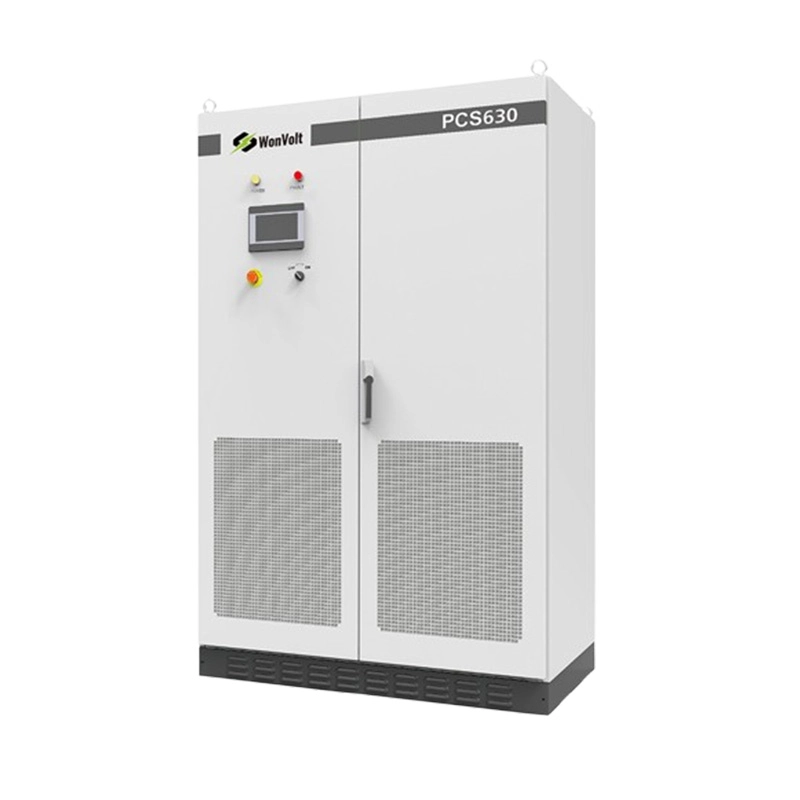
Advantages of Industrial Battery Inverters
Running a factory demands a careful match between energy supply and needs. Current battery inverters act as the core of this match, controlling how power gets stored and applied to guard financial results. These units supply steady, clean electricity to machines while blocking swings from utility sources.
Bi-directional conversion mechanism of PCS systems
A Power Conversion System (PCS) permits energy movement in both ways, from the grid to fill batteries and from batteries to run gear. High-output 100KW-630KW Battery Inverters employ modern chips to cut power waste in these shifts. This two-way function supports sites that store low-cost energy and release it during key times, which enhances overall efficiency.
Intelligent peak load shifting capabilities
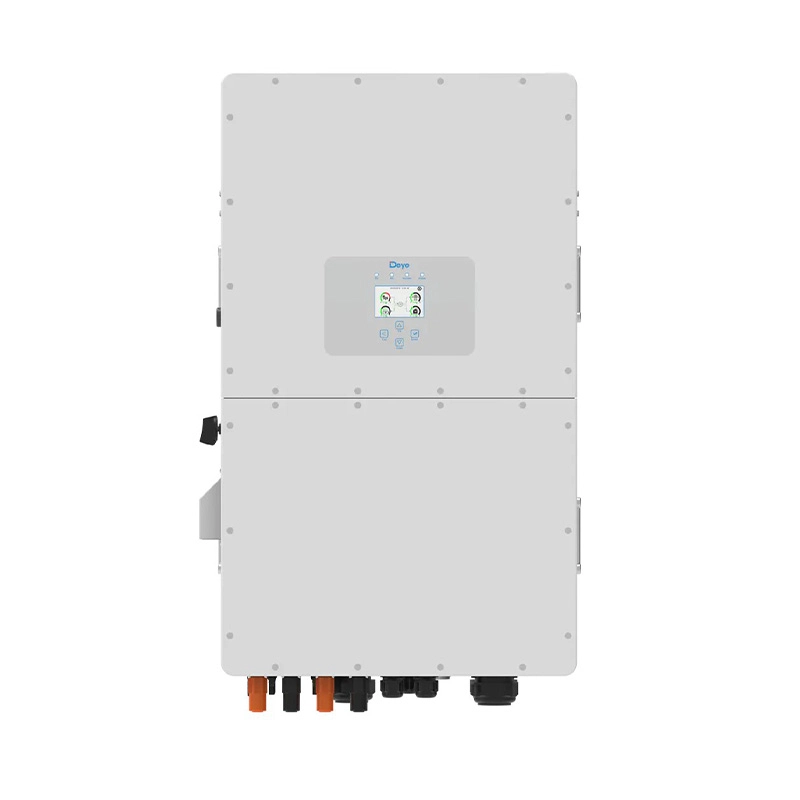
Peak load shifting means shifting major energy use from costly time slots. Through a Deye 29.9-50KW Hybrid Inverter, modest business locations can handle charging in low-rate periods and releasing during active hours. This smart planning keeps electricity costs in check while supporting full output levels.
Enhanced power quality and grid stability
Heavy factory loads, such as big motors, lead to voltage drops and wave distortions. Current inverters offer power support and voltage control to hold inner grid steadiness. Such safeguards lessen damage to costly devices and stop breaks from weak external power supply.
Strategic Peak Shaving for Massive Cost Reduction
Peak demand fees may make up half of business power bills. Utilities base these fees on the top power pull in a set period, often 15 or 30 minutes. A broad inverter setup lets users cut these peaks by drawing from battery reserves rather than the grid in busy moments.
Reduction of monthly maximum demand charges
When large tools activate, power needs jump sharply. The battery inverter spots this rise and adds stored power right away to cover it. By holding grid pulls under a fixed limit, the setup lowers the peak value that utilities use for monthly billing, which cuts expenses steadily.
Optimization of time-of-use energy pricing
Various areas use Time-of-Use (ToU) rates, where power prices change a lot over the day. Storage units help skip the highest afternoon costs. Users can set the system to favor battery release in those expensive slots, leading to quick and clear savings in operations.
Avoidance of grid infrastructure upgrade costs
Expanding production lines might force grid fees for transformer or line changes to manage extra load. A strong battery inverter supplies needed power in high-output phases. This method supports growth without delays from utility checks or payments for seldom-used upgrades.
Seamless Integration with Renewable Energy Sources
Linking solar photovoltaic (PV) panels with storage creates strong combined effects. Solar output varies and often matches peak factory work, so a solid inverter setup captures and steadies this green power for plant use.
Maximization of self-consumption rates
Lacking storage, extra solar from clear times flows to the grid with low return value. A hybrid inverter stores all panel output in batteries. This saved clean power serves night or dim weather needs, boosting use of self-made electricity to the fullest.
Hybrid system synergy with diesel generators
In far-off spots or unstable grid zones, plants depend on diesel backups. Battery inverters pair with these units, letting generators run at best efficiency levels. The inverter manages load changes while generators hold base supply, which trims fuel use and upkeep costs.
Stabilization of intermittent solar output
Sudden clouds cut solar flow fast, risking tool faults in plants. Batteries serve as a hold-back, giving instant power to bridge solar shortfalls. This keeps work flows even and free from weather impacts.
Advanced System Scalability and Modular Design
Current energy demands differ from future ones. Modern plant energy plans build on modularity, starting with budget-fit systems and growing with business expansion.
Parallel expansion for MW-level applications
In big industrial areas, units link in parallel for Megawatt (MW) power scales. This growth avoids full system swaps for more capacity. Adding inverter modules and battery frames to the base setup handles rising needs without major overhauls.
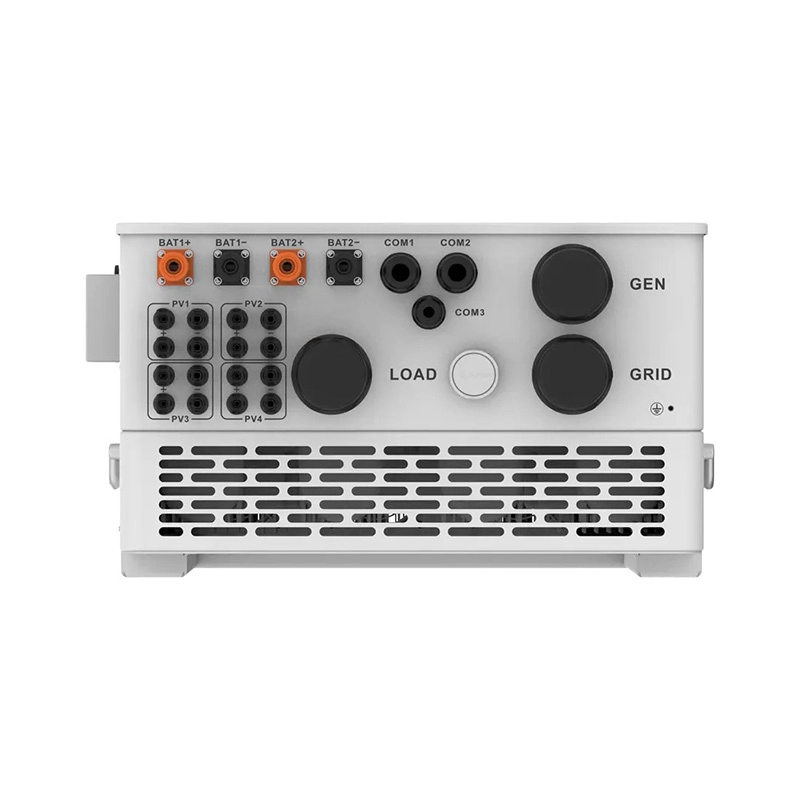
Flexible configurations for diverse industrial loads
Sectors vary in power patterns, from mining’s high bursts to data centers’ even sensitive draws. Modular inverters adjust for density or lasting energy focus. This adaptability fits the setup to site heat and electric rules precisely.
Simplified installation and maintenance procedures
Plant inverters include changeable parts for fast fixes without full breakdowns. This cuts repair time sharply. Standard fittings and connections lower setup work for large storage projects.
Intelligent Monitoring and Future-Proof Management
Handling a 500kW+ setup needs more than parts; it calls for smart software to track condition and output. Digital tools give clear views on returns and keep systems at top performance.
Real-time cloud-based energy analytics
New energy plans offer full panels for energy paths, battery charge state (SOC), and heat levels. Access comes through web or app to track savings live. This info aids early fixes by warning of problems before breakdowns occur.
Automated demand response participation
Certain markets reward plant cuts in grid crises. Smart inverters join Demand Response plans on their own. Batteries release to aid the grid, adding income without plant halts.
Long-term durability and hardware protection
Plant settings bring dust, moisture, and warmth. Top inverters use high protection grades and cooling methods, like liquid or air systems, to shield parts. This strength keeps units working over ten years for steady energy aid.
Professional Consultation and Customized Solutions from WonVolt
Picking the right inverter setup demands skilled advice. A focused supplier avoids over or under builds, tuning for site details. Options in industrial and commercial solutions show how setups meet aims.
Comprehensive technical support and project design
Skilled staff review load shapes to size inverters and batteries exactly. This before-sale help confirms peak cuts end fees as planned. Plans factor in weather, space, and grid rules for best fits.
Global distribution and service network
Solid aid matters for strong gear. A wide-reaching provider keeps parts and experts ready. This setup assures protection through pros who grasp global energy traits beyond North America.
Immediate contact for bulk procurement quotes
For builders or owners, quotes start energy freedom. The contact page links to talks on bulk rates or project specs. Teams supply docs and return math to shape strategies.
FAQ
Q1: How long does it take for a 500kW inverter system to pay for itself?
A: Depending on local electricity tariffs and the intensity of your peak demand charges, most industrial systems see a return on investment within 3 to 5 years through energy savings and avoided demand penalties.
Q2: Can the 100kW-630kW PCS operate if the grid goes down?
A: Yes, these systems feature off-grid and black-start capabilities, allowing them to form an independent microgrid to power your essential machinery during a utility outage.
Q3: Is it possible to combine solar panels and a battery inverter into one system?
A: Absolutely. Using a hybrid inverter or an AC-coupled PCS system allows you to integrate solar modules, creating a complete energy ecosystem that stores renewable power for peak shaving.