



The quick growth of solar tech has turned inverters into a key part of today’s energy setups. If you want to link your solar setup to the main grid or run it on its own, picking the correct inverter type sets the level of efficiency, steadiness, and value for money. As someone digging into better options, you might see that WonVolt provides a full range of solar panels, lithium batteries, and inverter systems built for factory, large-scale utility, and home uses.
WonVolt Holdings Limited is a fresh-thinking solar tech firm with solid customer service, started in 2016. It has two plants in Hefei, China. Its goal is “Improving the world’s energy structure, power-up our future,” and it delivers complete clean energy answers in over 90 nations. You can check out its custom energy solutions or reach out to its team via the About Us or Contact Us pages for advice on your project.
Definition and Advantages of On Grid and Off Grid Inverters
Deciding between on grid and off grid setups comes down to your plans for making and using power. Each type brings its own working traits, which shape how well they perform.
Connection to the Public Power Grid
Grid-connected inverters fall into groups like those for solar, wind, power tools, and other generators. They match the utility network by checking voltage, frequency, and phase before sending power over. This link makes sure the power fits grid rules for safe joining. In real setups, like a factory in sunny spots, this sync helps feed extra energy back without issues.
Energy Export Capabilities
On grid systems let you send extra energy to the main utility when you make more than you use. In everyday power making, a grid-tied solar system hooks up to the big grid and pushes active power there. This feature works with net metering, where spare energy cuts down your later bills. For homes with big roofs full of panels, this can save hundreds yearly on power costs.
Cost Efficiency in Energy Use
These systems skip big battery needs, so they cut startup costs. The main plus of grid-connected inverters is their big power output at a low price. By using what’s already there, folks get simpler setups with good running efficiency. Take a small business; it can drop its energy bills by 30% without adding storage gear.
Independence from the Public Power Grid
Off grid setups work on their own, without leaning on outside lines. The key split between off-grid and grid-tied inverters is that the latter needs the main grid to run. If the grid cuts out, the grid-tied one goes into island mode and shuts down. This self-reliance keeps things going even in blackouts, which is handy in stormy areas.
Battery Storage Integration
Off grid plans include storage units to hold extra power for later. These batteries keep supply steady when sun is low or demand spikes. Good handling of storage boosts self-run time and evens out load changes. In a remote farm, for instance, this means lights stay on through cloudy days without a backup generator humming all night.
Reliability in Remote Areas
In places with shaky setups, off grid systems give steady power access. Their standalone work fits spots like farm fields or lone factories. This reliability shines in tough spots, say a mining site where grid lines just won’t reach without huge expense.
Advantages of WonVolt Inverters
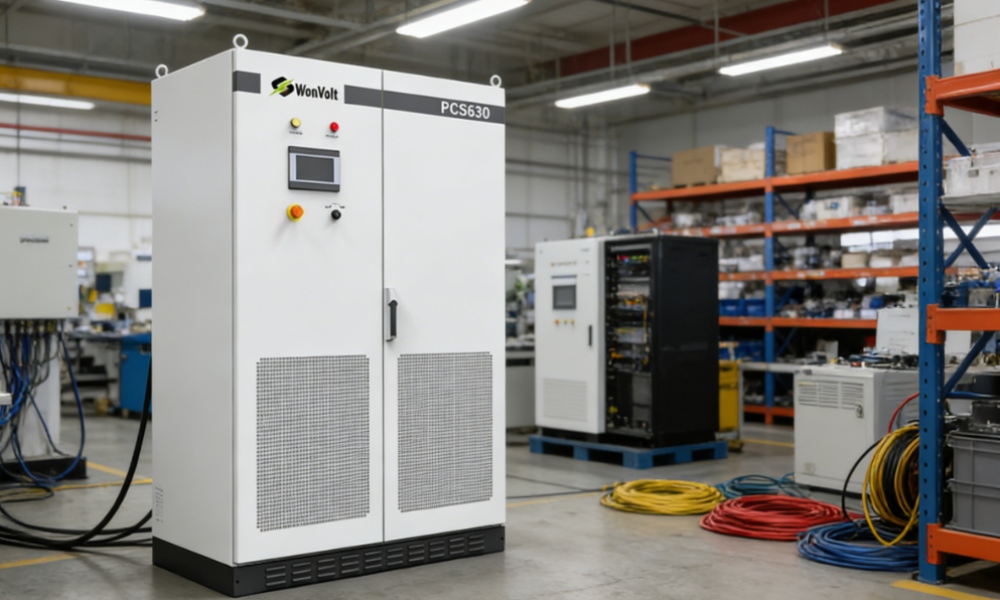
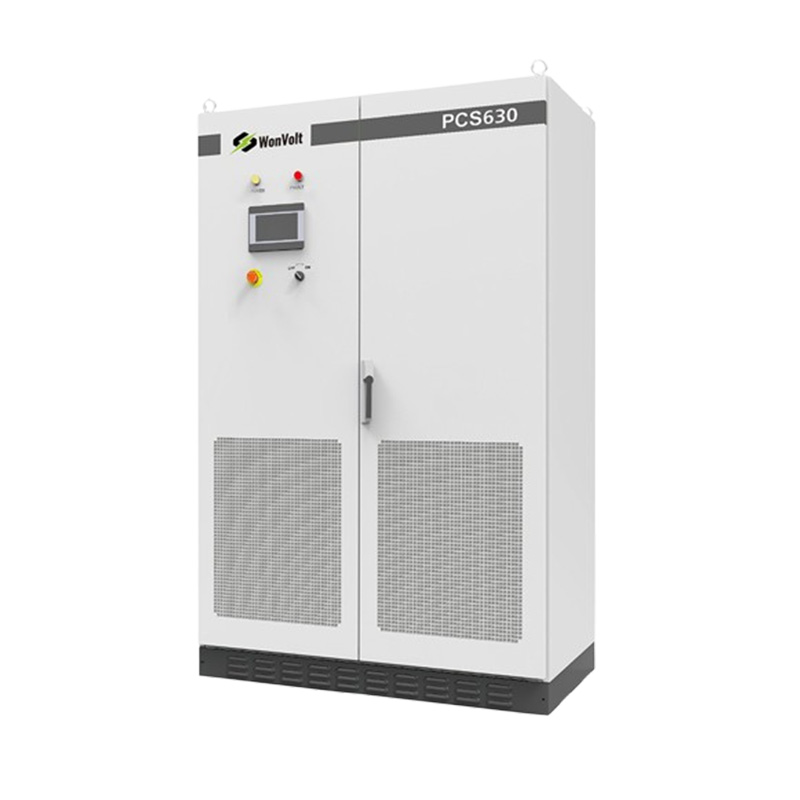
Each WonVolt answer is one-of-a-kind. Its inverter line covers hybrid types that switch between on and off-grid without a hitch. These items use smart DSP controls for top conversion rates and long life in various weathers. Take the 100KW-630KW Battery Inverter Bidirectional PCS100-630; it switches modes in ≤10ms with backup features for non-stop power to loads. From my look at projects, these hold up well in hot climates, rarely dipping below 98% efficiency.
Performance Differences Between On Grid and Off Grid Inverters
How well these inverters work changes based on their build. Looking at things like conversion rates, load capacity, and steadiness shows which fits your needs best.
Energy Conversion Efficiency
As more solar farms go live, the grid demands better from these systems. Big on-grid units often hit higher efficiencies by lining up straight with utility power. But things like heat or shadows can tweak the output. In a 500kW plant I recall, shading cut efficiency by 5% until they added trackers.
Load Handling Capabilities
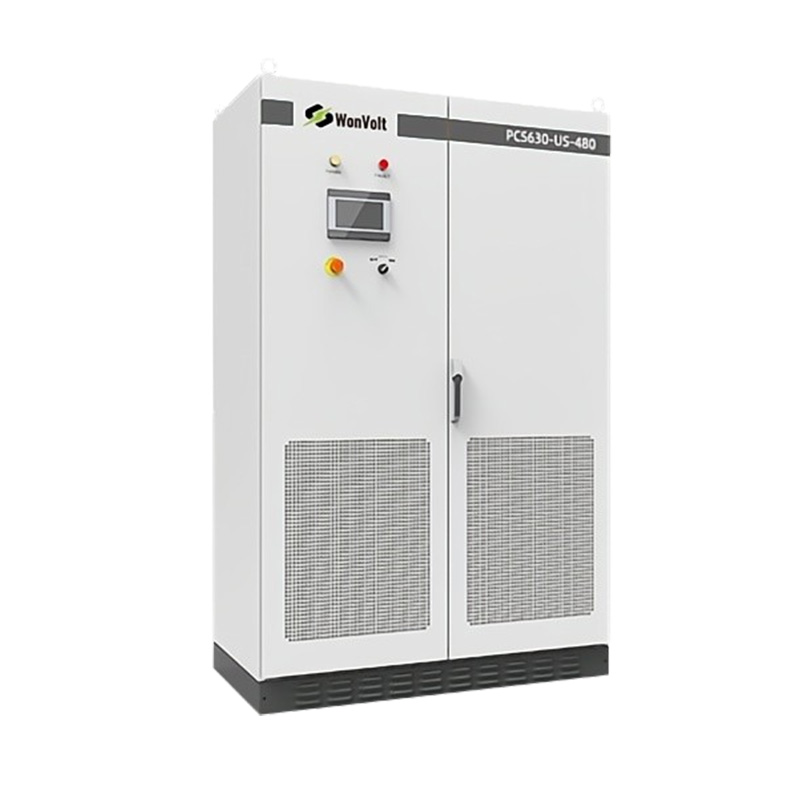
Off-grid builds handle changing loads from inside, drawing on stored power. Smart two-way models like the 100KW-1MW Battery Inverter Bidirectional PCS100-1000-US let up to four units run side by side for more power, keeping switch time at ≤10ms. This matters for factories that can’t afford downtime. Such setups have powered welding shops through peak shifts without a flicker.
System Stability and Reliability
It’s key to boost steadiness and make systems fit grids smarter. On-grid ones count on utility steadiness; any bump sets off auto safeguards like zero-voltage ride-through. Off-grid ones use inner loops to hold voltage steady under shifting inputs. In windy sites, off-grid reliability avoids the dips that plague grid-tied during storms.
Application Scenarios for On Grid and Off Grid Inverters
Choosing an inverter means matching its skills to your work setting, from plants to home blocks.
Industrial and Commercial Applications
These fit offices, schools, hospitals, shops, and factories well. Mid-size hybrid systems mix own-use with backup for busy times, cutting costs while blending into current setups. A hospital, for example, uses this to keep lights on during grid fails, saving on diesel gensets.
Utility Scale Implementations
Big rolls need strong parts for outputs in the megawatts. WonVolt BESS container comes with built-in battery, inverter, cooling, safety, and watch systems. These help steady networks by smoothing green inputs and scale to multi-megawatt sizes. In a 10MW farm, it balanced loads so well that grid ties stayed smooth year-round.
Residential Applications
Home owners after self-rule like small inverter picks with smart lithium packs. These aid own-use through clever watching that works with home tech, keeping costs low long-term. Families in suburbs often see bills drop 40% with daily sun use.
Comparative Analysis of System Costs and ROI
Money checks look at upfront spend next to running savings from good work.
Initial Investment Considerations
Grid-linked installs cost less at first without big battery groups. Local perks speed up payback by backing green ties to national grids. In Europe, subsidies have cut startup by 20% for many users.
Operational Costs Over Time
Upkeep stays low with fewer parts than gas gens. Routine checks keep performance steady and stretch life via care like in pro ESS handling. Over 10 years, this often totals under $0.05 per kWh produced.
Return on Investment Calculations
ROI shifts with sun hours, use habits, and rates. Factory users hit payback quicker from high daily runs and less fossil fuel need. A typical plant might recoup in 4-6 years under good conditions.
Environmental Impact Considerations
Green building stays at the heart when checking both inverter types, as green power cuts emissions worldwide.
Carbon Footprint Reduction Potential
Turning sun into power without burning cuts gas outputs a lot, backing global green goals. Both types help long-term cutbacks in line with world decarbon plans. A single home system can slash 5 tons of CO2 yearly.
Resource Utilization Efficiency
New inverter making stresses reusable stuff and smart electronics to cut waste in builds and runs. This trims natural resource pull over full lives. Factories now recycle 80% of parts, easing the load on mines.
Compliance with Environmental Regulations
All top models stick to world safety certs, matching green management rules for wide green tech take-up. This keeps installs legal and safe across markets. Checking these early avoids headaches down the line.
Call to Action: Explore WonVolt’s Solutions
You can get custom advice fit to your project’s size via WonVolt Energy Solutions.
Custom Solutions Tailored to Your Needs
WonVolt offers pre-sale team visits for site checks before planning. Custom builds max out fit for factory microgrids or home self-run needs. In one case, they tweaked a setup for a windy coast, boosting output by 15%.
Contact Information for Further Engagement
For item questions, call +86 139 6677 9427 or email info@wonvolt.com. Tech help comes via +86 153 8512 3134 (ian.fang@wonvolt.com). Every ask gets a reply in 12 hours, giving quick pro aid known in clean energy circles.
Partnering with WonVolt for Future Projects
Team up with top players pushing new ESS tech, mixing advanced lithium packs with high-rate inverters for ready setups worldwide. Their gear has powered remote sites reliably, even in dust storms.
FAQ
Q1: What distinguishes an on-grid inverter from an off-grid one?
A: On-grid models synchronize directly with public utilities allowing energy export whereas off-grid types operate independently using stored battery reserves for continuous supply during outages.
Q2: Why are bidirectional inverters essential?
A: They enable seamless transition between charging batteries from renewable sources and discharging stored energy back into loads ensuring uninterrupted operation critical for industrial facilities.
Q3: How does environmental temperature affect inverter performance?
A: Extreme heat increases internal resistance reducing conversion efficiency; modern designs employ forced-air cooling maintaining stable operation across wide temperature ranges up to +55°C.
Q4: Which applications benefit most from hybrid configurations?
A: Hybrid setups suit commercial buildings requiring both self-consumption optimization during daylight hours and reliable backup capability at night or during blackouts enhancing overall resilience.
Q5: What certifications should be verified before installation?
A: Verify compliance with CE, EN61000 series electromagnetic standards plus UL1741 equivalents confirming adherence to international safety protocols guaranteeing secure long-term operation across diverse markets.