



As energy needs in industrial and business areas grow stronger, moving to high voltage design becomes a basic requirement, not an extra option. Older low voltage setups usually face issues with power loss and wiring expenses. When you switch to greater voltage levels, a hybrid solar power system gains strong gains in output rates and steady running. To handle this tricky change, working with an experienced leader like Wonvolt proves vital. Started in 2016, this solar tech firm focuses on Industrial and Commercial Energy Storage System (ICESS) solutions, and it offers a full clean energy service from their 2.5GWh lithium battery output. Their aim to boost future power has helped them reach over 90 countries, where they provide unique engineering investigations to make sure each system fits the client’s exact demands perfectly.
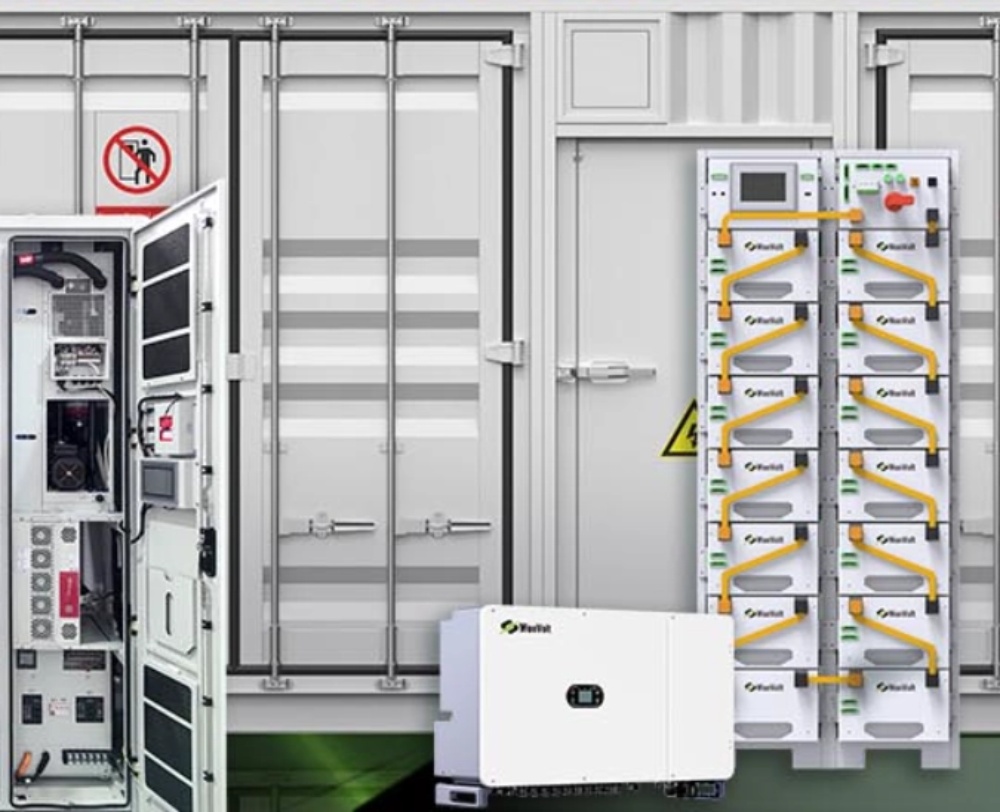
Efficiency Advantages of High Voltage Hybrid Solar Power Systems
High voltage setups change the way power travels from sunlight to your building. When you raise the system voltage, it cuts the current needed to send the same power amount. Heat waste in wires ties to the current’s square, so high voltage designs slash lost energy sharply. This structure makes sure more DC power from your solar modules gets to the storage and your gear without turning into heat.
Reduced Energy Transformation Losses
Running at taller DC voltages lets the inverter operate nearer to the grid voltage. This closeness removes the call for strong inner transformers that often lead to 2% to 5% power drop in DC-to-AC shifts. As a result, the whole process runs smoother and saves more energy overall.
Faster Charging and Discharging Capabilities
High voltage battery lines can take in and give out energy at quicker speeds without pushing the cell chemistry too hard. This feature matters for dealing with fast demand rises or grabbing quick solar surges in the middle of the day. Therefore, it keeps the system responsive to changing needs.
Minimal Heat Generation During Operation
Smaller current means less heat strain on parts and wires. This milder running setup keeps the power gear strong and cuts the power used for fans or air cooling. In turn, it lowers ongoing costs and boosts daily performance.
Enhanced Compatibility with Large Scale Inverters
Most new high-output business inverters handle high voltage feeds. A high voltage DC line fits these inverters well, so the Maximum Power Point Tracking (MPPT) method works with full accuracy. This match helps the system hit its best levels consistently.
Technical Superiority of High Voltage Power Chains
The heart of a current 150KW – 500KW Hybrid Solar Power System is its skill in handling big power streams via a smart power chain. These setups use a linked battery structure that hits hundreds of volts, which allows easy joining with large power gear. This building idea stresses tech skill and fact-based output to guarantee business steadiness.
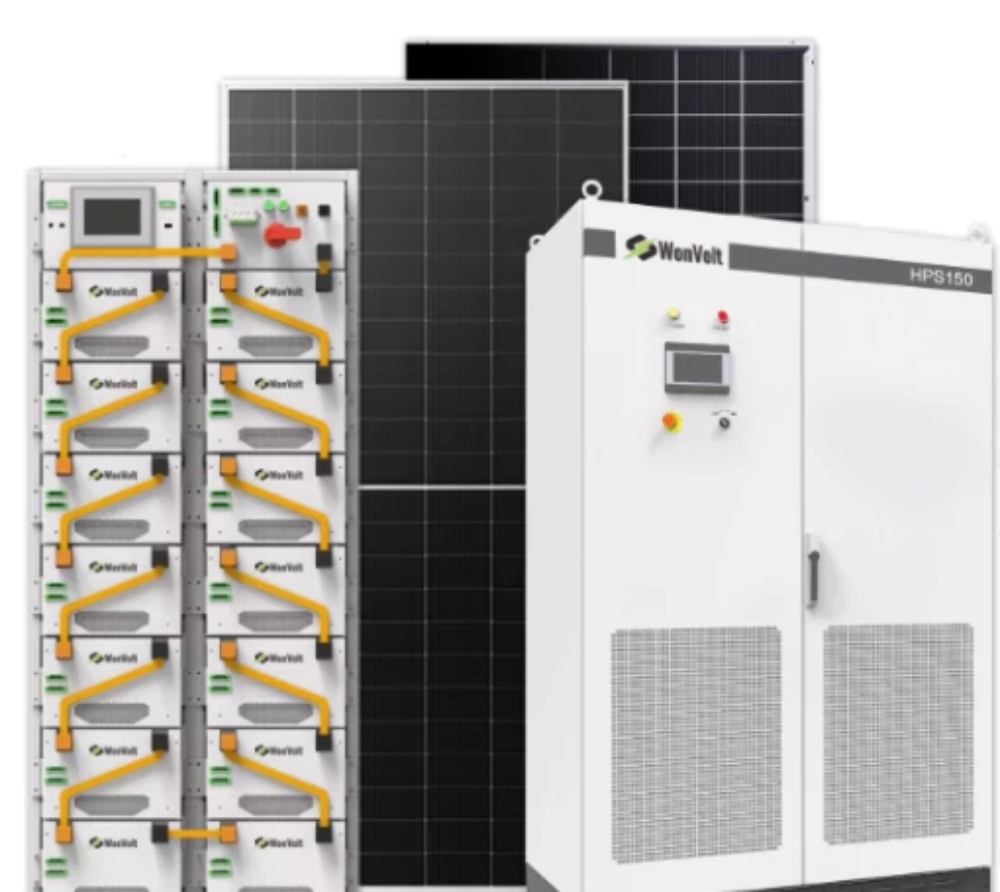
Integrated 150KW – 500KW Power Management
Main control units watch each kilowatt, and they balance the load among the solar array, battery group, and nearby grid to avoid blocks and keep power even. This setup ensures smooth flow without interruptions. Consequently, it supports reliable daily operations.
Intelligent Battery Management Systems
Smart control parts check the condition and charge level of each cell in the high voltage line. This exact watch stops overcharge and deep drain, which are main reasons for early battery wear. As such, it extends the useful life of the whole unit.
Optimized Current Flow for Industrial Applications
By holding a firm high voltage, the system gives strong start currents for big machines and motors without the dips seen in low voltage designs. This steady supply meets heavy needs well. Therefore, it fits industrial tasks perfectly.
Advanced Energy Density and Space Utilization
Room counts as a key resource in business buildings. High voltage design packs more power into less area. Using linked setups instead of thick parallel wires cuts the size of battery cases and copper line thickness greatly, so a 50kW 55.3kWh-100kWh Hybrid Solar Power System suits tight spaces well.
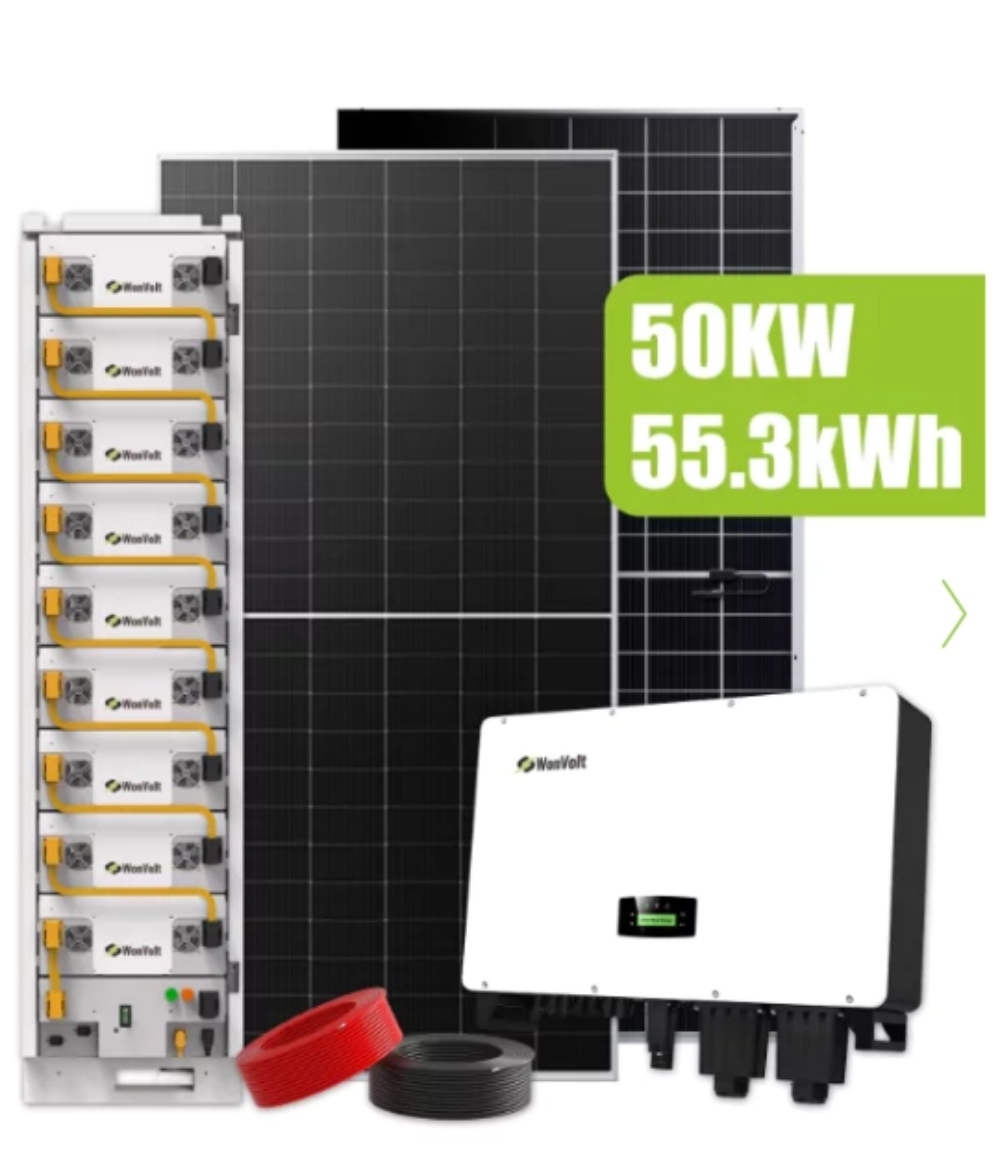
Modular Battery Rack Design
Modular pieces let you grow storage power upward. These racks come built for high voltage safety, with inner busbars that take the place of many outside wires. This design simplifies setup and saves space effectively.
Footprint Optimization for Commercial Facilities
With better power packing, you reach the same kilowatt-hour amount in half the area of old lead-acid or low-voltage lithium options, which opens space for work activities. This gain helps businesses run more freely. In addition, it cuts down on site clutter.
High Capacity Density in 55.3kWh-100kWh Units
These exact builds use Grade A lithium iron phosphate cells. This type gives a strong power-to-weight balance, so high-voltage storage stays small but strong. As a result, it meets demands without taking extra room.
System Reliability and Long Term Operational Stability
Steadiness in a hybrid solar power system comes from its heat control and cell standard. High voltage setups run more smoothly by nature, but they need solid building to handle the large power involved. Using Grade A cells keeps the voltage even over the system’s full life, which can pass 6,000 cycles with good care.
Superior Thermal Management Systems
Active cooling and smart air flow keep heat differences in the battery case low. This avoids “hot spots” that might cause runaway heat or cell wear. Therefore, it protects the system from early issues.
Grade A Lithium Iron Phosphate Cells
Only top cells go into high voltage lines. This sameness is key; a weak cell in the series impacts everything, so even cell quality ranks high. This focus ensures the chain works as one unit reliably.
Extended Lifecycle for Off Grid Environments
In far spots with shaky grids, the high voltage design offers a firm power feed that handles repeated cycles without quick capacity fade like in basic gear. This strength supports long-term use. Thus, it aids areas needing steady energy.
Cost Effectiveness Through Innovative Architecture
The upfront cost for high-voltage parts might look higher, but the full system price often drops. High voltage rules let you use slimmer copper lines and fewer side parts. Over 20 to 25 years in a business solar job, gains in upkeep and output speed up the payback sharply.
Reduced Cabling Costs for Large Installations
Copper costs a lot. Raising the system voltage two or three times lets you shrink the cable area by over half, which saves big on base materials. This change cuts expenses from the start. In addition, it eases the build process.
Lower Maintenance Requirements for Commercial Projects
Fewer linked lines mean fewer weak points. High voltage setups need less work for yearly checks and have fewer switches and joins to watch. As such, it keeps running costs down over time.
High Return on Investment for Industrial Users
Pairing 98% full-cycle output with less setup work makes the cost per even kilowatt-hour (LCOE) sharp for the future. This setup pays back quicker for users. Therefore, it boosts business value steadily.
Strategic Application Across Global Energy Markets
The need for solid power spans the world. High voltage hybrid setups now reshape power builds in sunny areas with growing setups. From aiding a plant in Southeast Asia to a far resort in the Middle East, this tech gives the freedom to grow without leaning on a main grid.
Solar Energy Storage Solutions for Southeast Asia
In warm wet climates with steady heat, high voltage setups keep output strong despite tough heat. This reliability holds up well in such conditions. Thus, it fits regional challenges nicely.
Reliable Power Supply for Remote African Communities
Off-grid small networks gain from high voltage design by sending power farther from the solar array to the town hub without big voltage falls. This reach extends coverage effectively. As a result, it serves more people reliably.
Advanced Energy Management for Middle Eastern Infrastructures
For big utility jobs, high voltage systems join smoothly with current high-tension lines, which makes adding green power easy. This link supports growth without hassle. Therefore, it advances large projects well.
Professional Partnership with Wonvolt for Sustainable Energy
Picking the best teammate matters as much as the tech itself. Pro advice makes your Utility-Scale Solution a matched energy network, not just parts. Skilled engineers give site checks and tech training to keep your high voltage setup at top output for years.
Direct Access to Engineering Support
You can talk to experts who review your load patterns and site details to pick the best voltage plan for your building. This review leads to a custom fit. In turn, it improves results from day one.
Custom Hybrid Solar Power System Inquiries
Each business faces unique power wants. Tailored plans match battery size and inverter strength to your busy times exactly. This alignment ensures full coverage. Therefore, it meets needs without waste.
Contact Information and Global Project Consultations
For those set to improve energy builds, contacting the Wonvolt technical team starts the path to a sharper, money-making solar setup. This step opens doors to expert help. As such, it guides projects to success.
FAQ
Q1: Are high voltage batteries safer than low voltage ones?
A: When integrated with professional Battery Management Systems and proper insulation, high voltage systems are extremely safe. They reduce current flow, which actually lowers the risk of fire caused by overheating cables.
Q2: Can I upgrade my existing low voltage system to a high voltage one?
A: Typically, this requires replacing both the battery bank and the inverter, as the components must be designed to handle the specific voltage thresholds of a high voltage architecture.
Q3: What is the typical lifespan of a high voltage lithium battery?
A: Using Grade A Lithium Iron Phosphate (LiFePO4) cells, these systems are generally rated for 6,000 cycles or more, which equates to roughly 15 to 20 years of daily use.
Q4: Do high voltage systems work better for off-grid or grid-tied setups?
A: They excel in both. In off-grid setups, they offer better efficiency for heavy loads, while in grid-tied setups, they allow for more effective “peak shaving” and energy arbitrage.
Q5: How does high voltage architecture affect the cost of installation?
A: While the components are specialized, you save money on “balance of system” costs, such as thinner cabling and simplified wiring layouts, which often reduces the overall labor time.