



When you put money into solar setups, the durability and output of your setup hinge completely on the careful accuracy during production. Picking a system means more than just looking at spec sheets; it calls for a solid understanding of how basic materials turn into strong energy tools. As someone with years in the field, I suggest teaming up with a skilled player like WonVolt, a forward-thinking firm started in 2016 with a 1.2GW solar panel output. Located in Hefei, China, they focus on Industrial and Commercial Energy Storage System (ICESS) options, reaching more than 90 countries around the world. Their goal to better the global energy setup is supported by a “One-Stop Clean Energy Solution” approach, covering items from N-type TOPCON modules to utility-scale solutions. Through strong engineering and on-site checks before sales, they make sure each setup fits your exact local needs outside the North American area.
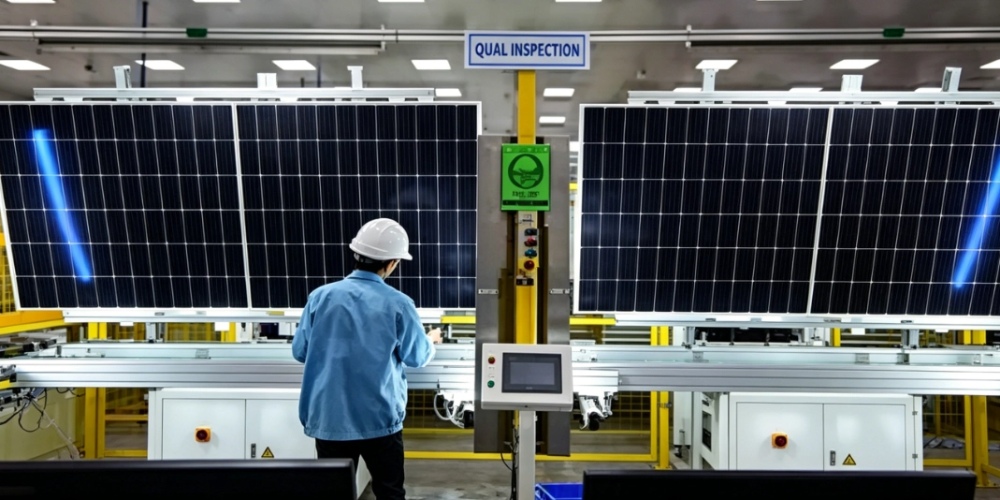
Hybrid Solar Power System Definition and Strategic Advantages
A hybrid solar power system combines photovoltaic generation with smart energy storage to deliver a steady, usable power source. This design lets you store extra energy in bright sun hours and use it when grid costs go up or during blackouts, which boosts self-use to the fullest.
Industrial Scale Hybrid Energy Architecture
Current setups rely on clever bi-directional inverters to handle tricky energy movements between the solar array, battery group, and the nearby grid. This arrangement matters a lot for big industries that need steady high loads and dependable backup for key equipment. Moreover, it keeps operations running smoothly even under tough conditions.
Efficiency Optimization in High Capacity Systems
These systems include Maximum Power Point Tracking (MPPT) technology, which tweaks the voltage of modules right away. As a result, the system runs close to its best output all the time, and this can raise total power production by as much as 20% over older setups. Therefore, it helps users get more value from their investment.
Seamless Grid Integration and Battery Synchronization
Smart control methods enable quick changes between power sources without halting your work. This matching is key for keeping power steady and avoiding dips in voltage across your site. In addition, it supports reliable performance day in and day out.
Stringent Silicon Wafer Purity and Material Verification
Your system’s output starts at the basic level with choosing silicon wafers. Solid building depends on pure monocrystalline silicon, which gives better electron flow and less wear over the 25 to 30-year life of the module.
High Grade Monocrystalline Cell Selection
Quality reviews focus on Grade A cells with even crystal patterns. These cells deliver top conversion rates, so they suit projects where getting the most energy from each square meter saves money. Consequently, they become the go-to choice for smart builds.
Anti PID Property Consistency Measures
Potential Induced Degradation (PID) might lead to big power drops in wide arrays. Dependable makers apply special materials and cell processes to keep things stable under high voltage pressure, which guards your future spending. This approach ensures lasting results over time.
Structural Integrity of Tempered Glass Layers
The front cover needs clear tempered glass with an anti-reflective layer. This part has to handle tough impact tests to stand up to things like hail and strong winds without hurting the inner cells. Thus, it protects the whole unit effectively.
Precision Cell Interconnection and Advanced Soldering Techniques
Soldering stands as the key mechanical step in solar panel building. Weak cell links cause spot resistance, which sparks “hot spots” that harm the module for good and cut the output of your full string.
Micro Crack Prevention via Automated Stringing
Hand work often brings hidden tiny cracks that grow later. Full auto stringers apply steady pressure and heat, so they keep the fragile silicon wafers intact. This method boosts overall reliability in the long run.
Busbar Alignment and Electrical Resistance Minimization
Exact busbar positioning is vital for good current gathering. Setups like the Bifacial Solar Panel 740W use advanced Multi-Busbar (MBB) tech to cut the path electrons take, and this lowers inner resistance losses a lot. As such, it improves energy flow noticeably.
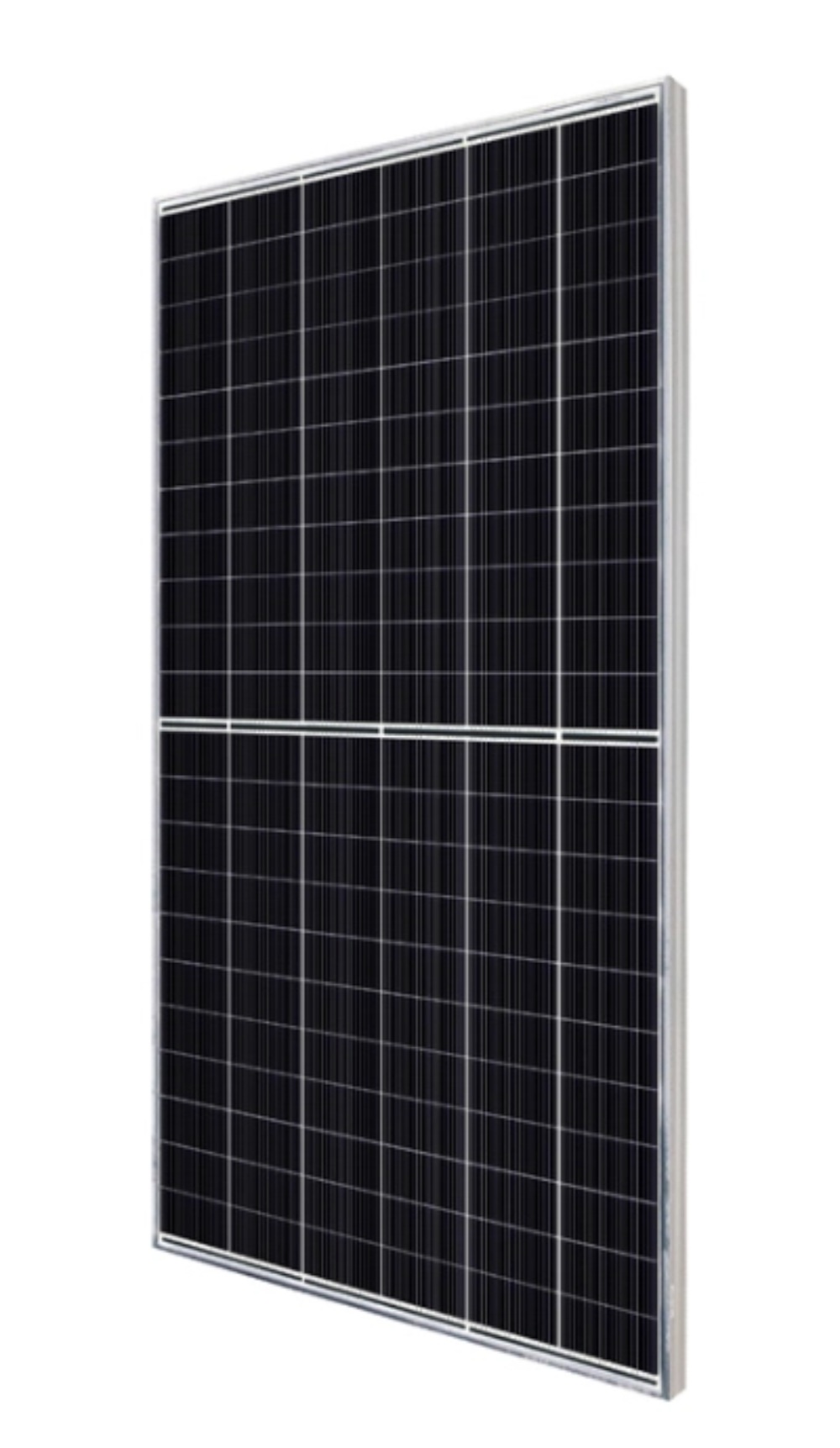
Thermal Stress Distribution in Multi Busbar Cells
Adding more busbars spreads the physical strain on each cell more evenly. This choice makes the module tougher against heat growth and shrinkage in wild temperature changes. Therefore, it supports better endurance in varied weather.
Vacuum Lamination Stability and Ethylene Vinyl Acetate Quality
Lamination forms a lasting barrier around the solar cells to shield them from outside factors. If this step goes wrong, water can seep in over time, leading to rust and total electrical breakdown.
Bubble Free Encapsulation Process Monitoring
Top Ethylene Vinyl Acetate (EVA) film is crucial for solid sealing. During the heat phase, strict vacuum levels must hold to remove air pockets that might cause peeling later. This careful watch ensures a clean finish every time.
Peel Strength Standards for Long Term Adhesion
Workers run peel checks to confirm the stickiness between glass, EVA, and the backsheet. Strong bonds keep the module firm even after years of sun rays and dampness. Hence, it maintains shape and function well into the future.
Moisture Ingress Protection via Multi Layer Backsheets
The backsheet acts as the last shield against current leaks and water entry. A layered fluoropolymer build gives the needed chemical strength to avoid fading or breaks over 30 years of use. This feature is essential for tough settings.
Rigorous Electroluminescence Testing and Performance Evaluation
Last quality steps use tools to spot flaws you can’t see. This phase checks that the final item hits its power rating and has no production issues.
Detection of Internal Micro Defects and Cracks
Electroluminescence (EL) testing works like an internal scan for solar panels. When current flows through, any breaks, dead zones, or weld flaws show as dark areas, so bad units get tossed right away. This process catches problems early and saves trouble later.
Accurate Power Tolerance Rating Verification
Flash tests measure the true wattage under Standard Test Conditions (STC). Good modules always have a positive power tolerance, which means you get at least what you expect in energy. As a result, it builds trust in the product.
Environmental Stress Screening for Field Reliability
Batch samples face heat cycles and wet-heat trials. These tests prove the build can handle climates in places like Southeast Asia or the Middle East. Therefore, it prepares units for real-world challenges effectively.
Optimized Wonvolt Systems for Commercial and Utility Scale Projects
For major energy shifts, the gear must match the site’s exact tech needs. High-output modules work well for business uses where cutting Balance of System (BOS) expenses is a main goal.
Industrial Performance of Wonvolt Hybrid Solutions
Setups from 150KW to 500KW are built for demanding factory settings. They supply the robust power for production sites, and they keep high output via well-made parts. This balance makes them ideal for heavy use.
Technical Scalability for Utility Operations
Big utility jobs gain from the 740W high-power modules, which mean fewer panel lines and less cable length. For compact, style-driven sites, the Solar Panel 450W Full Black gives a clean look while holding the same tech quality as bigger ones. Thus, it fits various project sizes smoothly.
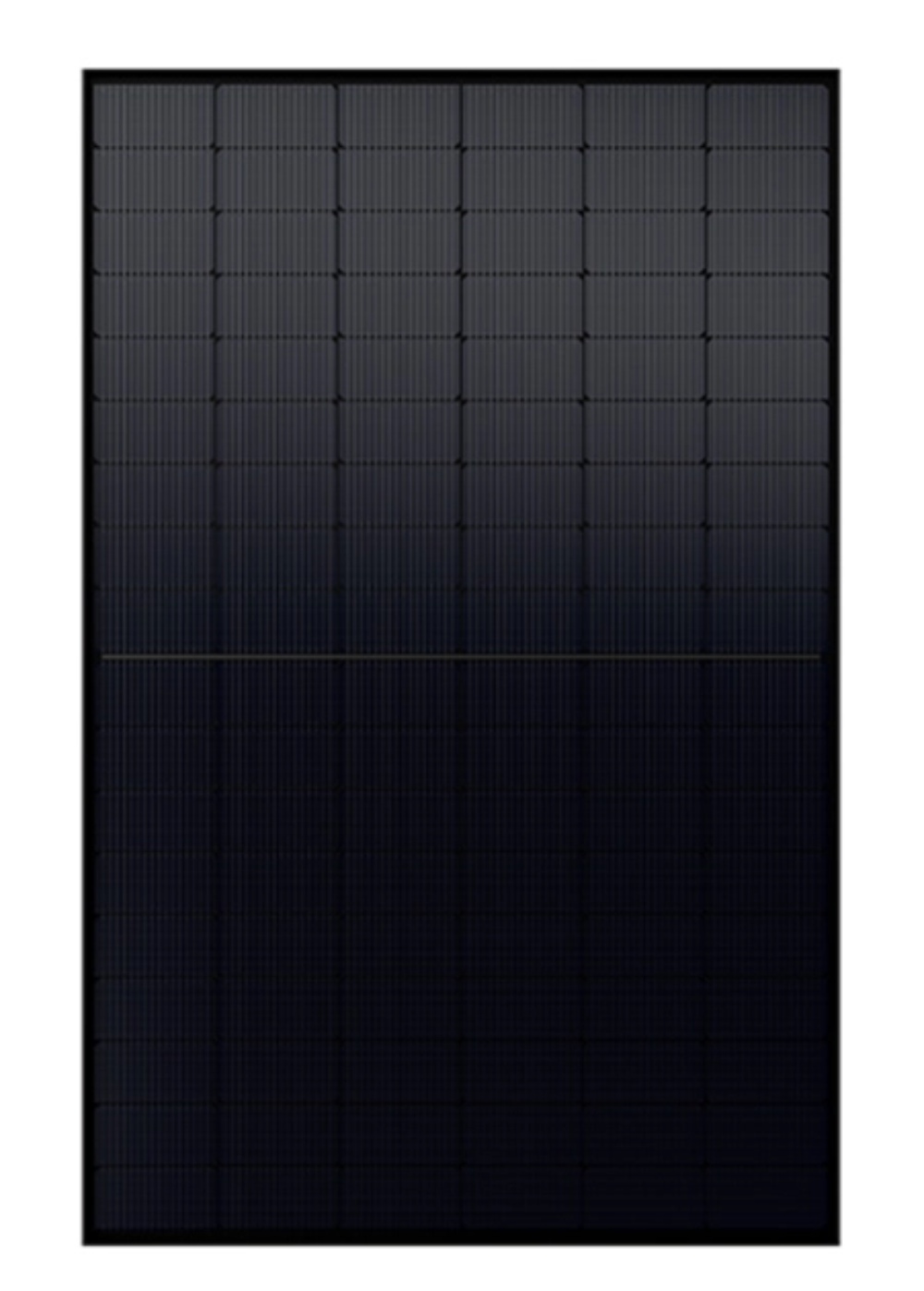
Global Distribution Beyond North American Markets
These items are tuned for worldwide rules like IEC 61215 and IEC 61730. This attention guarantees they meet regs and weather in global spots. Consequently, they serve users reliably everywhere.
Connect with Wonvolt for Professional Solar Infrastructure Solutions
Choosing the best teammate is the last move to make your solar plan work. For a custom energy plan, talk to pros who value tech accuracy over quick deals.
Specialized Engineering Support for Global Partners
Tech groups offer full pre-sale reviews to make sure each design is one-of-a-kind and fully matches the client’s power needs and site setup. This tailored help leads to better outcomes overall.
Consultation for 150KW to 500KW System Deployment
If you plan a business roof setup or a ground-based utility field, expert advice guides you through sizing and battery linking. It simplifies the tough parts of rollout. Therefore, projects stay on track.
Direct Communication via Wonvolt Official Channels
For full specs or a project price, contact them via the Wonvolt Contact Page. Skilled engineers stand ready to help with startup tests and training for your on-site staff. This support eases the whole process.
FAQ
Q1: Why is EL testing considered the most important quality check?
A: EL testing reveals internal micro-cracks and soldering defects that are invisible to the human eye but can cause significant power loss or fire hazards after installation.
Q2: What is the benefit of using N-type TOPCON technology in systems?
A: N-type TOPCON cells offer higher conversion efficiency and a lower temperature coefficient, meaning they perform better in hot climates and degrade slower over time.
Q3: How does a hybrid system handle power during a grid failure?
A: The system uses an integrated battery storage unit and a smart inverter to switch to “off-grid” mode instantly, providing continuous power to your critical loads.
Q4: Why should I choose high-wattage 740W modules for industrial projects?
A: High-wattage modules reduce the total number of panels needed, which lowers the costs for mounting structures, wiring, and labor, improving the overall project ROI.
Q5: Are these solar systems suitable for high-humidity environments?
A: Yes, by using dual-glass construction and high-grade EVA lamination, the modules are designed to prevent moisture ingress and corrosion in tropical or coastal regions.