



Solar buyers are not purchasing solar panels by rated watts on the nameplate of the panel. They care about the amount of kWh that their system will actually produce in real life scenarios – morning sun, cloudy days, hot days, low sun angle, long term degradation, etc. The energy yield of bifacial modules can be significant as it captures light from the front and back side of the module and converts it into additional electricity – which translates into more project returns without the need for additional roof space or additional modules.
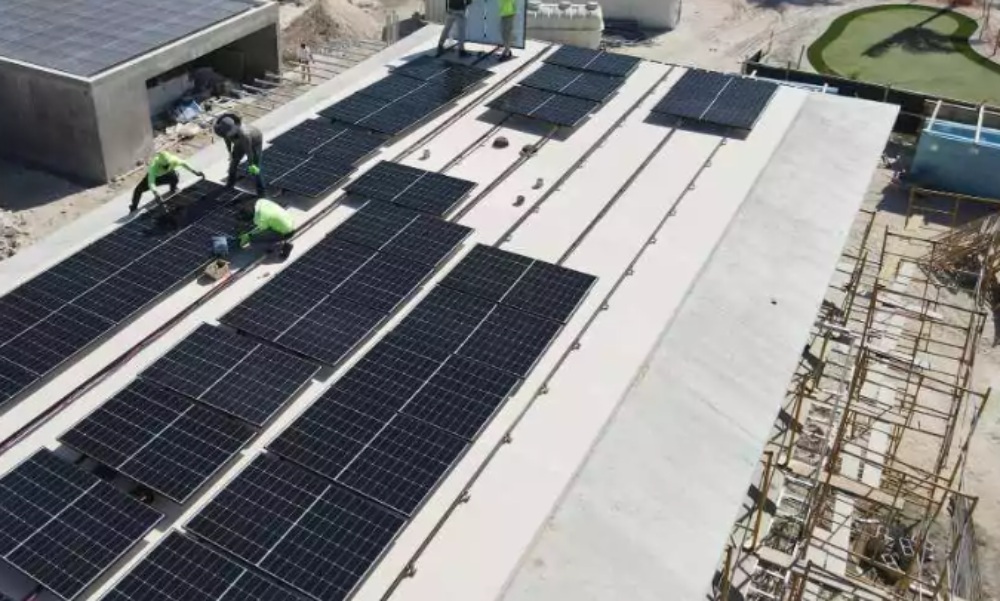
Why Does Bifacial Energy Yield Change Project Returns?
A solar panel’s rated power is tested under standard conditions, but your project runs outdoors. Real return of a solar system depends on many parameters such as amount of sunlight, reflectivity, module configuration, temperature, system design and maintenance. Bifacial modules utilize the light that would otherwise be lost and therefore give an additional source of energy.
It Uses Direct Sunlight and Reflected Light
A conventional panel mainly converts direct sunlight from the front side. A bifacial panel can also collect light reflected from the ground, roof, surrounding buildings, or other bright surfaces. This rear-side generation is the main reason bifacial panels can improve total energy yield.
The Bifacial Solar Panel 630W 210R Cell WV-66KUN630-H12RS is designed around this idea. The product page of its bifacial modules already mentions the 20% more of power that is generated from the backside of the module. This additional yield of energy results in a higher annual energy output and therefore a faster payback and lower cost per kilowatt-hour for the buyer.
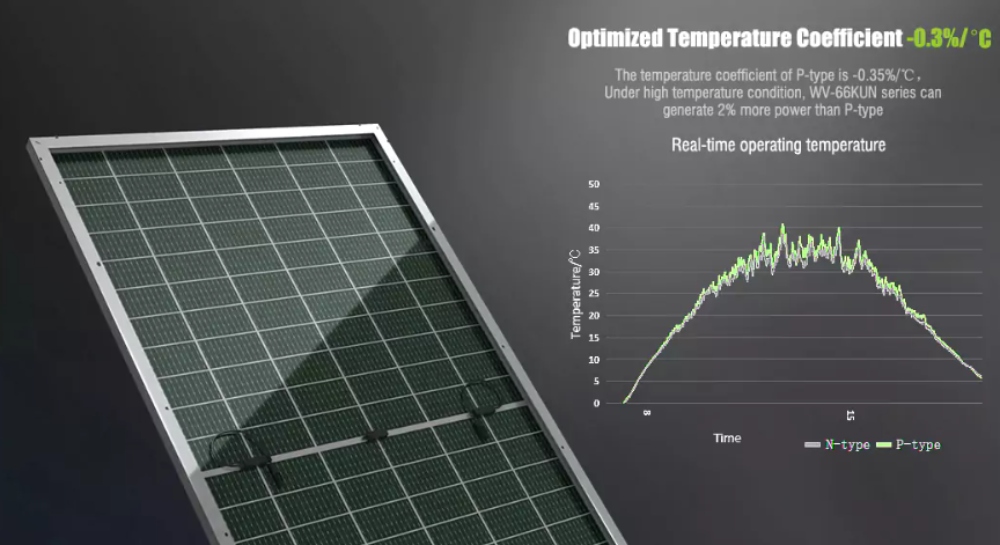
It Improves LCOE Instead of Only Chasing Wattage
LCOE means levelized cost of energy. It measures the real cost of each unit of electricity over the system life. A slightly higher output from the same installation area can reduce LCOE because fixed costs such as mounting, labor, transport, and project management are spread across more generated power.
This is why bifacial gain matters. You are not just buying a 630W class panel. You are buying a module that can create more usable energy when the site design allows the rear side to receive reflected light.
Which Technical Details Affect Real Yield?
Bifacial gain does not happen by chance. It depends on project design. If the rear side is blocked, dirty, too close to the surface, or installed over a dark ground, the gain will be limited. If the project uses a reflective surface, good spacing, and smart layout, the return can improve.
Ground Reflectivity Changes the Backside Gain
The rear side needs reflected light. Grass, concrete, light-colored roofing, white waterproofing materials, sand, and snow all reflect sunlight differently. A darker surface absorbs more sunlight, while a brighter surface reflects more light back to the module.
For B2B buyers, this means the same bifacial panel may perform differently across projects. Before choosing modules, check:
- Roof or ground color
- Surface reflectivity
- Dust and snow conditions
- Module height above the surface
- Shading from rails, cables, or nearby structures
If your project uses a white or light-colored roof, a ground-mounted system, or a reflective industrial rooftop, bifacial modules can be a stronger choice than standard monofacial panels.
Installation Height, Tilt, and Spacing Matter
Bifacial modules need rear-side exposure. If mounting rails, cables, or nearby rows block the back of the module, the extra yield will drop. Proper spacing helps reduce row-to-row shading and gives reflected light more room to reach the rear cells.
The installation angle also matters. A good tilt angle supports front-side sunlight while keeping enough reflected radiation for the backside. In many projects, the best choice is not the steepest angle or the tightest layout. It is the layout that balances front output, rear gain, installation cost, wind load, and maintenance access.
Why Choose a 630W TOPCON Bifacial Module?
A practical solar project needs more than an attractive yield claim. You need reliable cell technology, stable mechanical strength, clear electrical data, and long-term output confidence. A 630W class bifacial module can be a cost-effective option when you want strong output without moving into oversized module formats.
MBB TOPCON Cells Help Balance Efficiency and Cost
The Bifacial Solar Panel 630W 210R Cell WV-66KUN630-H12RS uses advanced MBB TOPCON cell technology. TOPCON technology is mature, widely applied, and suitable for cost-sensitive projects that still need good performance. The MBB design helps improve current collection and supports better module efficiency.
The WV-66KUN Series reaches up to 660W, with module efficiency listed up to 24.43%. It also supports excellent energy generation under low light or low angle conditions, which is helpful in mornings, evenings, cloudy weather, and roof layouts with less ideal orientation.
Mechanical Strength Reduces Long Term Risk
Project returns also depend on whether the modules can survive years of outdoor stress. The product uses a 132 cell layout, IP68 junction box with three diodes, 3.2mm heat strengthened glass, and an anodized aluminum alloy frame. Its listed mechanical loading includes 5400Pa front-side static load and 2400Pa rear-side static load.
For buyers, these details matter because wind, snow, hail, humidity, and long-term exposure can affect system reliability. A lower module price is not useful if early failure increases maintenance cost or reduces power generation.
Where Does Bifacial Yield Create the Most Value?
Bifacial modules can work in many solar projects, but the value is highest where reflected light, space limits, energy cost, or long operating life make extra yield financially meaningful.
Home Solar Projects With Limited Roof Space
For home solar projects, roof space is often limited. You may want more output without adding more panels or changing the whole roof design. A bifacial 630W class module can help increase energy yield when the roof surface, tilt, and layout support rear-side reflection.
The home and clean energy solution page is relevant if you need a full system view, including panels, inverters, and storage. A complete design matters because panel output, inverter matching, and battery storage should work together.
Industrial and Commercial Sites With Energy Cost Pressure
Factories, warehouses, farms, and commercial buildings often have large roof areas and high daytime electricity use. In these projects, small yield gains can become meaningful because the system runs at scale.
For industrial and commercial projects, bifacial modules can support self-consumption, peak shaving, and long-term energy cost reduction. A reflective roof, clean layout, and correct inverter design can help the project turn rear-side yield into stronger financial returns.
Utility Scale Projects That Need Bankable Output
Utility-scale projects focus on long-term energy generation, stable output, and predictable return. Bifacial technology is often attractive because the project area can be planned from the beginning, including row spacing, ground treatment, cable routing, and maintenance paths.
For utility scale solar planning, you should evaluate not only module wattage but also degradation, rear-side gain, mechanical load, system voltage, and site reflectivity. A design that protects rear-side access to reflected light can make bifacial gain more reliable.
How Should You Evaluate the Return Before Buying?
A good purchasing decision should connect module data with site reality. Do not judge a bifacial panel only by the maximum wattage. Look at the full path from sunlight to annual energy yield.
Use a Practical Buyer Checklist
Before choosing a bifacial module, check these points:
- Is the roof or ground surface reflective enough?
- Can the mounting system avoid rear-side shading?
- Is the row spacing wide enough to reduce shadow loss?
- Can the inverter handle the actual current and power range?
- Is the module certified for safety and reliability needs?
- Does the warranty match the expected project life?
- Can the supplier support sizing, installation, and commissioning?
The Bifacial Solar Panel 630W 210R Cell WV-66KUN630-H12RS is designed for customers who require a cost effective TOPCON bifacial module. The 630W module is covered by a 25 year linear power output warranty with less than 2% first year degradation and less than 0.55% annual degradation thereafter. Wonvolt can assist with choosing modules based on your roof type, required load, inverter and project design. Please contact the technical team to discuss in more detail before making a final size determination.
FAQ
Q1: How Much Extra Energy Can a Bifacial Solar Panel Generate?
A: It depends on ground reflectivity, installation height, tilt angle, spacing, and rear-side shading. A good reflective surface and clean layout can help the rear side contribute extra energy to the total system output.
Q2: Is Bifacial Technology Only Useful for Large Solar Farms?
A: No. Bifacial modules can also help home, commercial, and industrial rooftops when the rear side receives enough reflected light. Light-colored roofs and open mounting designs are especially useful.
Q3: Why Does Ground Reflectivity Matter for Bifacial Panels?
A: The rear side depends on reflected light. Bright surfaces reflect more sunlight toward the back of the module, while dark surfaces absorb more light and reduce bifacial gain.