



عادةً ما يوفر تركيب الألواح الشمسية مبالغ أكبر في البداية عندما لا تزال الألواح الحالية، والعاكس، وهيكل التثبيت، وأنظمة الحماية الكهربائية تتمتع بعمر افتراضي وقدرة فائضة. أما استبدال النظام بالكامل فيمكن أن يوفر مبالغ أكبر على المدى الطويل عندما تبدأ المعدات الأصلية بالتقادم، أو عندما لا يستطيع العاكس استيعاب مجموعة ألواح أكبر، أو عندما تُحدث الألواح الجديدة خللاً كهربائياً كبيراً. يعتمد القرار الأمثل على إنتاج الطاقة الإضافي، وأعمال التركيب، ووقت التوقف، والضمانات، والتوسع المستقبلي، والقيمة المتبقية للمعدات الموجودة في الموقع.
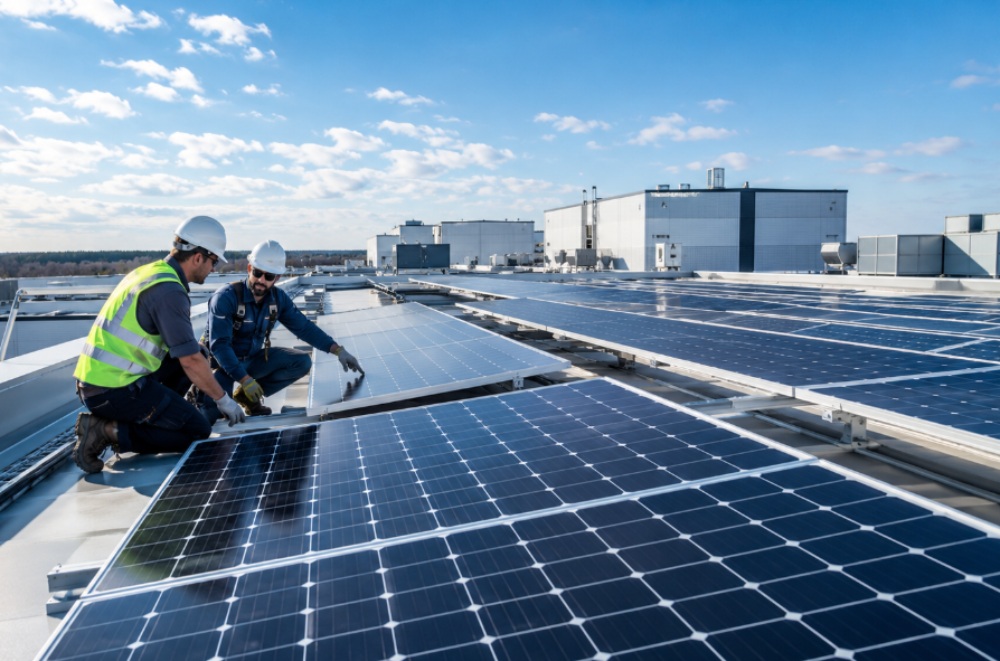
أي الخيارين أقل تكلفة في البداية؟
عادةً ما تتطلب عمليات التوسعة عددًا أقل من المكونات الجديدة، ولكن المشاريع الصغيرة لا تضمن دائمًا انخفاض تكلفة الوحدة. فعمليات الهندسة والرفع والتمديدات والتشغيل وفحوصات السلامة لا تزال قائمة. أما الاستبدال الكامل فيتطلب رأس مال أكبر، ولكنه يُجنّبنا أعمال التحديث المتكررة ويُتيح لنا دمج العديد من التحسينات في مشروع واحد.
تساهم إضافة الألواح في حماية قيمة الأصول الحالية
إذا كان أداء النظام الحالي جيدًا، فإن إضافة وحدات جديدة تتيح لك الاحتفاظ بالرفوف والكابلات ومفاتيح التوزيع وغيرها من المعدات القابلة للاستخدام. غالبًا ما يكون هذا هو الخيار الأقل تكلفة عندما تتوفر مساحة كافية ويكون لدى العاكس سعة تيار مستمر غير مستخدمة.
يتقلص التوفير عندما يتطلب المشروع عاكسًا إضافيًا، أو معدات حماية منفصلة، أو مسارات كابلات طويلة، أو تدعيمًا هيكليًا، أو إعادة توصيل أسلاك واسعة النطاق. ينبغي تسعير التوسعة كمشروع كهربائي متكامل، وليس كشراء لوحة توزيع كهربائية فقط.
يُؤدي الاستبدال إلى استثمار أعلى ولكنه أنظف
يتضمن مشروع الاستبدال تركيب نظام متكامل بوحدات متطابقة، وسعة عاكس، وكابلات، وأجهزة حماية، ونظام مراقبة. وتزيد تكلفته نظراً لتضمينه تكاليف الإزالة والنقل والتركيب والتشغيل.
مع ذلك، قد يُسهم نظام مُعاد تصميمه في تقليل تعقيد الصيانة، وتجديد تغطية الضمان، واستخدام المساحة المحدودة بكفاءة أكبر. وهذا أمر بالغ الأهمية عندما لا يستطيع المشروع الحالي استيعاب الأحمال المستقبلية.
قارن تكلفة الكيلوواط/ساعة الإضافية
قسّم إجمالي تكلفة الترقية على الطاقة الإضافية المتوقعة طوال عمر النظام. يشمل ذلك المعدات، والتصميم، والعمالة، وفقدان الطاقة في الكابلات، ووقت التوقف، والصيانة، والتخلص من النفايات. قد تكون التوسعة منخفضة التكلفة مكلفةً أيضاً في حال وجود عدم توافق أو انقطاع في التيار الكهربائي يحدّ من الإنتاج.
هل يمكن لأجهزتك الحالية استيعاب المزيد من الألواح الشمسية؟
قبل طلب الوحدات، تحقق من الحدود الكهربائية والميكانيكية للنظام الحالي. تُنتج وحدات الطاقة الشمسية تيارًا مستمرًا، بينما يقوم العاكس بتتبع نقطة التشغيل وتحويل الطاقة لاستخدامها في الموقع أو لربطها بالشبكة. قد يؤدي إضافة طاقة دون التحقق من الجهد والتيار وحدود تتبع نقطة التشغيل القصوى إلى تقليل الإنتاج أو خلق ظروف غير آمنة.
تحقق من طاقة العاكس وسعة MPPT
يجب أن يتمتع العاكس بسعة إدخال كافية للمصفوفة المضافة. يجب أن يبقى جهد السلسلة الجديد ضمن نطاق تتبع نقطة الطاقة القصوى (MPPT) أثناء التشغيل، بينما يجب أن يبقى جهد الدائرة المفتوحة في حالة البرودة أقل من الحد الأقصى لجهد الإدخال المستمر.
يُعدّ التيار عاملاً مهماً أيضاً. قد تتجاوز الوحدات ذات التيار العالي حدّ قناة تتبع نقطة الطاقة القصوى (MPPT) حتى عندما تبدو القدرة الإجمالية مقبولة. إذا لم يكن لدى العاكس هامش أمان، فقد يكون إضافة عاكس منفصل أكثر جدوى من استبدال جميع الوحدات.
قم بمطابقة جهد وتيار السلسلة
يجب أن تتمتع الوحدات المتصلة في سلسلة واحدة بخصائص كهربائية متوافقة. قد تؤدي الوحدة ذات التيار المنخفض إلى تقييد السلسلة بأكملها، بينما قد تؤدي فروق الجهد الكبيرة إلى إبعاد التشغيل عن نطاق الإنتاجية الأمثل.
لا يشترط أن تكون الوحدات الجديدة متطابقة في القدرة الكهربائية، ولكن لا ينبغي خلطها عشوائياً على جهاز تتبع نقطة الطاقة القصوى (MPPT) واحد. يمكن لسلاسل أو قنوات MPPT منفصلة أن تقلل من عدم التوافق عند اختلاف التقنيات أو الاتجاهات أو فئات الطاقة.
فحص معدات التركيب والحماية
تأكد من أن هيكل السقف أو الأرضية، والسكك، والمشابك، والأساسات، ومسارات الكابلات قادرة على تحمل الوحدات الإضافية. راجع العوازل، والصمامات، وقواطع الدائرة، والحماية من زيادة التيار، والتأريض، والموصلات، ومعدات التجميع، وسعة جانب التيار المتردد.
يؤثر طول الكابل وحجم الموصل على السلامة وفقدان الطاقة. تقلل مسارات التيار المستمر القصيرة ذات الحجم المناسب من انخفاض الجهد، بينما يجب أن يعكس اختيار كابل التيار المتردد الحد الأقصى لتيار الخرج للعكس.
متى يؤدي عدم تطابق الوحدات إلى تقليل مدخراتك؟
قد تختلف المصفوفات القديمة والجديدة في القدرة الكهربائية، ومستويات التدهور، وسلوك درجة الحرارة، والأبعاد، وتصنيفات التيار. يمكن أن يكون التحديث حلاً، ولكن يجب أن يمنع التصميم الجزء الأضعف من التحكم في الجزء الأقوى.
يؤدي التقدم في السن إلى تغيير الناتج الأصلي
تفقد الألواح الشمسية إنتاجها تدريجياً، لذا فإنّ تصنيف لوحة البيانات الخاصة باللوحة القديمة لم يعد يعكس أداءها الفعلي المتوقع. وعندما تشترك الألواح القديمة والجديدة في قناة تشغيل واحدة، قد يؤدي هذا الاختلاف إلى زيادة خسائر عدم التوافق.
يمكن لاختبارات الأداء أن تُظهر ما إذا كانت المجموعة القديمة لا تزال تستدعي التوسع. فإذا كان التدهور، أو النقاط الساخنة، أو الموصلات التالفة، أو تسرب الرطوبة، أو أعطال العزل منتشرة على نطاق واسع، فقد يكون الاستبدال خيارًا أفضل.
يتطلب التوجيه والتظليل تتبعًا منفصلاً
تتلقى الألواح الشمسية على أسطح أو صفوف مختلفة من السقف مستويات إشعاع شمسي متفاوتة. ويمكن لربط الوحدات المظللة وغير المظللة بجهاز تتبع واحد أن يقلل من تأثير الجزء الأكثر سطوعًا. كما توفر محولات السلسلة المزودة بقنوات MPPT متعددة مرونة أكبر في تصميم الألواح، وتتيح عزل المصفوفات ذات الظروف المختلفة.
لا يمكن للتكنولوجيا الجديدة إزالة المعوقات القديمة
يمكن للوحدات ذات الكفاءة العالية إنتاج طاقة أكبر من مساحة محدودة، لكنها لا تستطيع إزالة القيود الناتجة عن صغر حجم العاكس، أو قدم الكابلات، أو سوء التوجيه، أو ضعف التثبيت. قيّم النظام كسلسلة طاقة واحدة.
متى يكون الاستبدال الكامل أكثر توفيراً؟
يصبح الاستبدال أكثر جاذبية عندما تجتمع عدة معوقات. وتكون الحجة أقوى عندما يؤدي الاحتفاظ بالمعدات القديمة إلى تكرار العمل، أو عدم اليقين بشأن التوافق، أو محدودية فرص النمو المستقبلي.
النظام قريب من نقطة تجديد رئيسية
إذا كان العاكس، أو هيكل التثبيت، أو لوحة التوزيع، أو العديد من الوحدات الشمسية بحاجة إلى استبدال قريبًا، فإن إضافة ألواح شمسية قد تؤجل المشكلة بدلًا من حلها. وقد يساهم الجمع بين التجديد والتوسعة في خفض تكاليف التعبئة والتشغيل المتكررة.
المساحة المتاحة ثمينة للغاية بالنسبة للوحدات منخفضة الطاقة
تتميز أسطح المباني التجارية والأراضي المُجهزة بمساحة محدودة قابلة للاستخدام. ويمكن زيادة السعة دون الحاجة إلى توسيع المساحة المُغطاة باستبدال الألواح الشمسية القديمة ذات الإنتاجية المنخفضة بألواح ذات قدرة كهربائية أعلى. وقد يكون هذا الحل أكثر جدوى من تركيب عدد قليل من الألواح الجديدة في مناطق مظللة أو ذات توجيه غير مناسب.
لقد تغيرت استراتيجيتك للطاقة
قد يتطلب موقع يحتاج الآن إلى طاقة احتياطية، أو زيادة في الاستهلاك الذاتي، أو تقليل ذروة الاستهلاك، أو تخزين البطاريات في المستقبل، إعادة تصميم شاملة. توفر شركة WonVolt حلول الطاقة الشمسية والتخزين الصناعية والتجارية حيث تعمل عمليات توليد الطاقة وتخزينها وإدارة الأحمال معًا. حلول على نطاق المرافق دمج التحويل والمراقبة والحماية والتخزين للمشاريع الكبيرة.
أي نوع من الألواح الشمسية يناسب خطة توسعة ذات إنتاجية عالية؟
يمكن لوحدة الطاقة العالية تقليل عدد الألواح والمشابك والموصلات وفروع الكابلات اللازمة لتحقيق السعة المستهدفة. وهي مفيدة للغاية عندما تكون المساحة محدودة ويمكن للعكس استيعاب جهدها وتيارها.
منتج رئيسي للتوسع التجاري
إن لوحة شمسية ثنائية الوجه 660 واط، خلية 210R، WV-66KUN660-H12RS يُعد هذا النظام خيارًا عالي الإنتاجية للمصفوفات التجارية والصناعية. يستخدم تقنية الخلايا المستطيلة بقياس 210 مم، وتصميمًا ثنائي الوجه، وزجاجًا مزدوجًا مُقوّى حراريًا، وصندوق توصيل بتصنيف IP68، وإطارًا من سبائك الألومنيوم المؤكسد. تدعم هذه السلسلة إنتاجية طاقة عالية، وتدهورًا سنويًا أقل من 0.4%، وضمانًا خطيًا لإنتاج الطاقة لمدة 30 عامًا.
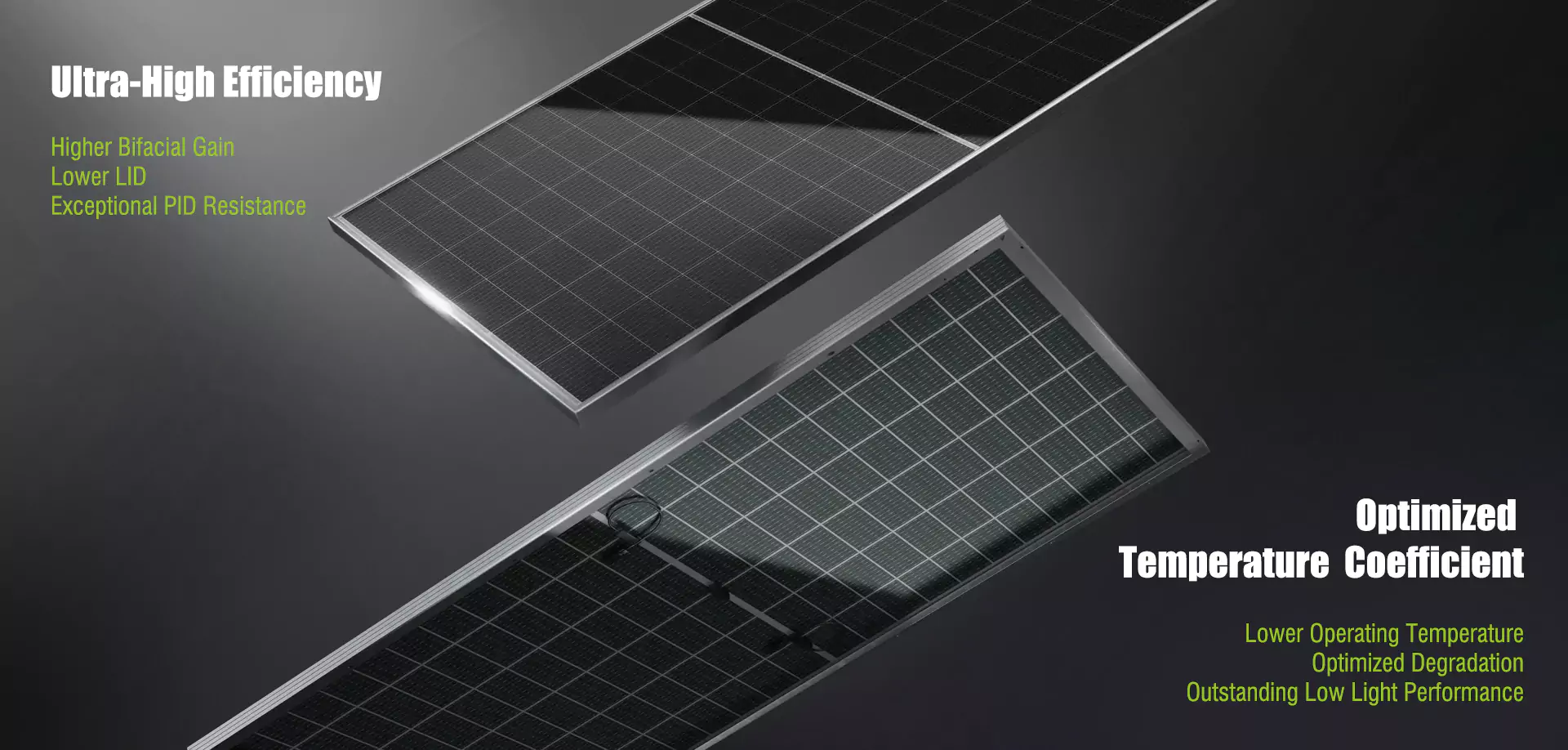
ضع هذه الوحدة على سلسلة مخصصة أو وحدة تتبع نقطة الطاقة القصوى (MPPT) عندما تختلف خصائص التيار أو الجهد للألواح الموجودة اختلافًا جوهريًا. قبل الاختيار، قارن أحدث ورقة بيانات مع نافذة إدخال العاكس، وطول السلسلة، ونطاق درجة الحرارة، وسعة الكابل، وظروف التحميل، ومنطقة التركيب.
كيف يمكن لشركة وون فولت دعم القرار؟
وونفولت تُطوّر الشركة ألواحًا شمسية، وبطاريات ليثيوم، ومحولات طاقة، وحلولًا متكاملة للطاقة النظيفة. تأسست عام ٢٠١٦، وتُشير التقارير إلى قدرة إنتاجية تبلغ ١.٢ جيجاواط من الألواح الشمسية و٢.٥ جيجاواط/ساعة من بطاريات الليثيوم، وتُستخدم منتجاتها في أكثر من ٩٠ دولة ومنطقة. تشمل خدمات الدعم الفني إجراء دراسات ميدانية قبل التصميم، والمساعدة في التشغيل، والتدريب.
ابدأ مراجعة التوسعة ببيانات الأحمال، وبيانات الإنتاج التاريخية، وسجلات العاكس، ورسومات الموقع، وفحص المعدات. لإجراء تقييم خاص بالمشروع، اتصل بالفريق التقني بدلاً من اختيار الوحدات بناءً على القدرة الكهربائية فقط.
أي الخيارين يوفر أكثر في النهاية؟
أضف الألواح الشمسية عندما تكون المعدات الحالية سليمة، ويكون لدى العاكس طاقة فائضة، وتتوفر مساحة كافية، ويمكن تشغيل السلاسل الجديدة دون أي خلل كبير. استبدل النظام عندما تبدأ المكونات الرئيسية بالتقادم، أو عندما تعيق القيود الكهربائية التوسع، أو عندما تكون المساحة المتاحة محدودة، أو عندما يحتاج المشروع إلى بنية جديدة للطاقة الشمسية مع تخزين الطاقة.
ليس بالضرورة أن يكون أقل سعر هو الخيار الأقل تكلفة. اختر الخيار الذي يوفر أقل تكلفة لكل كيلوواط ساعة قابلة للاستخدام طوال المدة المتبقية للمشروع.
أسئلة متكررة
س1: هل يمكن إضافة ألواح ذات قدرة كهربائية أعلى إلى نظام شمسي قديم؟
ج: نعم، ولكن يجب أن تتوافق الوحدات الجديدة مع حدود الجهد والتيار الخاصة بالعكس. قد يلزم وجود قنوات MPPT منفصلة أو عاكس آخر.
س2: هل يجب أن تتطابق الألواح الشمسية الجديدة مع الألواح الموجودة؟
ج: لا يحتاجون إلى نفس القدرة الكهربائية، ولكن يجب أن يكون للوحدات التي تشترك في سلسلة واحدة تيار وجهد وتقنية واتجاه وظروف تشغيل متوافقة.
س3: هل يكفي استبدال العاكس لتوسيع نطاق الطاقة الشمسية؟
ج: ليس دائماً. يجب عليك أيضاً التحقق من سعة التركيب، والكابلات، والقواطع، والعوازل، والحماية من زيادة التيار، والموصلات، ومتطلبات الشبكة، والمساحة.
س4: متى يجب استبدال نظام الطاقة الشمسية بالكامل؟
ج: ضع في اعتبارك الاستبدال عندما تتعرض الوحدات لتدهور خطير، أو عندما يقترب العاكس من نهاية عمره الافتراضي، أو عندما تحتاج العديد من المكونات إلى التجديد، أو عندما يحد التصميم القديم من النمو.
س5: هل تستطيع شركة WonVolt تصميم توسعة لنظام تجاري قائم؟
ج: يمكن لشركة WonVolt مراجعة ظروف الموقع، وطلب الأحمال، وتوافق المعدات، وتوليد الطاقة الشمسية، واحتياجات التخزين قبل اقتراح حل صناعي أو تجاري أو على نطاق المرافق.