



لكي تحقق بطاريات الطاقة الشمسية عوائد مجزية من خلال استخدام الطاقة المخزنة لتحقيق وفورات ملموسة، يجب مراعاة عاملين أساسيين: حجم البطارية واستهلاك المستخدم للطاقة. لا تُعدّ البطاريات الأكبر حجماً بالضرورة أكثر ربحية، إذ قد تتمتع بسعة أكبر، ولكن هذه السعة الزائدة قد تبقى غير مستخدمة في معظم الأوقات، مما يُطيل فترة استرداد الاستثمار الإضافي.
بالنسبة للمواقع التجارية، فإن أفضل النتائج تأتي من مطابقة سعة التخزين مع منحنى الحمل، وتوليد الطاقة الشمسية، وهيكل التعريفة، ومدة النسخ الاحتياطي المطلوبة. وونفولت تقوم الشركة بتطوير أنظمة الطاقة الشمسية وتخزين الطاقة للتطبيقات السكنية والصناعية والتجارية وعلى نطاق المرافق، مدعومة بتصميم النظام وتحويل الطاقة والمراقبة والخدمة الفنية.
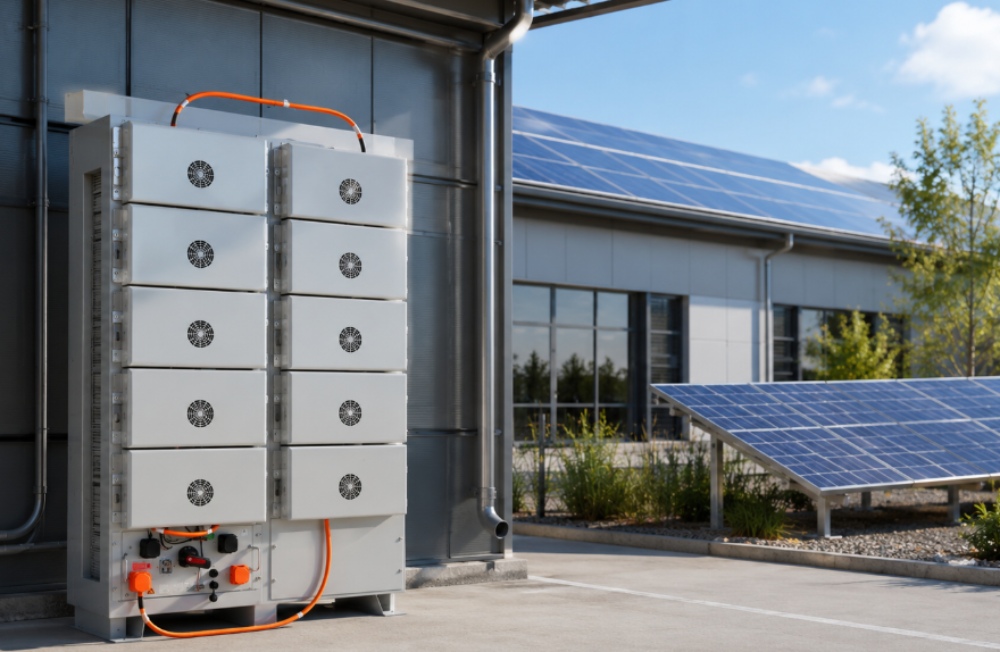
ما الذي تقيسه فترة استرداد تكلفة بطارية الطاقة الشمسية
فترة استرداد تكلفة بطارية الطاقة الشمسية هي المدة اللازمة لتساوي صافي الوفورات المتراكمة تكلفة النظام المُركّب. ويمكن حسابها ببساطة بقسمة إجمالي تكلفة المشروع على صافي الوفورات السنوية. فعلى سبيل المثال، نظام تكلفته 180,000 ويوفر 36,000 سنويًا، تكون فترة استرداد تكلفته خمس سنوات.
احسب كل مصدر من مصادر القيمة السنوية
قد تشمل القيمة السنوية استهلاك الطاقة الشمسية الذاتي الإضافي، وشحنًا بتكلفة أقل، وتفريغًا بتكلفة أعلى، وتقليل ذروة الطلب، وإدارة الطلب، وتقليل استخدام المولدات، وتجنب تكاليف انقطاع التيار. ويجب خصم تكاليف الصيانة، والطاقة الاحتياطية، وتدهور السعة، والتمويل، والاستبدال.
ينبغي أن تتضمن دراسة الجدوى النهائية مراعاة توقيت التدفقات النقدية، وتغيرات التعريفات الجمركية، وتدهور حالة البطاريات، والقيمة المتبقية للمعدات. كما ينبغي أن يكون هدف استرداد التكاليف ضمن نطاق العمر التشغيلي المتوقع.
لماذا قد يستغرق استرداد تكلفة البطارية الأكبر حجماً وقتاً أطول؟
تُظهر سعة البطارية بالكيلوواط/ساعة مقدار الطاقة التي يمكنها تخزينها. بينما تُظهر قدرتها بالكيلوواط سرعة شحنها أو تفريغها. يجب أن تتناسب كلتا القيمتين مع متطلبات الاستخدام.
يؤدي الحجم الزائد إلى خلق طاقة غير مستخدمة
لنفترض أن موقعك يوفر 120 كيلوواط/ساعة من الطاقة الشمسية الفائضة والموثوقة في يوم عادي. تركيب بطارية سعتها 250 كيلوواط/ساعة لا يضمن شحنها بالكامل. فإذا كان استهلاك الطاقة في المساء 100 كيلوواط/ساعة فقط، فقد يبقى جزء كبير من البطارية غير مستخدم.
لا تزال تدفع ثمن الخلايا والخزائن وأجهزة التحكم والحماية والتركيب وقدرة تحويل الطاقة. قد يرتفع إجمالي الوفورات، لكن العائد على كل وحدة من رأس المال قد ينخفض.
يؤدي صغر حجم الشحنات إلى فقدان الشحنات ذات القيمة العالية
قد تكون سعة البطارية غير كافية. فإذا نفدت قبل انتهاء فترة التعريفة المرتفعة، يعود الحمل المتبقي إلى شبكة الكهرباء. وإذا لم تستطع البطارية تغطية زيادة مفاجئة في الطلب، فقد يتحمل الموقع رسومًا مرتفعة على الطلب.
الهدف هو أصغر تكوين يحقق الوفورات المخطط لها بشكل موثوق مع السماح بتغيرات التشغيل العادية.
كيف يؤثر استهلاكك للطاقة على النتيجة؟
قد يختلف استهلاك البطاريات اختلافًا كبيرًا بين موقعين لهما نفس معدل استهلاك الكهرباء السنوي. فربما يستهلك أحدهما معظم الطاقة خلال النهار، بينما ينتج الآخر كميات كبيرة في المساء. وقد يكون لأحدهما أحمال مستقرة، بينما يعاني الآخر من ذروات قصيرة ومكلفة.
يُعد توقيت التحميل أكثر أهمية من الاستهلاك السنوي
تكشف البيانات التي تُجمع كل ساعة أو كل 15 دقيقة عن أوقات استهلاك الطاقة، ومستويات ذروة الاستهلاك، ومدة استمرارها. كما أنها تفصل بين احتياجات الطاقة المتغيرة واحتياجات الطاقة القصوى.
يمكن لموقع يتميز بإنتاج شمسي قوي في منتصف النهار واستهلاك مرتفع في المساء أن يُعيد شحن البطارية بانتظام. أما الموقع الذي يعتمد استهلاكه بالفعل على توليد الطاقة الشمسية، فقد لا يستفيد كثيراً من التخزين ما لم تُضف إدارة الطلب أو الطاقة الاحتياطية قيمةً إضافية.
ركوب الدراجات يومياً يُسرّع من التوفير
تُحقق البطارية التي تُكمل دورة شحن وتفريغ مفيدة في معظم أيام التشغيل قيمة سنوية أكبر من تلك التي تُستخدم فقط خلال حالات انقطاع التيار الكهربائي النادرة. ولا يُفيد تكرار دورات الشحن والتفريغ إلا إذا حققت كل دورة وفورات كافية والتزمت بحدود التشغيل الموصى بها.
إن حلول وون فولت الصناعية والتجارية يجمع هذا النظام بين الطاقة الاحتياطية، وتقليل ذروة الطلب، والاستهلاك الذاتي. ويمكن أن يؤدي تنسيق هذه الوظائف إلى تحسين الاستخدام لأن نفس الأصل يدعم العديد من احتياجات العمل.
ما هي سعة البطارية التي يمكنك استخدامها فعلياً؟
لا تتطابق السعة الاسمية مع الطاقة المُوَصَّلة. وتعتمد الكمية القابلة للاستخدام على عمق التفريغ، وكفاءة التحويل، ودرجة الحرارة، وحالة البطارية، وضوابط النظام.
حساب الطاقة القابلة للاستخدام قبل فترة الاسترداد
التقدير العملي هو:
الطاقة المُوَصَّلة القابلة للاستخدام = السعة الاسمية × عمق التصريف المسموح به × كفاءة التصريف
إذا كانت بطارية سعتها 200 كيلوواط/ساعة تعمل عند مستوى تفريغ 80%، فإن 160 كيلوواط/ساعة ستكون متاحة قبل فقدان الطاقة أثناء التحويل. وعند كفاءة تفريغ 95%، تصل حوالي 152 كيلوواط/ساعة إلى الحمل. يجب الحصول على القيم الدقيقة من البطارية والعاكس واستراتيجية التشغيل المختارة.
ينبغي أن يستخدم نموذج التوفير الخاص بك أداء الرحلة ذهابًا وإيابًا لأن الطاقة المستخدمة في الشحن أكبر من الطاقة التي يتم تسليمها لاحقًا.
حماية القدرة دون إهدارها
قد يؤدي الشحن والتفريغ الجزئيان إلى عدم استغلال كامل سعة البطارية المدفوعة. كما أن التشغيل المتكرر بالقرب من مستويات الشحن القصوى قد يزيد من إجهاد البطارية. لذا، ينبغي أن يوازن نطاق التشغيل بين التوفير السنوي وإنتاجية الطاقة على المدى الطويل.
يراقب نظام إدارة البطاريات الجهد والتيار ودرجة الحرارة وحالة الشحن والظروف غير الطبيعية. ويقوم نظام إدارة الطاقة بجدولة عمليات الشحن والتفريغ بناءً على إنتاج الطاقة الشمسية، واستهلاك الطاقة، والتعريفات، وأولويات التشغيل.
أي بطارية تناسب أهداف الاسترداد التجاري؟
بالنسبة للمصانع والمستودعات والمزارع ومخازن التبريد ومواقع التعدين والتصنيع، تُسهّل مجموعة البطاريات عالية الجهد المعيارية عملية مطابقة السعة. إذ يُمكن اختيار سعة التخزين بناءً على الحمل المقاس بدلاً من إجبار كل مشروع على حجم ثابت واحد.
خيار بطارية قابل للتطوير بسعة 100-261 كيلوواط ساعة
التحديث مجموعة بطاريات ليثيوم 100-261 كيلوواط ساعة 51.2 فولت 314 أمبير ساعة يناسب هذا النظام المشاريع التجارية التي تحتاج إلى وحدات تخزين معيارية. يستخدم التصميم المُعدَّل وحدات بطاريات 51.2 فولت 314 أمبير/ساعة، ويوسع نطاق النظام إلى 100-261 كيلوواط/ساعة.
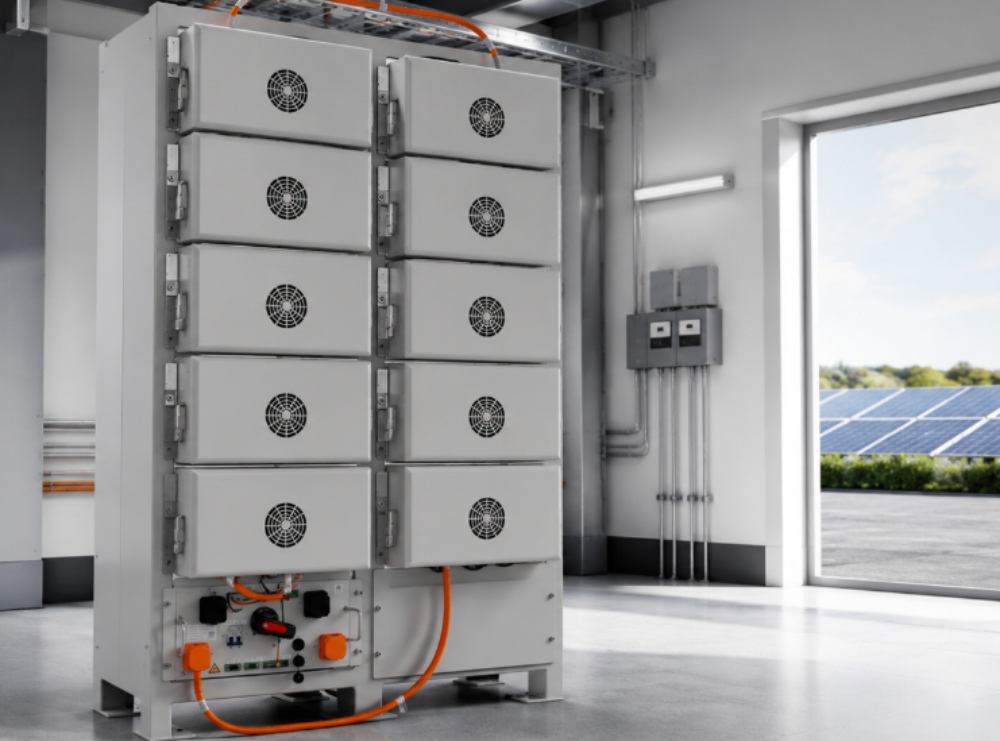
تعتمد منصة المنتج على خلايا فوسفات الحديد الليثيوم، ونظام إدارة ذكي للبطارية، ونظام تبريد هوائي ذكي، وتصميم تفريغ بمعدل 0.5C. ويبلغ عمر دورة الشحن والتفريغ المستهدف أكثر من 10000 دورة عند درجة حرارة 25 درجة مئوية. يجب أن يتضمن عرض السعر النهائي معلومات حول جهد البطارية، وتيار التشغيل، والسعة القابلة للاستخدام، وتصميم التبريد، وظروف الموقع للتكوين المختار.
قد يناسب التكوين الأصغر تقليل ذروة الطلب القصيرة أو فائض الطاقة الشمسية المحدود. أما التكوين الأكبر فقد يناسب فترات تعريفة أطول، أو أحمالًا مسائية أكبر، أو نظامًا مشتركًا لإدارة الطاقة والنسخ الاحتياطي.
كيف يمكنك تقصير فترة الاسترداد
عادةً ما يتحقق العائد الأسرع من خلال الاستخدام الأمثل للطاقة، وليس بمجرد شراء بطارية أرخص. يجب أن يستغل التصميم أعلى قيمة ممكنة من الطاقة (كيلوواط/ساعة) مع التحكم في الفاقد.
مطابقة السعة مع منحنى الحمل المقاس
استخدم بيانات فترات زمنية تمتد لعدة أشهر. حدد فائض الطاقة الشمسية، وفترات التعريفة المرتفعة، وذروات الطلب، وسجل انقطاع التيار الكهربائي، والأحمال الحرجة، والتغيرات الموسمية. ثم قم بمحاكاة أحجام مختلفة للبطاريات.
قارن بين الطاقة المُفرَغة سنوياً، وتكلفة الكهرباء المُتجنَّبة، وذروات الشبكة المتبقية، والدورات المتوقعة، والسعة غير المُستخدَمة. غالباً ما يظهر الحجم الأمثل عندما تبدأ السعة الإضافية في تحقيق وفورات إضافية أقل بكثير.
تدفقات القيمة المتوافقة مع المكدس
قد تدعم البطارية الاستهلاك الذاتي للطاقة الشمسية أثناء التشغيل العادي، وتخفيف ذروة الطلب خلال ساعات الإنتاج، وتوفير الطاقة الاحتياطية أثناء انقطاع التيار الكهربائي. يجب تنسيق هذه الوظائف لضمان بقاء شحنة كافية لأداء المهمة ذات الأولوية القصوى.
قد تتطلب المشاريع الكبيرة تخزينًا في حاويات، وتحكمًا حراريًا، وحماية من الحرائق، ومراقبة، وتحويلًا للطاقة قابلًا للتطوير. حلول تخزين على نطاق المرافق تستوعب فترات أطول ومتطلبات طاقة أكبر عندما لا يكون التخزين على مستوى الخزانة مناسبًا.
تقليل الخسائر التي يمكن تجنبها في الأنظمة
يؤدي عدم دقة حجم الكابلات، وضعف مطابقة العاكس، وارتفاع استهلاك الطاقة المساعدة، وضعف التحكم في درجة الحرارة، وجداول الشحن غير المناسبة إلى تقليل الطاقة المُقدمة وإضعاف العائد.
كامل حلول الطاقة الشمسية والبطاريات ينبغي مواءمة توليد الطاقة الكهروضوئية، وطاقة البطارية، وطاقة العاكس، ومنطق التحكم، وأحمال الموقع. وهذا يمنع تقييد البطارية بواسطة مكون آخر.
ما الذي يجب عليك السؤال عنه قبل الطلب؟
اطلب نموذجًا يعتمد على الحمل بدلاً من عرض أسعار يعتمد على السعة فقط. يجب أن يوضح النموذج طاقة الشحن والتفريغ المتوقعة، وعدد الدورات السنوية المكافئة، وعمق التفريغ القابل للاستخدام، وفقدان الطاقة ذهابًا وإيابًا، وافتراضات التدهور، والوفورات السنوية، وحساسية التعرفة.
تأكد من أن السعة تظل مفيدة خلال فترات انخفاض النشاط الشمسي، وأن الطاقة قادرة على تغطية ذروة الأحمال. راجع أنظمة التبريد، وحماية الهيكل، والسلامة من الحرائق، والمراقبة، وتوافق العاكس، والتشغيل، وشروط الضمان، وترتيبات الصيانة.
أقصر فترة استرداد موثوقة تأتي من نظام ليس كبيرًا جدًا ولا صغيرًا جدًا. اتصل بـ WonVolt مع بيانات الحمل الفاصل الزمني، ومعلومات التعريفة، وتقديرات توليد الطاقة الشمسية، ومتطلبات النسخ الاحتياطي لتحديد حجم المشروع المحدد.
أسئلة متكررة
س1: هل يؤدي استخدام بطارية شمسية أكبر إلى تقليل فترة استرداد التكاليف دائمًا؟
ج: لا. لا تفيد السعة الإضافية إلا عندما يستخدمها فائض الطاقة الشمسية، ونافذة التعريفة، والأحمال بشكل متكرر بما فيه الكفاية.
السؤال الثاني: هل ينبغي تحديد حجم البطارية بناءً على الاستخدام اليومي للطاقة؟
ج: الاستخدام اليومي ليس سوى نقطة انطلاق. أنت بحاجة أيضًا إلى توقيت الأحمال، وذروة الطاقة، وفائض الطاقة الشمسية، والتعريفات، والفصول، ومدة النسخ الاحتياطي.
س3: كيف يؤثر عمق التفريغ على فترة استرداد تكلفة البطارية؟
ج: إنها تغير الطاقة القابلة للاستخدام لكل دورة. يجب أن تستخدم حسابات فترة الاسترداد الطاقة المُوَصَّلة بدلاً من السعة الاسمية.
س4: هل يمكن للبطاريات التجارية أن تحقق قيمة بدون ألواح شمسية؟
ج: نعم. يمكن للتخزين أن ينقل الكهرباء ذات الأسعار المنخفضة، ويقلل من ذروة الطلب، ويدعم أحمال النسخ الاحتياطي، ويحسن تشغيل المولدات حيث تسمح التعريفات بذلك.
س5: ما المعلومات التي يحتاجها برنامج WonVolt لتحديد حجم البطارية؟
ج: تحتاج شركة WonVolt إلى بيانات الأحمال الفاصلة، والتعريفات، والقدرة الشمسية، وذروة الطلب، والأحمال الحرجة، ومدة النسخ الاحتياطي، وظروف الموقع، وخطط التوسع.