



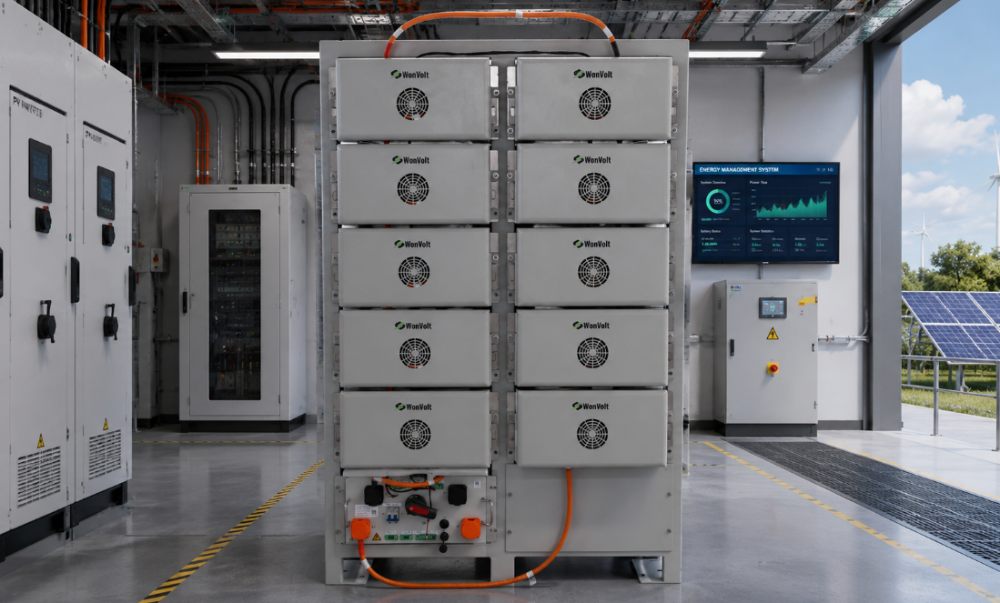
Investice do skladování energie se stává rizikovou, pokud je projekt příliš brzy vázán na jednu pevnou kapacitu. Vaše továrna může přidat výrobní linky, vaše solární elektrárna může potřebovat delší hodiny vybíjení nebo váš komerční areál může později přidat nabíjecí zařízení. Modulární bateriový cluster vám pomůže začít s praktickou velikostí systému a poté jej postupně rozšiřovat s růstem zátěže. Místo placení za nevyužitou kapacitu od prvního dne můžete projekt BESS postavit na základě skutečné poptávky, bezpečnějšího provozu baterií, snadnější údržby a jasnější návratové cesty.
Proč je modularita důležitá při investicích do BESS?
Škálovatelný projekt BESS by vás neměl nutit odhadovat každou budoucí změnu zátěže před první instalací. Modularita je důležitá, protože dává vašemu projektu prostor pro růst a zároveň udržuje pod kontrolou počáteční kapitálový tlak. Pro komerční, průmyslové a užitkové úložiště energie je to často rozdíl mezi opatrnou první fází a předimenzovaným systémem, jehož návratnost trvá příliš dlouho.
Menší první investice
Modulární bateriový cluster vám umožňuje přizpůsobit první stupeň systému aktuální poptávce po elektřině. Pokud je vaším hlavním cílem úspora energie ve špičce, záložní napájení nebo vlastní solární spotřeba, můžete baterii dimenzovat podle zátěže, která je nejdůležitější. Tím se vyhnete placení za kapacitu, která může být během prvního roku provozu nevyužitá.
Pro lokality s proměnlivými výrobními harmonogramy je to důležité. Sklad, továrna, farma, logistické centrum nebo průmyslový park nemusí zpočátku potřebovat plnohodnotné skladování. Modulární design vám umožňuje nejprve investovat do užitečné kapacity a rozšíření si nechat na pozdější fázi.
Snadnější rozšíření kapacity
Projekt BESS roste hladceji, když architektura baterií podporuje modulární rozšiřování. Lithiová baterie s kapacitou 100–261 kWh, 51,2 V, 314 Ah je navržen pro komerční a průmyslové skladování energie s modulární strukturou lithiových bateriových klastrů, která pomáhá kupujícím plánovat škálovatelnou kapacitu. Podporuje návrh systémů 1000 V i 1500 V, což projektantům poskytuje větší flexibilitu při porovnávání bateriových klastrů, systémů PCS a správy energie na úrovni lokality.
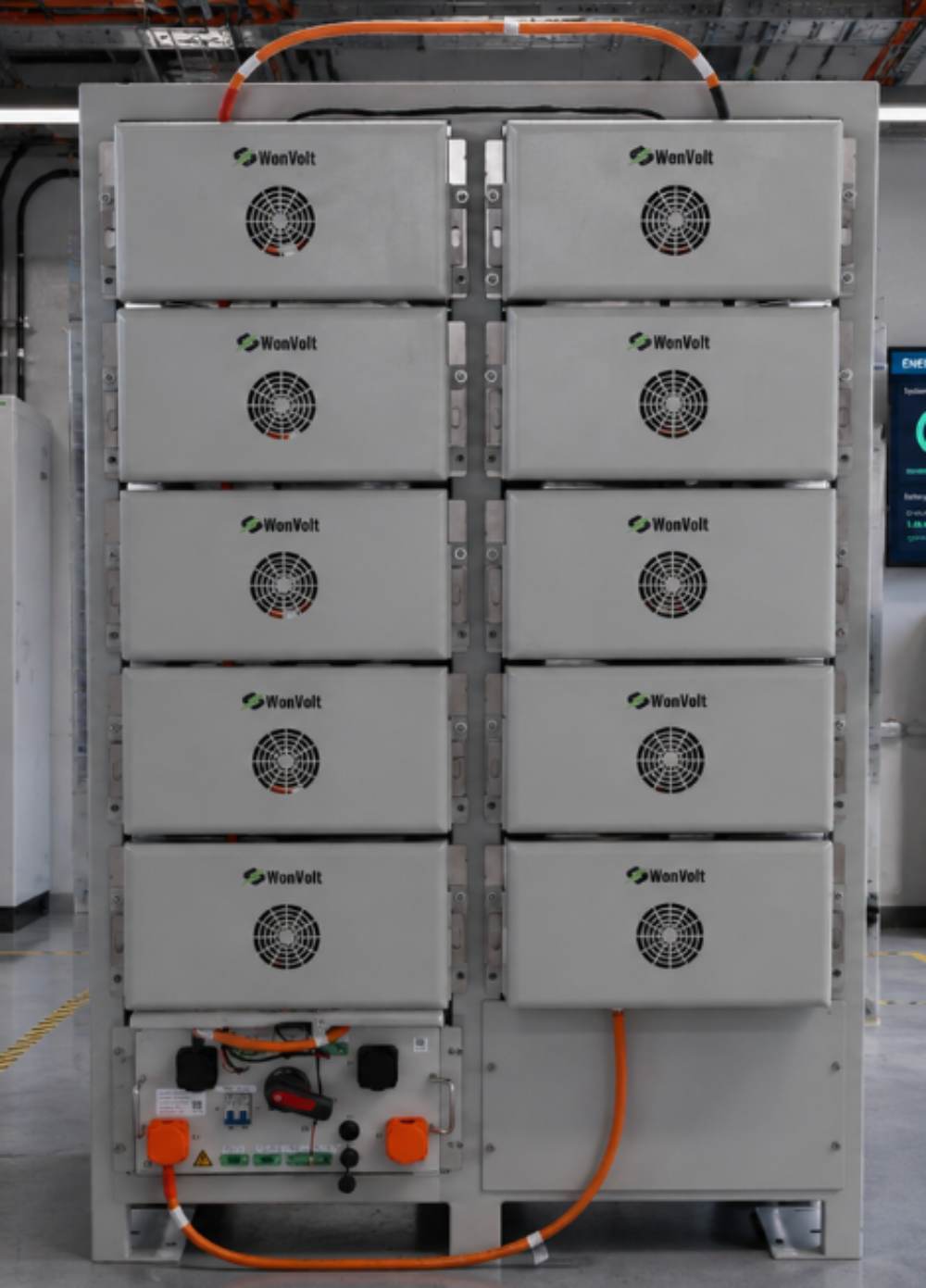
Produkt také podporuje maximálně 26 modulů a 372 kWh na cluster, což pomáhá větším projektům plánovat kapacitu v přehledných stavebních blocích. Pro kupující to usnadňuje předvídatelnost dalšího upgradu.
Jak modulární bateriové clustery snižují technické riziko?
Investiční riziko se netýká jen ceny. Systém, který je obtížné integrovat, nestabilní při zátěži nebo obtížně udržovatelný, může po uvedení do provozu vytvářet skryté náklady. Modulární cluster snižuje technické riziko zlepšením systémového párování, monitorování baterií a budoucího přístupu k službám.
Vyšší kompatibilita s měniči
Jednou z častých obav při zadávání zakázek na systémy BESS je, zda bateriový systém může fungovat s již vybraným střídačem nebo systémem PCS pro daný projekt. Špatná kompatibilita může zpozdit uvedení do provozu a zvýšit náklady na inženýrské práce. Bateriový cluster od společnosti WonVolt je navržen s vysokou kompatibilitou s měniči a podporuje přibližně 90 % možností měničů na trhu. To pomáhá snižovat integrační riziko pro týmy EPC a majitele projektů.
Pro kupující, kteří plánují projekt solární energie s úložištěm, je kompatibilita obzvláště důležitá. Solární fotovoltaické systémy generují stejnosměrný proud, zatímco systém úložiště se musí nabíjet a vybíjet na základě poptávky po zátěži, podmínek v síti a strategie řízení. Kompatibilnější bateriový cluster usnadňuje připojení a správu systému.
Inteligentní BMS pro bezpečnější provoz
Bateriový cluster se skládá z mnoha článků zapojených sériově a paralelně. Celková životnost sady silně závisí na konzistenci článků. Pokud jeden článek funguje špatně, celý cluster může rychleji ztratit použitelnou kapacitu. Proto je při návrhu úložišť energie důležitá konzistence baterií, třídění a správa baterií.
Chytrý systém BMS pomáhá monitorovat napětí, proud, teplotu, stav nabití a poruchové stavy. Dokáže optimalizovat výkon baterie a chránit systém během nabíjení a vybíjení. U modulárního projektu BESS to není malý detail. Ovlivňuje bezpečnost, využitelnou energii, plánování údržby a životnost baterie.
Bezpečnost a dlouhá životnost LFP buněk
Lithium-iontové baterie nemají paměťový efekt, který se vyskytuje u některých starších baterií, takže je před nabíjením není nutné zcela vybít. Díky tomu jsou praktičtější pro každodenní skladování energie, kde se plány nabíjení a vybíjení mění v závislosti na ceně elektřiny, výkonu solární energie a požadavcích na zátěž.
Na Lithiová baterie s kapacitou 100–261 kWh, 51,2 V, 314 Ah Používá spolehlivé články LFP s 15letou životností a více než 10 000 cykly. U projektů s dlouhým provozem je životnost cyklů jedním z nejsilnějších signálů investiční kvality. Ukazuje, zda baterie dokáže zvládnout každodenní používání bez tlaku na předčasnou výměnu.
Proč je výboj 0,5 °C cenný pro komerční projekty?
Poptávka po energii není vždy rovnoměrná. Mnoho komerčních a průmyslových areálů má čerpadla, ventilátory, motory, kompresory, výrobní linky, zařízení pro chladírenské skladování nebo nabíjecí zátěže. Bateriový cluster musí poskytovat dostatečný vybíjecí výkon, aniž by vás nutil předimenzovat celý systém. Zde se rychlost vybíjení stává praktickým faktorem při nákupu.
Lepší shoda s denními křivkami zatížení
Konstrukce s vybíjecím proudem 0,5 C znamená, že baterie dokáže dodat silný výkon a zároveň udržet investice do systému pod kontrolou. Pro mnoho scénářů C&I to stačí k pokrytí špičkové zátěže, záložního zatížení, přesunu solární energie a částečné podpory provozu mimo síť.
Na stránce produktu je zdůrazněno vybíjení při 0,5 °C jako způsob, jak zajistit vysoký výstupní výkon, pokrýt různé scénáře a snížit investice. Pro kupující to znamená, že zvládnou mnoho běžných komerčních zátěží, aniž by museli platit za systém s vysokým vybíjením, který váš projekt nemusí potřebovat.
Nižší tlak při nadměrném dimenzování
Předimenzování baterií je jedním z nejjednodušších způsobů, jak plýtvat rozpočtem. Pokud váš projekt vyžaduje vysoký výkon pouze pro krátká období špičky, může vhodný vybíjecí výkon snížit potřebu zbytečné dodatečné kapacity. Díky tomu je systém nákladově efektivnější a snáze se odůvodňuje při finančním přezkoumání.
Klíčem je správné sladění výkonu a energie. Výkon určuje, kolik elektřiny může systém dodat najednou. Energie určuje, jak dlouho může fungovat. Modulární clustery usnadňují toto vyvážení, protože můžete upravit počet modulů a clusterů na základě skutečných dat o zatížení.
Kde mohou modulární bateriové klastry vytvářet větší hodnotu?
Modulární bateriový cluster je nejcennější, když projekt vyžaduje postupný růst, kontrolu nákladů na energii nebo čistší integraci se solární a rozvodnou energií. Proto je vhodný pro mnoho průmyslových a komerčních lokalit, stejně jako pro větší projekty úložiště dat, které vyžadují opakovatelné systémové bloky.
Průmyslové a komerční skladování energie
V průmyslových a komerčních projektech jsou obvyklými cíli snižování špičkové spotřeby, záložní napájení, vlastní spotřeba solární energie a nižší náklady na elektřinu. Průmyslové a komerční řešení Společnost WonVolt se zaměřuje na tyto skutečné potřeby aplikací. Pro továrny, farmy, logistická místa, kancelářské parky a komerční budovy mohou modulární baterie snížit riziko přílišných investic, než bude profil zátěže plně prokázán.
Systém s akumulací energie může také podporovat nouzové napájení, když je síť nespolehlivá. V oblastech postižených nestabilním napájením ze sítě nebo nepříznivým počasím může akumulace energie ze solární energie nebo levné elektřiny pomoci udržet klíčové operace.
Skladování energie v užitkovém měřítku
Větší projekty skladování energie vyžadují opakovatelnou strukturu, předvídatelný bezpečnostní návrh a škálovatelnou kapacitu. Řešení pro užitkové váhy od společnosti WonVolt podporuje rozsáhlé aplikace pro ukládání energie, kde se plánování kapacity, konzistence baterií a řízení na úrovni projektu stávají důležitějšími.
U projektů v užitkovém měřítku mohou modulární bateriové clustery zjednodušit inženýrské práce, protože každý cluster se stává součástí většího standardizovaného systému. To usnadňuje přepravu, instalaci, uspořádání systému a pozdější údržbu.
Projekty Solar Plus Storage
Solární panely přeměňují sluneční světlo na stejnosměrný proud. Ve spojení s úložištěm energie může systém flexibilněji využívat solární energii, místo aby veškerou energii posílal přímo do zátěží nebo do sítě. Úložiště energie může snížit tlak na přenos, podpořit distribuovanou výrobu a zvýšit hodnotu obnovitelné energie.
Společnost WonVolt poskytuje komplexní řešení pro čistou energii, včetně solárních panelů, kontejnerových systémů BESS, lithiových baterií a bateriových systémů pro projekty I&C. Širší strukturu řešení si můžete prohlédnout na Řešení WonVolt strana.
Co byste si měli ověřit před koupí modulárního bateriového clusteru?
Dobrý bateriový cluster by měl odpovídat projektu, ne jen vypadat dobře v datovém listu. Před nákupem byste měli zkontrolovat chemické složení baterie, rychlost vybíjení, napěťovou platformu, životnost, způsob chlazení, certifikaci, BMS, kompatibilitu s měniči a limit rozšíření.
Napětí systému a limit expanze
U větších projektů BESS mohou systémy 1000 V a 1500 V ovlivnit návrh kabelů, přizpůsobení PCS, energetickou účinnost a uspořádání instalace. Bateriový cluster, který podporuje obě platformy, dává inženýrům větší konstrukční svobodu. Maximální počet modulů a kapacita clusteru také záleží, protože definují, jak daleko lze systém rozšířit bez změny základní architektury.
Chlazení a podmínky na místě
Teplota baterie ovlivňuje výkon, bezpečnost a životnost. Produkt využívá inteligentní chlazení vzduchem, které může být praktické pro mnoho komerčních a průmyslových aplikací. Před konečným výběrem byste si měli ověřit teplotu na místě, větrání, instalační prostor a přístup pro údržbu.
Technická podpora dodavatelů
Společnost WonVolt byla založena v roce 2016 a má dvě továrny v čínském Che-fej. Společnost se již více než 8 let zabývá řešeními pro průmyslové a komerční systémy ukládání energie s kapacitou solárních panelů 1,2 GW a kapacitou lithiových baterií 2,5 GWh. Její produkty dodáváme do více než 90 zemí a regionů. Více informací naleznete na... O nás WonVolt strana.
Inženýrské služby jsou také součástí kontroly investičních rizik. Společnost WonVolt může poskytnout předprodejní inženýrský průzkum v terénu před návrhem a v případě potřeby i poprodejní podporu při instalaci, uvedení do provozu a technickém školení. Pro diskusi o projektu můžete využít Kontaktujte nás WonVolt strana.
Časté dotazy
Otázka 1: Jak mohou modulární bateriové klastry snížit investiční riziko BESS?
A: Modulární bateriové clustery vám umožňují začít s kapacitou, kterou potřebujete nyní, a později ji rozšiřovat. To snižuje počáteční kapitálový tlak, zabraňuje předimenzování a usnadňuje budoucí modernizace.
Otázka 2: Proč je 314Ah LFP článek užitečný pro škálovatelné ukládání energie?
A: Článek LFP s kapacitou 314 Ah nabízí vyšší energetickou kapacitu, stabilní bezpečnostní výkon a dlouhou životnost. Je vhodný pro komerční a průmyslové projekty, které vyžadují každodenní nabíjení a vybíjení.
Otázka 3: Proč je 10 000 cyklů důležitých pro návratnost investic BESS?
A: Více než 10 000 cyklů může snížit tlak potřebný k výměně a zlepšit dlouhodobou hodnotu projektu, zejména pokud systém běží každý den kvůli snížení zatížení ve špičce nebo k přepínání solární energie.
Otázka 4: Je vybíjení 0,5 °C dostatečné pro komerční a průmyslové zátěže?
A: Ano, vybíjení při 0,5 °C může podporovat mnoho aplikací pro odstraňování špiček, záložní napájení a solární akumulaci energie. Konečná volba by měla stále odpovídat vaší skutečné křivce zatížení a době vybíjení.
Q5: Co byste si měli ověřit před výběrem modulárního bateriového clusteru?
A: Zkontrolujte kvalitu článků LFP, inteligentní systém správy budov (BMS), kompatibilitu střídačů, napěťovou platformu, životnost, způsob chlazení, hloubku vybíjení, certifikaci, limit expanze a technickou podporu dodavatele.