



Die Einführung der bifacialen Technologie signalisiert einen bemerkenswerten Wandel zur Steigerung der Energieproduktion in aktuellen Solaranlagen. Dieser Ansatz verspricht zwar größere Erträge, bringt aber auch eine besondere Wartungsaufgabe mit sich: Sicherstellung, dass die Rückseite des Moduls klar bleibt. Um dieses Fachgebiet zu verwalten, benötigen Sie einen Mitarbeiter, der frische Ideen mit solidem Branchenwissen verbindet. WonVolt steht als Top-Sauberenergieanbieter, der 2016 gestartet wurde und sich auf starke Solarmodule und Speicheranlagen konzentriert. Mit zwei modernen Werken in China und einer Reichweite in mehr als 90 Ländern liefern sie maßgeschneiderte Lösungen für Geschäfts- und Großanwendungen. Ihr Fokus auf Qualität zeigt sich in ihren N-Typ TOPCon- und HJT-Methoden, die jeder Installation durch bessere bifaciale Leistung und robusten Aufbau helfen, die volle Kapazität zu erreichen.
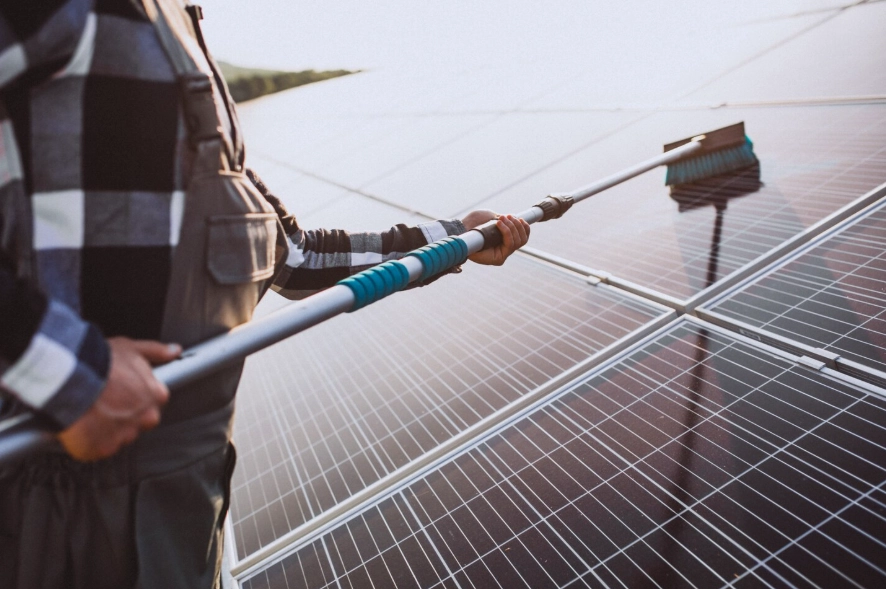
Definition und strategische Vorteile der bifacialen Solartechnologie
Bifaciale Solartechnologie markiert einen wichtigen Fortschritt gegenüber Standard-Monofacialpanelen, da sie Sonnenlicht sowohl auf der Vorder- als auch auf der Rückseite sammelt. Diese Zwei-Wege-Erfassung ermöglicht es den Modulen, gerade Sonnenstrahlen zu verwenden, während sie gleichzeitig gesprungenes Licht vom Boden aufnehmen und Licht aus der Luft verbreiten, so dass die Kombination dieser Eingänge die Niveau-Energiekosten (LCOE) senkt und die Gesamtleistung einer Solaranlage erhöht, ohne ihre Größe zu erweitern.
Bifacialer Energieausbeutemechanismus
Im Mittelpunkt dieser Methode liegt, wie die Rückenzellen Albedo - das reflektierte Licht vom Boden unten - in Kraft verwandeln. Je nachdem, wie gut Oberflächen wie weiße Steine oder blasse Abdeckungen reflektieren, kann dieser Rückeingang die Gesamtenergiesammlung um bis zu 30% gegenüber Basismodulen erhöhen, was die Technologie besonders in unterschiedlichen Einstellungen nützlich macht.
Überlegene Bifacialität von WonVolt Modulen
Wie gut diese Kollektion funktioniert, hängt hauptsächlich vom Bifacialitätsmess ab, das die Rückseite gegen die Vorderseite messen kann. Einheiten mit Top-Features, wie z.B. Bifaciale Solarpanel 740WAnwendung modernster N-Typ-TOPCon-Zellen, um führende Bifacialitätsniveaus zu erreichen, so dass die Rücklichtaufnahme in der Praxis zu realen Leistungsstärkungen führt.
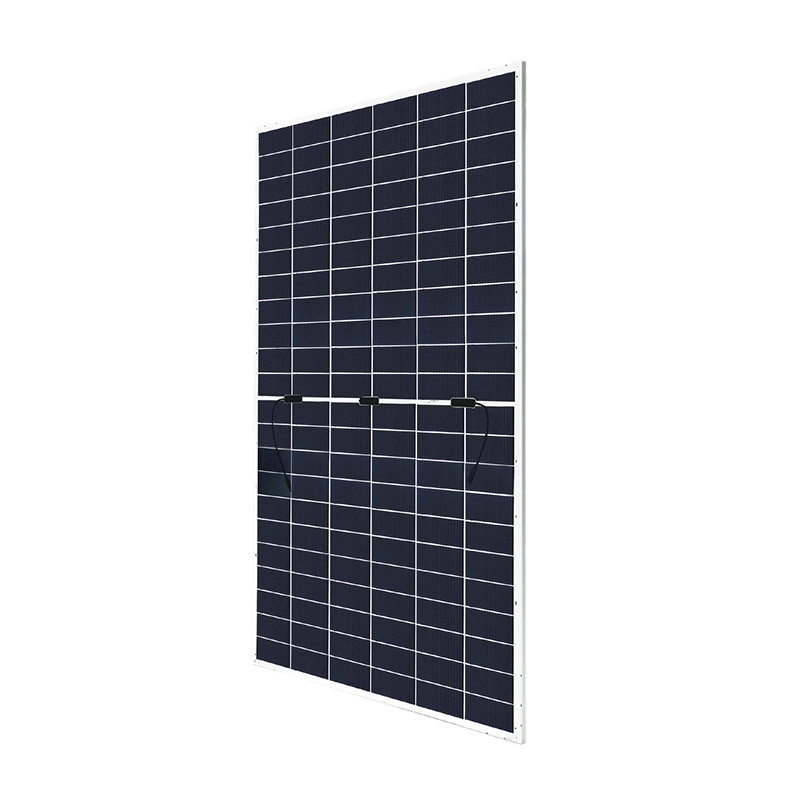
Langfristige finanzielle Rendite auf Investitionen
Die Auswahl leistungsstarker bifacialer Module eröffnet einen direkten Weg zu schnelleren Wiederherstellungszeiten. Da sie mehr Kilowattstunden pro Flächeneinheit produzieren, decken diese Einrichtungen die Vorkosten schneller ab, insbesondere wenn sie mit regelmäßigen Wartungsplänen verbunden sind, die den Doppelglasbau über eine 30-jährige Lebensdauer schützen.
Kritische Auswirkungen von Rückstaub auf den Energiegewinn
Obwohl die Vorderseite eines Solarpanels den größten Teil des Fokus bekommt, reagiert die Rückseite scharf auf äußeren Schmutz. Da die Rückseite von gestreuten und reflektierten Strahlen abhängt, kann sogar eine leichte Staubabdeckung ihre Leistungsfähigkeit stark blockieren, so dass das Ignorieren der Unterseite langsame Effizienzabfälle verursacht, die viele Benutzer übersehen, bis die Kosten steigen.
Schattierungseffekt auf die hinteren Seitenzellen
Der Staubaufbau auf dem hinteren Glas bildet einen festen Block, der verhindert, dass reflektierte Lichtpartikel die Siliziumzellen treffen. Diese Spot-Schattierung führt zu Leistungsflussmissverhältnissen in der Modulkette, wodurch das gesamte System auf reduzierten Niveaus läuft, da Bypass-Dioden hart arbeiten, um die ungleichmäßige Ausgabe zu bewältigen.
Wärmeansammlung und Hot Spots
Wenn sich Boden oder Abfall auf dem Rücken sammeln, bauen sie Wärmebarrieren auf, die die Kühlung behindern. Infolgedessen verursacht dies lokale heiße Bereiche, die den Zellverlust beschleunigen, und in schlechten Fällen könnte es das Modul beschädigen. s Schutzschichten für gut.
Energieverlust unter niedrigen Albedo-Bedingungen
An Stellen mit schlechter Bodenreflektion, wie über dunkler Erde oder nassen Pflanzen, machen zusätzliche Staubblöcke die Rückseite fast nutzlos. Somit hält die Reinigung der Unterseite das gesamte gestreute Licht im Spiel, was den Rand von bifacialen Systemen gegen monofaciale hält.
Empfohlene Wartungsplane für Industrieprojekte
Die Einrichtung eines geplanten Wartungsmusters ist der Schlüssel für große Solarstätten, bei denen die Spitzenleistung strenge Ziele erfüllt. Die Reinigungszeiten sollten aus Standortdaten über lokale Bedingungen stammen, da Geschäftsbereiche oft mit mehr Luftpartikeln umgehen, so dass Routineprüfungen von entscheidender Bedeutung werden.
Umweltfaktoren und Reinigungsfrequenz
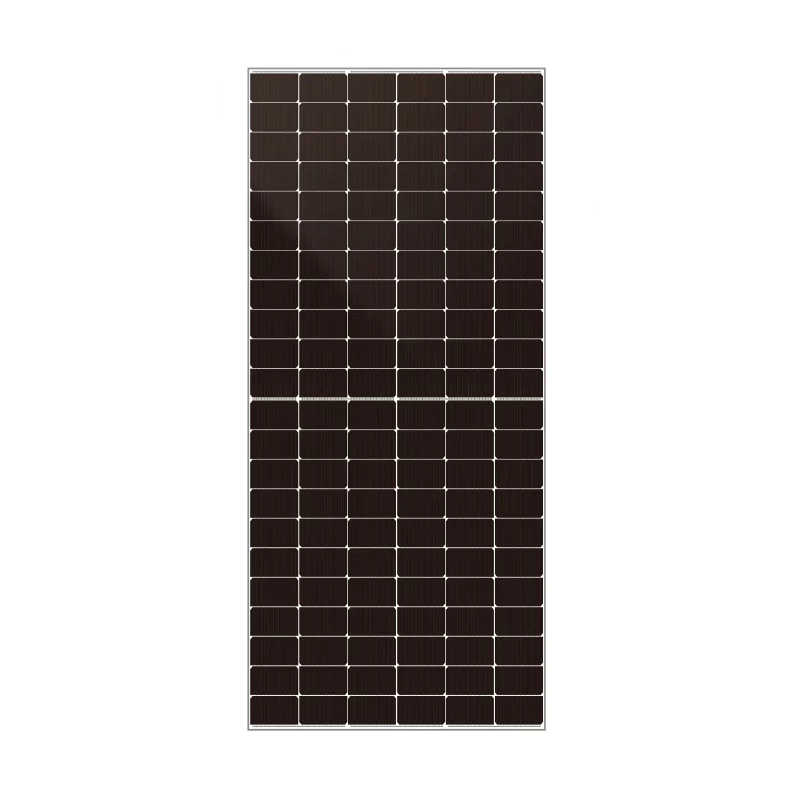
Stellen in trockenen Gebieten oder in Fabriken müssen häufiger gereinigt werden, da sich Staub schnell absetzt. Für ein flexibles Array mit dem Bifaciale Solarpanel 630WÜberprüfen Sie jeden Monat die Schmutzansammlung, um zu sehen, ob eine vollständige Waschung erforderlich ist, um die erwarteten Erträge zu erreichen.
Leistungsüberwachung durch intelligente Wechselrichter
Aktuelle Leistungseinheiten verwenden Maximum Power Point Tracking (MPPT), um die Ausgabe zu feineinstellen. Durch die Überprüfung von Wechselrichterblöcken erkennen Sie kleine Ertragsfälle, die auf Reinigungsbedürfnisse hinweisen, wodurch Sie die Effizienz ohne zusätzliche Arbeitsaufwendungen hochhalten können.
Saisonale Wartungsanforderungen
Wetterverschiebungen beeinflussen, wie Schmutz auf Platten viel landet. Eine tiefe Reinigung vor dem hellen Sommer und nach dem blühenden Frühling bereitet das System auf maximale Sonneneinstrahlung vor, so dass Sie das Beste aus dem jährlichen Stromnehmen gewinnen.
Sichere und effektive Reinigungstechniken für Doppelglasmodule
Das Waschen der Rückseite eines Solarpanels erfordert Methoden im Gegensatz zu denen für die Vorderseite. Da die Rückseite näher an Rahmen und Boden sitzt, steht sie mehr Regenspritzen und windgeblasenem Staub gegenüber, so dass richtige Werkzeuge und Schritte von entscheidender Bedeutung sind, um Glaskratzer oder Schäden an hinteren Verbindungsboxen und Drähten zu vermeiden.
Sanfte Wasserreinigungsmethoden
Wählen Sie gereinigtes oder mildes Wasser, um Mineralflecken auf Glas zu überspringen. Weiche Bürsten oder gezielte Sprühwerkzeuge entfernen harten Schmutz aus dem Bifaciale Solarpanel 600W während das harte Doppelglas intakt bleibt.
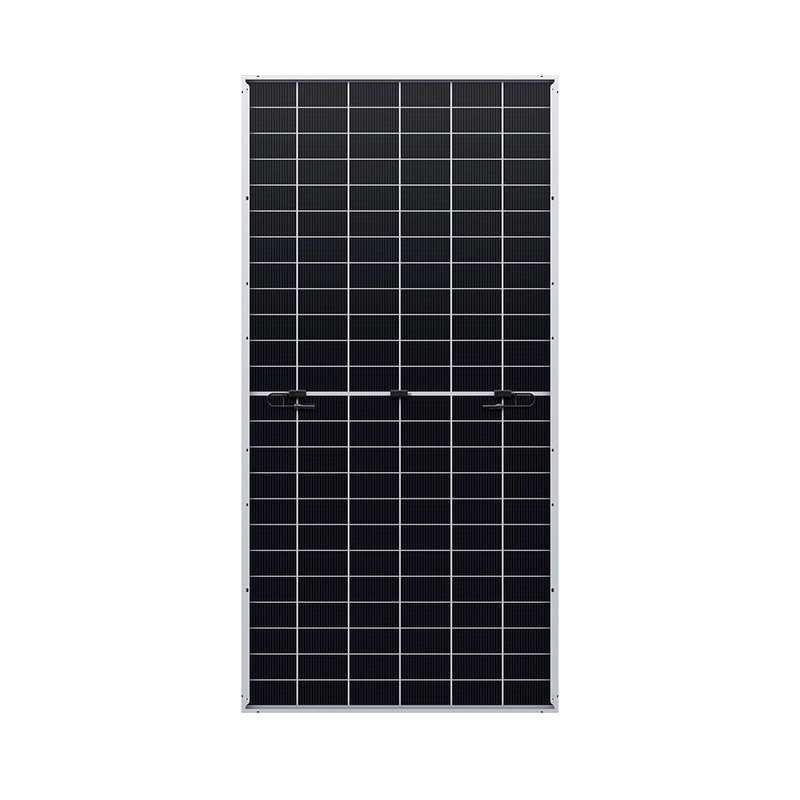
Spezialisierte Racking System Integration
Die Einrichtung der Montagerahmen gestaltet den Zugang zu den Panelrücken. Rahmen mit gutem Abstand und niedrigem Rückenschatte geben nicht nur Hubkraft, sondern auch Raum für Teams oder Maschinen, die Unterseite gut zu waschen.
Automatisierte Reinigungsroboter für große Arrays
Bei riesigen Projekten, bei denen die Handreinigung zu viel kostet, beweisen sich Roboterreiniger am besten. Programmiert, um sich entlang der Panellinien zu bewegen, waschen sie sich gleichmäßig vor und hinten, was der Schlüssel ist, um hohe Erträge in weiten Solarfeldern zu halten.
Optimierte Lösungen für globale kommerzielle Solaranlagen
Die Wahl der passenden Ausrüstung beginnt mit der Anstrengung, Wartungsbelastungen zu erleichtern. Verschiedene Projektgrößen erfordern abgestimmte Modulspezifikationen, um Leistung gegen einfache Handhabung zu wiegen, so dass langlebige Hochleistungseinheiten Investitionen in schwierigen weltweiten Stellen außerhalb begrenzter Gebiete aktiv halten.
Gewerbliche und industrielle Effizienz mit 630W-Serie
Die 630W-Linie passt genau zu Dach- und Mittelbodenbedürfnissen. Mit gleichmäßiger Größe und hoher Dichte eignet es sich für Unternehmen, die auf maximalen Einsatz vor Ort abzielen und gleichzeitig die Pflege einfach handhaben.
Stabilität im Dienstprogramm mit 740W Hochleistungsmodulen
Für die größten Standorte bieten 740W-Einheiten Spitzenleistung pro Stück, Schnittmodulzahl und Verbindungen. Diese Einrichtung erleichtert die pflanzenweite Reinigung, da weniger Teile über weite Flächen überprüft werden müssen.
Zuverlässigkeitsstandards der WonVolt-Technologie
Die Einhaltung globaler Regeln wie IEC 61215 und IEC 61730 bedeutet, dass diese Produkte harte Wäsche und Witterung bewältigen. Unterstützt durch erweiterte Garantien, ermöglicht diese Stärke bifaciale Setups starke Energierenditen jährlich über professionelle saubere Energielösungen.
Partner mit WonVolt für hocheffiziente Solarprojekte
Der Wechsel auf bifaciale Solar eröffnet eine gute Chance, Energie zu heben, aber die Ergebnisse hängen von der richtigen Wahl und der richtigen Pflege ab. Durch die Aufmerksamkeit auf die Rückseite Details, schützen Sie Geld und sichern dauerhafte Gewinne.
Professionelle Beratung und Lösungsdesign
Fachleute Mitarbeiter können Systeme planen, die von Anfang an Albedo, Rahmenhöhe und Pflegereichweite berücksichtigen. Dieses Vorwärtsdenken stimmt bifaciale Reihen auf ihren Platz ab, sei es ein Fabrikdach oder eine Trockenlandanlage.
Globales Vertriebs- und Vertriebsnetzwerk
Ein starkes Netzwerk in 90 Ländern bringt erstklassige Solaranlagen und Hilfe, unabhängig vom Standort. Diese breite Abdeckung hält Teile und Tipps praktisch, um Systeme in voller Stärke zu betreiben.
Direkte Kontaktinformationen für Expertenberatung
Bereit, Ihre Stromversorgung mit starken bifacialen Einheiten zu erhöhen? Pro-Hilfe ist ein Klick ab, also überprüfen Sie die vollständigen Optionen und erhalten Sie einen benutzerdefinierten Preis über die WonVolt Kontaktseite Besprechen Sie Bedürfnisse mit einem Pro.
FAQ (häufig gestellte Fragen)
Q1: Macht die Reinigung der Unterseite eines bifacialen Panels wirklich einen Unterschied?
A: Ja, da die Rückseite bis zu 30% der Gesamtleistung, Staub oder Schatten hinzufügen kann, schneidet die Leistung gerade und verlängert die Rückzahlungszeit.
Q2: Wie oft sollte ich die Rückseite meiner bifacialen Module reinigen?
A: Es variiert je nach Einstellung, aber die meisten Geschäftsseiten fordern alle drei Monate Kontrollen, mit vollen Waschen, wenn die Rückgewinne deutlich fallen.
Q3: Kann ich Standard-Leitungswasser verwenden, um die Platten zu reinigen?
A: Besser, um gereinigtes oder mildes Wasser zu wählen, um Skalen und Flecken zu stoppen, die später frischen Schatten auf Glas verursachen könnten.
Q4: Sind bifaciale Platten während des Reinigungsprozesses zerbrechlicher?
A: Top-Bifacial-Einheiten haben harte Doppelglaskonstruktionen, die gut halten, aber raue Werkzeuge oder starke Reinigungsmittel überspringen, die Oberflächen kratzen.
Q5: Arbeiten automatisierte Roboter zur Reinigung der Unterseite von Panels?
A: Ja, aktuelle Solarbots zielen auf bifaciale Setups ab, um Front- und Rückschmutz gleichmäßig in großen Arrays zu entfernen.