



Le secteur énergétique en Asie du Sud-Est est confronté à de profondes mutations. Des pays comme le Vietnam, l'Indonésie et les Philippines connaissent une expansion industrielle rapide. Le réseau électrique classique ne parvient généralement pas à répondre à la demande croissante. Ce déficit constitue un véritable frein pour les entreprises en quête d'activité stable. Pour pallier ces difficultés, de nombreuses entreprises proactives se tournent désormais vers des installations solaires combinées. En tant qu'expert en infrastructures d'énergie propre, j'ai pu constater à quel point une bonne connexion technique peut transformer le modèle énergétique d'une entreprise. WonVoltFondée en 2016 et disposant de sites de production modernes en Chine, cette entreprise est un spécialiste de premier plan des solutions d'énergie propre. Forte de plus de huit ans d'expérience dans le stockage d'énergie industriel et commercial, elle propose une gamme de produits allant des modules photovoltaïques performants aux systèmes de stockage d'énergie détaillés. systèmes à échelle utilitaire. Son approche axée sur la conception contextuelle garantit que chaque installation s'adapte parfaitement aux conditions climatiques locales et aux besoins énergétiques de la région.
S'attaquer aux 3 principaux problèmes énergétiques des entreprises régionales
Les marchés d'Asie du Sud-Est sont confrontés à des problèmes énergétiques spécifiques susceptibles de freiner l'activité industrielle. Identifier ces points critiques est essentiel pour mettre en place une solution hybride performante. Ainsi, votre site restera compétitif au sein d'une économie mondiale interconnectée.
1. Instabilité fréquente du réseau et pannes de courant coûteuses
Dans plusieurs zones de production, des installations vétustes et des conditions météorologiques difficiles provoquent des coupures de courant intermittentes. Ces coupures brutales ne se limitent pas à l'arrêt de la production ; elles peuvent endommager des outils fragiles et entraîner d'importantes pertes de matériaux. Un système hybride fait office de protection intelligente. Il se connecte au Système d'énergie solaire hybride 50kW 55.3kWh-100kWhCe système permet de basculer facilement entre le réseau électrique, l'énergie solaire et les batteries. Il utilise une technologie de pointe de batteries au lithium pour une alimentation rapide. Ainsi, vos lignes électriques restent alimentées même en cas de coupure de courant.
2. Forte augmentation des coûts opérationnels pendant les heures de pointe
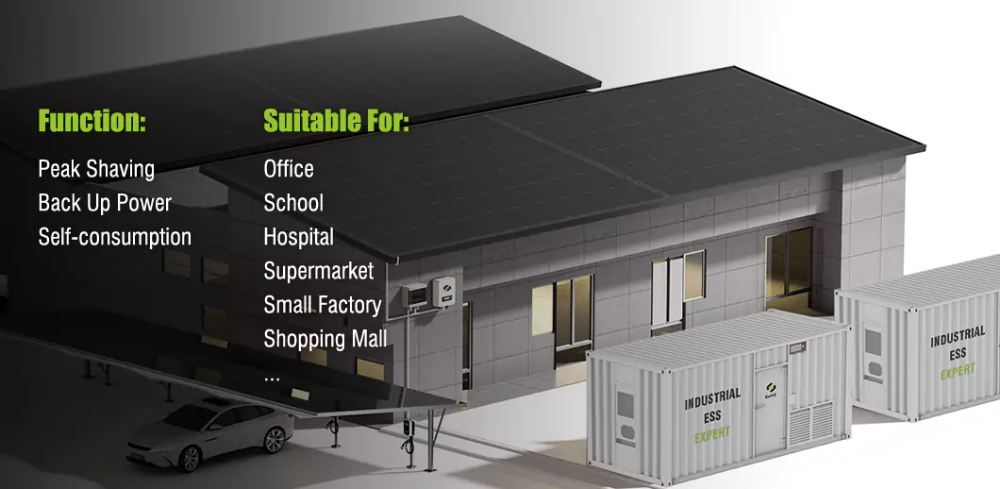
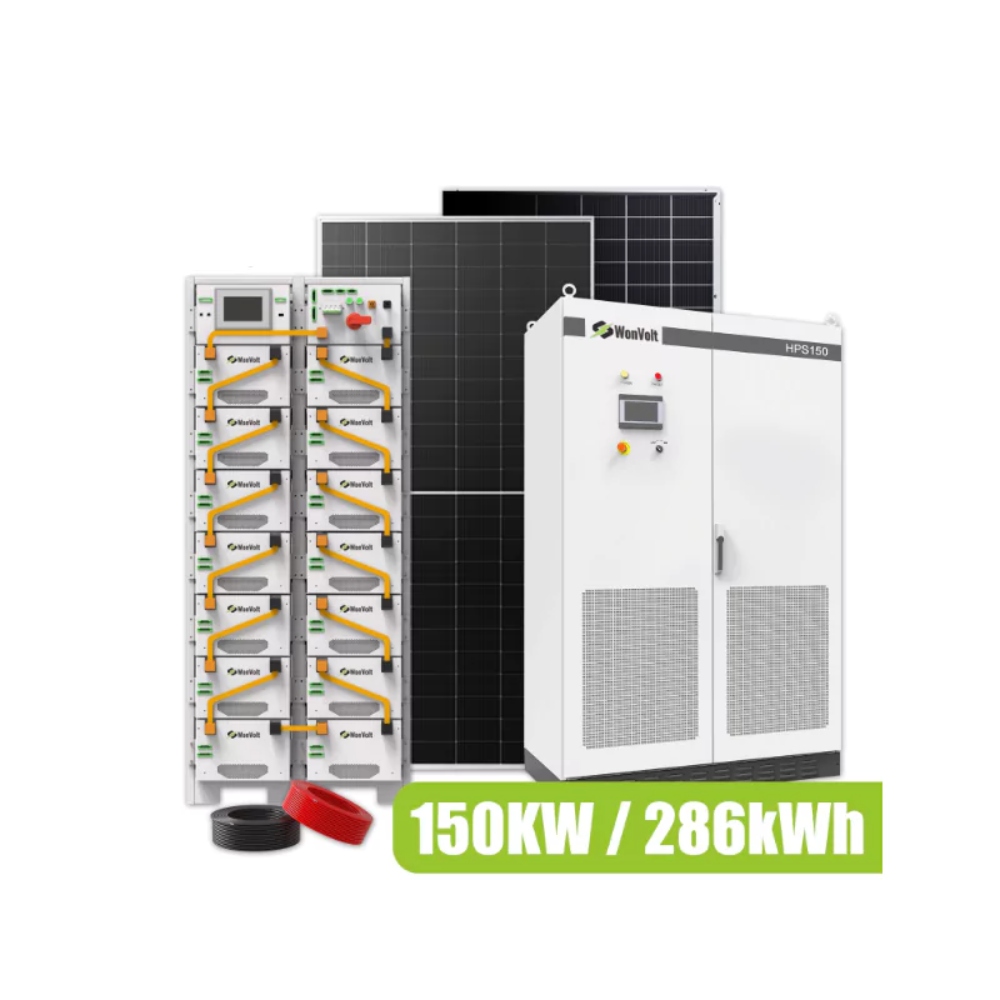
Les factures d'électricité pour les entreprises augmentent dans toute la région. De nombreux fournisseurs facturent des frais supplémentaires pendant les périodes de forte consommation, lorsque la consommation totale atteint des sommets. Un forfait appelé « écrêtement des pointes » permet de réduire ces frais. 150KW – Système d'énergie solaire hybride 500KW Ce système permet de stocker l'excédent d'énergie solaire produit en journée et de le restituer lorsque le tarif du réseau est au plus haut. Par conséquent, votre coût habituel par kilowattheure diminue et votre investissement est rentabilisé plus rapidement.
3. Obligations strictes de décarbonation et durabilité de la chaîne d'approvisionnement
Les clients internationaux incitent de plus en plus leurs fournisseurs à afficher de faibles émissions de carbone. Il est désormais indispensable de se débarrasser des vieux groupes électrogènes diesel, coûteux et polluants. Opter pour une solution hybride solaire permet de réduire sa dépendance aux énergies fossiles et de s'aligner sur les normes environnementales mondiales. Ce changement permet non seulement de réduire les émissions, mais aussi de sécuriser son avenir énergétique face à la fluctuation des prix des carburants.
L'excellence en ingénierie au service des solutions hybrides hautes performances
Le fonctionnement d'un système hybride repose sur la parfaite intégration de ses composants. Il ne s'agit pas simplement de poser des panneaux solaires, mais plutôt de gérer et de stocker l'énergie afin d'en tirer le meilleur parti malgré les variations climatiques.
Onduleurs à haut rendement et gestion intelligente de l'énergie
La clé d'une installation performante réside dans la technologie MPPT (Maximum Power Point Tracking). Ce système de contrôle intelligent ajuste instantanément la tension de fonctionnement des modules photovoltaïques. Dans les régions chaudes, l'ensoleillement peut varier rapidement en fonction de la couverture nuageuse. Le MPPT maintient donc l'installation constamment au plus près de son point de production optimal, ce qui augmente la puissance de 10 à 20 % par rapport aux méthodes traditionnelles. En définitive, il permet de capter un maximum d'énergie solaire.
Durabilité en climats tropicaux et maritimes
L'Asie du Sud-Est présente un environnement difficile, caractérisé par une forte humidité et l'air salin du littoral. Les composants de qualité doivent être dotés de boîtiers de connexion protégés par un indice de protection IP68. Ils nécessitent également des modules robustes à double vitrage pour résister aux contraintes physiques et aux risques de moisissures. Opter pour un système industriel, c'est investir dans un équipement conçu pour conserver plus de 87 % de sa capacité après 30 ans d'utilisation. Cette longévité est assurée par des systèmes de gestion de batterie (BMS) performants. Ces systèmes surveillent la température et l'état de charge des cellules afin de prévenir les problèmes de surchauffe et d'optimiser la durée de vie des composants au lithium.
Passage des applications commerciales aux applications utilitaires
La gamme de technologies hybrides permet de s'adapter précisément à la taille de votre entreprise. Que vous gériez un seul espace de stockage frigorifique ou une vaste zone industrielle, les solutions de stockage d'énergie modulaires actuelles offrent des solutions sur mesure.
Pour les petites entreprises, une unité compacte permet de gérer les variations quotidiennes de consommation électrique sans encombrer l'espace. En revanche, pour les grands projets, les systèmes de 150 kW à 500 kW offrent la puissance nécessaire au déploiement à grande échelle. Ces systèmes contiennent généralement des batteries au lithium pré-assemblées et pré-assemblées pour une installation rapide, réduisant ainsi le temps de construction sur site et permettant une consommation d'énergie propre plus rapide.
Pérennisez votre entreprise grâce à une énergie fiable
Opter pour une solution solaire hybride est une stratégie judicieuse pour gagner en autonomie énergétique. Combiner production solaire et stockage performant permet de constituer un système énergétique robuste, résistant aux fluctuations du réseau électrique local et à la hausse du prix des énergies fossiles.
Chaque site industriel présente des besoins spécifiques. Une solution unique donne rarement les meilleurs résultats. Des équipes de conception qualifiées peuvent réaliser des études de site avant-vente afin de garantir que la construction corresponde à votre configuration énergétique. De la vérification initiale à la formation de votre personnel sur place, un suivi rigoureux assure le bon fonctionnement du système pendant de nombreuses années. Pour découvrir comment ces solutions peuvent s'adapter aux besoins spécifiques de votre usine ou de votre entreprise, vous pouvez… contacter directement l'équipe de conception ou consultez l'ensemble des solutions énergétiques industrielles sur le site.
FAQ (questions fréquentes)
Q1 : Quelle est la principale différence entre un système solaire hors réseau et un système solaire hybride ?
A : Un système hors réseau est totalement indépendant du réseau électrique, tandis qu'un système hybride reste connecté au réseau. Cela permet au système hybride de puiser de l'énergie sur le réseau si les batteries sont déchargées et que l'ensoleillement est insuffisant, offrant ainsi une fiabilité accrue aux utilisateurs industriels.
Q2 : Quelle est la durée de vie typique des batteries au lithium dans ces systèmes hybrides ?
A: Les batteries au lithium de haute qualité utilisées dans les systèmes hybrides commerciaux sont conçues pour durer. Avec une gestion thermique adéquate et un entretien régulier, ces batteries peuvent souvent assurer un service fiable pendant 10 à 15 ans avant de subir une réduction significative de leur capacité.
Q3 : Un système solaire hybride peut-il remplacer complètement un générateur diesel ?
R : Dans de nombreux cas, oui. Un système hybride doté d'une capacité de stockage par batterie suffisante peut pallier les coupures de réseau les plus fréquentes. Pour les installations critiques, le système hybride peut fonctionner de concert avec un générateur, réduisant ainsi considérablement la durée de fonctionnement et la consommation de carburant du groupe électrogène diesel.
Q4 : Un système solaire hybride est-il adapté aux environnements côtiers à forte humidité ?
R : Oui, à condition que les composants soient spécifiquement conçus pour de telles conditions. Les modules de qualité industrielle utilisent souvent des châssis en aluminium anodisé et des composants certifiés IP68 pour résister à la corrosion due aux embruns salins et à l'humidité, garantissant ainsi un fonctionnement stable en milieu marin.
Q5 : Comment un système hybride contribue-t-il à réduire les factures d'électricité ?
A : Le système réduit les coûts de deux manières : d’abord, en fournissant de l’énergie solaire gratuite pendant la journée, et ensuite, en utilisant l’énergie stockée dans les batteries pendant les heures de pointe, lorsque l’électricité du réseau est la plus chère. Ce procédé, appelé écrêtement des pointes, diminue les dépenses d’exploitation globales de l’installation.