



Picking the proper photovoltaic method for a business solar carport stands as a key choice. This choice shapes your ongoing return on investment and power reliability. As you deal with the challenges of current energy changes, working with an experienced group like WonVolt makes sure your work gains from almost ten years of steady progress. Started in 2016 and based in two advanced production centers in Hefei, China, this group focuses on Industrial and Commercial Energy Storage System (ICESS) options. With a solid 1.2GW solar panel output and 2.5GWh lithium battery scale, they supply complete clean energy setups fitted for various world markets. Their aim of “Power-up our future” gets support from before-sale site checks and careful after-sale skill sessions. These steps ensure each setup works at top level in more than 90 nations.
Technological Definitions and Comparative Advantages
The basic difference between these two methods rests in the way they gather photons to produce direct current electricity. Traditional setups depend on one active face. In contrast, recent developments enable energy collection from multiple directions. This proves especially useful in raised buildings where ground bounce plays a major role.
Mechanics of Energy Absorption
Monofacial modules take in sunlight just on the front. Bifacial modules, however, use both the front and back faces. This two-way intake lets the setup collect bounced light from the ground, called the albedo effect. In a carport location, panels do not only wait for straight sun from above. Instead, they actively use light that reflects off the road surface below. Such a feature enhances overall output in open areas.
Structural Integrity for Carport Applications
Bifacial modules frequently employ double-glass builds with 2.0mm heat-treated glass on each side. This setup gives better physical toughness and defense against weather pressures than the plastic rear sheets in most monofacial types. For a business carport, this added strength means a firmer frame that can handle strong winds and heavy rain over thirty years. Consequently, it supports long-term site safety and performance.
Lifetime Energy Yield Metrics
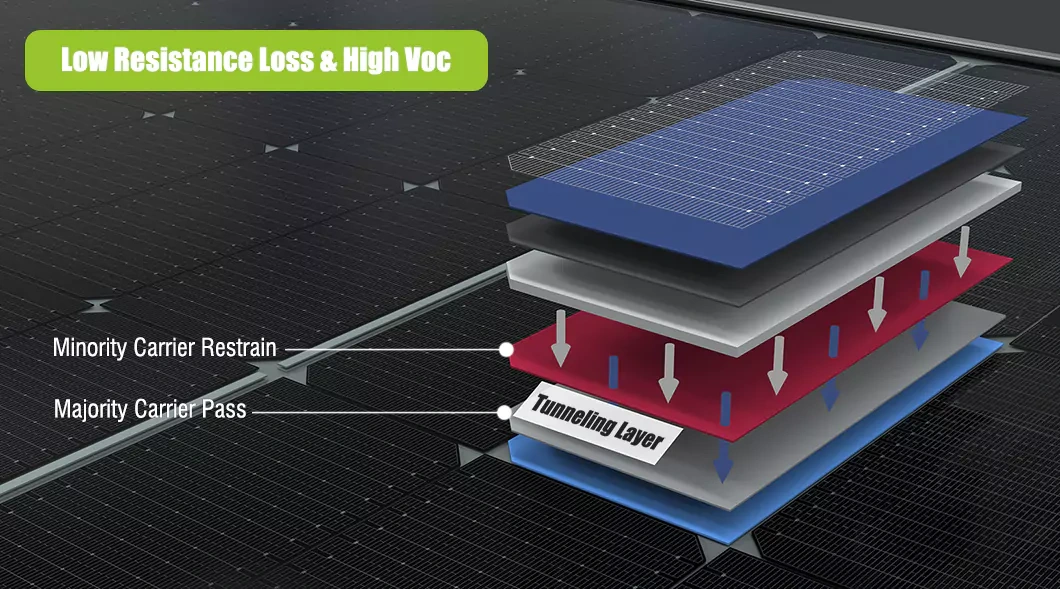
Bifacial systems generally provide a reduced Levelized Cost of Energy (LCOE) even with higher starting gear costs. Since these modules often use N-type TOPCon cell tech, they show lower yearly power loss rates, usually under 0.4% after year one. This keeps energy production strong deep into the third decade. As a result, it offers a steadier money outlook for your business site. Such stability aids in planning future expansions.
Maximum Efficiency through Albedo and Reflection
In a carport space, output depends not only on silicon quality but also on how the setup links with its setting. Raising solar panels a few meters to fit cars creates a special light setup. This favors some methods more than others in practice.
Concrete and Asphalt Surface Synergy
Common light-toned surfaces in business parking areas, like pale gray concrete, hold a high albedo value. This ground reflection can raise power creation in a two-sided system by 10% to 25%. When you select a system that handles this unused light, your parking area turns into a working part of your power setup. This integration boosts total site efficiency without extra space.
Optimized Tilt and Height Parameters
Carports offer the right height to boost back-side light exposure. Since modules sit at a level that cuts self-shadow and improves air flow, cell heat stays lower. This matters because solar output falls as heat climbs. Thus, the natural air movement in a carport frame drives key performance gains. It helps maintain steady operation across seasons.
Snow and Dust Resistance Benefits
Double-glass bifacial modules often clear snow quicker. The back-side intake creates slight warmth that heats the whole unit. In factory spots where dust builds up often, the panel’s skill to keep making power from the clear under side acts as a vital backup. This ensures your energy goals stay on track despite common issues. Overall, it reduces downtime risks.
Strategic Cost-Benefit Analysis for B2B Projects
Each business-to-business energy work needs to weigh startup spending against output dependability. For commercial carports, module choice relies much on the site’s main aims. These may focus on top power per area or smooth fit with company image.
Initial Capital Expenditure versus Long-Term ROI
The starting price for two-sided glass modules runs higher. Yet, the greater energy gain often leads to quicker cost recovery. You should look at full ownership costs. Here, the added 5% to 15% in gear spending gets balanced by much higher kilowatt-hour yield over the system’s life. This approach supports better financial planning.
Bifacial Synergy with High Wattage Modules
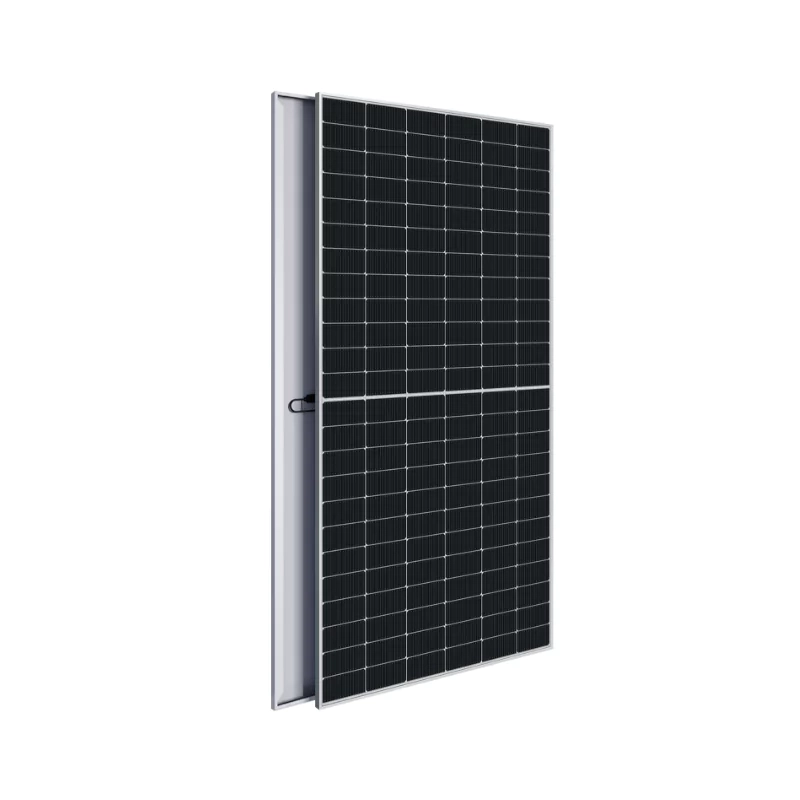
In big factory carports with plenty of room but key focus on output, the Solar Panel 550W sets the top mark for results. These units apply modern Multi-Busbar (MBB) cell methods to give strong output and high bifacial traits. They suit large carport uses that need the best energy per square meter. Such features make them a smart pick for demanding sites.
Aesthetic Integration with Full Black Solutions
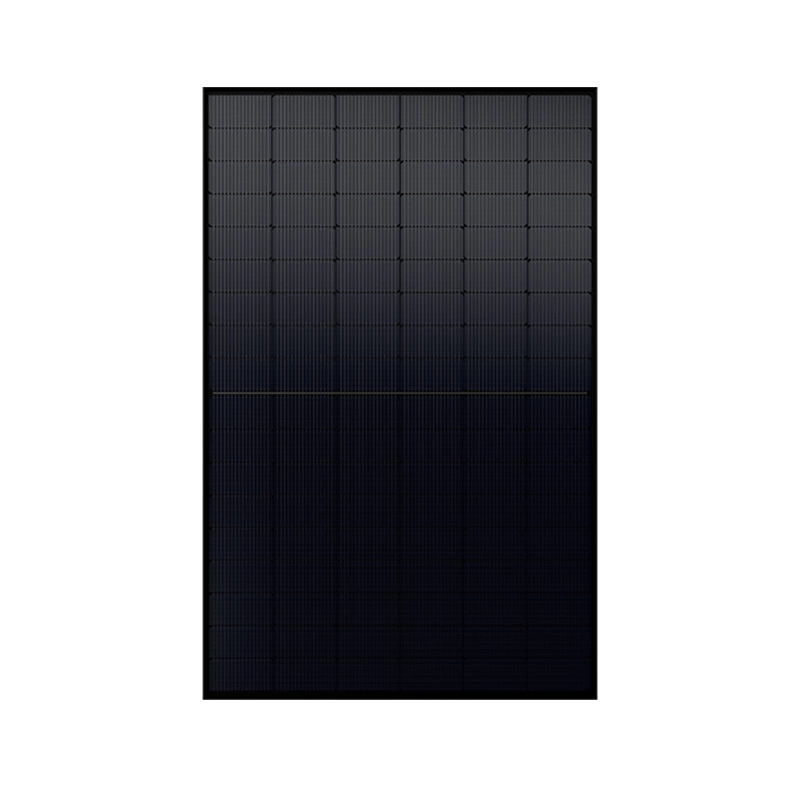
If your carport sits at a top company office or shop center, looks matter as much as power. In these cases, the Solar Panel 450W Full Black gives a clean, even style that fits well with fresh building plans. At the same time, it delivers solid power and the steadiness of N-type tech. This balance meets both visual and functional needs effectively.
Future-Proofing Industrial Energy Storage Integration
A solar carport seldom works alone in today’s factory world. It acts as the main power source for a wider network that covers electric vehicle charging and full-site energy control. Thus, it requires a setup that links with advanced storage methods.
Synergy with Industrial and Commercial BESS
Linking your carport to a Battery Energy Storage System (BESS) lets you save extra day power for peak night use. This pairing works well with liquid-cooled lithium battery choices. These keep ideal heat levels even in fast charge and release cycles seen in EV spots. As a result, it enhances overall system reliability.
Grid Stability and Peak Performance
Using high-output modules ensures the carport handles sudden power needs from several EV chargers without grid stress. Smart air-cooled lithium batteries add further balance to this demand. They offer a cushion that guards the site’s power setup and the lasting quality of solar parts. This setup promotes smooth daily operations.
Global Manufacturing Quality Standards
Choosing gear that fits world standards like IEC 61215 and IEC 61730 remains essential for business safety. Strong making steps make sure modules manage carport frame strains while keeping power safety and fire defense. This protects parked cars below and the funding overall. It builds confidence in project outcomes.
WonVolt Specialized Clean Energy Solutions and Contact
A solar carport’s win hinges on exact design and clear understanding of local conditions. Expert help across planning and setup stages makes sure bifacial tech’s planned gains appear in your exact place and build context.
Custom Engineering and Field Investigation
Skilled before-sale aid covers on-site checks to study ground bounce and shade from near builds. This fact-based way ensures the carport plan fits your parking surface’s albedo just right. In turn, it raises the back-side gain of bifacial modules. Such care leads to real-world success.
Technical Training and Commissioning Support
Solid after-sale aid proves vital for your energy setup’s health over time. Skill sessions for your local upkeep team and pro startup tests make sure inverters, modules, and storage units match perfectly for best output from the start. This support fosters ongoing efficiency and ease.
Global Partnership and Direct Inquiry
For firms aiming to shift to green energy, the next step means picking a group with shown results in over 90 areas. You can contact for a custom talk to see how these methods fit your coming work. For details on special ICESS and solar options, check the WonVolt Solution Page to learn how custom setups can drive your future.
FAQ
Q1: Does a bifacial solar carport require a specific type of ground surface?
A: While they work on any surface, light-colored ground like white gravel, light concrete, or even snow provides the best reflection. This albedo effect significantly increases the energy generated by the rear side of the panels.
Q2: Are bifacial panels more fragile because they have glass on both sides?
A: Quite the opposite; dual-glass construction typically makes the modules more durable and resistant to salt mist, ammonia, and high wind pressure, which is why they often come with longer 30-year linear power warranties.
Q3: Can I integrate a bifacial carport with existing electric vehicle charging stations?
A: Yes, these carports are ideal for EV charging hubs. The high efficiency of the modules provides the necessary power, and the system can be paired with battery storage to manage charging loads during cloudy periods or at night.