



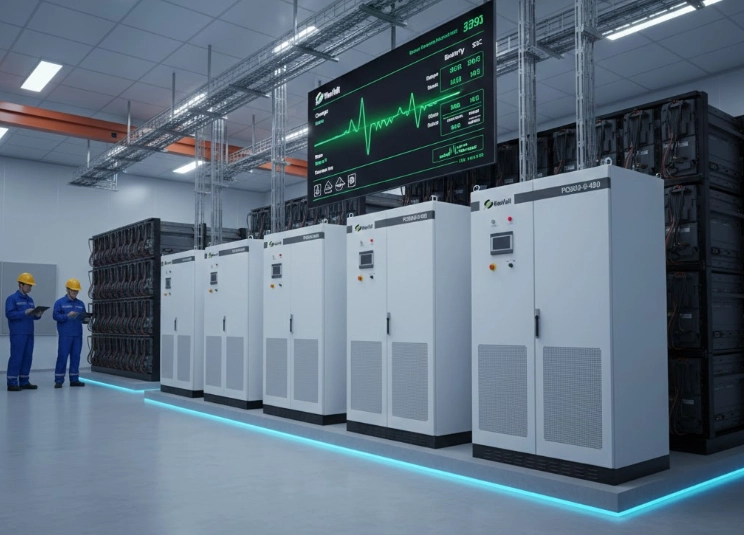
When operators invest in a large-scale energy storage system, the battery bank usually forms the largest part of the capital cost. The main goal is to safeguard this asset and make it provide value over a long period. Many operators ignore the key role played by the Power Conversion System (PCS) in this arrangement. Selecting the proper technology supplier marks the initial move toward durability. WonVolt, founded in 2016, has dedicated more than nine years to developing Industrial and Commercial Energy Storage System (ICESS) options. With a substantial 2.5GWh lithium battery capacity and two factories in Hefei, the company offers bespoke clean energy solutions that fit specific site needs. The focus on “powering up our future” positions them as a dependable advisor in handling the intricate balance between conversion performance and battery condition.
Battery Bank Definition and Strategic Advantages
A battery bank consists of linked energy storage units built to hold electrical energy for later use. In industrial settings, these setups go beyond simple backup power; they serve as vital resources that steady the facility’s energy pattern. Operators can combine advanced lithium-ion cells with a bidirectional inverter to form a responsive system that handles grid changes right away. The table below compares common technical details in professional-grade storage inverters to aid in assessing system size.
| Feature | 100kW – 630kW Series | 100kW – 1MW Series (Utility) |
Max Efficiency |
98.50% | Up to 99.00% |
Grid Voltage |
400V (Standard) | 480V / 690V Options |
Switching Time |
≤10ms | ≤10ms |
THDI |
<3% | <3% |
DC Voltage Range |
500V – 900V | 600V – 1000V |
The details above show that strong efficiency and low harmonic distortion (THDI) appear as norms in these professional lines, so battery cells avoid extra electrical strain or warmth.
Storage System Core Components
The heart of any storage arrangement includes battery modules, a Battery Management System (BMS), and the PCS. The BMS tracks cell voltage and temperature, whereas the PCS manages the main task of turning DC power from the batteries into AC power for equipment. This setup ensures reliable operation and protection for the entire system.
Industrial Energy Independence Benefits
A solid battery bank lets facilities cut dependence on the public grid. Operators can save energy in times of low need or strong renewable output, then draw on it when grid costs rise or during blackouts, so production lines keep running. Such independence boosts overall reliability and cuts operational risks.
Peak Shaving and Cost Optimization
Smart energy storage supports peak shaving, where the battery bank releases power in high-rate periods to drop demand fees. This method lowers monthly utility costs and speeds up the payback on the investment. In addition, it helps facilities manage energy budgets more effectively over time.
Critical Impact of PCS Efficiency on Battery Degradation
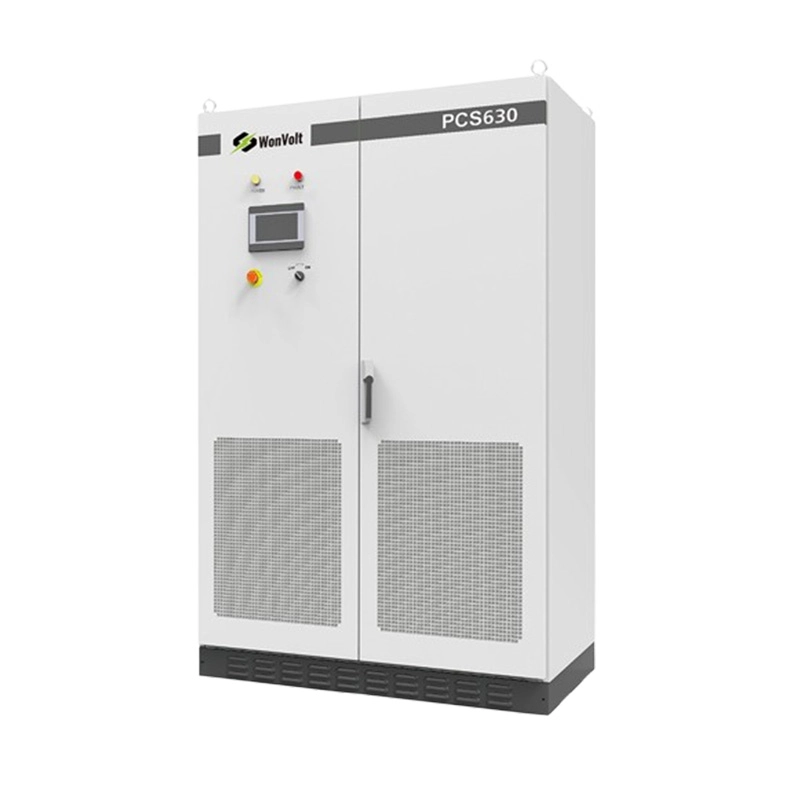
PCS efficiency goes beyond mere savings in kilowatts during conversion; it involves controlling the heat and chemical balance in cells. Each bit of energy wasted in the DC-to-AC or AC-to-DC shift turns into excess heat. Since too much heat drives lithium-ion breakdown, a strong-efficiency 100KW-630KW Battery Inverter proves vital for keeping the best conditions inside the battery bank.
Reduced Thermal Stress During Conversion
Strong-efficiency conversion cuts the heat produced in the inverter housing and battery area. By holding temperatures in the right range, it stops the speedup of side reactions at electrode surfaces that cause lasting capacity drop. This approach thus supports longer-term battery health and performance.
Minimized Energy Loss During Cycling
Systems running at efficiency levels up to 98.5% need less current for the same power delivery. Lower current leads to reduced resistance heat inside battery cells, which helps keep the structure of active materials sound over many cycles. As a result, the overall system endures more charge-discharge rounds without quick wear.
Stable Power Quality for Chemical Stability
A solid PCS delivers smooth current to batteries without much ripple. Steady charging currents avoid local overvoltages in cells, which aids in holding chemical balance and lengthens the life of the electrolyte. This stability plays a key role in preventing early failures in the storage units.
Advanced Charging Algorithms for Cell Protection
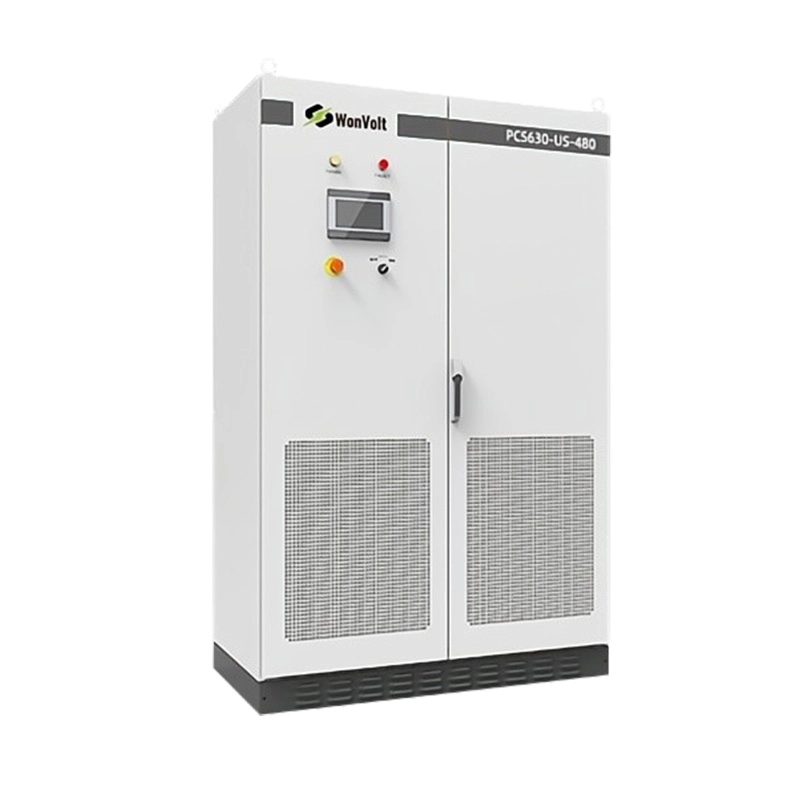
The interaction between PCS and BMS in power delivery sets the pace of battery wear. Current bidirectional inverters employ advanced software to oversee charging based on State of Charge (SOC) and live temperature readings. Using a capable 100KW-1MW Battery Inverter, the battery bank stays within safe chemical bounds.
Precision Voltage and Current Regulation
Modern control systems offer close control of voltage and current within ±1% limits. This accuracy blocks voltage peaks that might lead to lithium plating on the anode, an issue that cuts battery lifespan sharply. Such regulation ensures consistent and safe operation across all cycles.
Optimized Multistage Charging Profiles
Smart inverters adjust charging rates as the battery nears full charge. By easing the current as SOC climbs, the system lessens strain on the chemical makeup, so each cell hits peak without excess pressure. This method promotes even aging and boosts total cycle count.
Prevention of Overcharging and Deep Discharge
A capable PCS pairs with the BMS to set firm limits on operations. It stops deep discharges or harsh charging, keeping depth of discharge (DoD) at levels that extend cycle life. This safeguard maintains battery integrity and supports reliable long-term use.
Seamless Switching and Grid Interaction Stability
Grid unrest can harm industrial battery banks quietly. Regular shifts in grid voltage and frequency make the storage system react often, causing small cycles and early wear. A strong-efficiency PCS serves as a reliable shield, guarding batteries from grid disorder.
Ultra Fast Transfer for Load Protection
Setups with under 10ms switches keep sensitive industrial gear powered in grid failures. This quick change avoids sudden power jumps or falls that might jolt the battery system and loads. It thereby ensures smooth transitions and protects connected components.
Reduced Harmonic Distortion in Bidirectional Flow
Quality power conversion yields Total Harmonic Distortion (THDI) below 3%. Low distortion means purer power flows to and from batteries, cutting electrical interference that affects BMS sensors and cell balance. This clean flow enhances system accuracy and durability.
Buffering Against Grid Voltage Fluctuations
The PCS steadies AC voltage before it reaches the DC side. It removes grid spikes and dips, so the battery bank faces only even, managed energy moves, no matter the grid state. This buffering role cuts stress and extends component life.
System Longevity Through Intelligent Thermal Management
Thermal control stands as the top factor in extending battery life twofold. Research shows that at 100% SOC, battery heat swings grow unstable. A smart PCS not only handles its heat but also links with the full system’s cooling plan to keep the battery bank in a secure range.
Active Cooling and Internal Temperature Control
Air-based cooling and smart fan adjustments in the PCS stop heat from spreading to battery areas. This active control holds steady temperatures across the bank, so no module ages quicker than others. It thus fosters balanced performance in the whole setup.
Redundancy Design for Individual Unit Safety
Modular PCS builds let the system run if one unit needs service. This backup avoids overload on other units, which could raise heat and strain on batteries. Such design ensures ongoing safety and even load sharing.
Prevention of Hot Spots in High Capacity Banks
By spreading electrical load across several power units evenly, a strong-efficiency system avoids hot spots. Even heat spread proves essential in big utility projects, where many cells must age uniformly to keep system harmony. This prevents uneven wear and maintains output.
Your Trusted Partner for High Performance Energy Storage Solutions
To maximize your battery lifespan and energy ROI, choosing a high-efficiency PCS is non-negotiable. WonVolt provides bespoke bidirectional solutions with up to 99% efficiency to protect your investment. For professional site investigations or technical support, contact us at info@wonvolt.com or call +86 139 6677 9427 today.
FAQ
Q1: How does PCS efficiency directly affect the lifespan of my battery?
A: High efficiency means less energy is lost as waste heat. Since heat accelerates the chemical degradation of lithium-ion cells, a high-efficiency PCS keeps the battery bank cooler, significantly extending its operational life.
Q2: Can the PCS protect my battery bank from grid power surges?
A: Yes, the PCS acts as a gateway between the grid and your batteries. It filters out voltage spikes and harmonic distortion, ensuring that the battery bank only receives clean, stable power during charging.
Q3: Why is a 10ms switching time important for my facility?
A: A switching time of less than 10ms allows for a seamless transition between grid-tied and off-grid modes. This protects your sensitive industrial loads from rebooting and prevents electrical shocks to the battery bank during sudden outages.