



Investing in a residential energy storage system raises key concerns about the durability of the equipment, as users often encounter confusion with terms such as cycle life and calendar life, which leads to questions about whether the battery will endure for a decade or decline after only a few years. In fact, the lifespan of a lithium battery depends on factors like component quality, operating patterns, and surrounding conditions rather than a set timeline. Since 2016, WonVolt has focused on enhancing global energy frameworks through careful design and technical progress, operating two modern plants in Hefei, China, with a substantial 2.5GWh production scale for lithium batteries, thereby offering complete one-stop clean energy solutions across more than 90 nations. For setups ranging from home backups to large industrial systems, this overview explains ways to extend the benefits of such energy investments.
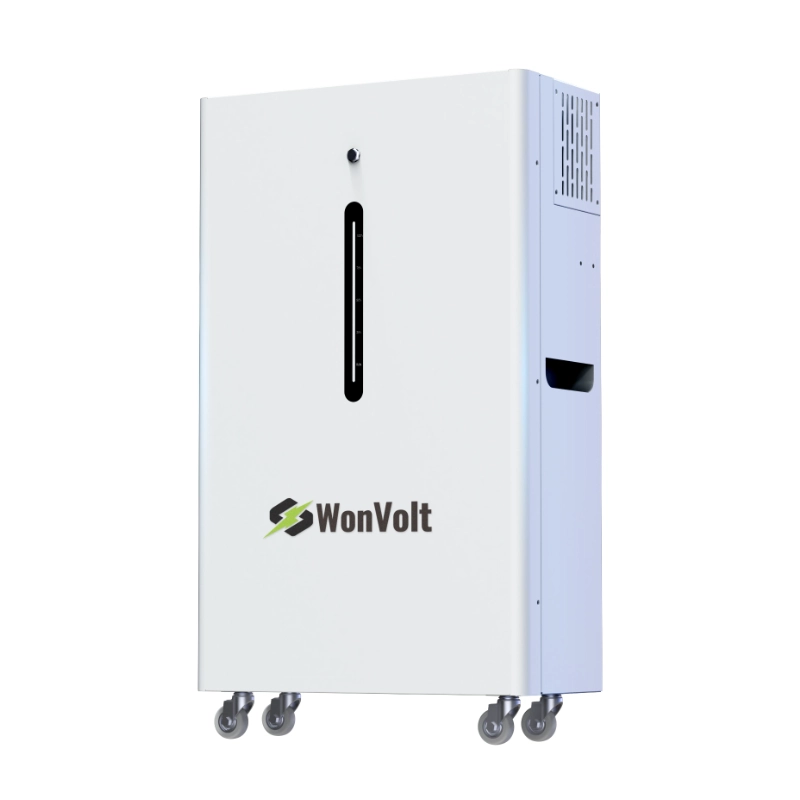
Definition and Core Advantages of Modern Lithium Storage Systems
Contemporary lithium storage systems function as more than basic power holders, since they serve as complex energy hubs that combine material advancements with electronic oversight, and compared to older lead-acid types, these units deliver clear benefits in power storage capacity, energy conversion rates, and hands-off upkeep. As a result, users can hold much more electricity in limited areas while securing reliable power protection for well over ten years.
High Energy Density and Space Efficiency
Lithium Iron Phosphate (LiFePO4) technology enables the 15kWh Lithium Battery to hold 300Ah within a small wall or floor unit, which provides flexible placement options for homes where space in garages or basements remains valuable. This compact design avoids the need for large installations, allowing seamless integration into everyday living areas.
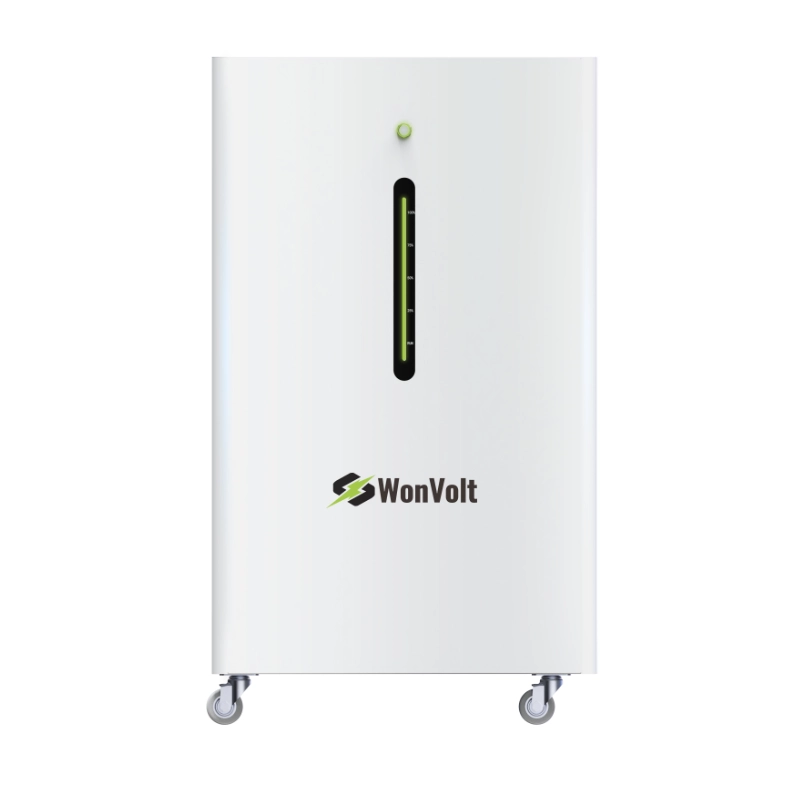
Superior Lifespan with Grade A LiFePO4 Cells
Grade A cells form the base for sustained performance, as these top-quality components retain strong capacity levels even following 6,000 cycles, and for typical homes, this equates to more than 15 years of regular operation that aligns with the service life of solar panels. Such reliability turns the battery into a lasting resource for energy needs.
Advanced Integrated Battery Management Systems
The built-in Battery Management System (BMS) operates as the central control for the device, monitoring cell voltage and heat levels continuously while adjusting them automatically to avoid excess charging or full draining, which in turn safeguards against early wear at the core hardware stage. This ongoing oversight maintains overall system health over extended periods.
The Correlation Between Cycle Count and Daily Usage
Battery durability typically gets assessed through cycles, where a complete cycle involves draining from full to empty and then recharging to full, although in real-world settings, daily energy demands and solar output alignment determine cycle depth, thereby shaping the total years of effective service.
Mathematical Breakdown of 6000 Cycles
A system rated at 6,000 cycles, when subjected to an 80% to 90% daily drain, can extend to about 16.4 years of use, which positions the storage unit as a single upfront cost covering almost 20 years without replacement needs. This calculation highlights the long-term value in household applications.
Impact of Partial Discharge on Total Life
Full capacity usage proves unnecessary in many cases, since partial drains at 30% create shallow cycles that impose less strain on internal reactions, and this approach can greatly expand the overall cycle count available during the battery’s service. Lighter usage patterns thus contribute to prolonged effectiveness.
Consistency in Power Output Over Time
Low-voltage designs at 51.2V maintain steady performance across repeated charge and discharge phases, reducing chemical wear inside while preserving uniform voltage delivery even after a decade, which avoids abrupt drops during peak usage times. This feature supports reliable daily operations.
Depth of Discharge as a Longevity Determinant
Depth of Discharge (DoD) indicates the portion of total capacity that gets used, and although current LiFePO4 batteries tolerate deep draws well, preserving some reserve slows the gradual breakdown of active materials within the cells.
Optimization Through the 80% DoD Standard
Setting discharge caps at 80% maximizes returns by retaining a 20% buffer that eases pressure on electrode layers during ion movement, thereby extending functional years beyond standard expectations. This practice balances access with preservation effectively.
Safety Margins of the WonVolt BMS
Robust software safeguards prevent unintended full drains that could damage the unit, enabling straightforward management for all users without constant oversight, and these built-in protections sustain battery condition over time. Automated features enhance user confidence in system care.
Balance Between Usable Capacity and Battery Health
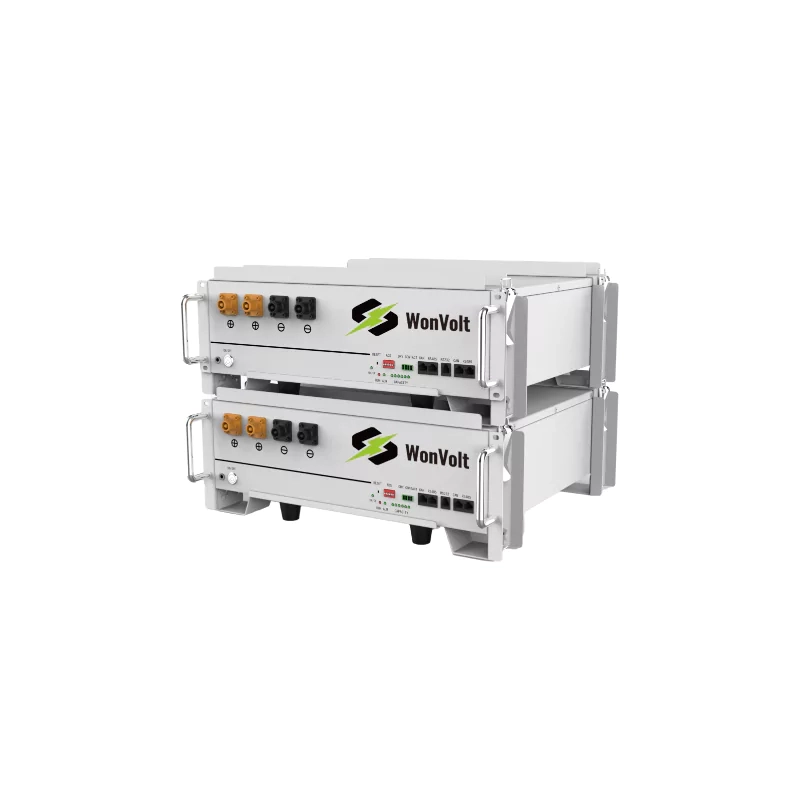
Expanding setups with additional 5kWh Lithium Battery modules distributes load evenly, lowering strain per unit and upholding the array’s overall condition, which proves ideal for those prioritizing extended service. Modular growth thus aids in maintaining peak performance.
Environmental Factors and Thermal Management Efficiency
Surrounding temperatures act as a major influence on lithium battery performance, since heat speeds up unwanted reactions that raise resistance, whereas cold limits ion flow and cuts short-term output.
Ambient Temperature Influence on Chemical Stability
Exposure to 80°C or above triggers fast internal changes leading to lasting capacity reductions, but maintaining operations between 20°C and 30°C supports full lifespan achievement through stable reactions. Temperature control remains crucial for optimal results.
Optimal Placement Strategies for Home Storage
Positioning the system in airy, dry, shaded spots prevents heat buildup, avoiding direct sun on walls or tight enclosed areas where airflow aids in cooling during heavy draws. Proper site selection ensures consistent thermal balance.
Internal Heat Dissipation Features of WonVolt Products
Engineered layouts keep cell temperatures even during steady runs, minimizing uneven wear across the 15kWh assembly and promoting uniform aging rates. This design fosters reliable long-term operation.
Charging Protocols and Inverter Compatibility Benefits
Charging approaches and inverter pairings significantly affect battery condition, as irregular currents or wrong voltages disturb cell balance and harm storage ability over time.
Gentle Charging Rates for Chemical Preservation
Moderate charging speeds protect internal structures by allowing smooth ion placement in the anode during solar input, reducing cell deformation compared to fast methods. Steady processes yield better preservation outcomes.
Seamless Integration with Leading Global Inverters
Effective battery-inverter links enable real-time adjustments to charging paths, optimizing storage efficiency while minimizing stress on components. Compatibility ensures smooth energy handling across brands.
Prevention of Voltage Spikes and Current Overload
The 48V/51.2V framework buffers against grid variations during solar peaks, protecting sensitive chemistry from external disruptions and maintaining steady performance. This setup safeguards against overload risks.
Customized Energy Solutions and Expert Consultation at WonVolt
Selecting an energy storage setup involves more than hardware acquisition, as it requires aligning with unique site conditions and usage to avoid overload or idle capacity.
Tailored System Design for Residential and Commercial Needs
Engineers assess home profiles to size capacities from 5kWh modules to broad utility energy storage setups, matching bill savings or outage coverage precisely. Customized plans fit diverse energy demands.
Global Professional Support and Quality Assurance
Over eight years of focus deliver site checks before sales and training after, optimizing setups for durability from installation onward. Full support builds system reliability.
Direct Contact Information for Project Quotations
For guidance on lifespan extension or capacity selection, the WonVolt Contact Page connects users to specialists offering personalized advice and quotes for sustainable shifts. Direct access streamlines project planning.
FAQ
Q1: How long can a 15kWh lithium battery power a typical home?
A: This depends on your load. For a home consuming 10-15kWh daily, a full 15kWh battery can cover nearly 24 hours of use. For essential loads only, it can last several days.
Q2: Why is 6,000 cycles considered superior to traditional options?
A: Traditional lead-acid batteries offer only 300 to 500 cycles. A 6,000-cycle lithium battery lasts over 10 times longer, significantly reducing the total cost of ownership over the decades.
Q3: Does the battery stop working immediately after its rated cycles?
A: No. Reaching the end of rated cycles usually means the battery has reached 70% or 80% of its original capacity. It will still function, but it will hold less energy than when it was new.