



The move to electric vehicles stands as a current fact rather than a distant idea. Looking 2026, the link between clean power and transport serves as the top choice for budget-friendly and green lifestyles. Handling this shifting field calls for a collaborator that blends new approaches with a firm dedication to worldwide energy changes. WonVolt, set up in 2016, leads this effort with a focus on Industrial and Commercial Energy Storage System (ICESS) solutions for years. Connecting with contact their specialists proves simple, allowing the launch of future energy plans with steady and modern tech.
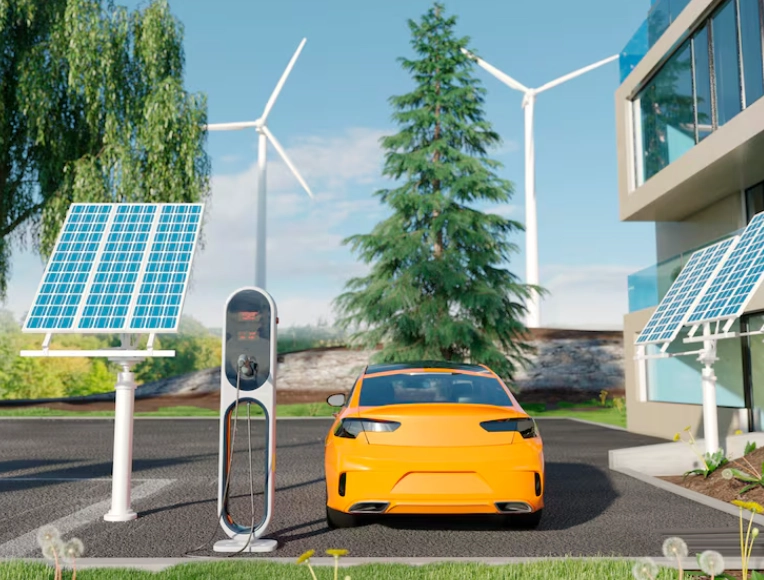
Solar Panels for EV Charging: Overview and Market Dynamics
Solar modules offer the simplest route to turn sunlight into motion for vehicles. This setup forms a quiet and pure power loop that skips the usual grid. By 2026, such setups grow crucial for gaining power self-reliance. This holds true especially in spots with shaky grid reliability or spots where power costs keep changing. Market trends show rising demand for these systems as costs drop and tech improves, making them accessible for homes and businesses alike. Factors like policy support and tech advances further drive adoption rates in various regions.
Definition of Solar EV Charging Systems
A solar EV charging system includes a photovoltaic array. It gathers solar rays and changes them to direct current (DC) power. An inverter then handles this to fill the vehicle’s battery. This direct method cuts out extra steps in energy transfer, boosting overall system performance.
Economic and Environmental Advantages
Making own energy from the roof cuts big on future power bills. It also aids a carbon-light way of life. This cuts ties to old fuels. Over time, these benefits add up in savings and eco gains. Users see lower monthly costs and help reduce global emissions through daily choices.
Technical Bottlenecks and Current Pain Points
Main issues come from tight roof spots and shifting weather. These can cause low power output with weak or old single-face modules. And so, picking better options helps fix these hurdles. Common pains include setup costs and matching output to needs, but new designs ease these concerns.
Energy Consumption Analysis for Future Electric Vehicles
Figuring out needs starts with checking vehicle power use in 2026. Battery sizes and drive patterns set the size of solar setups. Without this step, systems might fall short or waste space. Proper analysis ensures balanced and effective installations.
Average Battery Capacity in 2026
Regular electric vehicles by 2026 have battery groups from 60kWh to 100kWh. They need lots of power for full fills from zero. This range covers most models, from compact cars to larger ones. As tech grows, capacities may rise, but these figures guide planning now.
Daily Driving Range and Kilowatt Needs
Everyday trips shape the power refill amounts. Take a 50-mile run each day. It often needs about 12-15kWh, based on vehicle setup. Efficiency varies by model and conditions, so real checks help fine-tune estimates for accurate solar sizing.
Energy Conversion Loss in EV Chargers
System wastes happen in shifts from DC to AC and back to DC for batteries. This calls for 10% to 20% more power make-up usually. Factoring these in keeps charging smooth. Better chargers reduce losses, but planning extra capacity remains key.
Essential Factors Determining Solar Panel Quantity
Panel counts aren’t set numbers. They come from tech performance picks and site limits. This calc matches output to goals. Ignoring factors leads to mismatches, so detailed reviews matter for success.
Solar Panel Efficiency and Wattage Ratings
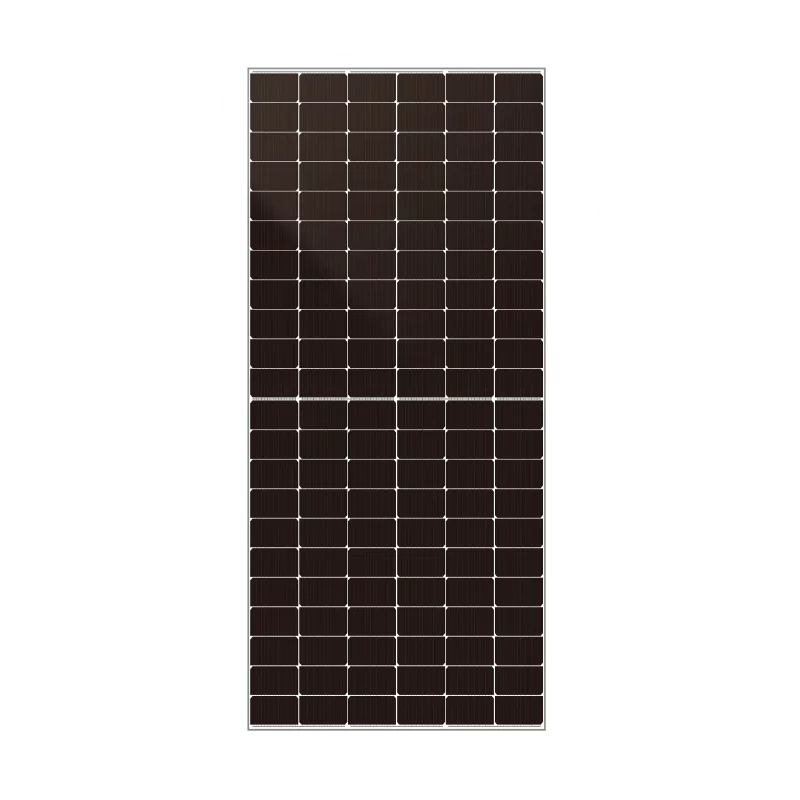
Strong-output modules like the Bifacial Solar Panel 630W make more power per area foot. This lowers total units needed on roofs. Higher ratings mean fewer installs, saving space and costs in the long run.
Geographical Location and Peak Sun Hours
Spot’s yearly sun use hours go from 1,400 to over 1,600 in top areas. These set how many panels fit daily kWh aims. Sunny places need less; cloudy ones more. Tools like sun maps aid in precise counts.
Roof Space and Installation Layout
Tight spaces call for top monocrystalline modules. They max power in small spots. And they keep home looks nice. Layout plans consider angles and shades for best results.
Precise Calculation Methods for 2026 Scenarios
Using set math on power aims gives exact module numbers. This keeps vehicles on green energy alone. Steps involve data inputs and adjustments for real conditions. Such methods build trust in setups.
Basic Formula for Daily EV Charging
Panel needs come from daily kWh split by one panel’s watt times local sun peaks. Adjust for system work rate. This simple tool helps quick checks, but pros refine for accuracy.
Scenarios for Industrial and Commercial Charging
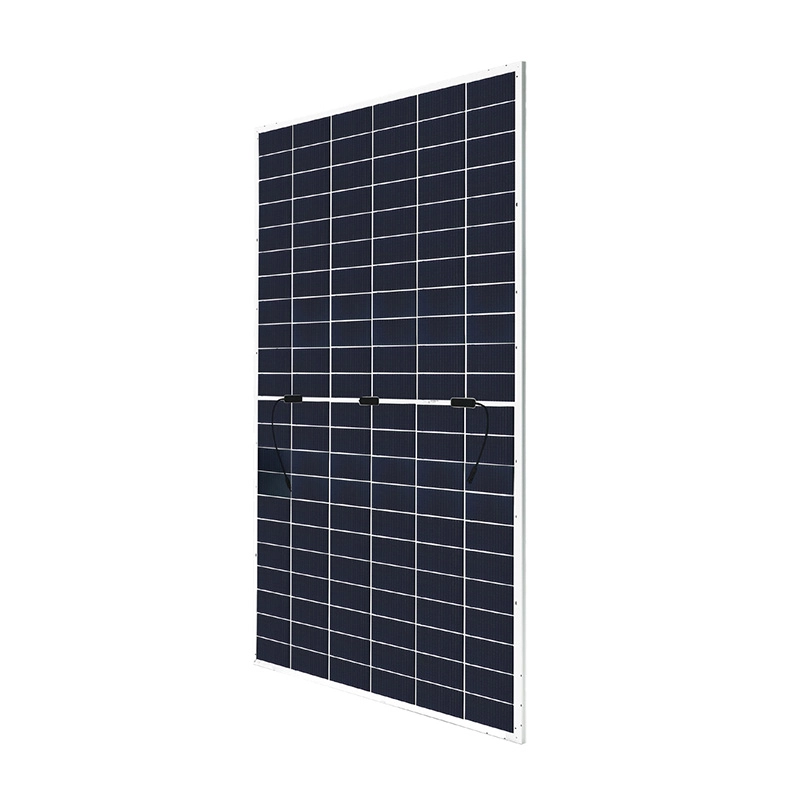
Firms with vehicle groups find the Bifacial Solar Panel 740W a good fit. These catch ground-reflected light for up to 30% more yield. Bulk ops gain from this boost in output.
Utility-Scale Solar Charging Stations
Big runs use high-flow modules with new inverters. This makes wide parking spots into own-power centers. Integration ensures steady supply for many vehicles at once.
Core Advantages of Choosing WonVolt Solutions
Picking a firm with solid history keeps 2026 solar buys working for years. New photovoltaic breaks back this. Long output comes from quality builds and support.
Leading N-Type TOPCon Technology
Brand’s N-type cells stop light-wear and give over 25% change rate. This brings top steady work and lasting trust. Cells handle heat and wear well over time.
Comprehensive One-Stop Energy Storage Integration
More than panels, the firm gives liquid-cool lithium batteries. Smart systems store day sun power for night EV fills. This full link covers all energy steps.
Professional Global Service and Reliability
The aim to better world energy leads to pre-sell site works and after-sell training. Systems fit needs fully. Global reach ensures help anywhere.
FAQ
Q1: Can I charge my EV directly from solar panels?
A: Direct use works, but an inverter turns DC from panels to AC for chargers. Or special DC fast chargers link with the array for quicker flows.
Q2: How do bifacial panels increase charging efficiency?
A: They take sun on two sides. Reflected light from ground like concrete or snow adds up to 30% more power than regular ones.
Q3: What happens to EV charging on cloudy days in 2026?
A: N-type TOPCon modules show good low-light work. They keep making power in mornings, evenings, or clouds better than old types.
Q4: How many 630W panels are typically needed for an average daily commute?
A: A 50-mile day using 15kWh often takes 6 to 8 high-work panels. Local sun amounts change this number.
Q5: Are these solar panels durable enough for 20 years of use?
A: Yes, fine monocrystalline and N-type units last 25 to 30 years. They have small yearly drop rates.