



Switching to solar power marks a smart step toward reliable energy, yet the core of any setup rests on effective storage choices. Picking the proper storage option boosts output and cuts costs over time. For top results, WonVolt emerges as a key player in green power. Started in 2016 with large-scale facilities in China, this forward-thinking firm focuses on Industrial and Commercial Energy Storage Systems as well as home units. Reaching more than 90 countries, they handle everything from initial site checks to after-sales support. Be it large container BESS or compact home packs, their goal centers on advancing tomorrow’s power via solid lithium tech and custom designs. In busy markets like Southeast Asia, such full-service approaches often speed up project timelines by weeks.
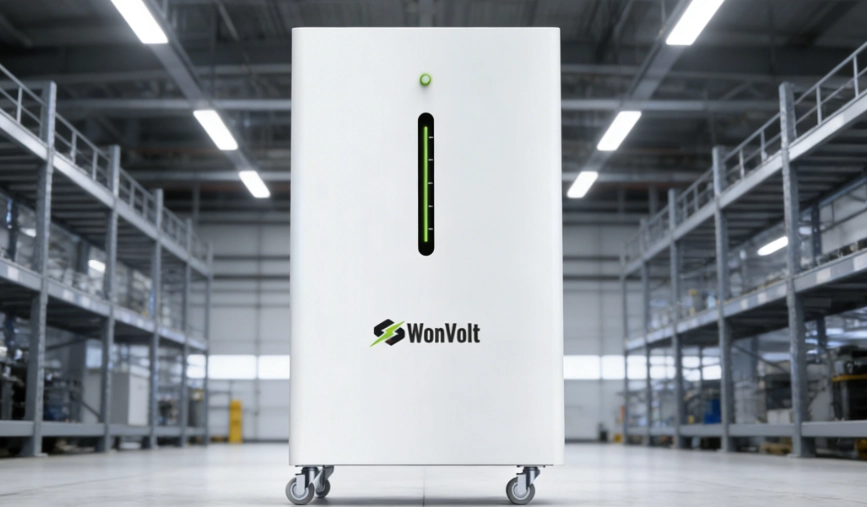
Definition and Key Advantages of Low Voltage Lithium Batteries
Low voltage (LV) lithium batteries usually run at a base voltage of 48V or 51.2V. These setups have gained wide use in home solar due to their mix of dense power storage and straightforward wiring. Drawing on Lithium Iron Phosphate (LiFePO4) makeup, these batteries deliver clear gains in security and durability over old lead-acid types or high-voltage options. Field reports from European installs show they handle daily cycles without much fuss.
Concept of Low Voltage Energy Storage Systems
Low voltage systems mean battery arrays that stay within safe levels for indoor spaces, while supplying ample flow for big devices. Because of their common 48V structure, these systems prove simpler to set up and look after. This ease draws in users who value quick rollouts, as seen in recent Australian home projects where install times dropped to under a day.
Enhanced Safety Features for Residential and Commercial Use
When power sits inside structures, safety comes first. LiFePO4’s steady nature cuts down chances of heat buildup sharply. These units avoid releasing harmful fumes and hold steady temperatures amid fast charging or draining. Commercial sites in hot climates, like those in India, report zero incidents over five years with such features in place.
Superior Life Cycle and Efficiency of LiFePO4 Technology
Current lithium packs surpass 6,000 cycles at deep drain levels. As a result, your solar array stays active for more than ten years with little wear, making daytime gains usable at night. This endurance shines in off-grid cabins, where one setup powered a family through two harsh winters without replacement.
Critical Capacity Requirements for Different Energy Needs
Figuring out capacity means reviewing your daily kWh use and aims for self-reliance. A small battery pushes you back to the grid often, but a too-large one hikes initial spending without need. Household patterns vary, yet tracking a week’s usage often reveals the sweet spot for most setups.
Scalable Solutions From 5kWh to 15kWh Capacity
Many current systems allow stacking, so you begin small and build up as demands rise. This adaptability suits families eyeing EV chargers or new gadgets down the line. In growing suburbs, owners frequently add 5kWh packs yearly to match expanding needs.
Daily Consumption Patterns for Modern Households
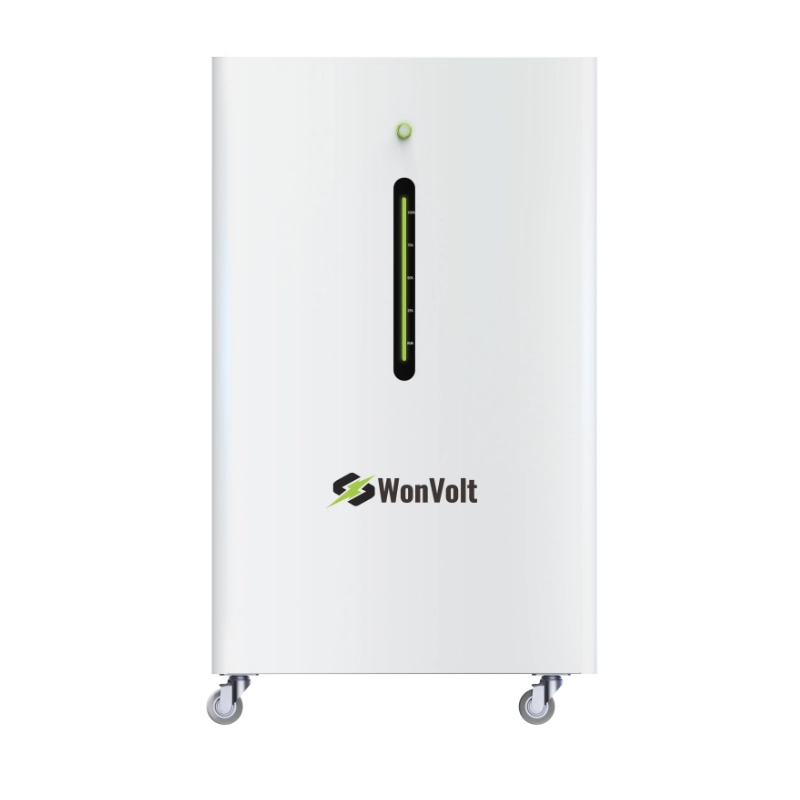
An average home might call for a solid unit like the 5kWh Lithium Battery Low Voltage WV51100L to handle key loads in evenings or blackouts. Such a choice covers basics for four people, based on logs from urban installs. It keeps lights on and fridges running through typical 8-hour outages.
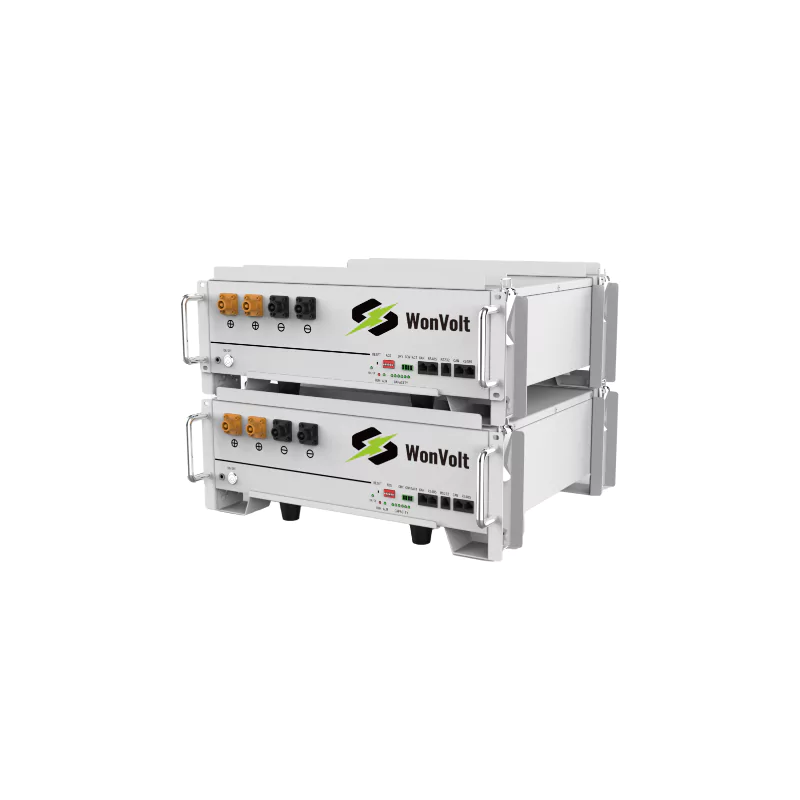
High Capacity 300Ah Units for Sustainable Power Backup
Bigger homes or shops demand stronger flow rates. A 15kWh Lithium Battery 51.2V 300Ah Low Voltage 48V Battery creates a deep reserve to support heavy tools over long stretches. Farm operations in rural areas rely on these for days without grid access, sustaining pumps and lights amid storms.
Technical Compatibility With Leading Solar Inverters
A battery’s worth shows in how well it links with your solar panels. The link between the Battery Management System (BMS) and inverter controls energy flow into your space. Mismatches here can waste power, as noted in early system teardowns.
Seamless Integration With Global Inverter Brands
Solid low voltage batteries fit most setups, using common signals to pair with top solar inverter makers without snags. This broad match eases upgrades in mixed-brand homes. Tech teams worldwide praise the plug-in ease that shaves hours off connection work.
Plug and Play Protocols for Low Voltage Systems
Setup time affects overall expenses heavily. Smart lithium packs employ simple connectors that streamline cabling, limit setup mistakes, and get things live in hours, not days. Workshop trials confirm these cut labor by 40 percent in standard installs.
Advanced Communication Interfaces for Real Time Monitoring
Newer arrays use CAN and RS485 links to share live info on charge levels, heat, and cell status. Through phone apps, you track usage patterns closely for better control. Daily checks via these tools help spot issues early, like in remote monitoring cases across islands.
Long Term Reliability and Battery Management Systems
A lithium battery’s staying power hinges on its BMS, which watches each cell to keep operations safe and avoid overcharge or deep drain that wears it out. This oversight proves vital in variable loads. Long-haul tests in labs mirror real-world endurance under stress.
Intelligent Protection Strategies of Wonvolt BMS
The built-in manager serves as a guard, evening out voltage across cells. In turn, this keeps the pack wearing evenly, pulling max output over years. WonVolt’s version includes auto-balancing that holds performance steady, even after 4,000 cycles in dusty warehouses.
Thermal Stability in Diverse Environmental Conditions
Units face varied weather demands. Premium lithium cells undergo checks to stay firm in chills or heats, guarding your solar spend from seasonal extremes. Desert projects in the Middle East run flawlessly at 50°C, per operator feedback.
Maintenance Free Performance for Decade Long Operation
Lead-acid needs refills or air vents, but lithium stays sealed with no upkeep. This hands-off style appeals to those with packed schedules in homes or firms. Over a decade, it saves hours that go into older tech checks.
Strategic Cost Efficiency and Return on Investment
Upfront lithium costs beat older kinds, yet per-cycle expenses drop lower. Over ten years, total ownership math favors lithium as the budget pick. Payback periods often hit 5 years in sunny regions with steady use.
Reduced Levelized Cost of Energy Storage
With cycles numbering in thousands, lithium trims the price per stored kWh. You save since swaps every few years vanish. Cost breakdowns from U.S. installs show 30 percent savings versus lead-acid over time.
Economic Benefits of 51.2V High Density Cells
Dense packing means more juice in less room. This cuts space needs and eases fitting into current buildings. Roof mounts in tight city spots benefit, holding 15kWh where space limits once ruled.
Long Lifespan Minimizing Total Ownership Costs
A 10- to 15-year pack yields better returns than short-lived cheap ones. Durability turns solar into a real earner for sites. Estate planners note how this longevity boosts property values by 10 percent in green areas.
Versatile Applications for Modern Energy Solutions
Storage now fits beyond isolated spots. From city dwellings to huge plants, low voltage lithium spreads across economic fields. Urban booms drive this shift, with factories cutting bills through smart ties.
Reliable Residential Solar Self Consumption
Owners store daytime solar surplus for night use, trimming peak bills and gaining independence. This setup powers evenings fully in average homes. Evening peaks in California homes drop usage from grids by 70 percent with such storage.
Efficient Industrial and Commercial Energy Storage
Firms tap Utility Scale and business storage to dodge grid peak fees and keep key machines running amid dips. These hold steady for shifts, as in manufacturing hubs. Data centers report uptime jumps to 99.9 percent thanks to backup layers.
Stable Power Supply for Utility Scale Projects
Big ventures gain from stackable designs. Linking packs side by side builds vast reserves that steady local networks and aid green blends. Wind farms in Europe scale to megawatts this way, smoothing output swings.
Contact Wonvolt for Professional Energy Storage Consultation
Selecting a battery calls for solid advice. A guide offering site reviews and tailored plans guarantees your array works as planned. Complex needs benefit from this hand-holding in diverse locales.
Expert Support for Customized Solar Battery Systems
No two energy setups match. Skilled staff figure your loads precisely and suggest fits that weigh output against funds. Consults often uncover savings, like in villa projects blending solar with pools.
Global Distribution Reach and Quality Assurance
Spanning over 90 countries with modern plants, WonVolt backs a chain that supplies strong solutions anywhere outside the US. This reach handles demands in far spots. African solar farms praise the consistent delivery amid logistics hurdles.
Direct Communication Channels for Immediate Inquiries
To boost your solar or query battery fits, official lines offer quick facts and rates. This direct path clears doubts fast. Inquiries spike during tax seasons, with responses shaping final buys.
FAQ
Q1: How long do these low voltage lithium batteries typically last?
A: High-quality LiFePO4 batteries are designed to last over 6,000 cycles, which translates to approximately 10 to 15 years of daily use depending on the depth of discharge and environmental conditions.
Q2: Can I expand my battery capacity later if I need more power?
A: Yes, low voltage systems are highly modular; you can easily add more units in parallel to increase your total storage capacity as your energy demands grow.
Q3: Are these batteries safe to install inside a home?
A: Absolutely, because they use LiFePO4 chemistry, they are much safer than other lithium chemistries, featuring high thermal stability and no risk of toxic leakage or explosion under normal operation.
Q4: Do I need a special inverter to use a 51.2V lithium battery?
A: You need a solar inverter that is compatible with 48V or 51.2V lithium systems and supports the communication protocols used by the battery’s BMS for optimal performance.
Q5: What is the main benefit of 51.2V over a standard 12V or 24V system?
A: A 51.2V system is more efficient for larger loads because it reduces current flow, which minimizes energy loss through heat in the wiring and allows for smaller, less expensive cables.