



The solar energy field keeps changing quickly around the world. In 2025, it stands out as a key year for better photovoltaic tech. For experts looking for top solar panel choices, picking the right ones depends on how well they work, where they fit best, and how cost-effective they are. Finding the best solar modules involves weighing steady energy production against build quality, strength, and maker dependability.
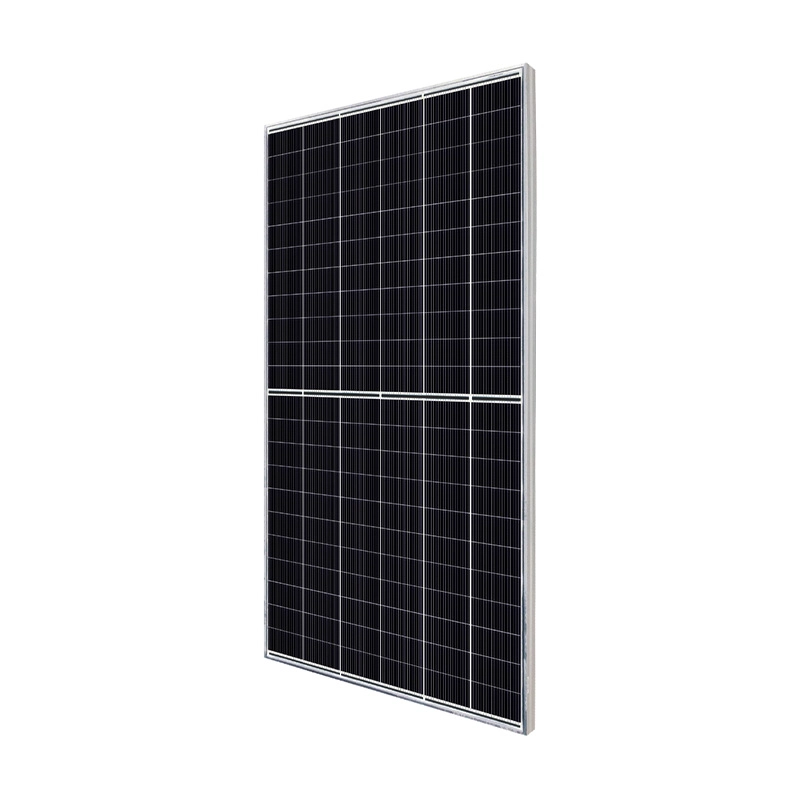
For those wanting the latest solar tech with full support and worldwide know-how, WonVolt brings one of the widest product ranges out there right now. Started in 2016, WonVolt runs as a solar tech firm with two plants in Hefei, China. It has a 1.2GW output for solar panels and 2.5GWh for lithium batteries. It tailors options to boost energy capture and system fit.
What Are the Key Criteria for Selecting Solar Panels in 2025?
Efficiency and Power Output
The main measure for choosing panels is how well they turn sunlight into power per square meter. New designs now beat 23% efficiency. This comes from upgrades like N-type TOPCon cell tech. Take the 740W bifacial panel, for example. It uses improved MBB 210mm cells. These give up to 23.8% efficiency. Plus, it has fine-tuned temperature coefficients of -0.3%/°C.

Durability and Material Quality
A solar panel’s lasting power ties closely to its build materials. This covers toughened glass for hit resistance, EVA film to seal and guard cells, and treated aluminum frames for firm support. Solar photovoltaic panels lack many tricky electrical parts. Thus, they seldom fail or need ongoing upkeep to run at peak levels.
Aesthetic and Installation Flexibility
The 450W Full Black panel gives even visuals with a smooth all-black look. At the same time, it keeps strong efficiency. Its size (1722x1134mm) and low weight (20.8kg) make fitting on current setups easier.

How Do Bifacial Solar Panels Perform in Real-World Applications?
Bifacial tech has grown essential in big setups. It shines by catching light on front and back sides.
Energy Yield from Dual-Sided Generation
The 740W bifacial panel provides 20% more power from the back side. This boosts total energy capture. It works even better over shiny surfaces like concrete or snow. Solar photovoltaic power can spread to many places. As a result, it cuts transmission waste and eases grid strain.
Smart temperature coefficient control (-0.3%/°C) keeps efficiency steady. Even in bright heat, losses stay low.
Structural Design and Mounting Considerations
To get the most from bifacial gain, consider height off ground, angle of tilt, and surface reflection. Glass-glass builds give key mechanical toughness (5400Pa front / 2400Pa rear static load). This suits open-area projects.
These units pair well with fixed-tilt frames or single-axis trackers. Both help max out daily output in large power plants.
Suitability for Industrial and Utility Projects
For heavy-use sites, big panels cut balance-of-system costs. They need fewer pieces per MW. With N-type TOPCon tech and solid build ratings, bifacial panels fit plans for long-term levelized cost of energy savings.
WonVolt delivers full clean energy packages for industry and utility scales. This includes ready BESS units for grid help or on-site use.
What Are the Advantages of Monofacial Panels in Specific Use Cases?
Monofacial panels remain useful, especially in tight spaces or design-focused areas. There, bifacial perks don’t fully apply.
Cost-Efficiency in Solar Panels Systems
For limited areas, pick a compact efficient unit like the 450W Full Black. It mixes low cost with good yield. Its 23.0% efficiency brings solid returns in small setups.
Visual Integration with Architectural Design
All-black monofacial panels cut shine while boosting style appeal. The full black color fits most dark roofs well. It makes projects look uniform and very refined.
These panels also use coatings that block reflections. Thus, they hold up in dim light like cloudy days or early hours.
Simplified Installation Logistics
Light units (about 20kg) ease mounting work, cut labor time, and lower handling risks. This matters in roof upgrades or remote spots with no easy crane access. Their small size lets you pack more tightly. And it avoids extra load on structures.
How Do Solar Panel Technologies Compare in 2025?
In 2025, tech picks focus on cell design, build type, and size shifts. All these affect return on investment directly.
N-Type TOPCon Versus PERC Cells Performance Metrics
N-type TOPCon cells give better efficiency tops, less light-induced and potential-induced degradation risks, and stronger heat handling than PERC cells. Look at cell layouts, max efficiencies, and fade speeds over 25+ years.
WonVolt uses these in its monofacial and bifacial ranges. It comes with top warranties up to 30 years.
Glass-to-Glass Versus Glass-to-Backsheet Modules
Glass-glass units bring better fire safety, UV strength, and build firmness over time. But they weigh more than backsheet types. So, think about shipping and setup effort.
Bifacial models often use this style. It gives even strength spread and weather toughness.
Module Size Trends: M10/M12 Cells and Beyond
With cells growing to 210mm (M12), panels hit higher watts without more units per MW. This aids balance-of-system cuts. But check against inverter limits and frame fits.
WonVolt mixes this growth with big utility choices, so the 550W module serves as a fine balance point.
Which Solar Panels Offer the Highest Power Density Per Square Meter?
Power per area shapes setup costs, mainly where space is scarce.
High-Wattage Modules for Utility Scale Projects
Improved multi-busbar half-cut cells allow strong output in large areas. The 740W bifacial module reaches 23.8% efficiency with 210mm cells. It lowers the number of panels needed per MW.
Compact High-Efficiency Panels for Space-Constrained Sites
For city roofs or small tops, mid-size like the 550W line uses advanced PERC with 9BB setups. It ensures dense energy and easy layouts. Shade resistance via bypass diodes keeps yields steady under partial blocks.
Thermal Management Capabilities
Heat coefficients stay key, especially in warm areas. N-type cells lose less per °C rise than P-type ones. Glass-glass units spread heat evenly on both sides. This extends life and holds output firm under max light.
What Role Does Manufacturer Reliability Play in Panel Selection?
More than specs, success over time relies on the supplier’s history, support reach, and guarantee strength.
Warranty Terms and Bankability
Seek product guarantees of 25–30 years. Tie them to straight fade paths. WonVolt gives up to 30 years linear power output warranty on N-type TOPCon panels. Third-party checks like TÜV back it. Bankability covers insurance against issues like PID or tiny cracks.
Supply Chain Stability & Production Capacity
Firms with full control over inputs deliver on time better. WonVolt reaches over 90 countries via its spread-out plants. This cuts risks from global tensions. Its growing output ensures stock during peak needs or material gaps.
Technical Support & After-Sales Service
Solid after-sales help proves vital—from start-up checks to fixes or part swaps. Direct contact channels let installers get engineer aid fast by phone or email. Site checks before planning also confirm fit from the start.
FAQ
Q1: What distinguishes N-type TOPCon from PERC panels?
A: N-type TOPCon panels provide higher efficiency, lower degradation rates, and better temperature coefficients than traditional PERC modules.
Q2: How much extra energy can bifacial panels generate?
A: Bifacial panels can produce up to 20% more electricity by capturing reflected light from the rear side.
Q3: Are full black modules only for aesthetics?
A: No; while they offer visual appeal for rooftops, they also maintain high efficiency and thermal performance under low-light conditions.