



As energy prices climb higher and blackouts happen more often, plenty of companies and property owners now look toward hybrid solar power systems. These smart setups blend solar panels, battery storage, and either grid connection or generator backup to supply steady, affordable electricity around the clock.
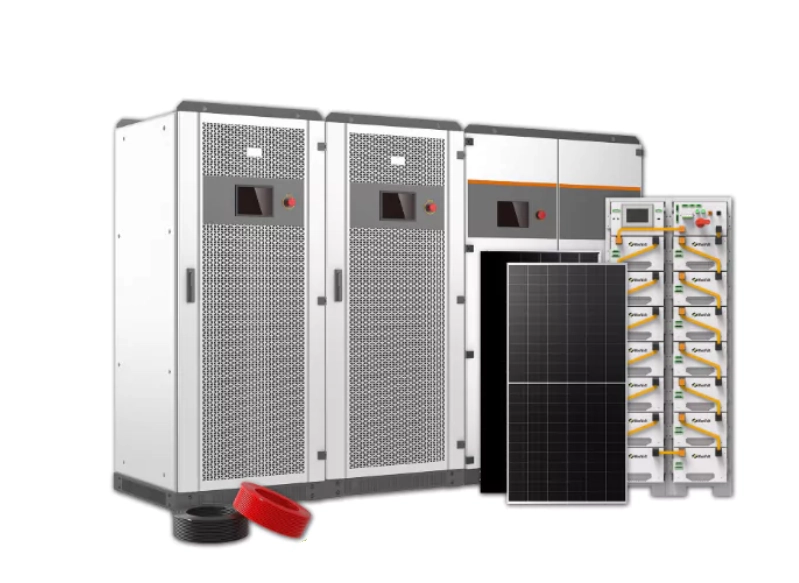
You enjoy greater freedom from unpredictable utility rates, lower monthly bills, and a positive impact on the environment. The main decision comes down to this: should you go with rooftop mounting or ground placement? Each method performs best under specific location features, ranging from crowded city buildings with little extra room to wide-open rural spots.
When you pick a supplier for such projects, it helps to partner with an experienced player in renewable energy. WonVolt, started in 2016 in Hefei, China, has built a solid reputation as a forward-thinking solar technology firm that focuses heavily on industrial and commercial energy storage solutions for more than eight years.
What Are the Main Differences Between Rooftop and Ground Installations?
Hybrid solar power systems work effectively in both rooftop and ground configurations, yet the selection influences daily operation and overall convenience. Rooftop arrangements take advantage of existing building surfaces, whereas ground-based ones demand separate open areas with more design freedom.
Rooftop Installation Overview
You secure panels straight onto building roofs, usually with ballasted supports or fixed brackets. This method blends smoothly into commercial or industrial structures and turns otherwise unused roof areas into valuable power sources.
Ground-Mounted Installation Overview
Panels rest on sturdy racks fixed into fields or vacant lots. You can adjust angles easily, and bifacial panels collect extra light reflected from the surface below, which often leads to greater overall production.
Key Structural and Spatial Differences
Rooftop layouts must respect roof weight restrictions and permanent directions, but ground versions permit ideal tilt adjustments and simple future growth. Additionally, ground placement promotes stronger natural airflow that keeps panels cooler during hot days.
Why Choose Rooftop Installation for Hybrid Solar Power Systems?
Rooftop options shine brightly in locations where space feels tight and land prices stay high. They transform empty roof surfaces into productive energy zones without requiring any additional property.
Space Utilization in Urban Settings
You make smart use of building tops in busy cities or packed industrial zones. This strategy skips the need for new land purchases and pairs nicely with hybrid setups that include battery units.
Lower Initial Land Costs
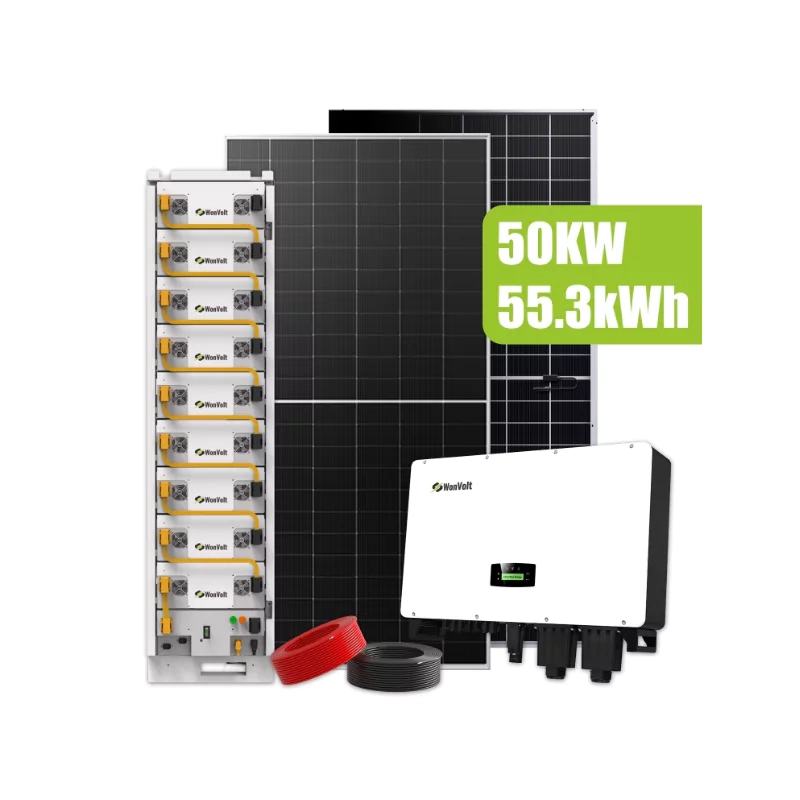
Skipping extra ground purchase or rental cuts down noticeable early spending. Compact designs such as the 50kW 55.3kWh-100kWh hybrid solar power system match smaller rooftops beautifully, and their adjustable batteries provide reliable backup for everyday business needs.
Enhanced Building Integration and Aesthetics
Panels merge naturally with contemporary building styles and offer welcome shade that lowers summer cooling expenses. Moreover, dual-glass construction guarantees lasting strength against rain, wind, and other weather challenges.
Why Choose Ground-Mounted Installation for Hybrid Solar Power Systems?
Ground placement often provides outstanding results across broad, sunny spaces. You gain full control over panel positioning to capture the most sunlight possible.
Optimal Sun Exposure and Higher Energy Yield
Flexible racks let you set perfect angles throughout the year, and bifacial modules can add as much as 25% more output through backside reflection. Consequently, large hybrid projects enjoy noticeably stronger daily generation.
Easier Scalability and Maintenance Access
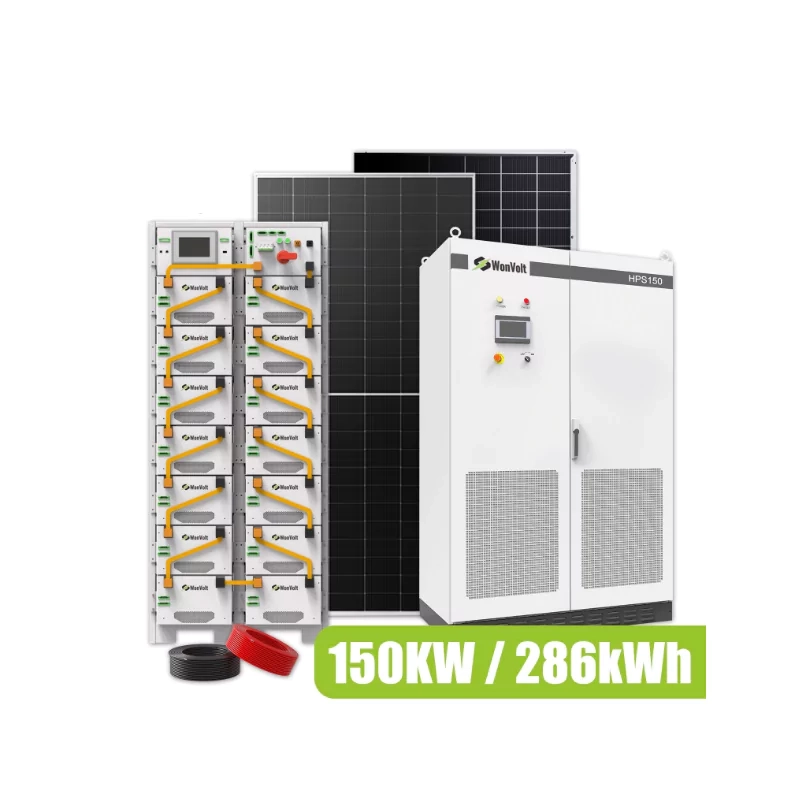
You extend the array whenever demand grows and reach panels comfortably at ground level for cleaning or repairs. Bigger configurations like 150KW-500KW hybrids flourish in these open environments thanks to convenient container-style storage options.
Better Cooling and Long-Term Performance
Raised panels receive constant breeze from all sides, which limits heat buildup and preserves efficiency over many years. Furthermore, robust mechanical standards handle heavy snow loads or strong winds without trouble.
How Do Costs Compare Between Rooftop and Ground Hybrid Systems?
Overall expenses differ according to preparation work and future advantages. You weigh starting investments against ongoing savings and available financial support.
Upfront Installation Expenses
Rooftop projects frequently demand less money at the beginning since they avoid extensive site grading, although roof strength checks may add some fees. Ground work involves foundation pouring, yet it enables cheaper large-scale building.
Long-Term ROI and Maintenance Savings
Ground arrangements typically produce more electricity, which shortens the payback time in bright regions. Both styles require little regular care, but ground-level reach reduces service visits and related charges.
Incentives and Payback Period Variations
Government tax breaks and rebates cover either approach, and rooftop versions sometimes qualify faster in city areas. Return on investment usually falls between five and ten years, depending on local sunlight and power consumption patterns.
Which Site Conditions Make Rooftop the Clear Winner?
Specific circumstances strongly favor rooftop hybrid setups. You value practicality and efficient use of limited area.
Limited Land Availability
City-based commercial buildings or factories with tiny surrounding lots gain the most benefit. Roofs accommodate complete systems while daily activities continue undisturbed below.
Urban or Commercial Building Requirements
Solid flat or gently sloped roofs easily support medium-sized hybrids that supply direct power to offices, shops, or storage facilities.
Regulatory and Permitting Advantages
Cities often process rooftop approvals quicker with fewer restrictions compared to new ground developments, so projects start sooner.
Which Site Conditions Make Ground-Mounted the Clear Winner?
Expansive locations unlock the true strengths of ground mounting. You aim for highest possible production and room for growth.
Abundant Open Space
Rural factories or large private grounds allow vast panel fields that capture bifacial advantages fully.
High Energy Demand Projects
Heavy industrial operations or utility-level facilities require the superior output and expansion potential found in powerful options like the 150KW-500KW hybrid solar power system.
Challenging Roof Structures
Aged buildings or roofs with low weight capacity push decisions toward safer, more dependable ground alternatives.
Why WonVolt Is the Ultimate Choice for Any Hybrid Solar Installation?
Picking the proper partner guarantees smooth success no matter which layout you select. You deserve tailored, top-quality equipment backed by dependable service.
One-Stop Customized Solutions
Complete packages combine cutting-edge TOPCon panels, reliable inverters, and flexible lithium batteries designed exactly for your rooftop or ground layout, covering everything from 50kW commercial scales up to 500kW industrial demands.
Superior Product Quality and Global Reliability
Modern multi-busbar designs and bifacial features ensure excellent efficiency plus tough durability, supported by generous warranties and proven performance across more than 90 nations.
Exceptional Pre- and Post-Sales Support
Dedicated engineers visit sites before design to confirm ideal fit, and they return afterward for startup testing plus hands-on training that keeps everything running smoothly.
FAQ
Q1: What is a hybrid solar power system?
A: It merges solar panels, battery storage, and grid or generator backup so you get uninterrupted electricity even when sunlight fades or outages occur.
Q2: How long do hybrid solar installations last?
A: Panels commonly serve 25-30 years with steady performance guarantees, and batteries deliver over ten years based on daily cycling patterns.
Q3: Can hybrid systems work off-grid?
A: Absolutely, when you include enough battery capacity plus generator support, they supply complete energy independence.