



Вартість акумулятора не дорівнює ціні, яку ви платите за нього під час покупки. Для промислових та комунальних систем накопичення енергії фактична вартість акумулятора протягом терміну його служби визначається кількістю років експлуатації, кількістю фактично корисної енергії, що видається акумулятором, стабільністю акумулятора під час багаторазового заряджання та розряджання, і, нарешті, кількістю разів, коли систему потрібно обслуговувати. Понад 10000 циклів – це більше, ніж просто число, і це суттєво впливає на окупність інвестицій у систему. Більшість режимів роботи таких систем включають щоденне накопичення сонячної енергії, зменшення пікової активності, резервне копіювання та перемикання навантаження.
Кластер акумуляторів LiFePO4 з тривалим терміном служби допомагає розподілити початкові інвестиції на багато років експлуатації. Завдяки зарядці та розрядці один раз на день протягом багатьох років, зберігаючи стабільну ємність, вартість циклу знижується. Для власників проектів, EPC-команд, заводів, ферм, шахт та комерційних будівель це зазвичай навіть важливіше, ніж купівля найдешевшого акумулятора спочатку.
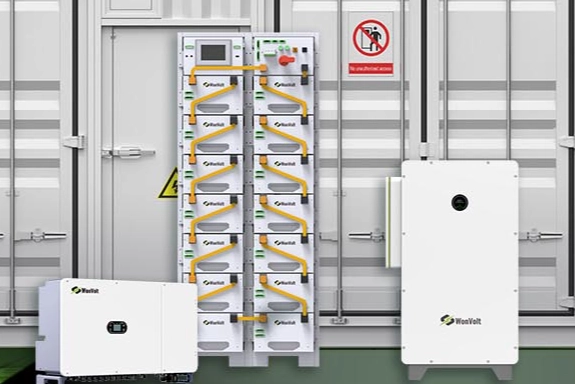
Чому понад 10000 циклів мають значення для вартості зберігання енергії?
Термін служби акумулятора визначається кількістю повних циклів заряджання та розряджання, які акумулятор здатний витримати, перш ніж втратить певний відсоток своєї початкової ємності. На відміну від багатьох інших застосувань, у проектах накопичення енергії акумулятор не просто стоїть, а використовується для зберігання енергії. Це означає, що його можна заряджати протягом дня, коли достатньо сонячної енергії, а потім розряджати ввечері, під час періодів високих цін на електроенергію або навіть для стабілізації мережі.
Більше циклів означає нижчу вартість використання
Акумулятор з більш ніж 10000 циклами роботи має цінність для використання в умовах частого циклу, де потрібне щоденне переміщення енергії протягом багатьох років, а не у разі нечастої надзвичайної ситуації. За однакових початкових витрат на створення двох кластерів, краща економічна ефективність забезпечується варіантом з довшим терміном служби.
Наприклад, завод, який використовує накопичення енергії для зменшення пікових навантажень, може вмикати та вмикати систему майже щодня. Ферма з нестабільним живленням від мережі може використовувати накопичення енергії вночі або в періоди слабкого енергопостачання. Сонячний проект може накопичувати денний надлишок енергії та вивільняти його після заходу сонця. У всіх цих випадках більша кількість циклів означає, що інвестиції в батареї використовуються повніше.
Менша кількість замін зменшує приховані витрати
Заміна акумулятора – це не лише витрати на виріб. Вона також може включати транспортування, підйом, оплату праці, час простою, перевірку відповідності інверторів, введення в експлуатацію та планування утилізації. Кластер LiFePO4 з тривалим терміном служби допомагає зменшити ці приховані витрати, подовжуючи інтервал заміни. Це важливо, коли система встановлена у віддаленому місці або в завантаженій виробничій зоні, де простої є дорогими.
Як хімія LiFePO4 забезпечує довший термін служби?
Хімічний склад акумуляторів LiFePO4 широко використовується для накопичення сонячної енергії, оскільки він забезпечує високу термостабільність, тривалий термін служби та надійні характеристики безпеки. Для покупців цей хімічний склад цінний, оскільки він краще підходить для щоденних завдань накопичення енергії, ніж багато варіантів акумуляторів з коротким терміном служби.
Перш ніж вибрати ємність, слід спочатку перевірити, чи відповідає хімічний склад акумулятора вашому фактичному режиму використання. Акумулятор, призначений для тривалого зберігання, повинен витримувати регулярні цикли заряджання-розряджання, зміни температури, контроль заряду-розряду та системний зв'язок без створення додаткового тиску на управління.
Стабільна безпека
LiFePO4-елементи цінуються за їхню стабільну структуру та безпечнішу поведінку в умовах складного використання. У комерційних та промислових системах зберігання енергії безпека — це не дрібниця. Система акумуляторів може працювати поблизу виробничого обладнання, електроприміщень, сонячних інверторів або центрів навантаження. Стабільний хімічний склад акумуляторів допомагає зменшити ризики та підтримує більш передбачувану систему зберігання енергії.
Краще підходить для щоденного сонячного накопичення
Сонячним системам потрібні батареї, які можуть повторювати одне й те саме завдання щодня: заряджати, утримувати енергію, розряджати та готуватися до наступного циклу. Літієва батарея 100-261 кВт·год, кластер 51,2 В, 314 Аг розроблений на основі технології акумуляторів LiFePO4, має термін служби понад 10000 циклів, інтелектуальне керування BMS та інтелектуальне повітряне охолодження, що робить його придатним для проектів сонячного накопичення, які потребують як безпеки, так і довгострокового контролю витрат.
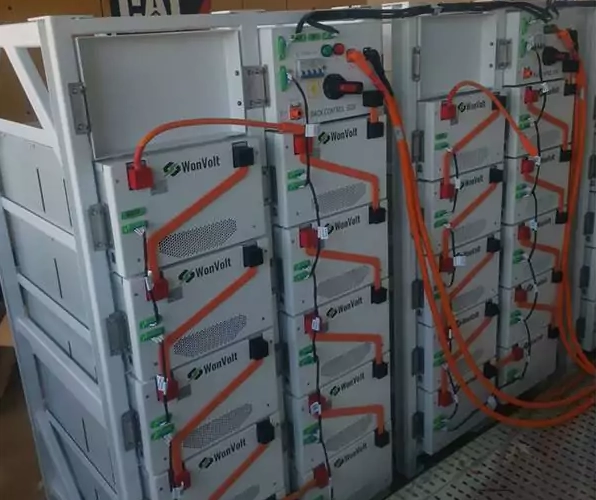
Що робить кластер акумуляторів потужністю 100-261 кВт·год практичним для вашого проекту?
Діапазон потужності 100-261 кВт·год є корисним, оскільки багато проектів накопичення енергії не потребують масивного контейнера на початку. Вам може знадобитися гнучкий кластер для сонячної системи на даху заводу, сільськогосподарського об'єкта, проекту підтримки заряджання або комерційної будівлі з піковим навантаженням.
Компанія WonVolt була заснована у 2016 році та має два заводи в Хефеї, Китай. Компанія спеціалізується на комплексних рішеннях для чистої енергії, включаючи сонячні панелі, контейнерні BESS, літієві батареї з рідинним охолодженням, інтелектуальні літієві батареї з повітряним охолодженням для промислових та комерційних проектів, а також інші продукти для накопичення енергії. Ви можете ознайомитися з ширшим асортиментом продуктів та рішень через WonVolt.
Конструкція модуля 51,2 В 314 Аг
Конструкція 51,2 В 314 Аг надає кластеру акумуляторів практичний елемент для конфігурації системи. Для покупців проектів це важливо, оскільки модульна конструкція може зробити планування потужності чіткішим. Ви можете підібрати ємність накопичувача відповідно до сонячної потужності, добового навантаження, часу резервного копіювання та потужності інвертора, замість того, щоб купувати занадто малу або занадто велику систему.
Розряд 0,5°C для збалансованого виходу
Конструкція з розрядом 0,5°C пропонує збалансований підхід між вихідною потужністю та часом роботи акумулятора. Для багатьох комерційних проектів зберігання енергії надзвичайно агресивний розряд не завжди є найкращим вибором. Стабільний розряд може допомогти зменшити теплове навантаження, підвищити термін служби та підтримувати систему ближче до цільового робочого діапазону.
Розумна система управління будівлею (BMS) для захисту акумулятора
Розумна система управління будівлею (BMS) контролює та керує роботою акумулятора. Вона допомагає контролювати напругу, струм, температуру та логіку захисту. У реальних проектах BMS є важливою, оскільки термін служби акумулятора залежить не лише від якості елементів, але й від того, як управляється весь кластер під час щоденної роботи.
Як інтелектуальне охолодження та Міністерство оборони США можуть покращити довгострокову цінність?
Навіть високоякісний акумулятор може старіти швидше, якщо температура та глибина розряду погано контролюються. Термін служби залежить від якості матеріалу, швидкості заряду-розряду, глибини розряду, робочої температури, виробничого процесу та системного керування. Це означає, що для тривалого терміну служби акумулятора потрібні як потужне обладнання, так і належні умови експлуатації.
Для промислових та комерційних проектів ці деталі визначають, чи добре працюватиме система зберігання даних після першого року. Вам слід не лише запитати, скільки циклів може витримати акумулятор. Вам також слід запитати, за яких умов він може їх витримати.
Розумне повітряне охолодження допомагає контролювати тепло
Температура акумулятора впливає на ємність, безпеку та термін служби. Розумне повітряне охолодження допомагає керувати теплом під час роботи та підтримує кластер у більш підходящому температурному діапазоні. Це особливо важливо, коли система часто заряджається та розряджається або працює в машинному приміщенні з обмеженою природною вентиляцією.
80% Міністерства оборони США підтримує практичне щоденне використання
Глибина розряду, яку часто називають глибиною розряду (DOD), показує, яка частина ємності акумулятора використовується в кожному циклі. Збалансоване налаштування глибини розряду може захистити акумулятор у довгостроковій перспективі. Для багатьох комерційних систем глибина розряду 80% пропонує практичний баланс між корисною енергією та терміном служби.
Правильне встановлення захищає термін служби
Правильне встановлення також впливає на продуктивність. Акумуляторний кластер слід розміщувати у провітрюваному приміщенні, подалі від прямого впливу тепла, та підключати до сумісного інвертора. Якщо ви плануєте більший проект, WonVolt… Промислові та Комерційне рішення може допомогти вам пов'язати вибір акумулятора з фактичними умовами на місці, схемами навантаження та проектом сонячної системи.
Де цей кластер акумуляторів може створити найбільшу цінність?
Кластер LiFePO4 акумуляторів потужністю 100-261 кВт·год є найбільш цінним, коли ваш проект потребує багаторазового переміщення енергії, а не лише епізодичного резервного живлення. Найкращими варіантами використання зазвичай є місця з високими цінами на електроенергію, нестабільним живленням від мережі, потребами в власному споживанні сонячної енергії або піковими навантаженнями, що збільшують експлуатаційні витрати.
Кластер акумуляторів також може працювати як частина ширшої системи чистої енергії. У поєднанні із сонячними панелями та інверторами він може накопичувати відновлювану енергію під час годин інтенсивного сонячного світла та вивільняти її, коли об'єкт потребує живлення. Ви можете переглянути ширші варіанти проектування чистої енергії на сайті WonVolt. рішення сторінка.
Зменшення пікових навантажень у періоди високих цін на електроенергію
Для заводів та комерційних об'єктів піки попиту можуть збільшити витрати на електроенергію. Кластер акумуляторів може розряджатися під час періодів високого навантаження та знижувати попит на електроенергію з мережі. Це робить ваш рахунок за електроенергію більш передбачуваним та допомагає зменшити навантаження на електричну інфраструктуру.
Сонячне власне споживання енергії для кращого використання
Сонячна генерація часто досягає піку, коли деякі об'єкти не споживають всю енергію. Акумулювання дозволяє зберігати надлишкову енергію та використовувати її пізніше. Це покращує власне споживання сонячною енергією та зменшує втрати чистої енергії.
Резервне живлення для критично важливих навантажень
Кластер акумуляторів може підтримувати критичні навантаження під час нестабільності мережі. Він може не замінити повний план дій у надзвичайних ситуаціях, але може захистити важливі системи, освітлення, контрольне обладнання та засоби зв'язку під час короткочасних перебоїв.
Що слід перевірити перед покупкою?
Економічно ефективний кластер акумуляторів повинен відповідати вашій кривій навантаження, конструкції інвертора, середовищу встановлення та довгостроковому плану обслуговування. Найнижча ціна покупки може не забезпечити найнижчої вартості протягом усього терміну служби, якщо система має низький термін служби, погане охолодження, обмежений зв'язок або погану сервісну підтримку.
Для більших проектів ви також можете порівняти, чи потрібна вашому об'єкту кластерна система, шафова система чи контейнерна BESS. WonVolt Утилітний масштаб рішення може підтримувати проекти, що потребують більшої ємності для зберігання даних, складнішої інтеграції або координації на стороні мережі.
Перевірте реальні щоденні потреби в їзді на велосипеді
Якщо ваш акумулятор циклічно розряджається щодня, понад 10000 циклів стають основним фактором витрат. Якщо ваш акумулятор призначений переважно для рідкісного резервного використання, інші фактори, такі як надійність та безпека в режимі очікування, можуть мати більше значення.
Перевірте зв'язок та сумісність
Потужна система накопичення енергії повинна безперебійно взаємодіяти з інверторами та обладнанням керування. Варіанти зв'язку RS485, CAN та Ethernet допомагають системі відповідати різним проектам та потребам моніторингу.
Перевірте сервіс та технічну підтримку
WonVolt надає інженерну підтримку перед продажем для проведення польових досліджень перед проектуванням та інженерну підтримку після продажу для встановлення, пусконалагоджувальних випробувань та технічного навчання за потреби. Ви можете зв'язатися з командою через Зв'яжіться з нами якщо вашому проєкту потрібна допомога з підбором розмірів, підбором інверторів або плануванням рішень.
Часто задані питання
Q1: Чи може 10000+ циклів дійсно знизити вартість кластера акумуляторів LiFePO4?
В: Так. Більша кількість циклів дозволяє акумулятору видавати більше корисної енергії протягом терміну служби, що знижує вартість одного циклу заряду-розряду та зменшує навантаження на заміну.
Q2: Чи підходить кластер літієвих акумуляторів ємністю 100-261 кВт·год 51,2 В 314 Аг для сонячного накопичення енергії?
В: Так. Він підходить для власного споживання сонячною енергією, зменшення пікового навантаження, резервного живлення та комерційних проектів накопичення енергії, які потребують стабільної щоденної циклічності.
Q3: Чому розряд 0,5°C має значення?
A: Розряд 0,5C забезпечує збалансований рівень вихідної потужності. Він може підтримувати практичне споживання енергії, одночасно допомагаючи зменшити навантаження на акумулятор під час багаторазової роботи.
Q4: Як інтелектуальна система управління будівлею (BMS) покращує вартість акумулятора?
A: Розумна система BMS допомагає контролювати та захищати кластер акумуляторів, керуючи напругою, струмом, температурою та умовами безпеки. Це забезпечує стабільну роботу та довший термін служби.
Q5: Коли слід обирати кластер батарей замість більшого контейнерного BESS?
A: Кластер акумуляторів – це гарний вибір для проектів потужністю 100-261 кВт·год, поетапного розширення, комерційних будівель, фабрик, ферм та сонячних систем з помірними потребами в зберіганні енергії. Контейнерна BESS краще підходить для великих комунальних проектів або проектів великої потужності.