



In the fast-changing world of green energy, getting the most from each stored kilowatt matters a lot for big power projects around the globe. Wonvolt, a smart solar tech firm started in 2016, focuses on full energy storage solutions that link strong work with lasting dependability. The company has a solid reach in more than 90 countries. Its goal is to better the world’s energy setup. This top player offers well-made tech to turn energy storage from a costly upkeep task into a strong money maker. By using key ideas like the 80% Depth of Discharge (DoD) rule, your projects can find the right mix of storage and life span.
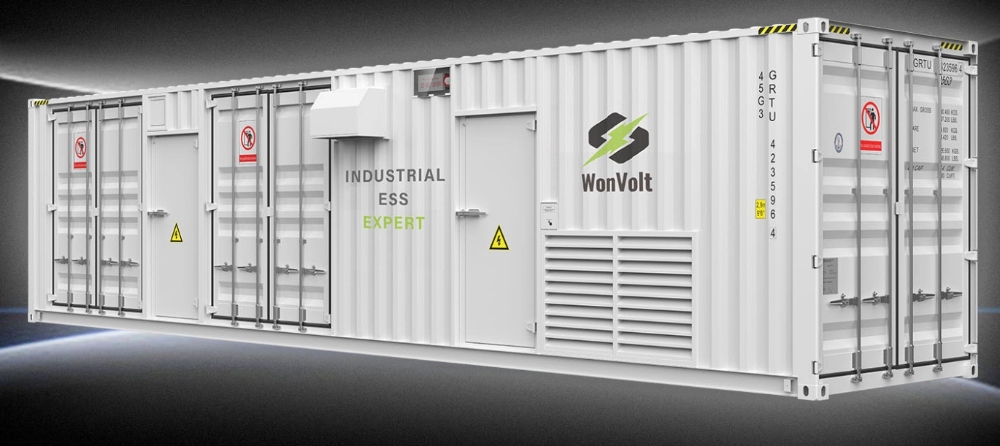
Scientific Impact of Depth of Discharge on Battery Lifecycle
Each time a battery releases power, its inside makeup faces physical strain that sets its full work life. For big power operators, seeing how deep releases affect the tiny build of lithium cells is the key first move to guard a huge money investment.
Correlation Between Discharge Depth and Cycle Count
The link between energy drawn and repeat uses is not straight. If you always drain a battery to 100% SoC (State of Charge), inside resistance grows a lot. This causes voltage to fall and speeds up damage to active parts.
Mechanism of Chemical Degradation in Deep Cycles
Deep releases start side effects in the fluid and parts. Data from studies shows that a battery at 100% SOC faces sharper heat rises during work than one at 50% or 80%. Over time, this leads to lasting lithium build-up and cell structure breakdown.
Economic Balance Between Capacity and Battery Longevity
Using all 100% of stored energy looks good for now, but it cuts the total energy flow over the battery’s life by a lot. Keeping to an 80% cap holds cells in a steady chemical range. This delays the time when storage falls under 80% of the start level.
Why the 80% DoD Rule Is the Industry Gold Standard for Containerized BESS
Moving to large setups means changing from max short-term output to best total ownership cost. The 80% DoD rule stands as the top measure for mixing energy density with the tough needs of grid-tied uses.
Optimization of Energy Density for Utility Scale Projects
Picking an 80% release level lets you use a good share of stored power. At the same time, it leaves enough room to avoid high-strain areas at the ends of the charge path.
Thermal Stability Advantages of the 80% Threshold
Heat runaway worries many in container setups. Studies point out that batteries run in a set DoD range show steady heat output patterns. This makes it simpler for cooling to keep a safe work space.
Strategic Reduction of Long Term Maintenance Expenditures
Sticking to this rule cuts how often you swap cells. Such a forward plan lowers work costs and stop times linked to fixing hurt parts in a large container group.
Technical Implementation of Precision Control Systems
Exact work marks current energy handling. To really handle the 80% DoD rule, gear needs smart software support. This tracks and controls every bit of flow in and out of the setup.
Intelligent BMS Integration for Strict Discharge Management
The Battery Management System serves as a tech watch. It stops the release process auto when the 80% point hits. This blocks user mistakes or grid shifts from pushing the gear too hard.
Real Time Monitoring of State of Charge Accuracy
Right SoC guess work is vital. Smart methods check voltage, current, and heat live. They give an exact count of left energy. Thus, the 80% cap becomes a firm fact, not just a guess.
Active Balancing Technology for Cell Uniformity Protection
To stop weak cells from over-release, active balancing moves charge across the full pack. This even spread means no one part of the container setup faces more strain than others.
Maximizing Project ROI with Wonvolt Utility Scale BESS Containers
For big storage needs, the Wonvolt BESS container for utility scale is made to turn these tech rules into real money wins. These setups offer a ready-to-go fix built for the hard facts of world energy markets.
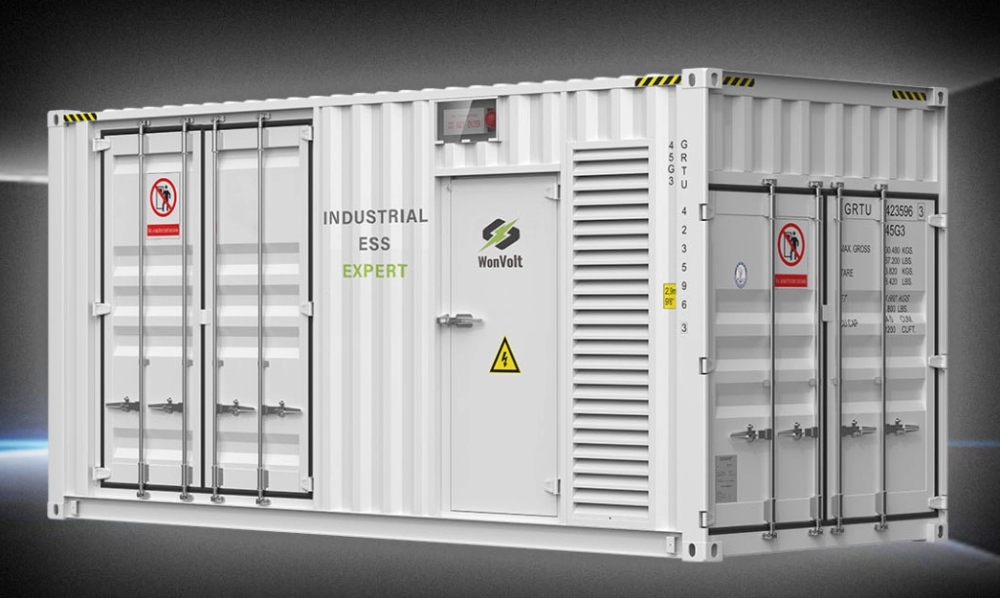
Structural Excellence of Wonvolt Containerized Solutions
These containers stand up to varied weather conditions. They give safe cover that shields the touchy lithium-ion cells from outside factors. Without this, the 80% DoD plan could fail.
High Efficiency Cooling Systems for Stable Performance
Built-in liquid or smart air-cooling keeps inside heat in the best range. Even in top release times, this helps the 80% DoD rule work well.
Superior Return on Investment Through Extended Life Cycles
Pairing top TOPCon or HJT cell tech with firm release rules gives these containers a lower cost per kilowatt-hour over the full project life. This beats common market choices.
Comparing the Financial Gains of 80% DoD versus 100% Discharge
To check your project’s money path, look past the first buy cost. The 80% rule works like protection that keeps the worth of your storage assets.
Total Cost of Ownership Analysis for Global Projects
When you figure cost per round, the 80% DoD way beats 100% release every time. You miss 20% of daily storage, but you get thousands more rounds. This leads to much lower spread-out costs.
Impact of Discharge Habits on Warranty and Insurance
Most makers offer set warranties based on use ways. Following an 80% release limit matches the best warranty deals. It guards your spend against early tech breakdowns.
Strategic Advantage for Large Scale Energy Storage Markets
In tough markets, promising steady power for 10 or 15 years gives a big edge. Setups that focus on long life via smart release rules draw grid runners and money backers more.
Engineering Innovations Behind the Utility Scale Solution
New ideas in energy storage go beyond just the batteries. They cover how these fit into a working, growable system. Part-based build and smart links key to making your setup last for the future.
Modular Design for Flexible Grid Scale Deployment
The chance to grow your storage size means you pay only for needed energy. This part setup pairs with DoD handling to give a bendy but steady power source.
Advanced Safety Protocols for Large Capacity Containers
Safety cannot be skipped. Many guard levels, from fire stop systems to power cut-off, make sure the high energy pack of a utility-scale container stays fully secure.
Seamless Integration with Renewable Energy Infrastructures
Whether with solar or wind, these storage fixes aim to steady the uneven side of green sources. They use the 80% DoD rule for a firm, reliable release all day long.
Partner with Wonvolt for High Efficiency Utility Scale Storage Solutions
Picking a team with deep tech know-how and a solid history is the last step for project win. The right team-up brings custom building and lasting aid to your world work.
Global Reach of Wonvolt Energy Storage Expertise
With work in over 90 countries, you get a store of world know-how in handling tricky storage installs under different rules and weather.
Professional Consultation for Customized Project Requirements
Each energy job has its own limits. Skilled engineers do on-site checks before planning. This ensures the industrial and commercial energy storage or utility-scale fix matches your needs just right.
Direct Contact Channels for Immediate Project Support
Set to better your energy base? You can contact Wonvolt right away. Talk about tech details, money outlooks, and ways to use the 80% DoD rule in your next large job.
FAQ
Q1: What exactly is the 80% DoD rule in BESS?
A: It is a management strategy where the battery is only discharged to 80% of its total capacity, leaving a 20% reserve to prevent chemical stress and extend the overall cycle life of the system.
Q2: Does using only 80% of capacity mean I need more containers?
A: While you might need slightly more initial hardware to meet a specific energy requirement, the significantly longer lifespan of the system means you avoid the high cost of early battery replacement.
Q3: Can the BMS be set to a different DoD percentage?
A: Yes, most modern systems allow for customization; however, the 80% threshold is widely considered the “sweet spot” for balancing daily utility with long-term battery health.
Q4: How does temperature affect the 80% DoD strategy?
A: High temperatures accelerate degradation. The 80% rule helps by keeping the battery in a more thermally stable state, but it must be paired with active cooling for the best results.
Q5: Is this rule applicable to both air-cooled and liquid-cooled systems?
A: Absolutely. Regardless of the cooling method, keeping the depth of discharge at 80% reduces the internal electrochemical strain on the cells, which is beneficial for any containerized BESS architecture.