



Picking the correct energy storage option is a key choice for any current factory setup. If you manage a precise production line or a large utility-scale grid, the battery type you choose affects your daily work and future expenses. For expert help, WonVolt leads in solar tech and energy storage. Started in 2016 and based in Hefei, China, the firm focuses on ICESS options. With a strong output of 2.5GWh for lithium batteries and sales in over 90 countries, they deliver utility-scale solutions. These help companies build better energy plans and support a green tomorrow.
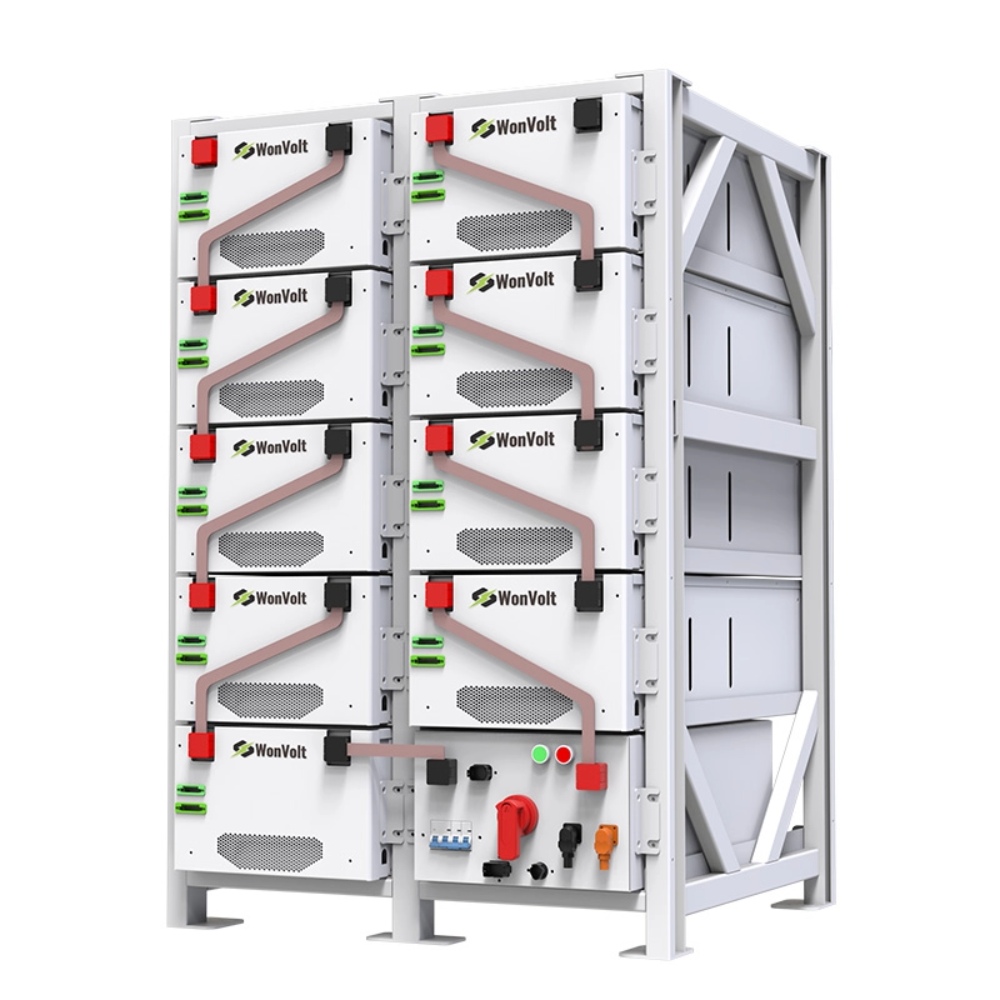
Core Differences in Industrial Lithium Batteries
Choosing an industrial battery needs a solid understanding of how various builds manage power. All lithium-ion batteries use lithium ions moving between positive and negative parts. However, the inside setup usually aims for either endurance or quick bursts.
High-Rate Discharge vs High Energy Density Mechanics
Energy density means how much charge a battery holds compared to its size or weight. It works like the battery’s fuel storage space. High energy density types focus on max storage. They let gear run longer without a recharge. On the other hand, high-rate discharge batteries give out a big energy amount fast. They stress quick power supply over total storage.
The Trade-off Between Power Output and Capacity
You often see that boosting one feature cuts the other. Batteries for high energy density pick materials for slow, even release. This guards the inside from wear. High-rate batteries use thin parts and special fluids to lower resistance inside. As a result, energy flows fast. But for the same size, they hold a bit less total energy.
Why Industrial Scenarios Demand Specific Battery Chemistry
Factory settings push batteries harder than home ones. They need units that handle hot or cold spots and many charge cycles. Lithium iron phosphate (LiFePO4) suits factory work well. Its olivine structure stays firm even in heat or overcharge. This keeps the system safe and steady. It works whether you want a big storage reserve or a fast power source over its full life.
When to Choose High Energy Density for Long-Term Power
In many factory jobs, the main goal is not fast energy release. Instead, it is how long gear keeps working. High energy density batteries fit projects with tight space but big energy needs.
Maximizing Space and Weight Efficiency
High energy density packs more electrical power into a small, light unit. This helps mobile factory gear or storage areas. There, every bit of floor space goes to stock, not big battery setups. High-density cells raise the Ah or kWh rating. You do this without growing the storage cabinet size.
Ideal Use Cases: Off-grid Warehousing and Backup Systems
If your site is far from lines or has shaky power, high-density storage serves as your key energy reserve. These setups hold extra solar power from daylight hours. They supply needs at night or in bad weather. For vital tasks like cooling meds or far-off signal towers, a large reserve ensures round-the-clock power.
Sustainable Operations with Extended Life Cycles
Picking energy-dense lithium batteries brings better value over time. They handle more charge-discharge rounds. New factory lithium groups offer over 6,000 cycles at 25°C. This means they last more than 15 years with daily use. Such length cuts replacement needs. It lowers total ownership costs and aids eco-friendly business.
Why High-Rate Discharge is Essential for Heavy Machinery
Big machines and some grid tasks need a strong power push. Standard high-density batteries risk heat issues or breakdowns if they try this.
Handling Instantaneous High-Current Loads
Gear like electric lifts, hoists, or factory presses sees quick power jumps. High-rate discharge batteries manage these big current draws. They do so without much voltage fall. This keeps your machines running smooth. It avoids stops during busy work times.
Performance Stability During Frequent Power Surges
In factory mini-grids, batteries even out ups and downs from green sources. They also help adjust grid speed. This calls for quick charge and release based on live grid signals. High-rate systems react in under a second. They give the steadiness to balance the grid and avoid harm to exact tools.
Thermal Management in High-Output Environments
Fast energy output creates heat, which hurts battery health most. High-rate factory systems pair with smart air flow or liquid cooling. These keep heat spread low inside the unit. Such active heat control stops bad inside reactions. It avoids heat runaway and keeps your site safe all day, every day.
Optimizing Industrial Performance with WonVolt Energy Solutions
To mix big storage with steady output, a pro-level group system is the best pick. The 100-215kWh Lithium Battery Cluster 51.2V 314Ah shows top factory energy planning.
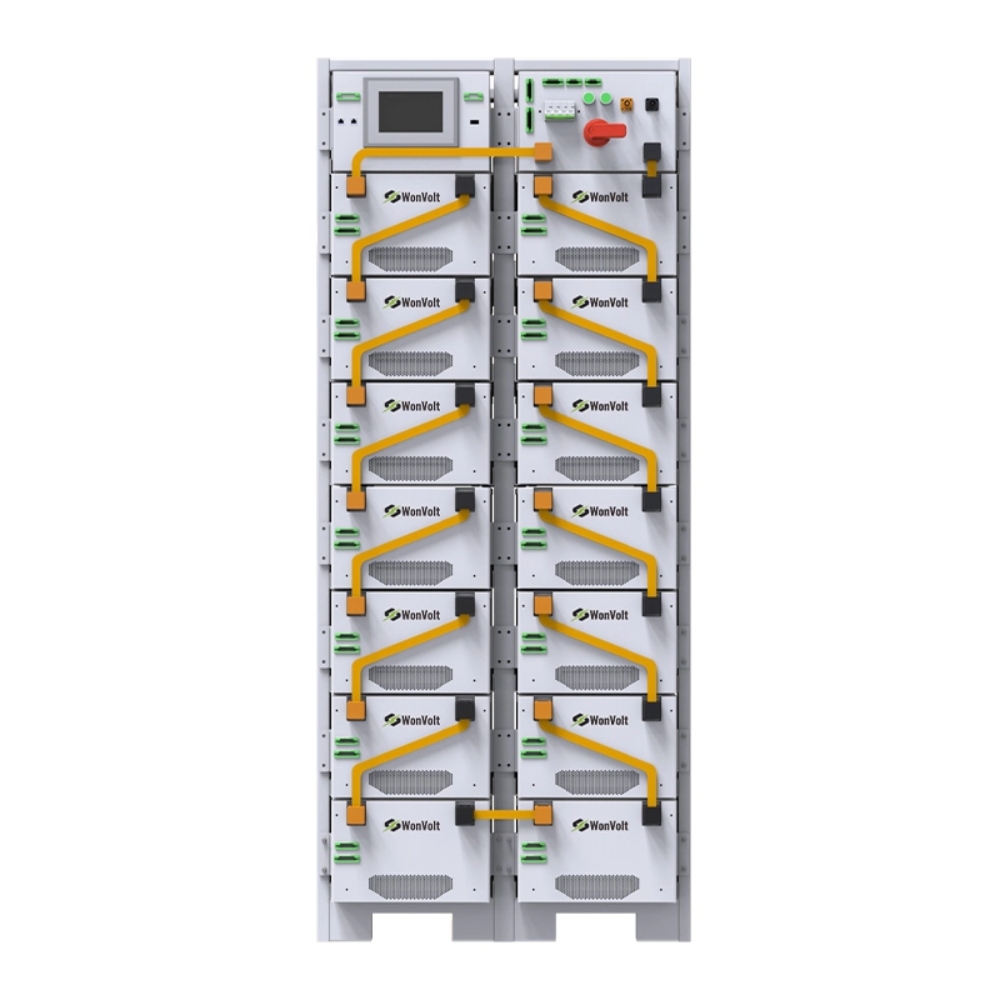
The 100-215kWh Lithium Battery Cluster Advantage
This setup uses strong 314Ah LiFePO4 cells. It gives 215.04kWh of base energy in one storage unit. It handles a 0.5C release rate for good power flow. This fits many factory cases and cuts startup costs. With a life over 15 years and more than 6,000 cycles, it acts as a reliable power core for your firm.
Smart BMS Integration for Scalable Industrial Clusters
To handle so much energy safely, the group links a smart Battery Management System (BMS). It checks voltage, current, and heat live. This system balances cells for even charge across the pack. As a result, it stops uneven wear and lengthens full system life. Plus, these groups work with over 90% of inverter types out there. This offers great setup freedom.
Application Scenarios: From Factories to Utility-Scale Storage
These storage units build for easy use. They suit peak-cut in big stores or mini-grids in plant zones. The growable build lets you link units side by side for megawatt storage. This covers backup for data sites to big grid speed control.
Strategic Benefits of WonVolt Lithium Systems
Putting money into a quality lithium setup is a smart step. It boosts your firm’s image and money gains. Updating your power base matches world green trends and save-energy rules.
Superior Lifecycle Value
Factory lithium batteries last about ten times longer than old lead-acid ones on average. You spend far less on upkeep, removal, and setup changes. Since they drain to full without harm, you get double the usable power per rated amount versus past tech.
Enhanced Operational Safety
Safety matters most in factory work. New lithium groups have many guard layers. These start from steady cell makeup to auto fire stop systems. Cloud-linked checks spot issues live and warn early. This shifts safety from reaction to prevention.
High Inverter Compatibility
A big issue in power jobs is gear that does not match. Factory groups build for strong fit. They work smooth with leading three-phase and battery inverters. This turns DC from panels to clean AC for exact tools. It does so with low loss or wave problems.
Contact WonVolt to Power Your Industrial Project
Ready to cut factory energy costs and lock in your site’s power path? If you want peak-low price plays to trim bills or backup for steady output, WonVolt gives the skill and strong gear you require.
Professional Energy Consultation
The engineering group does site checks before planning. This makes sure each fix fits your power needs and place setup 100%. By looking at your load and price rules, they aid in building a plan for max investment return.
Customized Storage Solutions
From 5kWh home units to huge container BESS up to 3.4MWh, the range grows with your goals. Tailor your setup with liquid cooling for top work or smart air for good value, based on your spot.
Efficient Global Support
With sales to over 90 countries, the aid network offers start tests, skill training, and site help anywhere. Feel the trust of a partner set on “Improving the world’s energy structure, power-up our future”. Link with an expert now to begin your path to power self-rule.
FAQ
Q1: How does a battery management system (BMS) improve safety in an industrial cluster?
A: A BMS monitors every cell’s voltage, current, and temperature in real-time, preventing overcharging and over-discharging that could lead to fire or explosion while ensuring all cells remain balanced.
Q2: Can I use industrial lithium batteries for peak-valley arbitrage?
A: Yes, energy management systems (EMS) allow you to store cheap electricity during low-price periods and discharge it during peak hours, which can save industrial users 15%-30% on annual electricity costs.
Q3: What is the typical lifespan of a lithium iron phosphate (LiFePO4) industrial battery?
A: These batteries typically have a design life of over 15 years and can withstand over 6,000 charge-discharge cycles at standard operating temperatures.
Q4: What is the difference between a grid-connected and an off-grid inverter system?
A: Grid-connected systems feed excess energy into the public grid for revenue, while off-grid systems are designed for remote areas to operate independently, providing 24-hour power using battery storage.
Q5: Are WonVolt batteries compatible with different inverter brands?
A: Yes, WonVolt clusters are designed for high compatibility, supporting over 90% of mainstream inverter brands to provide flexibility for various industrial and commercial projects.