



5kWh low voltage battery applications are strongest where the protected load is small, predictable, and separated from heavy appliances. A 48V battery can support essential circuits in a home, shop, guard room, telecom corner, or small office, but it should not be treated as a whole-building solution by default. The practical decision is whether the load list, expansion path, and safety documentation match the daily outage scenario.
Key Takeaways
- A 5kWh battery should be matched to essential loads rather than vague backup expectations.
- Low-voltage design reduces some installation risk but still requires breaker, cable, and BMS checks.
- Expansion should be planned before the first unit is purchased to avoid later compatibility problems.
- Runtime estimates should use usable capacity after losses, not only the battery nameplate.
Small Batteries Work When the Load Boundary Is Clear
A compact battery becomes reliable when it is asked to support defined loads: routers, lighting, security equipment, small refrigerators, or control electronics. It becomes disappointing when it is connected to air conditioners, heaters, pumps, or mixed sockets with no priority control. The application boundary is therefore more important than the marketing label.
Expansion Is an Electrical Rule, Not a Wish
Many small storage projects begin with one battery and expect later expansion. That is workable only when the manufacturer supports the parallel method, firmware version, communication protocol, and maximum unit count. Adding unmatched batteries later can create imbalance, reduced usable capacity, or warranty disagreement.
| Application | Typical Load Behavior | Suitability Check |
| Home essentials | Long low-wattage operation | Separate circuits and avoid heavy appliances |
| Small office backup | Router, laptops, lights, security | Check inverter output and socket discipline |
| Telecom cabinet | Steady control load | Confirm temperature and ventilation |
| Retail counter | POS and lighting priority | Define shutdown order during long outages |
Where a 5kWh Unit Makes Sense
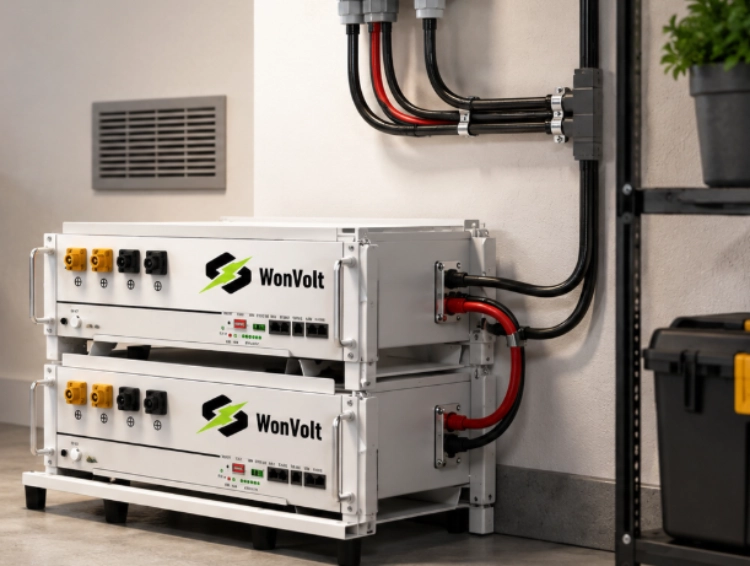
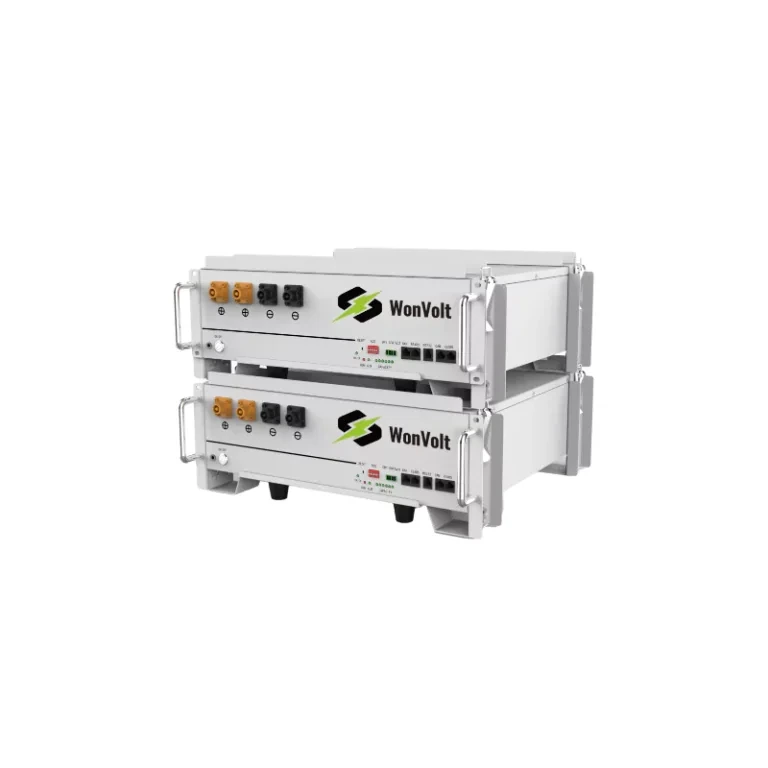
For compact backup and modular storage projects, the 5kWh Lithium Battery Low Voltage WV51100L can be discussed around 48V compatibility, expected load list, communication requirements, and installation space. WonVolt can also help clarify whether a single unit, parallel expansion, or another storage range fits the site better.
The first field pitfall is hidden socket creep: after installation, users plug more devices into protected circuits because the backup seems convenient. The second is warm enclosure placement, where batteries sit inside cupboards with poor airflow and lose performance during long operation.
A 5kWh battery should not be forced into applications with frequent motor starts, long air-conditioning backup, or industrial loads unless the inverter, discharge rating, and thermal conditions have been checked carefully.
Runtime Claims Should Be Replaced by a Protected-Load Table
A 5kWh battery can mean very different experiences. At 200 W of protected load, the user may see a long backup window. At 1,500 W with repeated surges, the same battery becomes a short bridge. The load table should list running watts, starting watts, priority, and expected operating hours.
Essential circuits should be physically or operationally separated from nonessential sockets. If the user can easily add a kettle, heater, or air conditioner to the protected circuit, the reserve plan becomes unstable. Clear labels and user training protect the battery from unrealistic use.
The first quotation should also define whether the project is stand-alone backup, solar self-consumption, or future expansion. Each purpose changes inverter choice, communication requirements, and the practical value of adding more batteries later.
Small Systems Still Need Professional Commissioning
Low voltage does not mean low discipline. Cable section, breaker rating, polarity, grounding, communication wiring, wall support, and ventilation still need inspection. A neat cabinet can hide a weak termination or a cable route that will be damaged during normal household use.
The expansion record should include battery model, production batch if relevant, firmware expectation, communication cable type, and allowed parallel structure. Without those details, the second purchase may require more troubleshooting than the first installation.
A compact battery is easiest to support when the site photo, wiring diagram, and load table are kept together. Those three files let a service team understand the system without guessing how it was originally intended to operate.
Before Energization, Confirm the Assumptions That Drive Runtime
The commissioning record for 5kWh Lithium Battery Low Voltage WV51100L should state the load boundary, expected operating mode, cable route, protection devices, communication status, and environmental condition. Those details make 5kWh low voltage battery applications measurable after the system is live.
A useful handover test includes normal operation, a controlled load change, an alarm or communication check, and a review of the reserve setting. The purpose is not to create an artificial failure; it is to confirm that the system responds in the same order the site team expects during a real event.
The final operating note should also explain what the system is not designed to do. Clear limits around heavy loads, expansion, temperature, moisture, and maintenance keep a technically sound installation from being used outside its intended range.
A Practical Acceptance Checklist Should Use Measured Loads
The final review for 5kWh Lithium Battery Low Voltage WV51100L should include a measured load snapshot rather than only an estimated capacity table. Even a short measurement window can reveal standby draw, short surges, and loads that were forgotten during the sales discussion. That evidence makes 5kWh low voltage battery applications easier to defend when the site is commissioned.
A second useful check is a controlled runtime test with the protected load group. The test does not need to drain the system completely; it should confirm that the inverter, BMS, protection devices, and monitoring interface respond normally under the load that matters most.
Documentation should remain readable for the person who maintains the system next year. Label photos, breaker references, battery model, inverter settings, warranty boundaries, and expansion notes should be stored together. That small file often prevents a simple service question from becoming a site revisit.
If the site expects future expansion, leave physical and electrical space for it now. Wall clearance, cable path, breaker capacity, communication ports, and cabinet arrangement should not be squeezed so tightly that the next battery requires reworking the first installation.
Repeat orders should not rely on the first sample alone. Keep a retained reference for 5kWh Lithium Battery Low Voltage WV51100L, record the accepted condition, and compare later batches against the same measurement or observation method. That habit keeps 5kWh low voltage battery applications stable when raw materials, operators, accessories, or logistics conditions change.
If a later order needs a different size, surface, capacity, route, formula, material, or installation condition, treat it as a controlled variation instead of a casual repeat. A short variation note protects the original approval while giving the new requirement enough attention to avoid hidden mismatch.
FAQ
What can a 5kWh low voltage battery run?
It can run small essential loads when total wattage is controlled. Runtime depends on usable energy, inverter efficiency, starting loads, and whether heavy appliances are excluded.
Is 48V battery storage safer for home use?
A 48V system can reduce some high-voltage handling concerns, but safety still depends on correct breakers, cables, grounding, BMS communication, ventilation, and installation practice.
Can different low voltage batteries be mixed later?
Mixing models or brands is risky unless the manufacturer approves the combination. Capacity, cell chemistry, BMS protocol, firmware, and age can all affect balance and warranty status.
Final Selection Notes
A compact battery is a precise tool, not a general promise. The battery and solar product range gives a broader view of available storage products, while a reliable selection should start with protected-load discipline, expansion rules, and verified 48V safety details.