

Der Umstieg zur nachhaltigen Energie in der Industrie geht über Umweltziele hinaus. Es dient als Schlüsselfinanzplan für den langfristigen Erfolg. Produktionsstandorte sind seit langem auf große Dieselgeneratoren angewiesen, um bei Netzproblemen oder Fernarbeiten Strom zu erhalten. Doch diese Einheiten bringen versteckte Kosten wie steigende Kraftstoffpreise, häufige Ausfälle und die anhaltende Nachfrage nach qualifizierten Arbeitnehmern. Solche Faktoren ziehen Ressourcen von den Kernbetrieben weg. Moderne hybride Solarspeicheroptionen zeichnen sich als stärkere Wahl aus. Sie bieten eine zuverlässige, aufwandarme Leistung, die Verbrennungsmotoren fehlen. Der Umstieg auf dieses wartungsarme Setup ermöglicht es, sich eher auf den Ausbau der Produktion als auf die Reparatur von Motoren zu konzentrieren.
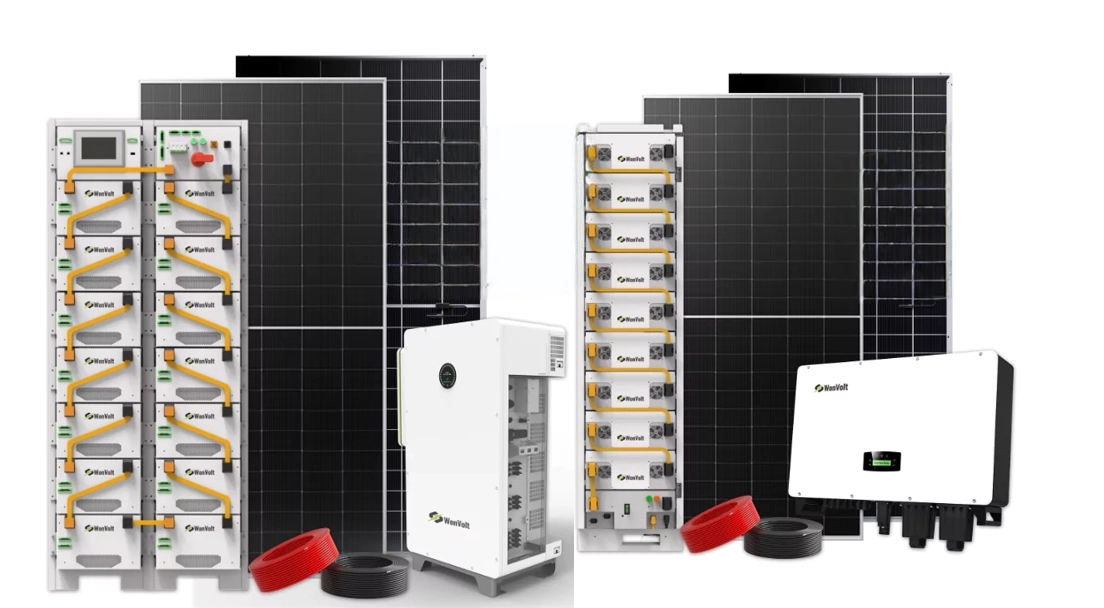
Die Navigation des Energiewechsels profitiert von einem zuverlässigen Partner. WonVolt hat sich einen starken Ruf als führender Entwickler in sauberer Energie weltweit aufgebaut. Das Team bietet tiefes technisches Wissen und solide Ausrüstung zum Schutz des Energiebedarfs.
Vorteile von Hybrid-Solarenergiesystemen
Ein hybrides Solarenergiesystem fungiert als intelligentes Energiezentrum. Es verbindet Solarpanelen, große Batterien und das Netz, um stabilen Strom zu versorgen. Im Gegensatz zu grundlegenden Generatoren, die erst nach einem Ausfall starten, läuft dieses Setup den ganzen Tag aktiv. Es sammelt Sonnenlicht, speichert es in Lithium-Ionen-Einheiten und setzt es frei, wenn der Standort am meisten Strom benötigt. Dieses Design liefert saubere, gleichmäßige Energie für die Ausrüstung. Gleichzeitig reduziert es die Abhängigkeit von teuren fossilen Brennstoffen.
Integriertes Management sauberer Energie
Das System dient als zentrale Steuerung für die Anlage. Es balanciert Energiebedarf und Energiequellen in Echtzeit. Während des Tageslichts bevorzugt es den Solareingang und nutzt Batteriereserven bei teuren Zeiten oder Ausfällen. Dieser Ansatz gewährleistet einen reibungslosen Betrieb ohne Unterbrechungen.
Strategische Power Skalierbarkeit
Die Anlagen können das System auf genaue Betriebsgrößen anpassen. Dadurch werden zusätzliche Kosten für ungenutzte Kapazitäten vermieden. Modulare Konstruktionen unterstützen einfaches Wachstum, wenn sich die Produktion erweitert oder der Speicherbedarf steigt. Diese Flexibilität hält das Setup im Einklang mit geschäftlichen Veränderungen.
Smart Energy Orchestration
Die eingebaute Software verfolgt jedes Kilowatt Produktion und Nutzung. Es liefert klare Berichte über den Energiefluss. Diese Sichtbarkeit hilft, die Nutzungsgewohnheiten zu verfeinern und Kostensenkungen zu bestätigen. Betreiber gewinnen Erkenntnisse ohne praktischen Aufwand.
Drastische Reduzierung der Wartungslast
Der Wechsel von Dieselgeneratoren auf Solarspeicher reduziert den Bedarf an regelmäßiger Wartung stark. Diesel-Einheiten umfassen viele bewegliche Teile, die Hitze und Reibung ausgesetzt sind. Diese führen zu ständigem Verschleiß und Ausfällen. Solarspeicher verwendet stattdessen Solid-State-Technologie. Es fehlen Kolben, Gürtel oder Flüssigkeiten, die Probleme verursachen. Die Entfernung der Verbrennung endet den Hauptgrund für Energiesystem-Ausfälle in der Industrie.
Fehlen mechanischer Verschleiß
Ohne schnell drehende Teile oder Sprengen im Inneren zeigt das System wenig physikalischen Zusammenbruch. Vibrationen und überschüssige Hitze, die oft frühe Motorfehler verursachen, werden zu Sorgen der Vergangenheit. Dieses Design fördert dauerhafte Leistung im täglichen Gebrauch.
Solid-State-Zuverlässigkeit
Das Setup konzentriert sich auf qualitativ hochwertige Lithium-Eisenphosphat-Batterien (LiFePO4) und Elektronik, die für Ausdauer gebaut wurden. Diese Teile laufen seit Jahren ruhig und gut. Sie verlangen von Zeit zu Zeit nur grundlegende Kontrollen. Diese Zuverlässigkeit unterstützt ununterbrochene Standortfunktionen.
Automatisierte Systemüberwachung
Das System führt laufende Kontrollen durch und teilt Statusupdates über Online-Tools. Wenn Probleme auftreten, erreichen Warnungen sofort Geräte. Diese Einrichtung ermöglicht frühzeitige Behebungen anstelle dringender Antworten. Es hält den Betrieb stabil und reduziert Ausfallzeitrisiken.
Vorhersagebare Finanzleistung und ROI-Exzellenz
Dieselgeneratoren verursachen instabile Kosten im Zusammenhang mit den Ölpreisen. Jeder Lauf fügt Kraftstoff- und Reparaturkosten hinzu. Hybride Solarsysteme ändern dieses Muster, indem sie die Energiekosten festlegen. Nach der Einrichtung liefert das Sonnenlicht freien Strom und die Wartung bleibt minimal. Dieser stabile Ausblick unterstützt die Budgetprognosen und steigert die Investitionsrendite.
Feste langfristige Energiekosten
Selbsterzeugter Strom schützt vor Netz- oder Dieselpreisschwankungen. Unternehmen können Einsparungen über 10 oder 20 Jahre genau prognostizieren. Diese Stabilität stärkt die Finanzplanung für Wachstum.
Beseitigung von Kraftstofflogistikkosten
Keine Kraftstofflieferung, Tanks oder Diebstahlschutzmaßnahmen bedeuten erhebliche Einsparungen. Solarenergie kommt direkt aus den Panels ohne Transportbedarf. Dies vereinfacht den Betrieb und reduziert die Kosten.
Hocheffiziente Spitzenrasierung Einsparungen
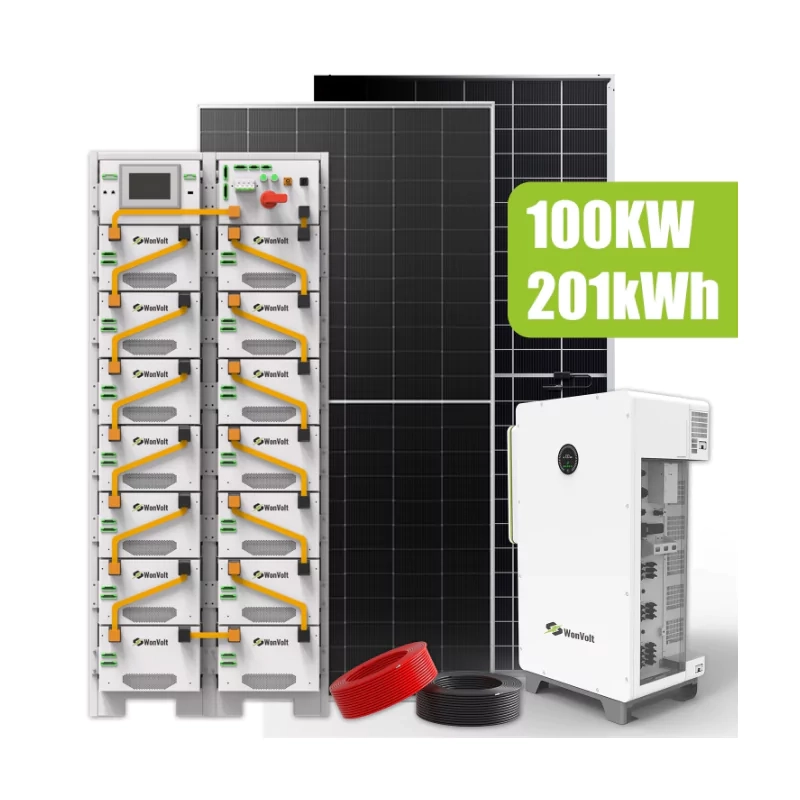
Die 100kW 201kWh Hybrid Solarenergiesystem ausgezeichnet in Spitzenrasierung. Es nutzt Batteriespeicher während der Hochpreisstunden. Diese Taktik kann die Versorgungsnachfragegebühren um Tausende monatlich senken. Einrichtungen erhalten klare Wege zu senkenden Rechnungen.
Überlegene Zuverlässigkeit in kritischen industriellen Umgebungen
In der Fertigung können kurze Stromausfälle zu langen Verzögerungen und Materialverlusten führen. Dieselgeneratoren brauchen oft Sekunden oder Minuten, um vollständig zu starten. Diese Verzögerung gefährdet Ausrüstungsschäden. Hybrid-Solarsysteme reagieren sofort. Der Wechsel zur Batterielistung erfolgt in Millisekunden. Sensible Werkzeuge wie CNC-Maschinen und Controller bleiben ohne Ankündigung über Änderungen online.
Sofortige Backup-Stromversorgung
Das System funktioniert wie eine große Uninterruptible Power Supply (UPS). Es wechselt bei Problemen schnell auf Batterien. Trotz Netzproblemen oder Ausfällen bleibt die Produktion reibungslos. Diese schnelle Aktion schützt Schlüsselprozesse.
Geräuschfreier und emissionsfreier Betrieb
Installationen in der Nähe von Arbeitsplätzen oder in Städten vermeiden Motorgeräusche und Abgase. Dies verbessert die Bedingungen des Personals und erleichtert die Genehmigungsregeln. Der Clean Run unterstützt insgesamt bessere Standortumgebungen.
Dezentrale Energiebeständigkeit
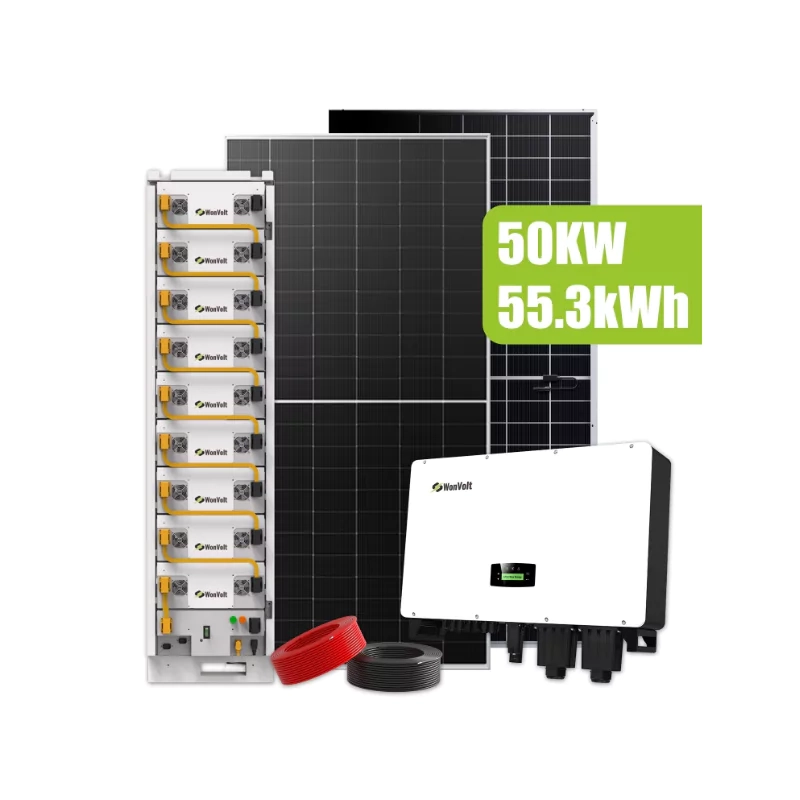
Ein vor Ort 50kW 55,3kWh-100kWh Hybrid Solarenergiesystem baut eine starke Energiekontrolle auf. Standorte entkommen Netzschwachen oder Kraftstoffstörungen. Lokale Stromquellen sorgen für eine stetige Versorgung unter schwierigen Bedingungen.
Zukunftssichere Technologie für nachhaltiges Wachstum
Die weltweite Nachfrage nach kohlenstoffarmen Ketten macht Diesel zu einem Risiko für den Ruf. Käufer überprüfen jetzt Partner’ Emissionen nahe. Solarlager senkt Kosten und bereitet sich auf Steuern und Regeln vor. Diese Setups erweitern sich mit Bedürfnissen. Sie verwandeln Energiesysteme in Stärken, nicht in Belastungen.
Intelligentes Batterie-Lebenszyklus-Management
Batteriemanagementsysteme (BMS) laden und entladen Zellen unter idealen Einstellungen. Diese Pflege verlängert die Lebensdauer des Systems über 10 Jahre. Es liefert zuverlässige Strom für längere Zeiträume. Einrichtungen profitieren von dauerhaftem Wert.
Nahtlose Integration mit Erneuerbaren Zielen
Ein solarbasiertes Profil erhöht die Markenprächtigkeit. Es entspricht den ESG-Standards für Investoren und Kunden. Diese Passform unterstützt Marktpositionierung und Compliance.
Modulare Erweiterbarkeit für die Expansion
Das Hinzufügen von Produktionsflächen oder Automatisierung bedeutet einfache Systemupgrades. Mehr Panels oder Batterien können problemlos integriert werden. Diese Anpassungsfähigkeit verhindert Energiebegrenzungen für den Geschäftsfortschritt.
Partner mit WonVolt für Ihre maßgeschneiderte Energiewende
Die Wahl eines Energieverbündeten sichert die Website’ Der Weg nach vorne. Der Wechsel von Diesel auf Solar erfordert Einblicke in Lasten und Netze. WonVolt betont Kraft und Leichtigkeit im Design. Ihre Systeme bewältigen raue industrielle Einstellungen und bleiben einfach zu bedienen.
Bewährte Industriekompetenz und Innovation
WonVolt’ s Erfolg bei der Lagerung für Bergbau- und Kaltstätten zeigt Fertigungsfähigkeit. Sie liefern Getriebe und Beratung für reibungslose Umschaltungen. Diese Expertise führt zu effektiven Ergebnissen.
Flaggschifflösungen für Exzellenz in der Fertigung
Das 100kW 201kWh System bietet eine hohe Kapazität für schwere Anforderungen. Die Option 50kW 100kWh bietet kompakte Leistung für unterschiedliche Anwendungen. Beide ertragen rund um die Uhr industrielle Anforderungen.
Direkte Verbindung zur professionellen Beratung
Um die Dieselwartung zu beenden und die Rechnungen zu senken, stehen Experten bereit. Kontakt über die Kontaktieren Sie uns Seite für Angebote oder Audits. Indem Sie jetzt handeln, werden Websites betrieben, kostengünstig und bereit für zukünftige Herausforderungen.
FAQ (häufig gestellte Fragen)
Q1: Wie viel Wartung erfordert ein Hybrid-Solarsystem tatsächlich?
A: Diese Systeme benötigen viel weniger Pflege als Dieselgeneratoren, die wöchentlichen Tests und jährlichen Reparaturen ausgesetzt sind. Es reicht aus, die Platten sauber zu halten und Batterien und Drähte einmal oder zweimal jährlich zu überprüfen. Dieser geringe Aufwand macht Zeit für andere Aufgaben frei.
Q2: Kann das 100kW-System wirklich meine gesamte Fabrik bei einem Blackout laufen?
A: Die Kapazität hängt von der Gesamtlast ab, aber die 100kW-Einheit versorgt Schlüsselmaschinen und -systeme. Die 201kWh-Batterie hält lebenswichtige Linien stundenlang bei Ausfällen. Wenn Sonnenlicht den Panels hilft, verlängert sich die Laufzeit weiter.
Q3: Sind die anfänglichen Kosten der Solarlagerung viel höher als ein Dieselgenerator?
A: Die Anfangskosten für Solar übersteigen Diesel, aber der Gesamtbesitz erweist sich billiger. Kraftstoff- und Wartungssparungen decken das System in 3 bis 5 Jahren ab. Danach kommt der Strom auf wenige Kosten.