



As power grid volatility increases and energy independence becomes a priority for residential and commercial applications, selecting an appropriate energy storage system (ESS) is critical. Off-grid solar installations require high reliability, deep discharge capability, and thermal stability to handle uninterrupted daily cycling.
This guide evaluates the top five solar battery storage solutions in 2026 across residential, commercial, and remote industrial deployment scenarios.
Technical Metrics to Consider for Off-Grid & Backup Power
When engineering an off-grid or critical backup system, standard nominal capacity is only one part of the equation. Key evaluation parameters include:
- Battery Chemistry: Lithium Iron Phosphate (LiFePO4) vs. Nickel Manganese Cobalt (NMC). High-density 314Ah Grade-A LiFePO4 cells offer superior thermal stability, safer chemistry, and longer cycle life compared to NMC.
- Cycle Life & Depth of Discharge (DoD): High-frequency off-grid usage demands chemistry that can sustain 80%+ DoD over thousands of cycles without rapid capacity degradation.
- BMS & Inverter Compatibility: Integrated Battery Management Systems (BMS) with standardized communication protocols (CAN / RS485) ensure seamless integration with off-grid and hybrid inverters (e.g., Deye, Victron, Sol-Ark).
- Scalability & System Topology: Modular expansion capabilities—ranging from 5 kWh residential wall units to 261 kWh clusters and 5 MWh containerized BESS—dictate adaptability for growing load requirements.
Top 5 Solar Storage Batteries for 2026
1. Tesla Powerwall 3
- Target Application: Integrated Whole-Home Residential Backup
- Capacity: 5 kWh
- Chemistry: NMC (Lithium Nickel Manganese Cobalt Oxide)
- Max Output Power: 5 kW continuous
- Warranty: 10 Years
Advantages: High integrated power output with onboard solar inverter; established smart grid management and seamless app monitoring; compact single-unit wall-mount architecture.
Limitations: Closed ecosystem restricts third-party inverter and expansion options; higher cost per usable kWh compared to modular LFP designs.
2. Enphase IQ Battery 5P
- Target Application: AC-Coupled Residential Solar & Distributed Storage
- Capacity: 0 kWh per module (Modular)
- Chemistry: LiFePO4 (Lithium Iron Phosphate)
- Warranty: 15 Years
Advantages: Microinverter architecture provides distributed reliability without a single point of failure; high thermal tolerance and stable LiFePO4 safety profile; industry-leading 15-year limited warranty.
Limitations: Requires multiple combined units to match larger residential or commercial surge loads; dependent on the broader Enphase ecosystem.
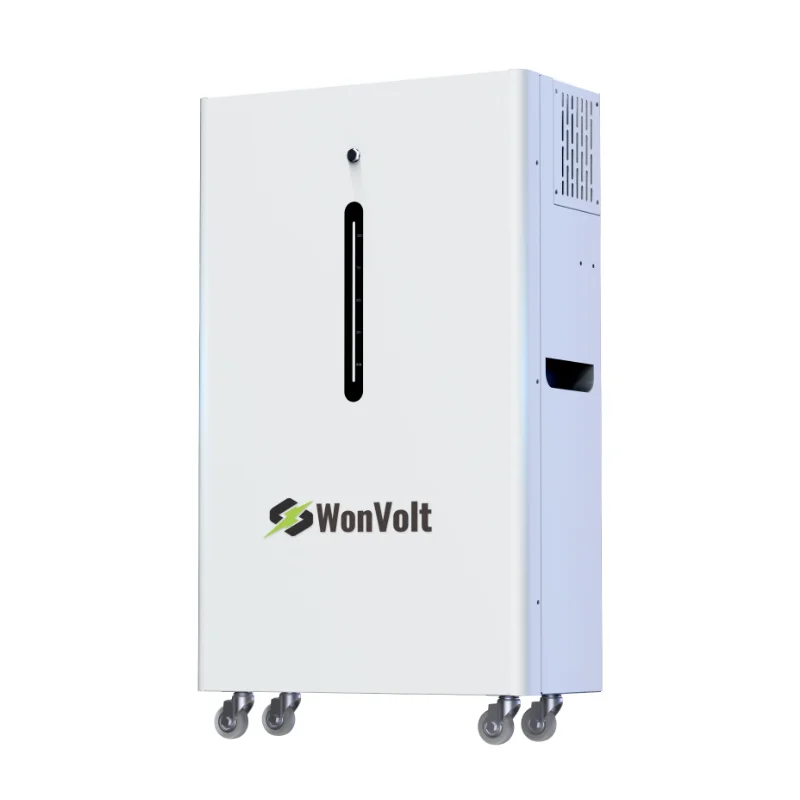
3. WonVolt LiFePO4 Energy Storage Series (2026 Upgraded)
- Target Application: High-Capacity Off-Grid Estates, Commercial & Industrial (C&I), Telecom, and Microgrids
- Capacity: 5 kWh (WV51100L) / 16.07 kWh (51.2V 314Ah) Low-Voltage Units; 100–261 kWh Industrial Clusters; Expandable up to 5 MWh Containers
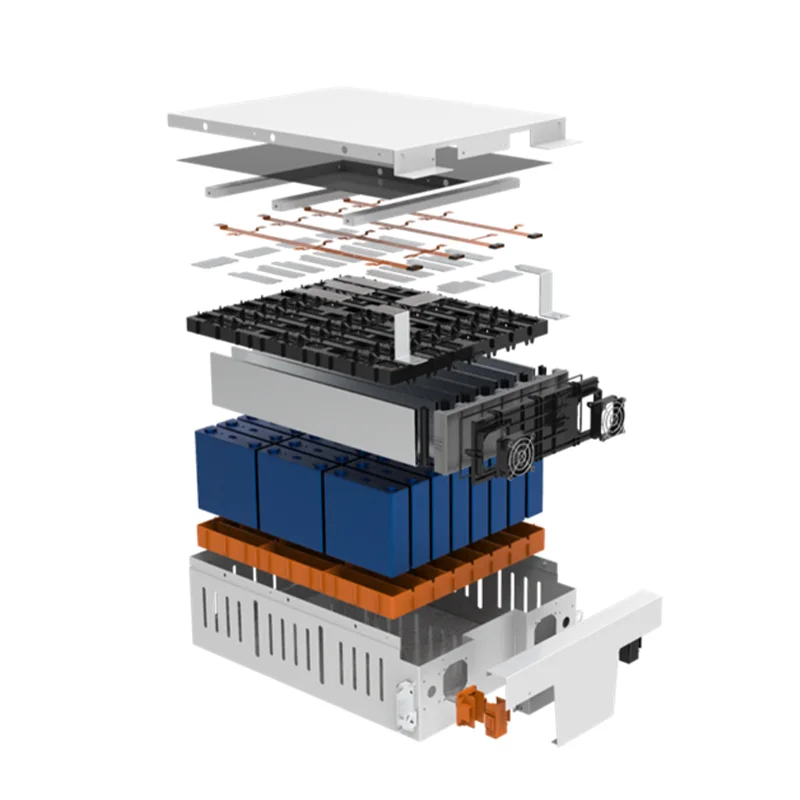
- Cell Architecture: Grade-A 314Ah LiFePO4 Cells (51.2V Nominal Voltage)
- Cycle Life: 6,000–10,000+ Cycles @ 80% DoD
- Warranty: 10 Years (Industrial Grade)
Advantages: Utilizes next-gen 314Ah LiFePO4 cell technology to maximize energy footprint efficiency. Designed for extreme off-grid charge/discharge cycles and continuous duty. Provides superior Levelized Cost of Storage (LCOS) over a 10–15+ year lifespan with broad CAN/RS485 inverter compatibility. Discover complete product lines at WonVolt Energy Storage Systems.
Limitations: Tailored for professional installer deployment rather than direct retail plug-and-play consumers.
4. Generac PWRcell
- Target Application: Whole-Home Flexible Storage & Grid-Tied Backup
- Capacity: 0 kWh to 18.0 kWh (Expandable)
- Chemistry: NMC
- Warranty: 10 Years
Advantages: Modular cabinet structure allows capacity upgrades without replacing whole units; strong integration with traditional automatic transfer switches (ATS) and generator setups.
Limitations: Direct Current (DC) coupled design requires specific system layout considerations; limited availability outside North American distribution channels.
5. EcoFlow Delta Pro / Ultra
- Target Application: Mobile, Emergency Backup & Light Off-Grid Power
- Capacity: 6 kWh (Expandable to 25 kWh+)
- Chemistry: LiFePO4
- Warranty: 5 Years
Advantages: Plug-and-play deployment with integrated wheels and rapid charging capabilities; mobile application monitoring and versatile AC/DC output ports.
Limitations: Lower structural IP enclosure rating compared to stationary wall/rack-mounted systems; not optimized for hardwired, heavy-duty industrial load requirements.
Technical Comparison Matrix (2026 Benchmark)
| Specification | Tesla Powerwall 3 | Enphase IQ 5P | WonVolt LiFePO4 | Generac PWRcell | EcoFlow Delta Pro |
| Chemistry | NMC | LiFePO4 | Grade-A 314Ah LiFePO4 | NMC | LiFePO4 |
| Cycle Life (@80% DoD) | ~6,000 | 6,000+ | 6,000–10,000+ | ~5,000 | ~3,500 |
| Scalability | Medium | High | 5kWh to 261kWh (Up to 5MWh) | Medium | Portable Modular |
| Inverter Openness | Proprietary | Enphase Micro | Universal (CAN/RS485) | Generac Specific | Integrated |
| Target Market | Residential | Residential | Off-Grid / C&I / Microgrids | Residential / Light C&I | Portable / Emergency |
Industry Trends & Architectural Insights for 2026
1. Shift Toward High-Capacity 314Ah LiFePO4 Cells
In 2026, the stationary energy storage industry has rapidly standardized around 314Ah high-density LiFePO4 cell technology. Compared to older 280Ah/300Ah cells, 314Ah cells offer higher energy density, reduced system footprint, and improved thermal stability for both commercial clusters and utility container systems.
2. Microgrid Standardization & Containerized BESS
As off-grid industrial projects (mining, agriculture, telecom) expand, single-home battery stacks are being complemented by mega-capacity containerized ESS units. For utility and commercial deployment, explore Industrial & Commercial Energy Solutions and scalable Utility-Scale Containerized BESS up to 5 MWh for zero-grid reliance.
3. Open Communication & Smart Inverter Interoperability
Proprietary ecosystems are increasingly yielding to open-protocol standards. Modern high-capacity systems feature dual CAN/RS485 interfaces, allowing direct communication with multi-brand hybrid and off-grid inverters (e.g., Deye, Sol-Ark, Victron) for synchronized peak-shaving and off-grid switching.
Conclusion: Selecting the Right Energy Storage System
Selecting the ideal battery storage system in 2026 depends on your specific operational requirements:
• For turnkey residential grid-tied backup, systems like the Tesla Powerwall 3 or Enphase IQ 5P offer polished, consumer-ready ecosystems.
• For heavy off-grid demands, commercial microgrids, or scalable custom deployment, WonVolt’s 2026 LiFePO4 series delivers high cell density, open protocol integration, and structural longevity.
For custom system design, B2B engineering consultation, or project inquiries, feel free to Contact the WonVolt Engineering Team.
FAQ
Q1: Why are 314Ah LiFePO4 cells becoming the standard for 2026 off-grid systems?
A: 314Ah LiFePO4 cells provide approximately 12–15% higher energy density than legacy 280Ah cells within the same physical enclosure footprint, delivering greater storage capacity while maintaining exceptional thermal safety and 6,000+ cycle performance.
Q2: Can WonVolt batteries be integrated with third-party inverters?
A: Yes. WonVolt energy storage systems feature standard CAN and RS485 communication protocols, enabling seamless integration with major global off-grid and hybrid inverters, including Deye, Victron, and Sol-Ark.
Q3: How does cycle life impact the total cost of ownership in 2026?
A: Higher cycle life directly improves the Levelized Cost of Storage (LCOS). A system rated for 6,000–10,000 cycles provides 10 to 15+ years of daily charge/discharge operation without requiring module replacement, substantially lowering long-term capital expenditure for off-grid operations.