



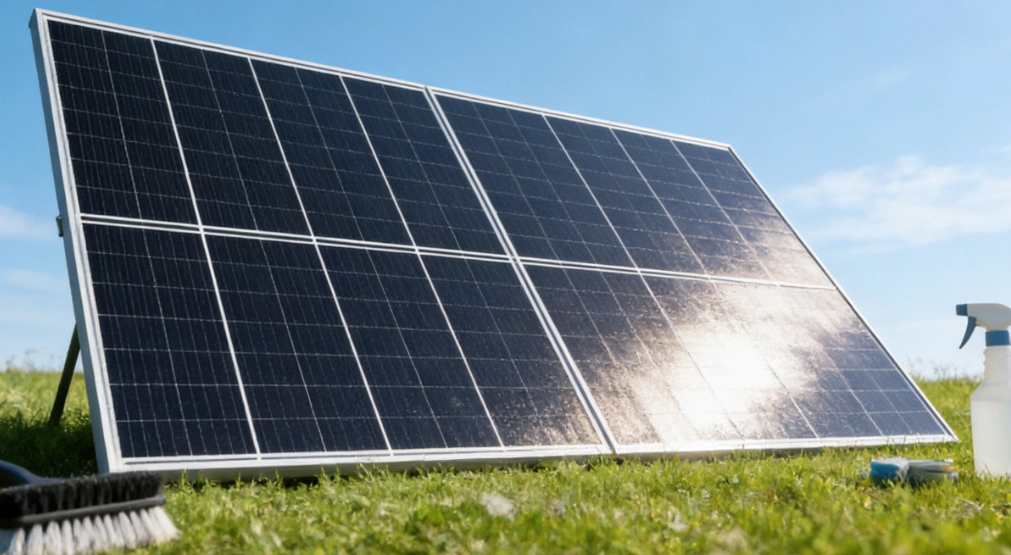
Spending on a strong solar setup shows a real push for green energy down the line. Still, how well these setups work depends a lot on keeping the glass clear. Things like dust, bird droppings, and factory pollution build up and stop sun from reaching the cells. But if you clean them the wrong way, it often causes lasting tiny scratches that hurt output as time goes on. To keep your money safe, working with a pro like WonVolt really helps. From 2016 on, they have zeroed in on Industrial and Commercial Energy Storage and solar tech. They manage two big plants in China. Their group has a 1.2GW solar panel line, and they give unique clean energy solutions fit for over 90 places. They do more than move gear. They supply pre-sale engineer services so each plan matches your spot needs just right. If you pick pro-level tools, then a pro upkeep plan goes with it.
Advanced Features of High Efficiency Bifacial Solar Panels
Today’s power networks call for parts that grab every bit of sun. Strong modules use two-layer glass to stay tough in tough weather. At the same time, they get more energy from the same space.
Dual Side Energy Generation
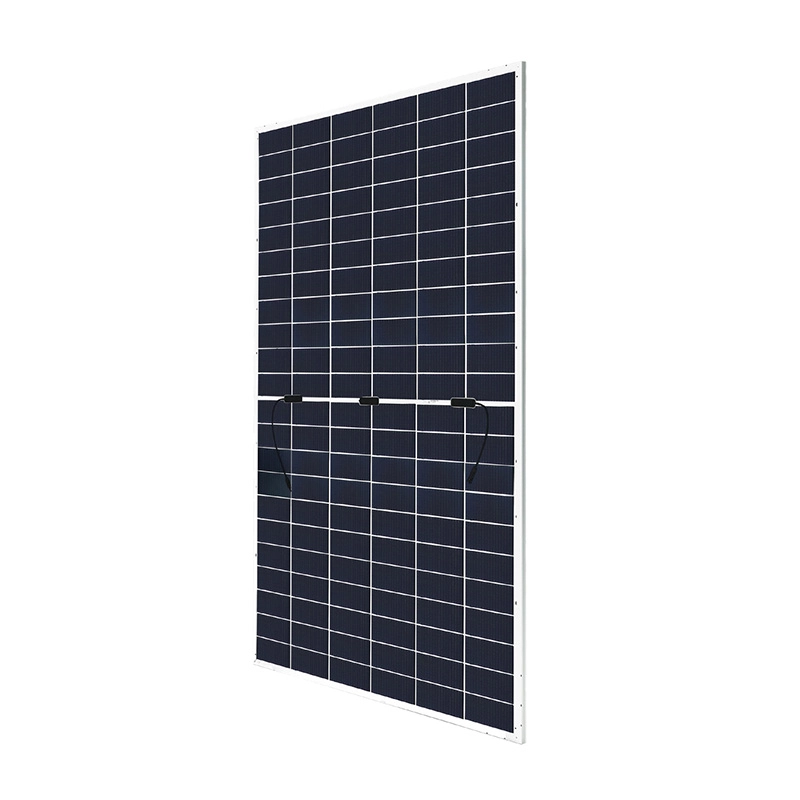
The Bifacial Solar Panel 630W 210R Cell takes in sun from the front and the back. It uses light that bounces off the ground. You get a solid jump in power compared to old one-sided types. This setup works great in fields where ground bounce adds extra gain, and it keeps things steady no matter the site.
Enhanced Power Output Ratings
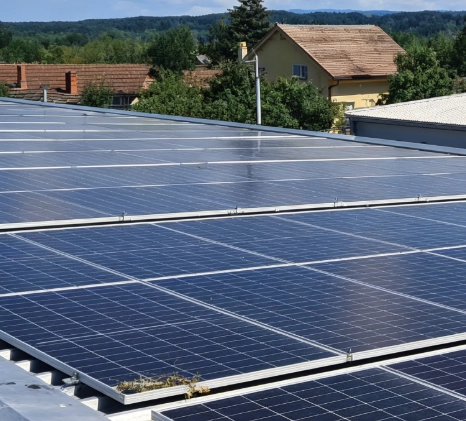
For major builds, the Bifacial Solar Panel 740W raises the mark. More watts let you use less panels to meet goals. It shrinks the area you have to watch and wash. This cuts costs in the long run, and it makes checks easier in spots that are hard to reach.
Superior N-Type Cell Technology
N-type TopCon tech cuts wear and boosts work in hot spots. These cells give good power temp factors. So your energy stays level even in full sun. This holds up in warm areas, and it helps hit power aims without surprises.
Essential Non-Abrasive Cleaning Tools for Glass
Solar module glass is hardened and tough. But it has special coatings to cut reflections. Bad tools can peel those off or make scratches that hold dirt later.
Soft Bristle Solar Brushes
Pick brushes made just for solar jobs. The fibers push off dry mud well. But they slide easy over glass with no marks. They fit into daily care plans, and they guard the reflection-cut layer for better sun grab over years.
Microfiber Cleaning Mop Heads
Microfiber shines in solar upkeep. It pulls dirt off the face instead of rubbing it around. This beats old cloths or home sponges by far. It cuts wear risks, and it speeds up work while keeping sight clear.
Professional Squeegee Blade Rubber
You need a good squeegee to stop water dots. Keep the rubber edge soft and swap it now and then. Hard rubber makes drag lines that block light. Checks on it keep drying even, and it aids full clean without extra work.
Purified Water Solutions for Zero Residue
Folks often think a yard hose does the trick for washing. But plain tap water has stuff like calcium and magnesium. They make white “hard water” spots when panels dry in sun.
Deionized Water Cleaning Systems
Deionized water drops all mineral bits. Rinse with it, and it dries clean. No film forms to stop N-type cells from getting light. It stands out in hard water zones, and it keeps output high by blocking buildup that hurts numbers.
Reverse Osmosis Filtration Units
Reverse osmosis (RO) cleans water right there. It runs water through a thin filter to drop junk. This tops the list for big solar farm care. It gives steady clean levels, and it slots into auto setups for site work.
Mineral Free Rinse Methods
End with a pure water wash to skip hand wipes. It cuts touch on the glass. This drops risks of bump harm or push damage. It saves time in big groups, and it follows safety rules that cut hands-on work.
Safe Chemical Agents for Stubborn Debris
Water may not shift tree gum or factory oil grime. Then, watch the pH of wash stuff close.
Biodegradable Solar Panel Soaps
Use soaps that break down green and skip rough phosphates. They handle plant junk without hitting metal frames or glass joins. This picks earth-friendly ways, and it keeps build parts solid in all weather.
Isopropyl Alcohol Spot Treatments
For tough oil marks, put thinned isopropyl alcohol on a soft rag. It dries quick with no oily trace to draw dust. This pins down fixes, and it holds panel face strong without wide chem touch.
Neutral PH Liquid Concentrates
Skip cleaners that run acid or base heavy, like bleach or ammonia. They eat the coated metal frame or hurt two-glass sides. Neutral picks keep stuff healthy, and they match rules for safe use.
Automated Equipment for Large Scale Arrays
In big power plants, hand wash runs slow and spotty. Machines keep top output over tons of panels with little people slip.
Waterless Cleaning Robot Brushes
In dry lands low on water, robot brushes spin fast with soft threads to brush off sand and dust. It cleans modules sans cold water heat jolt. They do well in sand spots, and they let cleans happen often to hold energy levels without water pull.
Integrated Sprinkler System Nozzles
Some big sites have set nozzles that go off in cool night. This blocks “thermal stress” from cold water on hot glass. It guards against breaks in day cycles. It grows panel life, and it ties into smart watch for good run.
Remote Controlled Cleaning Platforms
Smart platforms roll over groups with even push that folks can’t hold steady. This evenness stops local glass wear. It lifts trust in huge fields, and it cuts worker load while covering all.
Strategic Partnership with WonVolt for Solar Success
Picking good parts starts things. Keeping them needs a sidekick who gets Utility Scale tech twists. Pro tips keep your setup at max power for long stretches.
Industrial and Commercial Solutions
For plant roofs or shop blocks, you want custom build work. The crew does on-site field investigations. They bake in wash and care paths from kickoff. This plans ahead for easy tasks, and it fits site shapes for safe reach.
Global Project Engineering Expertise
Gear in over 90 lands builds deep know on weather types. From damp shores to dust wastes, fixes fit the spot. This custom way tackles home issues, and it makes setups work under local press for years.
Direct Professional Contact Channels
No guess on care or tech bits. Hit the contact channels for straight talk with after-sale engineers. They run skill lessons and start tests. This smooths launch, and it gives steady aid to fix snags fast.
FAQ
Q1: Can I clean my solar panels with a pressure washer?
A: You should avoid high-pressure washers as they can force water into the junction box or cause micro-cracks in the glass. Stick to low-pressure water and soft brushes. This way holds seals firm and face smooth, skipping harm that bites output long-term.
Q2: How often do I need to clean my bifacial modules?
A: It depends on your location, but typically a thorough cleaning every six months is recommended. In high-dust or high-pollution areas, you might need to do it quarterly to maintain maximum yield. Set times track dirt build, and they match watch data to boost output.
Q3: Is it safe to clean panels while the sun is out?
A: It is best to clean them in the early morning or late evening. Cold water hitting hot glass can cause thermal shock, potentially leading to cracks in the module. Set times this way shield hardened glass, and it stops strain that hits the whole group’s trust.
Q4: Do dirty panels really affect my energy bill that much?
A: Yes, heavy dust and grime can reduce energy efficiency by 10% to 20%. Regular cleaning ensures your MPPT technology can track the maximum power point effectively. This care shapes investment payback, and it backs the setup’s spot in grid hold or own-use plans.
Q5: Should I use household glass cleaner on my solar panels?
A: No, most household cleaners leave a residue or contain chemicals that can damage the anti-reflective coating. Use only water or specialized solar-safe soaps. Go for cleared goods to hold light traits, and skip chem hits that nix bonds or cut life.