



A battery energy storage system is not fully ready when the container arrives at the site or when the batteries complete installation. Before project handover, every protection function, communication channel, thermal control system, and emergency response process must be verified. Missing one safety check can lead to unexpected shutdowns, reduced battery performance, higher maintenance costs, or risks during long-term operation.
For BESS projects, safety is not only about preventing thermal events. It also includes battery consistency, temperature management, electrical protection, system communication, installation quality, and operation control. Lithium batteries rely on the movement of lithium ions between positive and negative electrodes during charging and discharging, which requires accurate control of voltage, current, and temperature to maintain stable performance.
WonVolt provides integrated clean energy solutions covering industrial and commercial energy storage, utility-scale BESS, solar modules, lithium batteries, and related power equipment. Founded in 2016, WonVolt operates two factories in Hefei, China, with 1.2GW solar panel capacity and 2.5GWh lithium battery capacity. The company provides one-stop energy solutions with products serving more than 90 countries and regions.
Why Should You Complete BESS Safety Checks Before Handover?
A professional handover process confirms that the installed system matches the original design requirements. It also gives EPC companies, investors, and operators clear evidence that the equipment can run safely after commissioning.
Check Battery Consistency and Performance Data
A BESS contains many battery cells connected in series and parallel. The overall battery pack performance depends on the weakest cells, which makes cell consistency extremely important. Differences in manufacturing quality, materials, and processing can affect battery life and reliability.
Before handover, you should review:
- Cell voltage balance
- Battery pack capacity test results
- Charge and discharge records
- State of charge accuracy
- Cycle performance data
A system with inconsistent battery cells may still operate during initial testing but experience faster capacity loss after months of operation.
Verify Battery Management System Functions
The battery management system controls important safety parameters, including voltage, current, temperature, and protection limits.
You should confirm whether the BMS can:
- Detect abnormal cell voltage
- Trigger over-temperature protection
- Record fault history
- Communicate correctly with the EMS and PCS
- Control charging and discharging limits
A reliable BMS prevents operation outside safe conditions and helps extend battery service life.
What Are the 7 Critical BESS Safety Checks Before Project Handover?
Each BESS project has different operating conditions, but these seven checks cover the most important areas that influence long-term reliability.
1. Battery Thermal Management Verification
Temperature directly affects battery performance and safety. Lithium batteries may experience performance degradation and potential safety issues when operating outside the recommended temperature range. Proper cooling and heat dissipation are essential for maintaining stable operation.
During commissioning, check:
- Temperature sensor accuracy
- Cooling system response
- Temperature difference between battery modules
- Cooling alarm functions
- Ventilation conditions
For large-scale systems, thermal management becomes more important because thousands of cells operate together inside one energy storage unit.
2. Electrical Protection Testing
Electrical protection prevents damage caused by abnormal current, voltage, or external faults.
Before handover, verify:
- Overvoltage protection
- Overcurrent protection
- Short-circuit protection
- Ground fault protection
- Emergency shutdown functions
The protection settings should match the battery, PCS, transformer, and grid connection requirements.
3. Fire Safety and Emergency Response Check
Fire prevention is a key concern for every BESS buyer. Safety design should include early detection, alarm systems, emergency procedures, and proper maintenance access.
Review:
- Smoke or gas detection functions
- Fire suppression system status
- Emergency stop operation
- Alarm communication
- Operator training records
A complete safety strategy combines equipment protection with correct operating procedures.
4. PCS and Battery Communication Test
The PCS controls energy conversion between the battery and the AC system. During charging, it converts AC power into DC power for storage. During discharge, it converts DC power back into AC power for loads or grid support.
Communication failures between BMS, PCS, and EMS may cause incorrect commands or unnecessary shutdowns.
Before handover, test:
- Communication stability
- Data accuracy
- Fault signal transmission
- Remote monitoring functions
- Charge and discharge commands
For projects requiring flexible expansion, WonVolt offers the 100KW-1000KW Battery Inverter Bidirectional PCS100-1000, which supports multiple units operating in parallel. The system provides bidirectional energy conversion, CAN and RS485 communication, and configurations from 100kW to 1000kW for different project requirements.
5. Container and Installation Quality Inspection
The physical installation directly affects future maintenance and safety.
You should check:
- Cable connections
- Grounding system
- Waterproof protection
- Container sealing
- Equipment fixing
- Maintenance space
A well-designed BESS solution should consider transportation, installation, commissioning, and future servicing.
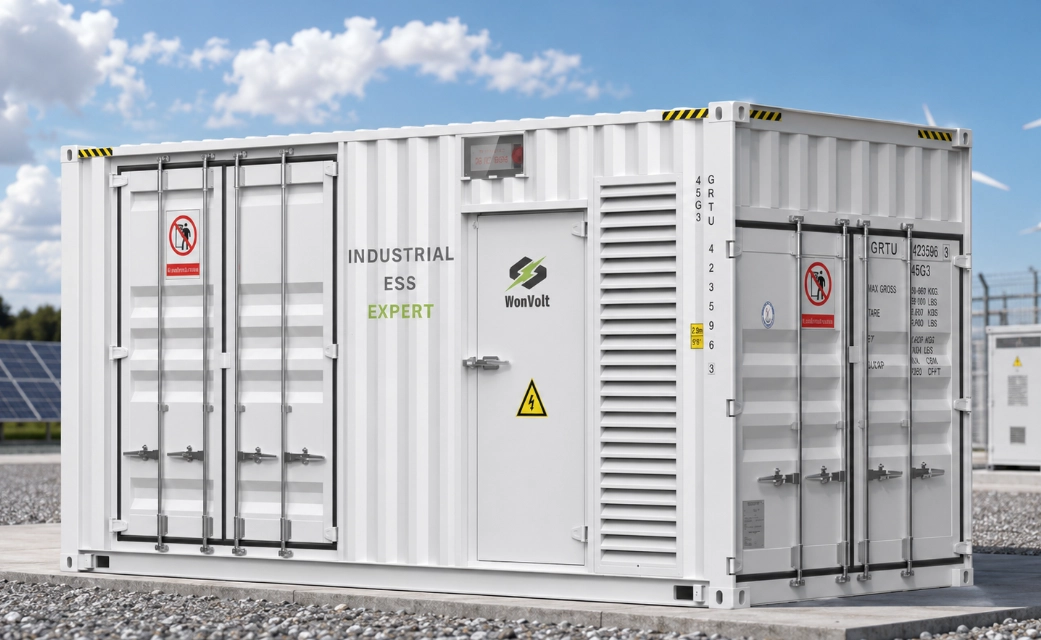
WonVolt’s utility-scale BESS solution integrates battery systems, power conversion equipment, thermal management, safety protection, and monitoring systems into a complete energy storage architecture. It is designed for larger renewable energy and grid-support applications.
6. EMS Monitoring and Data Recording Test
A modern BESS depends on accurate monitoring. Operators need clear information about battery status, power output, alarms, and system performance.
Confirm that the EMS can display:
- Battery state of charge
- Power input and output
- Historical operation data
- Alarm records
- System efficiency
Reliable data helps operators identify problems before they become major failures.
7. Final Performance and Handover Documentation
The final step is confirming that the project meets technical requirements.
Your handover documents should include:
- Commissioning reports
- Safety test results
- Equipment manuals
- Maintenance schedules
- Training records
- Warranty information
WonVolt provides engineering support before and after installation, including field investigation, commissioning tests, and technical training when required.
How Can You Choose a Safer BESS Solution for Long-Term Operation?
Safety starts before installation. Selecting suitable equipment based on project conditions can reduce future risks.
Match Battery Capacity with Project Requirements
A larger battery does not always mean a better solution. The battery capacity should match energy demand, discharge duration, and operating strategy.
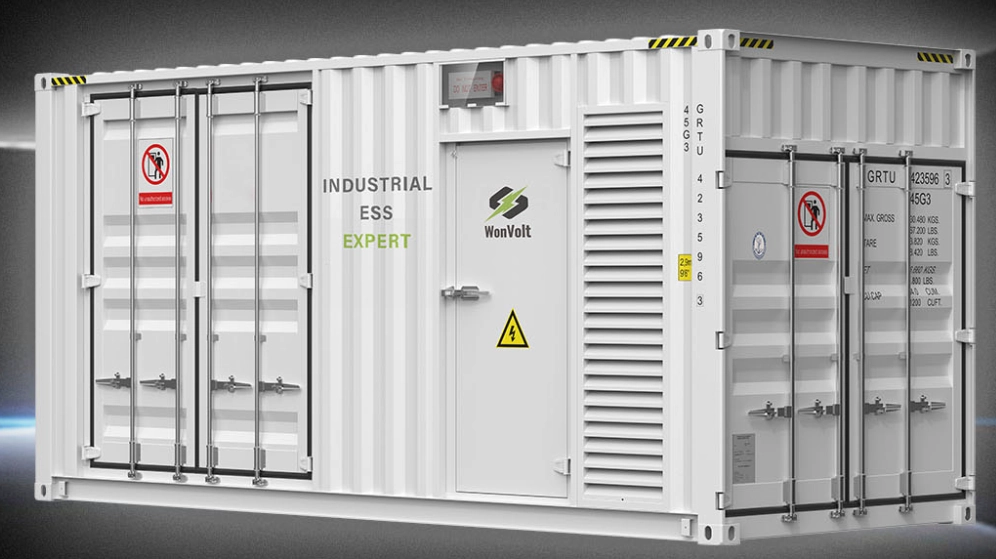
For example, WonVolt’s PoseidonVolt 2.0 BESS Container up to 5MWh is designed for utility-scale applications where higher energy capacity and integrated system design are required.
Consider Environment and Maintenance Conditions
Before selecting a BESS, evaluate:
- Local temperature range
- Installation location
- Humidity and dust conditions
- Maintenance access
- Expansion requirements
The best system is not only safe on the first day but also easy to operate after years of service.
Work with an Integrated Solution Provider
A complete BESS includes batteries, PCS, EMS, thermal management, safety systems, and technical support. Choosing components separately may create compatibility problems during operation.
WonVolt provides industrial and commercial energy storage solutions that combine system design, equipment selection, installation support, and after-sales service for different application requirements.
FAQ
Q1: What Is the Most Important Safety Check Before BESS Handover?
A: Battery protection and thermal management checks are among the most important because temperature, voltage, and current directly affect battery safety and service life.
Q2: Why Does Battery Cell Consistency Matter in a BESS?
A: A BESS contains many connected cells, and weaker cells can affect the performance and lifespan of the entire battery pack.
Q3: How Does a PCS Affect BESS Safety?
A: The PCS controls energy conversion between the battery and AC system. Proper communication and protection settings help prevent abnormal operation.
Q4: Should BESS Safety Testing Be Completed Before Grid Connection?
A: Yes. Testing protection functions, communication systems, thermal controls, and emergency responses before grid connection reduces operational risks.
Q5: What Documents Should Be Prepared During BESS Handover?
A: A complete handover package should include commissioning records, test reports, operation manuals, maintenance plans, and training documents.