



Home battery backup keeps essential loads running by supplying a dedicated backup circuit when the grid fails. The battery should be sized from usable energy and average load, while the inverter must be sized for simultaneous power and appliance starting surges. Separating essentials from heavy loads is the most effective way to extend runtime.
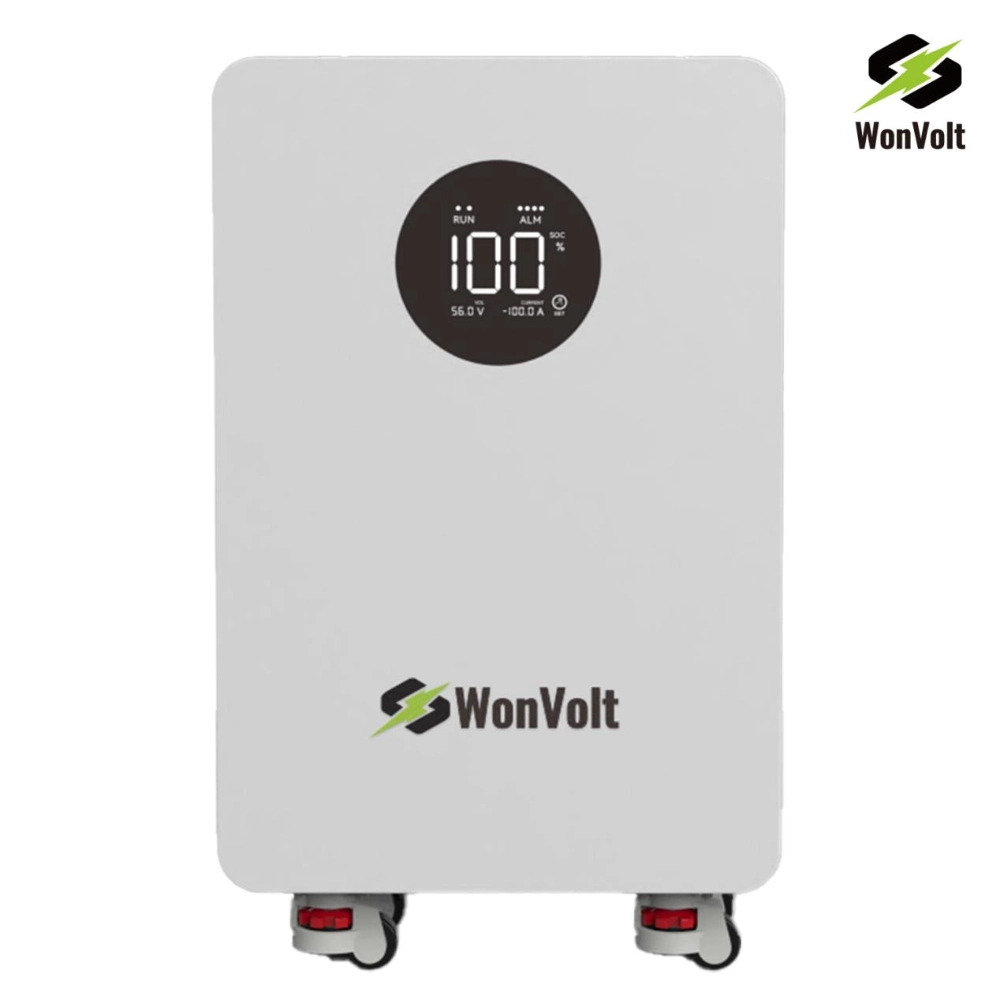
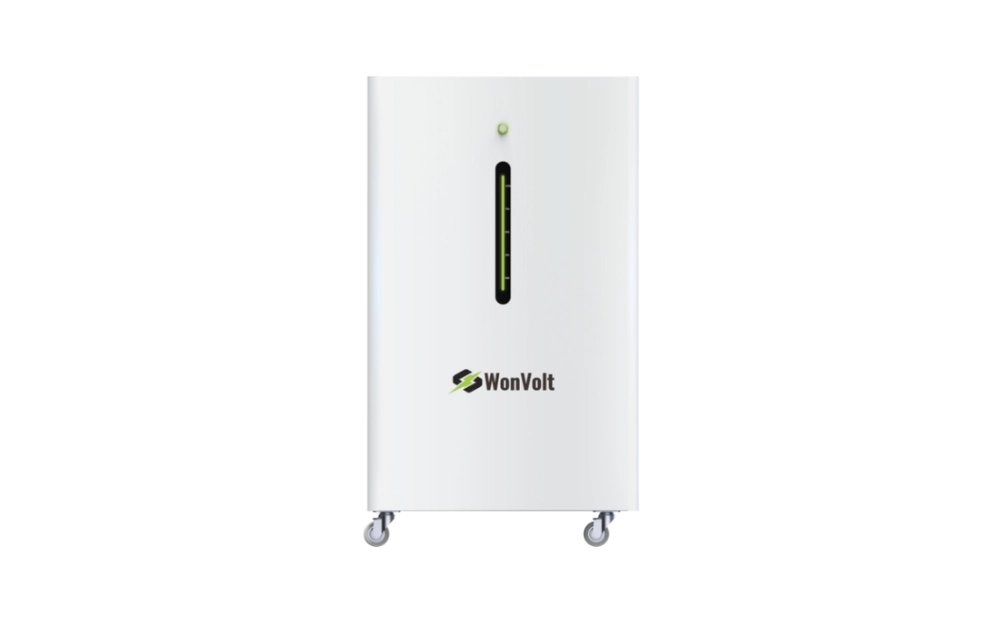
The 16.07kWh Lithium Battery 51.2V 314Ah Low Voltage 48V Battery is part of WonVolt residential storage equipment. Its low-voltage format is intended for compatible home inverter systems used for solar self-consumption and outage support.
Which Loads Should Stay On During an Outage?
An essential-load list should reflect the household’s real priorities. Refrigeration, lighting, internet, security, fans, a small pump, and medical or work equipment often come first. Electric ovens, water heaters, EV chargers, and several large air conditioners can consume the same energy in a short period that essential loads would use over many hours.
| Average Backup Load | Approximate Runtime From 14.5kWh Usable Energy* | Typical Use |
| 0.5kW | About 29 hours | Basic lights, router, refrigerator, fans |
| 1.0kW | About 14.5 hours | Essential household circuit |
| 2.0kW | About 7.2 hours | Essentials plus selected comfort loads |
| 4.0kW | About 3.6 hours | Several high-power appliances |
*This is a simple energy calculation before additional inverter loss, reserve, temperature, and load cycling are applied. It is useful for planning, not a guaranteed runtime.
Why Are kWh and kW Both Important?
Battery capacity in kWh describes how much energy can be stored. Inverter and battery output in kW describe how much power can be delivered at one moment. A household may have enough energy for the night but still trip the system when a pump and air conditioner start together.
Review each appliance’s rated input and, where available, startup current. Variable-speed appliances often have lower surges than conventional motors, but actual behavior should be verified. The backup distribution board should prevent non-priority loads from reconnecting automatically after an outage.
How Can Solar Extend Backup Capability?
Charge During Real Surplus Hours
Solar recharge occurs only after daytime household loads are supplied. Use inverter monitoring or a daytime load estimate to determine how much energy remains for the battery. A large PV nameplate does not guarantee full recharge when the home runs air conditioning, pumps, or business equipment during the day.
Keep an Outage Reserve
Households focused on solar self-consumption may discharge the battery heavily every evening. In weak-grid areas, the control strategy can retain a minimum state of charge for unexpected outages. The reserve reduces bill savings slightly but improves resilience.
Plan for Cloudy Sequences
One clear day can recharge a deeply used battery; several cloudy days may not. For long outages, the backup plan should include load reduction and, where appropriate, another generation source. Battery capacity alone cannot guarantee multi-day autonomy without enough incoming energy.
What Does the 16.07kWh Low-Voltage Battery Need From the Inverter?
The inverter must support the battery voltage range, charge and discharge current, and BMS communication. Confirm the exact CAN or RS485 protocol, cable pinout, firmware requirements, and maximum parallel battery quantity. A general claim of 48V compatibility is not enough for commissioning.
The AC side also matters. Check local voltage and frequency, backup transfer method, neutral and grounding arrangement, and whether the inverter can start the planned loads in backup mode. The installer should provide a single-line diagram showing isolation, overcurrent protection, surge protection, and the separation of backed-up circuits.
Where Should the Battery Be Installed?
- Use a dry, ventilated indoor location within the permitted temperature range.
- Keep the battery away from direct sunlight, flooding, salt spray, and ignition sources.
- Provide clear access to isolation devices, terminals, and communication ports.
- Protect cables from impact and keep bends within the manufacturer’s requirements.
- Label shutdown steps and emergency contacts near the system.
- Allow space for future service or expansion without blocking household access.
Which Mistakes Create Unrealistic Backup Expectations?
The first mistake is using monthly electricity consumption to estimate outage runtime. Monthly kWh does not show the power used at one moment or which appliances are active during the outage. The second mistake is treating the full nameplate capacity as continuously usable.
A third mistake is leaving every circuit on the backup panel. When the grid fails, water heating, cooking, or air conditioning can discharge the battery before the outage is over. Priority circuits and simple household operating rules preserve energy for the loads that matter.
How Should a Household Prepare for System Selection?
Record appliance wattage, desired operating hours, rooftop PV size, inverter model, and available installation space. Note any pumps, refrigeration, medical equipment, or home-office loads that cannot stop. This creates a clear basis for calculating usable energy and peak power.
With the load plan prepared, the household can compare it directly with the WonVolt home solution. The supplier and installer should then confirm compatibility, protection, cable sizing, and commissioning responsibilities for the final destination market.
Conclusion
Home battery backup works best when it is designed around a small, deliberate group of essential circuits. A 16.07kWh battery can provide substantial runtime at modest average loads, but heavy appliances change the result quickly.
Usable energy, inverter power, solar recharge, installation safety, and load discipline should all be agreed before purchase. That turns outage backup into a predictable operating plan rather than a vague promise.
FAQ
Q1: How Long Can a 16kWh Battery Run a Refrigerator and Lights?
A: Runtime depends on the combined average load and battery reserve. A refrigerator, lights, router, and fans may remain below 1kW average, which can support many hours, but the exact result should be calculated from measured appliance use.
Q2: Can the Battery Power the Whole House?
A: It can power only the loads that remain within the inverter and battery power limits. Whole-house backup with large heaters, ovens, pumps, or air conditioners may require more inverter power and battery capacity.
Q3: Does a Low-Voltage Battery Work With Any 48V Inverter?
A: No. Voltage range, current limits, BMS protocol, firmware, and cable pinout must match the exact inverter model.
Q4: Should the Battery Be Fully Discharged Every Night?
A: Not necessarily. Keeping a reserve can improve outage readiness and reduce deep cycling. The best setting depends on grid reliability and the household’s energy-cost objective.
Q5: What Is the Most Important First Step?
A: Create an essential-load list with wattage and required hours. This determines both the usable energy target and the peak power requirement.