



For application in factories, warehouses, commercial properties, and industrial parks, energy storage represents much more than a simple backup power supply. You might save money on your electricity bills. You can maintain steady power quality. You can safely operate your batteries and maximize the self-consumption of solar energy. Furthermore, you will need a reliable system to handle peak demand. A C&I ESS serves these purposes well. However, this happens only if all key control layers function smoothly as one unified system. The battery stores the energy. Yet, the safe and valuable operation of the C&I ESS depends heavily on the continuous interaction of the BMS, PCS, and EMS. These components manage charge and discharge cycles, system alarms, and daily operating strategies. Therefore, selecting an Industrial & Commercial Solution must begin with the control architecture rather than just the battery capacity.
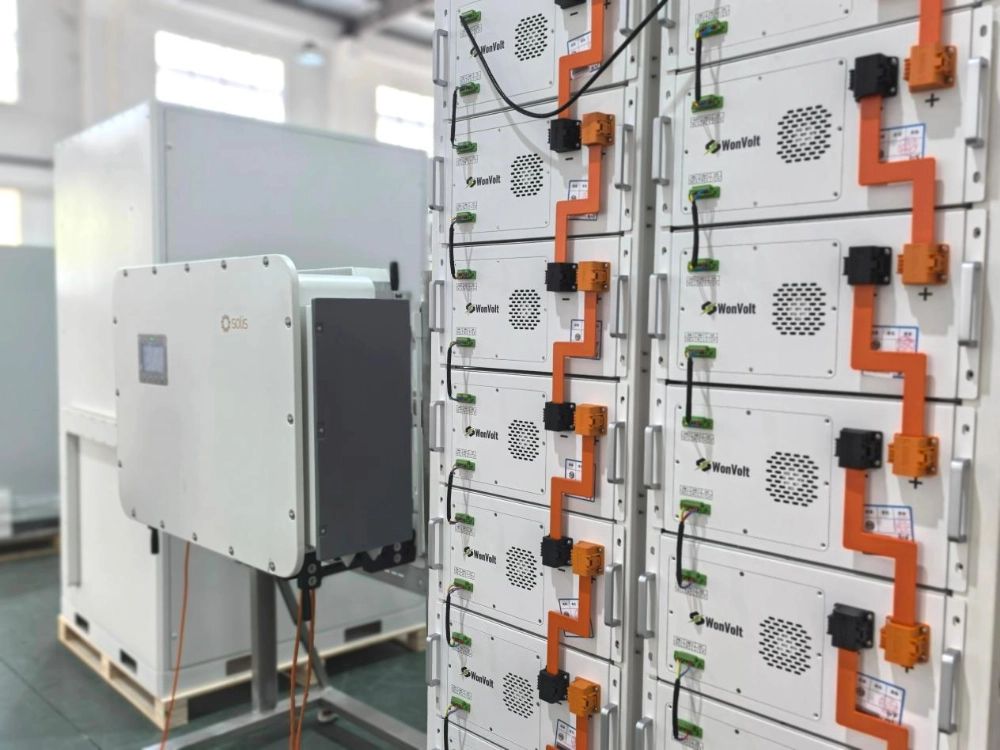
Why Does a Safer C&I ESS Need Three Control Layers?
A commercial and industrial energy storage system normally integrates battery packs, BMS, PCS, EMS, temperature control, fire protection, communication lines, and electrical protection devices. Each part performs a specific job. If one layer operates alone, the system might still run. However, it will fail to make the optimal decision under shifting loads, varying electricity prices, or changing grid conditions. The safer approach is a fully coordinated design. In this setup, the battery layer, the power conversion layer, and the scheduling layer share crucial data in real time.
BMS Watches the Battery Before Small Issues Become Faults
The BMS acts as the primary safety gate inside the energy storage system. It monitors vital battery data, including voltage, current, temperature, state of charge, and system alarms. For lithium battery packs, this monitoring is critical. A pack consists of many individual cells connected in series and parallel. If cell consistency remains poor, the weakest cell will eventually restrict the overall performance and service life of the entire pack.
An intelligent BMS helps to avoid overcharge, overdischarge, overcurrent, undervoltage, short circuit risks, and unusual temperature increases. In a LiFePO4 battery cabinet, this active protection proves highly important during frequent daily cycling. You do not merely want the system to store energy. You want it to cycle securely for many years while delivering stable output.
PCS Moves Power Safely Between DC and AC
The PCS, or power conversion system, serves as the essential bridge between the battery and your AC loads or grid connection. During the charging phase, it converts incoming AC power into DC power for storage. During the discharging phase, it converts stored DC power back into AC power for connected equipment, building loads, or grid interaction.
A high-quality PCS performs far more than basic conversion. It enables bidirectional power flow, precise charge and discharge control, BMS and EMS linkage, cluster-level management, and peak shifting. For industrial settings, this capability directly impacts power quality, response speed, and overall system efficiency. In numerous C&I applications, the PCS also facilitates seamless on-grid and off-grid switching. It maintains three-phase balance control and ensures stable output during sudden load changes.
EMS Turns Data into Safer Operating Decisions
The EMS functions as the scheduling brain of the C&I ESS. It does not generate or store electricity on its own. Instead, it gathers detailed data from the BMS, PCS, meters, fire protection devices, cooling systems, loads, and sometimes solar PV arrays. Afterward, it determines exactly when to charge, when to discharge, and exactly how much power should transfer.
This point is where safety and financial profit intersect. The EMS tracks load curves and utilizes time-of-use electricity pricing. It manages peak demand, supports demand response programs, and adjusts power curves according to specific site limits. For projects requiring a highly practical energy strategy, the Industrial & Commercial Solution must be evaluated based on how effectively its EMS supports your routine daily operations.
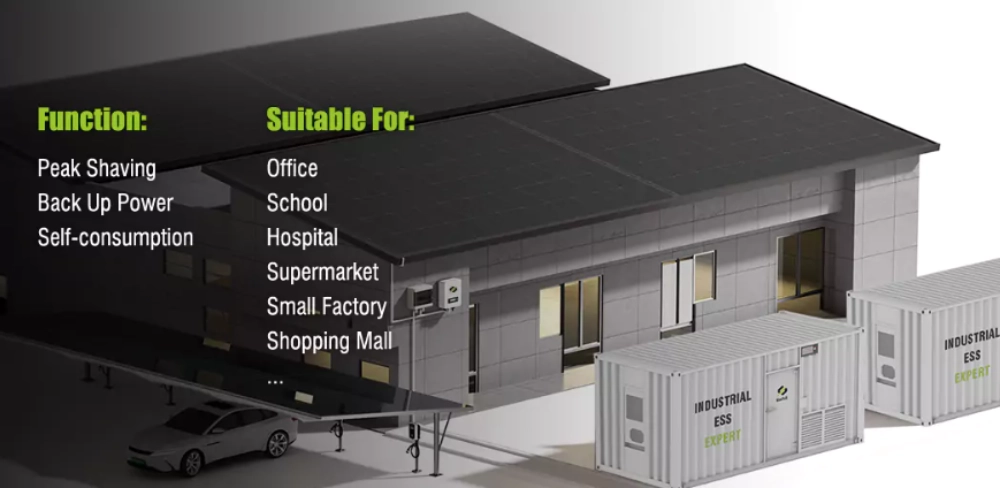
How Do BMS, PCS, and EMS Work Together During Real Operation?
On paper, the BMS, PCS, and EMS appear as entirely separate components. On site, they must function together like a single continuous decision chain. The BMS actively protects the battery. The PCS accurately executes power conversion. The EMS carefully sets the overall operating strategy. When these three layers communicate flawlessly, your system responds much faster. It successfully avoids unsafe commands and keeps your energy usage closely aligned with your financial targets.
During Charging
When electricity prices remain low or solar output becomes available, the EMS might decide to charge the battery. Before this action occurs, the BMS verifies whether the battery can receive the charge safely. It examines the current temperature, voltage range, state of charge, and existing fault status. If the battery condition proves normal, the EMS transmits the charge command directly to the PCS.
The PCS then regulates the AC to DC conversion and carefully charges the battery within the permitted limits. If the temperature suddenly rises, the current becomes irregular, or the battery hits its safe boundary, the BMS immediately sends warning data. The EMS can then reduce the charging power or halt the charging process entirely. This reliable chain protects the battery pack and prevents unnecessary physical stress on the internal cells.
During Discharging
During high-price periods or sudden peak load events, the EMS might choose to discharge energy. The BMS verifies the available battery energy and confirms that discharging is completely safe. The PCS then converts the battery DC into usable AC power. Simultaneously, the EMS constantly monitors site demand, overall grid status, and specific power limits.
This process is highly useful for factories utilizing equipment that frequently starts and stops throughout the day. Instead of pulling all necessary power from the grid during an expensive peak, the ESS discharges at the perfect moment. This action significantly reduces peak demand while safely keeping the battery within a secure operating window.
During Peak Shaving and Backup
Peak shaving remains one of the primary reasons commercial and industrial users adopt energy storage. The EMS closely watches your facility load curve and schedules a discharge when demand climbs. The PCS quickly delivers the requested power. The BMS ensures that battery operation stays entirely safe.
For backup purposes, the system must react using very clear logic. When grid power turns unstable, the EMS reviews specific site priorities. The PCS accurately manages the power output. The BMS confirms that the battery status remains suitable for discharging. This tight coordination ensures critical loads receive steady power and greatly lowers the risk of blind, unsafe operation.
Which Safety Details Should You Check Before Buying?
Safety is never just a single feature printed on a product datasheet. It is the comprehensive result of battery chemistry, cell consistency, electrical design, cooling mechanisms, fire protection, communication protocols, and software logic. Before selecting a solution center for your upcoming project, you must verify how these critical details work together.
Battery Chemistry and Pack Consistency
LiFePO4 is extensively used in C&I ESS because it delivers strong safety, extended cycle life, and highly stable charge-discharge performance. Nevertheless, chemistry alone remains insufficient. Pack consistency directly impacts overall battery longevity. If a single cell performs worse than the others, it will likely reduce usable capacity and trigger protective shutdowns much earlier.
You must inquire about the expected cycle life, the recommended depth of discharge, the safe operating temperature, the available communication ports, and the built-in protection modes. For instance, numerous industrial battery systems utilize CAN or RS485 communication. This allows the BMS to exchange crucial data smoothly with the PCS and EMS. This setup makes system control much more transparent and reliable.
Cooling, Fire Protection, and Electrical Protection
Temperature exerts a direct impact on battery life and overall safety. Air cooling can suit certain indoor systems perfectly. Meanwhile, liquid cooling is frequently selected for higher-power outdoor cabinets or densely packed layouts. A liquid-cooled cabinet controls temperature differences much more precisely. This precision helps to minimize uneven battery aging over time.
Fire protection must also feature multiple layers. A safer cabinet design usually combines pack-level detection, cabinet-level fire suppression, physical partition isolation, and active continuous monitoring. Electrical protection must thoroughly cover overcurrent, overvoltage, undervoltage, and potential short circuit conditions. For outdoor applications, always check the IP protection rating, the physical cabinet design, and the allowed operating temperature range.
Communication and Remote Monitoring
A secure C&I ESS requires a highly reliable data flow. Ethernet, RS485, CAN, digital meters, sensors, local touch screens, web platforms, and cloud monitoring tools may all play significant roles. The EMS must gather data, process system alarms, store historical records, display real-time status, and enable remote control capabilities.
This connectivity matters greatly for daily operation. Your maintenance team can easily view voltage, current, power output, switch status, active alarms, and system events without ever opening the physical cabinet. Remote inspection also significantly reduces costly manual site visits and makes routine maintenance much easier for large, multi-site projects.
How Can You Match the System to Your Site?
A safer C&I ESS is never chosen based on battery capacity alone. You must carefully match the system voltage, power rating, cooling method, communication design, available installation space, load curve, solar capacity, and backup priority. The absolute best design always begins with accurate site data.
Factories and Industrial Parks
Factories typically care deeply about peak demand, continuous production uptime, and highly predictable energy costs. A high-voltage rack system or a dedicated cabinet ESS can effectively support solar self-consumption, backup power, and peak shaving. For medium and large industrial users, scalable capacity and a higher system voltage can significantly improve efficiency and lower wiring complexity.
You must prepare your detailed load curve, transformer capacity, electricity tariff structure, peak period times, and critical load list. These specific data points help engineers size the battery, PCS, and EMS strategy much more accurately.
Commercial Buildings and Solar Plus Storage Sites
Commercial buildings frequently have substantial daytime loads, extensive lighting, HVAC systems, elevators, refrigeration units, or EV charging equipment. If rooftop solar is present, the storage system can absorb excess PV power during the sunny day and discharge it during expensive peak-price periods. This strategy helps increase solar self-consumption and lowers overall grid pressure.
For this specific type of project, the Industrial & Commercial Solution must support very clear EMS scheduling. You need straightforward dashboards, detailed operating records, clear alarm data, and highly flexible charge-discharge settings. The system must remain easy for building managers to operate, not strictly for trained engineers.
Outdoor Sites and Harsh Conditions
Outdoor C&I ESS projects frequently face extreme heat, heavy dust, high humidity, rain, and severely limited maintenance access. In these demanding cases, cabinet protection, cooling design, fire safety, and communication reliability become drastically more important. An all in one outdoor cabinet can substantially reduce on-site integration work. The battery, PCS, cooling unit, fire protection, and controls arrive as a much more complete, unified system.
For outdoor projects, thoroughly verify the IP rating, acceptable temperature range, cooling type, fire protection layers, delivery format, and remote monitoring options. If your specific site requires a technical discussion prior to the final design, you can easily reach the engineering team through the Wonvolt.
FAQ
Q1: What Is the Main Difference Between BMS, PCS, and EMS?
A: The BMS strictly protects and monitors the battery cells. The PCS smoothly converts power between DC and AC formats. The EMS intelligently controls the entire operating strategy. This strategy includes charging, discharging, handling alarms, tracking loads, and optimizing financial costs.
Q2: Why Is LiFePO4 Commonly Used in C&I ESS?
A: LiFePO4 is extensively utilized because it delivers excellent safety, an extended cycle life, highly stable performance, and robust charge-discharge capability. For industrial and commercial users, this chemistry perfectly supports frequent daily cycling and ensures safer long-term operation.
Q3: Can a C&I ESS Reduce Electricity Costs?
A: Yes. A C&I ESS can efficiently charge during low-price periods and discharge during expensive peak periods. It can also actively support peak shaving, demand management, solar self-consumption, and reliable backup power, depending on your specific tariff and site load profile.
Q4: Why Does EMS Matter for Safety?
A: The EMS actively collects data from the BMS, PCS, meters, cooling system, fire protection tools, and site loads. It translates that complex data into secure control decisions. A robust EMS can successfully prevent unsafe charge-discharge commands, react swiftly to alarms, and optimize the whole system based on actual, real-time load conditions.
Q5: How Should You Start a C&I ESS Project?
A: Always start with your precise load curve, electricity price structure, existing transformer capacity, solar condition, backup power needs, available installation space, and strict safety requirements. Following that, select an Industrial & Commercial Solution that perfectly matches your actual site conditions instead of merely selecting capacity through guesswork.