



Solar photovoltaic technology is advancing at an unprecedented pace in 2026. For residential installers, EPC contractors, and commercial project developers, identifying solar modules that balance minimal capital expenditure (CapEx) with maximal conversion efficiency is vital for optimizing Levelized Cost of Energy (LCOE).
Modern advancements—specifically N-type TOPCon (Tunnel Oxide Passivated Contact), Heterojunction (HJT) cells, and 210R rectangular cell architectures—have redefined module performance standards. This comprehensive 2026 guide explores the balance between cost per watt and efficiency, key manufacturing innovations, and high-efficiency cost-effective module selections from WonVolt.
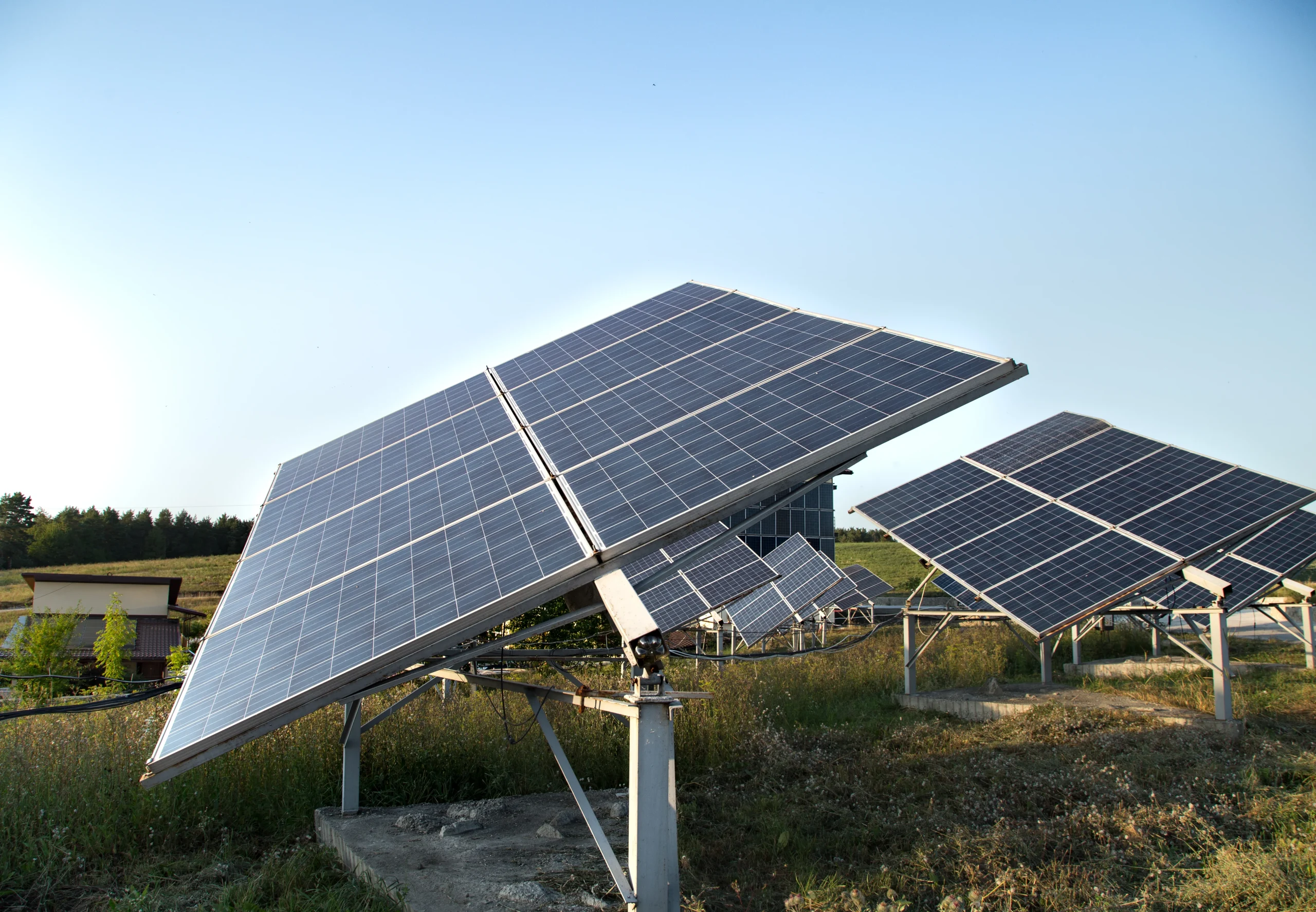
Key Technical Metrics for Evaluating Solar Panel Cost-Efficiency
- Conversion Efficiency & Real-World Yield
Module conversion efficiency defines the percentage of incident sunlight converted into usable electrical energy. High-efficiency modules (exceeding 22.5% to 23.5%) generate significantly higher wattage per square meter, drastically reducing balance-of-system (BOS) costs—including racking, cabling, and installation labor—especially on space-constrained rooftops.
- Balancing Capital Cost ($/W) and Performance
Selecting the ‘cheapest’ solar panel based solely on initial purchasing cost often results in long-term financial underperformance due to higher degradation rates and lower temperature coefficients. N-type TOPCon modules have largely superseded legacy P-type PERC panels as the most cost-effective solution, delivering up to 750W power outputs while maintaining optimal dollar-per-watt ratios.
- Long-Term Degradation & Warranty Structural Value
Module durability directly governs Return on Investment (ROI). Premium N-type TOPCon modules feature extremely low initial Light-Induced Degradation (LID) and an annual degradation rate of ~0.4%, backed by 12-to-15-year product warranties and 30-year linear power performance warranties.
Photovoltaic Innovations Driving High Efficiency in 2026
- N-type TOPCon & Bifacial Cell Dominance
N-type TOPCon technology has established itself as the mainstream photovoltaic benchmark in 2026. Featuring superior passivated contacts and higher bifaciality factors (up to 80-85%), TOPCon modules harvest additional rear-side irradiance from ground or roof albedo, boosting overall energy yield by 5% to 25% depending on installation surfaces.
- 210R Rectangular Cell & High-Density Packaging
The industry transition to 210R (rectangular silicon wafer) cell technology allows module manufacturers to optimize physical dimensions for container shipping and roof handling while achieving power outputs up to 660W. Combined with non-destructive cutting and multi-busbar (MBB) designs, internal electrical resistance is minimized.
- Smart Manufacturing & Automated QC Standards
Fully automated production lines utilizing AI visual inspection and electroluminescence (EL) testing ensure micro-crack-free cell integration. Automated manufacturing lowers unit production costs, passing significant cost savings directly to commercial buyers.
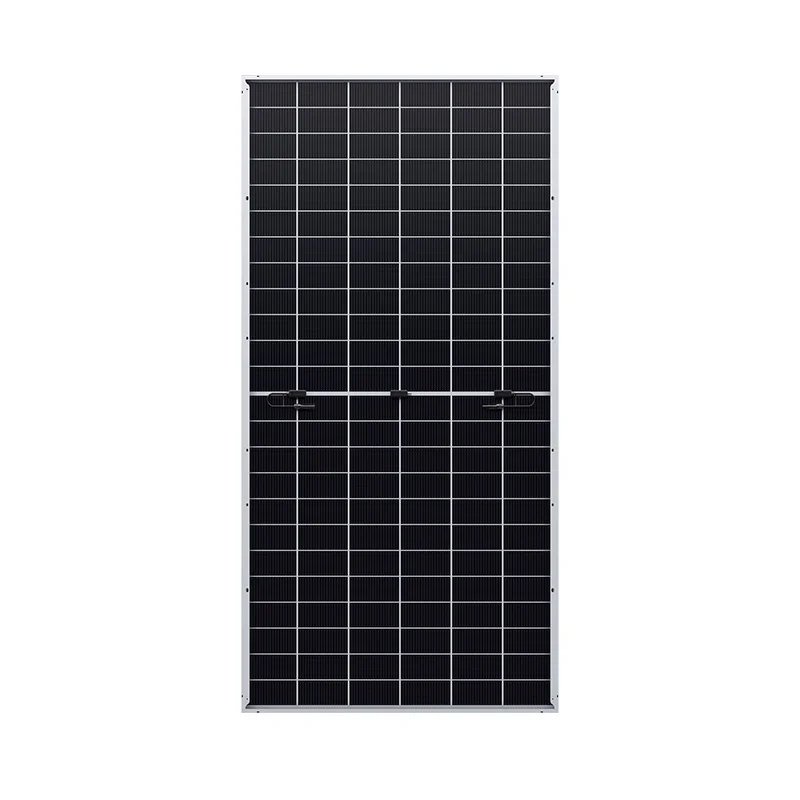
Spotlight on WonVolt High-Efficiency Cost-Effective Solar Modules
WonVolt is an established tier-1 clean energy hardware manufacturer with an annual module capacity of 1.2GW and 2.5GWh of lithium battery storage manufacturing. WonVolt delivers high-performing PERC, N-type TOPCon, and HJT photovoltaic panels engineered for extreme climate endurance across 90+ countries. For comprehensive engineering details, visit WonVolt Solar Solutions.
- Industrial & Utility Scale Flagship: WonVolt Bifacial 750W (WV-66KUN740-H12NS Series)
- Cell Type & Output: N-type TOPCon Bifacial Dual-Glass Module | Up to 750W Maximum Output
- Efficiency & Performance: Module conversion efficiency > 23.2% with exceptional bifacial gain.
- Application Focus: Optimized for large-scale commercial roofs and ground-mounted utility solar farms demanding maximum energy density per square meter.
Explore large-scale project integration via WonVolt Utility-Scale Solutions.WonVolt Industrial & Commercial Solutions.
- Commercial & High-Density Roof Choice: WonVolt 660W 210R Cell (WV-66KUN630-H12RS Series)
- Cell Type & Output: N-Type TOPCon 210R Rectangular Cell Architecture | Up to 660W Peak Power
- Efficiency & Performance: High packing density, low temperature coefficient (-0.30%/°C), and optimal shipping dimensioning.
- Application Focus: Ideal balance of high power and manageable physical footprint for commercial and industrial (C&I) rooftop arrays. Discover more at
- Residential Architectural Flagship: WonVolt 450W Full Black (WV-54JWU450-H8NS Series)
- Cell Type & Output: N-type TOPCon Monofacial Full-Black Aesthetics | 450W Output
- Efficiency & Performance: High low-light response, IEC 61215/61730 certified, 12-year product and 30-year linear performance warranty.
- Application Focus: Premium residential rooftop installations where structural aesthetics and compact high efficiency are required.
2026 Benchmark Comparison: WonVolt Photovoltaic Modules
| Module Series | Nominal Power | Cell Technology | Target Sector | Key Advantage |
| WV-66KUN740-H12NS Series | 750W | N-Type TOPCon Bifacial | Utility / Large C&I | Maximum power output & bifacial gain |
| WV-66KUN630-H12RS Series | 660W | N-Type TOPCon 210R | Commercial Rooftops | Optimal container logistics & high density |
| WV-54JWU450-H8NS Series | 450W | N-Type TOPCon Full Black | Residential Rooftops | Aesthetic integration & compact efficiency |
Best Practices for Installation & Maintenance to Maximize ROI
- Optimal Tilt, Orientation, and Inverter Slicing
To fully leverage high-efficiency modules, ensure site orientation matches local latitude angles and shading analyses are conducted. Pairing N-type TOPCon modules with high-efficiency hybrid or string inverters optimizes Maximum Power Point Tracking (MPPT) performance.
- Scheduled Cleaning and AI Predictive Monitoring
Dust and particulate accumulation can reduce power output by up to 15%. Routine cleaning combined with smart IoT monitoring platforms enables real-time fault detection and string-level diagnostics, preserving long-term module performance.
Conclusion & Future Industry Outlook
In 2026, achieving the lowest LCOE requires moving beyond low upfront price tags to invest in high-efficiency N-type TOPCon and 210R cell architectures. WonVolt’s advanced 450W to 750W photovoltaic module portfolio delivers unmatched reliability, superior low-light performance, and robust warranty backing across all commercial and residential application sectors.
For engineering specifications, bulk procurement inquiries, or technical datasheets, please Contact the WonVolt Solar Engineering Team.
Frequently Asked Questions (FAQ)
Q1: Why is N-type TOPCon technology superior to legacy P-type PERC in 2026?
A: N-type TOPCon offers higher cell conversion efficiency (>23%), lower temperature coefficients, near-zero Light-Induced Degradation (LID), and significantly better rear-side bifacial energy yield compared to PERC cells.
Q2: How do 210R rectangular cells improve cost-efficiency?
A: 210R rectangular cell designs optimize cell surface utilization within standard module dimensions, increasing total power output (e.g., up to 660W) while optimizing shipping container loading efficiency and reducing per-watt transport costs.
Q3: What warranties should buyers expect for high-efficiency solar panels?
A: Tier-1 modules typically feature a 12-to-15-year product workmanship warranty and a 30-year linear power performance warranty, guaranteeing at least 87.4% remaining output after 30 years of continuous operation.