



Melhor ainda do que outras soluções de armazenamento de energia, os projetos de armazenamento de energia em baterias raramente têm o mesmo tamanho do início ao fim de sua vida útil. Uma fábrica pode adicionar novas linhas de produção, um parque logístico pode precisar carregar mais veículos ou um sistema de energia solar com armazenamento pode precisar de mais potência de descarga apenas um ano após entrar em operação. Projetar um sistema de armazenamento de energia em paralelo (PCS) para crescer apenas em incrementos seria proibitivo em termos de custo. É por isso que usar unidades PCS em paralelo para armazenamento de energia em escala comercial, industrial e de serviços públicos é uma escolha muito prática. O sistema pode ser expandido de forma limpa e eficiente desde o investimento inicial até a expansão futura. A potência permanecerá estável, o carregamento e a descarga permanecerão flexíveis e a potência de reserva geral do sistema será aumentada.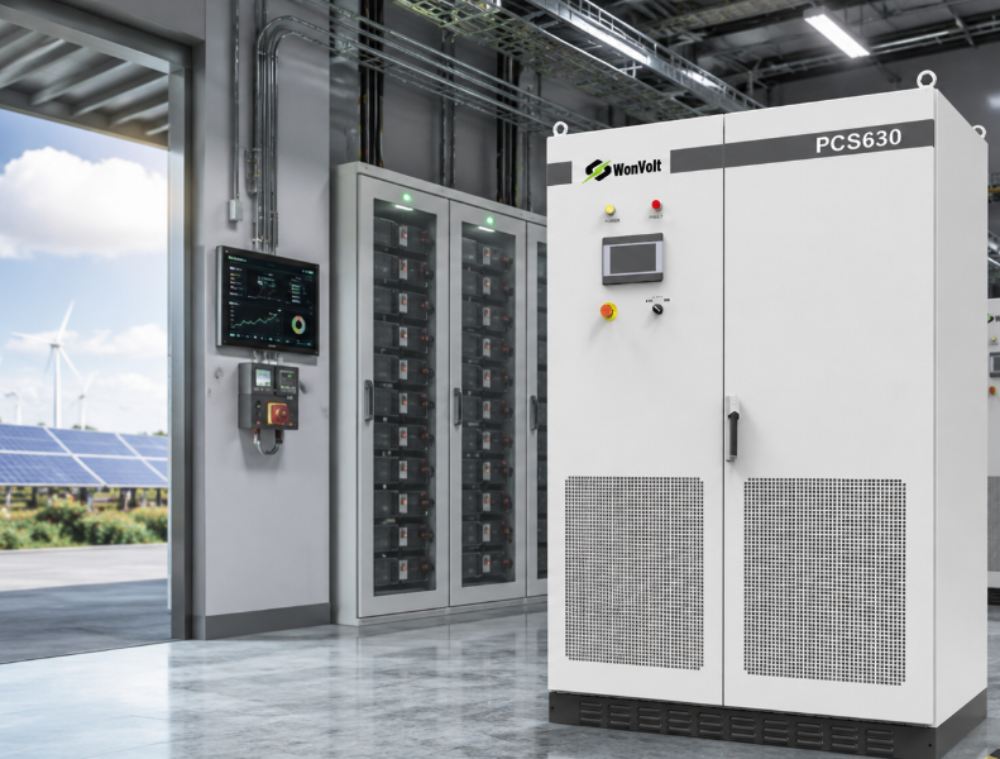
Qual a função de um PCS em um sistema de armazenamento de energia em baterias?
O PCS é fundamental em um sistema de armazenamento de energia. Nesse contexto, PCS significa Sistema de Condicionamento de Energia ou até mesmo inversor, mas é muito mais do que isso. É uma ponte de conversão de energia entre a bateria, a carga, o sistema fotovoltaico e a rede elétrica. Ele é capaz de transferir energia em ambas as direções. Assim, quando há excesso de energia disponível, a energia é usada para carregar as baterias e, quando o local precisa de energia, a energia é descarregada para atender a essa necessidade.
Conversão bidirecional CA e CC
Um PCS converte energia CA em energia CC ao carregar a bateria. Quando o local precisa de eletricidade, ele converte a energia CC da bateria de volta em energia CA para as cargas ou para a conexão à rede elétrica. Essa função bidirecional é essencial para redução de picos de demanda, energia de reserva, microrredes e projetos de energia solar com armazenamento.
Para clientes comerciais e industriais, a bateria pode armazenar energia solar de baixo custo durante o dia e devolvê-la à rede durante os horários de pico de demanda. Sistemas maiores também podem oferecer suporte a serviços de rede, incluindo suavização de energia, regulação de frequência e suporte de tensão.
Coordenação inteligente com gerenciamento de bateria e energia
Um sistema completo de armazenamento de energia geralmente inclui baterias, um BMS (Sistema de Gerenciamento de Bateria), um EMS (Sistema de Gerenciamento de Energia), um PCS (Sistema de Controle de Potência), controle de temperatura, proteção contra incêndio e monitoramento. O PCS deve funcionar perfeitamente com esses componentes. Se a bateria é o reservatório de energia, o PCS é o controlador que decide a velocidade com que a energia entra ou sai.
Por isso, escolher o PCS certo afeta não apenas a potência de saída, mas também a segurança do sistema, a velocidade de resposta, a eficiência operacional e o custo de energia a longo prazo.
Por que as unidades PCS paralelas são melhores para projetos escaláveis?
Uma única unidade PCS de grande porte pode parecer simples no papel, mas pode limitar a flexibilidade do seu projeto. Unidades PCS paralelas permitem dividir a capacidade total em vários blocos de energia. Isso facilita o dimensionamento, a expansão, a manutenção e a proteção do sistema.
Expansão flexível da capacidade
O design paralelo permite que você comece com a capacidade necessária agora e adicione mais unidades PCS conforme sua demanda aumentar. Por exemplo, Inversor de bateria bidirecional de 100 kW a 1000 kW PCS100-1000 Suporta modelos de 100 kW a 1000 kW e permite a conexão em paralelo de até 8 unidades para expandir a capacidade do sistema. Isso é útil quando você não quer investir demais inicialmente, mas ainda deseja um caminho claro para o crescimento futuro.
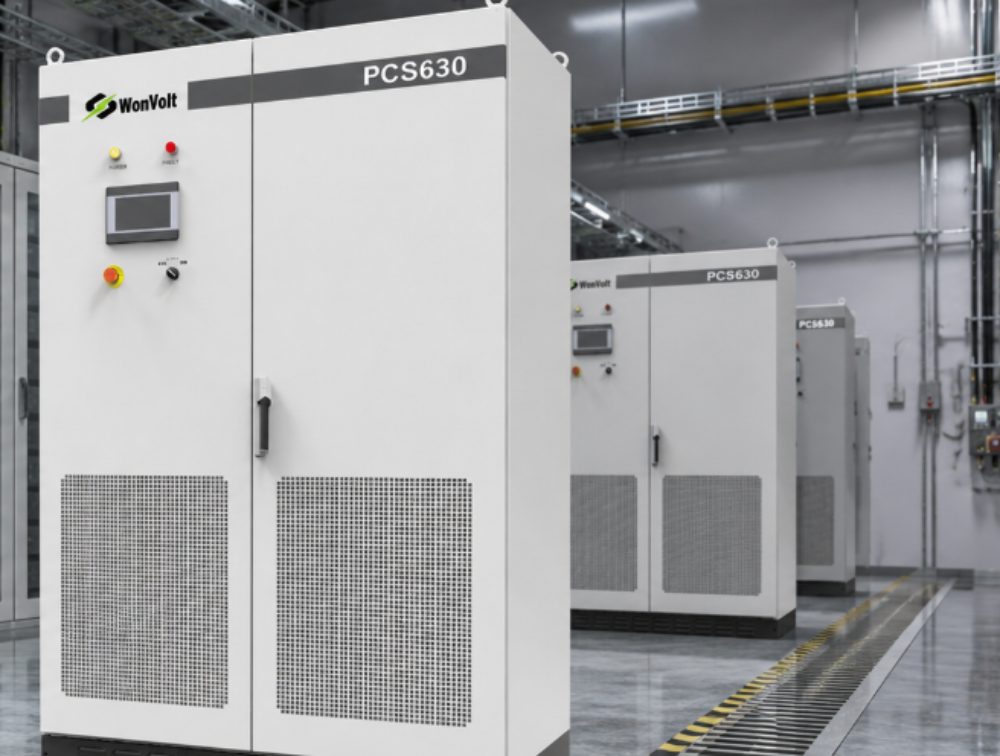
Para uma fábrica, isso pode significar começar com uma ou duas unidades PCS para reduzir os picos de demanda. Posteriormente, se a carga dos equipamentos aumentar ou a capacidade solar se expandir, mais unidades poderão ser adicionadas com menos trabalho de redesenho.
Melhor redundância e menor risco de tempo de inatividade
Em muitas instalações industriais, o tempo de inatividade é mais caro do que o custo do equipamento. Com um único PCS de grande porte, uma falha pode paralisar todo o sistema de conversão. Com unidades em paralelo, a falha de uma unidade nem sempre paralisa todo o sistema. Outras unidades podem continuar funcionando, dependendo do projeto do sistema e das configurações de proteção.
Essa redundância é especialmente valiosa para armazenamento refrigerado, mineração, processamento de matérias-primas, instalações agrícolas, dessalinização de água do mar e outros locais onde a instabilidade no fornecimento de energia pode interromper as operações ou prejudicar a qualidade da produção.
Planejamento de manutenção mais fácil
As unidades PCS paralelas também tornam a manutenção mais prática. Em vez de desligar todo o sistema de armazenamento de energia, os operadores podem realizar a manutenção de uma unidade enquanto o restante do sistema suporta parte da carga. Para os proprietários do projeto, isso pode reduzir a pressão operacional e tornar a manutenção programada menos disruptiva.
Como o design de PCS paralelo resolve as preocupações comuns dos compradores?
Ao avaliar um projeto de armazenamento de energia em baterias, os compradores geralmente têm preocupações diretas: ele suportará o crescimento futuro da demanda? Protegerá cargas críticas? Reduzirá o custo da eletricidade? Manterá a estabilidade em condições industriais reais? Um projeto PCS paralelo responde a essas perguntas com modularidade, redundância e distribuição de energia controlada.
Preocupação número um: A carga pode aumentar mais tarde
Muitos projetos comerciais e industriais começam com um objetivo específico e depois se expandem. Um armazém pode adicionar empilhadeiras elétricas. Uma fábrica pode adicionar motores de alta potência. Uma usina solar pode, posteriormente, adicionar mais capacidade de bateria. A arquitetura PCS paralela facilita esse crescimento, pois a capacidade é expandida por meio de unidades adicionais, em vez da substituição completa do sistema.
O Soluções Industriais e Comerciais A solução da WonVolt foi desenvolvida com base em necessidades reais de projetos, como redução de picos de demanda, energia de reserva e autoconsumo. Para instalações de médio e grande porte, o planejamento escalável de sistemas de energia para construção (PCS) ajuda a acompanhar o ritmo real de desenvolvimento do negócio.
Segunda preocupação: cargas indutivas podem causar instabilidade.
Instalações industriais frequentemente incluem bombas, compressores, ventiladores, motores e outras cargas indutivas. Essas cargas podem gerar desafios relacionados à corrente de partida e à qualidade da energia. O PCS100-1000 foi projetado para alta estabilidade do sistema, sem problemas de reinicialização causados por excesso de carga indutiva. Sua saída fora da rede elétrica suporta THDU ≤ 2% sob cargas lineares, enquanto o THDI conectado à rede elétrica é inferior a 3%, contribuindo para a manutenção de uma conversão de energia mais limpa.
Preocupação Três: Falha na rede elétrica pode interromper o fornecimento de energia essencial.
Para muitas instalações, a energia de reserva não é um diferencial, mas sim parte da gestão de riscos padrão. O PCS100-1000 garante o fornecimento ininterrupto de energia à carga com comutação suave em ≤10ms em caso de falha da rede elétrica. Essa transição rápida ajuda a proteger cargas críticas durante problemas repentinos na rede, especialmente em microrredes e sistemas híbridos.
Onde as unidades PCS paralelas se encaixam melhor?
As unidades PCS paralelas não são exclusivas de grandes usinas de energia. Elas também são úteis para projetos comerciais e industriais que exigem investimento em etapas e uma lógica de expansão clara. A escolha ideal depende do seu perfil de carga, estratégia de carga e descarga, capacidade da bateria e plano de crescimento futuro.
Energia Industrial e Commercial Storage
O armazenamento de energia comercial e industrial geralmente se concentra nas diferenças de preço entre pico e vale, no controle da demanda máxima, na energia de reserva e no autoconsumo de energia solar. Um projeto típico pode combinar sistemas fotovoltaicos, baterias, sistemas de controle de potência (PCS), monitoramento e sistemas de segurança. O PCS carrega a bateria durante períodos de baixa carga ou alta incidência solar e a descarrega durante os picos de demanda.
Para esses locais, unidades PCS paralelas fazem sentido porque a demanda de energia comercial pode mudar rapidamente. Um design modular evita que seu projeto fique limitado a uma capacidade fixa.
Microrredes e sistemas de backup fora da rede
Em projetos de microrredes, o PCS (Sistema de Conversão de Energia) deve fornecer energia estável quando a rede elétrica estiver fraca ou indisponível. A operação híbrida exige uma transição suave entre os modos conectado à rede e isolado. Unidades PCS em paralelo podem melhorar a resiliência do sistema, pois a conversão de energia é distribuída entre várias unidades.
Isso é importante para locais industriais remotos, ilhas, bases agrícolas, áreas de mineração e instalações com redes elétricas instáveis. Quando o armazenamento de energia funciona em conjunto com a energia solar, pode reduzir o tempo de funcionamento dos geradores a diesel e melhorar a independência energética local.
Sistemas de armazenamento de energia em escala de utilidade pública e usinas solares
Para projetos de armazenamento de maior porte, a operação PCS paralela é uma via comum para alcançar níveis de potência mais elevados. Solução de Escala de Utilidade Os contêineres BESS da WonVolt incluem baterias, inversores, ar-condicionado, sistemas de proteção de segurança e monitoramento integrados. Em usinas solares com armazenamento de energia de maior porte, o planejamento paralelo de sistemas de armazenamento de energia (PCS) ajuda o projeto a escalar da primeira fase para capacidades mais elevadas, mantendo o controle do sistema mais gerenciável.
Por que a compatibilidade do produto é mais importante do que apenas a potência nominal?
A potência nominal é apenas o primeiro filtro. Um PCS (Sistema de Controle de Potência) também deve ser compatível com a tensão da bateria, a corrente, os requisitos da rede elétrica, o tipo de carga, o ambiente, as necessidades de comunicação e a lógica de controle do projeto. Uma unidade de 1000 kW que não seja adequada ao projeto do seu sistema pode causar mais problemas do que uma unidade menor que se encaixe perfeitamente.
Eficiência e Qualidade de Energia
O PCS100-1000 atinge uma eficiência máxima de até 98,5% nos modelos de 500 kW e 1000 kW. Uma maior eficiência ajuda a reduzir as perdas de conversão durante os ciclos diários de carga e descarga. Ao longo do tempo, isso pode resultar em um melhor retorno sobre o investimento (ROI) do projeto, especialmente quando o sistema opera com frequência para suprir a demanda de pico ou para o deslocamento da energia solar.
A qualidade da energia também é importante. Com suporte para fator de potência de 0,8 indutivo a 0,8 capacitivo, o PCS consegue se adaptar melhor a diferentes condições de rede e carga. Isso é fundamental para locais onde a potência reativa e a estabilidade da tensão afetam a operação.
Compatibilidade de bateria e comunicação
O PCS100-1000 abrange faixas de tensão de bateria de 500 V a 820 V para os modelos de 100 kW e 250 kW, e de 600 V a 900 V para os modelos de 500 kW e 1000 kW. Ele também suporta comunicação RS485 e CAN, com tela sensível ao toque para operação e monitoramento. Esses detalhes ajudam os integradores a conectar o PCS com sistemas de baterias, plataformas de controle e gerenciamento de energia em nível de planta.
Ambiente operacional e proteção
O produto suporta uma faixa de temperatura operacional de -25°C a +55°C, refrigeração por ar forçado, proteção IP20, proteção contra raios Tipo II e operação até 6000m com redução de potência acima de 3000m. Essas especificações devem ser verificadas cuidadosamente em relação ao local de instalação antes da seleção final.
Como você deve planejar um projeto PCS paralelo?
Um bom projeto de PCS paralelo começa com a carga, não com o modelo do inversor. É necessário mapear a demanda atual, a expansão futura, a curva de potência diária, o período de preço de pico, a geração solar, a capacidade da bateria, a lista de cargas de reserva e os requisitos de acesso à rede.
Comece pelo dimensionamento da carga e da bateria.
Primeiro, defina o que o sistema deve fazer. Sua prioridade é reduzir a demanda de pico, fornecer energia de reserva, gerar autoconsumo de energia solar ou operar uma microrrede? Em seguida, calcule quanta energia o PCS (Sistema de Controle de Potência) deve fornecer e por quanto tempo a bateria deve suportar a carga. Isso evita o superdimensionamento do PCS com uma bateria insuficiente, ou a compra de baterias em excesso sem capacidade de conversão suficiente.
Reserve espaço para expansão.
Caso haja previsão de crescimento, projete a sala elétrica, o roteamento dos cabos, o sistema de proteção e o layout de controle considerando essa expansão. Como o PCS100-1000 permite a conexão em paralelo de até 8 unidades, o planejamento antecipado pode gerar economia nos custos de instalação e reduzir o tempo de inatividade quando novas capacidades forem adicionadas.
Trabalhar com o suporte de engenharia
A WonVolt é especializada em soluções de sistemas de armazenamento de energia para os setores industrial e comercial há mais de 8 anos. A empresa oferece soluções completas em energia limpa, incluindo capacidade de painéis solares, baterias de lítio, sistemas de armazenamento de energia em contêineres, sistemas de refrigeração líquida para baterias, baterias inteligentes com refrigeração a ar e serviços técnicos para o projeto. Saiba mais através do site. Site oficial da WonVolt e seu informações da empresa.
Para compradores de projetos, o valor prático reside no suporte de engenharia antes e depois da compra. A WonVolt oferece investigação de campo pré-venda para projetos industriais e comerciais, além de suporte pós-venda para instalação, testes de comissionamento e treinamento técnico, quando necessário. Para discussão do projeto, entre em contato conosco. página de contato é o próximo passo direto.
FAQ
P1: Por que escolher unidades PCS paralelas em vez de uma única unidade PCS grande?
A: As unidades PCS paralelas oferecem maior flexibilidade de expansão, redundância e facilidade de manutenção. Se uma unidade apresentar uma falha, as outras podem continuar funcionando, o que ajuda a reduzir o risco de tempo de inatividade.
Q2: Quantas unidades PCS o PCS100-1000 pode suportar em paralelo?
A: O PCS100-1000 suporta até 8 unidades em paralelo, ajudando você a expandir a capacidade do sistema conforme a demanda do projeto aumenta.
Q3: Um projeto PCS paralelo é adequado para cargas industriais?
A: Sim. É adequado para fábricas, locais de mineração, instalações agrícolas, armazenamento refrigerado, processamento de matérias-primas e outras aplicações comerciais e industriais, especialmente quando a demanda de carga pode aumentar com o tempo.
Q4: Por que a comutação em ≤10ms é importante no armazenamento de energia em baterias?
A: A comutação em ≤10ms ajuda a manter o fornecimento de energia para cargas essenciais quando a rede elétrica falha. Isso é valioso para locais que precisam de energia de reserva e operação estável da microrrede.
Q5: O que você deve verificar antes de selecionar um PCS para um projeto BESS?
A: Verificar potência nominal, faixa de tensão da bateria, eficiência, qualidade da energia, capacidade de sobrecarga, interface de comunicação, comutação on-grid e off-grid, certificação, método de resfriamento, ambiente de instalação e necessidades de expansão futura.