



A utility-scale BESS container arrives as one major piece of equipment, but the project only works when that container integrates with the grid connection, transformer, protection scheme, EMS, communications, civil works, thermal management, and emergency procedures. Transport and placement can constrain the design before energization, while commissioning can expose issues that no factory power-on test can reproduce. Project teams should therefore treat the container as a grid asset and serviceable electrical room. Interconnection requirements, lifting and access, climate, dispatch logic, protection settings, and fault response need to be verified before commercial handover.
For large storage projects, WonVolt can be evaluated after the grid boundary, target duration, dispatch purpose, climate, transformer interface, communication scheme, and site service access are documented.
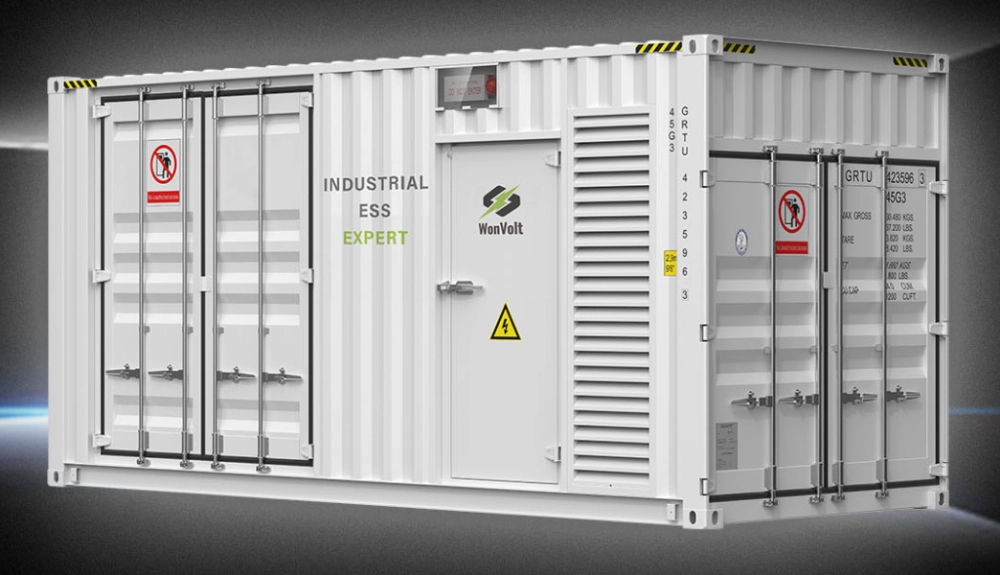
The Container Has to Work as Part of the Grid Site
- A utility-scale BESS container should be checked as a grid asset, transport load, thermal system, and serviceable electrical room.
- Commissioning should verify PCS behavior, battery protection, fire layout, communication, and site emergency access.
- Early data collection on grid code, transformer capacity, and dispatch logic prevents expensive redesign after delivery.
Grid Connection Determines the Real Equipment Boundary
A utility-scale BESS container is not only a battery box. It becomes part of a grid-connected power system that may include PCS equipment, transformers, protection devices, metering, EMS communication, fire-safety design, and site civil work. If the interconnection boundary is unclear, the container specification may look complete while the project still lacks critical integration items.
The first engineering check should map where the battery system connects, who owns each protection device, what grid-code functions are required, and how dispatch commands will be issued. That keeps the quotation connected to the actual project instead of only the container nameplate.
Transport and Placement Can Limit the Design Before Electrical Work Starts
Containerized systems require lifting points, route clearance, foundation levelness, cable entry planning, drainage, and emergency access. A site that can accept the electrical capacity may still create installation risk if the container cannot be moved safely into position or serviced after placement.
Project economics are affected by more than battery and PCS pricing. The same cost discipline behind hidden LCOE costs that delay solar returns applies to civil work, interconnection studies, protection upgrades, crane access, commissioning, and delays that sit outside the container nameplate.
Commissioning Should Test Behavior, Not Only Turn the System On
A strong commissioning plan checks charge and discharge commands, emergency stop, alarms, communication loss, cooling response, insulation monitoring, and protection coordination. A BESS that starts once under light load has not yet proven that it can operate as planned in the field.
Thermal control deserves special attention because battery temperature, PCS heat, container ventilation, and ambient climate interact over long operation hours. Cooling equipment should be serviceable without interrupting other safety requirements.
Pre-Connection Review Table
| Review Area | Data Needed | Why It Matters |
| Grid interface | Voltage level, protection scheme, grid-code requirements | Prevents redesign of switchgear and controls |
| Dispatch logic | Charge/discharge schedule, reserve rules | Aligns battery behavior with project revenue model |
| Site layout | Access road, lifting plan, foundation, cable route | Avoids delivery and maintenance constraints |
| Safety layout | Fire access, isolation, signage, emergency procedures | Supports inspection and long-term operation |
What Buyers Should Verify in Large Storage Projects
A Utility-Scale Solution ThorVolt 2.0 BESS Container provides a basis for containerized storage planning, while WonVolt can be compared on grid integration, thermal management, safety layout, monitoring, service access, and the documentation required for site commissioning.
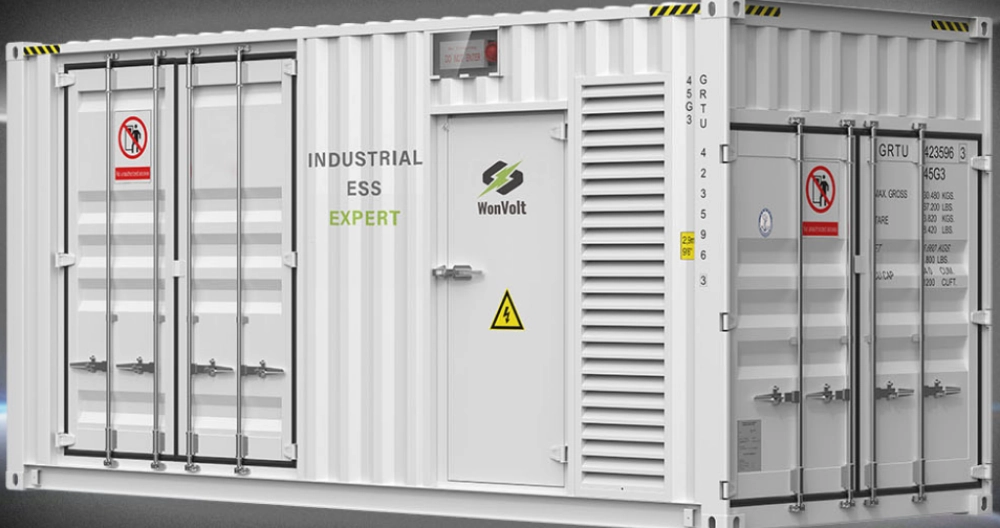
A useful request for proposal should include single-line diagrams, expected charge source, discharge purpose, local standards, target duration, site photos, and any transformer or interconnection constraints already known.
Two Field Pitfalls That Are Easy to Miss
One pitfall is treating the container as a plug-in product while postponing transformer and protection decisions. Another is underestimating service clearance, especially around HVAC, cable entry, and emergency isolation points. These issues rarely look dramatic in the quotation but can slow the project at site acceptance.
A container system should be evaluated as a complete operating asset. That mindset improves both technical reliability and commercial predictability.
Field Verification Before Purchase
Before equipment approval, map the BESS boundary on the project single-line diagram. Identify where the container connects, which transformer and protection devices sit outside the package, who provides metering and controls, and what grid-code functions the PCS must execute.
Site verification should cover the transport route and civil interface as carefully as the electrical load. Record crane access, turning radius, foundation dimensions, drainage, cable-entry direction, ambient-temperature range, flood or dust exposure, and the clearance needed for doors and service work.
Commissioning should prove commanded behavior under the site’s actual controls. Test charge and discharge setpoints, EMS communication, cooling response, emergency stop, alarms, protection trips, and recovery from a lost communication signal before the system enters commercial dispatch.
Questions That Make the Specification More Useful
Which grid-code, power-factor, ramp-rate, frequency-response, or export-limit functions must the PCS support?
What energy duration and usable SOC window are required for the contracted dispatch duty?
Can the container be transported, lifted, placed, and serviced at the proposed location without temporary civil rework?
Which systems will exchange data with the BESS: utility SCADA, plant EMS, transformer controls, weather station, or remote service platform?
Operating Checks for Utility-Scale Solution ThorVolt 2.0 BESS Container
Normal-operation testing should follow the dispatch profile the asset is expected to earn revenue from, whether that is peak shifting, renewable firming, time shifting, or another grid service. Verify that charge limits, ramp rates, and SOC targets are enforced by the control hierarchy.
Protection coordination should be checked against the as-built transformer, switchgear, grounding, and interconnection equipment. The container cannot be commissioned in isolation from the devices that must clear faults and isolate the site safely.
Thermal margin should be verified at sustained power. Track battery, PCS, and enclosure temperatures while HVAC equipment cycles, and confirm that blocked filters, fan alarms, or a cooling fault are detected before temperature reaches a damaging level.
After handover, trend dispatch accuracy, auxiliary consumption, temperatures, alarms, and SOC for the first operating period. Deviations can reveal control tuning, sensor, or site-condition issues that were not visible during a short commissioning window.
The final documentation package should include as-built drawings, protection settings, firmware/configuration records, communications map, alarm definitions, emergency procedures, maintenance intervals, and the agreed boundary between supplier and site responsibilities.
The strongest purchase decision compares usable operating value rather than battery capacity alone. A system that is easier to install, safer to service, and clearer to monitor can be more valuable than a larger configuration that creates avoidable integration risk.
Commission with Fault Scenarios Before Commercial Handover
A successful charge and discharge cycle proves only the normal path. Commissioning should also simulate selected abnormal conditions in a controlled manner: loss of communications, a stopped HVAC unit, an emergency-stop command, loss of an external dispatch signal, or a protection trip that requires the system to isolate safely. The purpose is to confirm that alarms, interlocks, logs, and operator instructions behave as designed when the plant is not in an ideal state.
Thermal response should be observed under sustained power rather than a brief low-load run. Record temperatures at representative battery, PCS, and container locations while cooling equipment operates normally. If the site climate is severe, the commissioning plan should explain how the thermal system will be validated against that boundary and how maintenance can be performed without defeating fire or electrical safety controls.
Handover documentation should capture the as-built single-line diagram, protection settings, communications map, alarm list, emergency isolation steps, preventive-maintenance intervals, and the limits used by the EMS. That package allows future service teams to understand why the system was configured in a particular way and reduces the risk that later adjustments quietly remove the safety or performance margin established at commissioning.
FAQ
What information is needed before choosing a utility-scale BESS container?
Prepare grid voltage, power rating, energy duration, site climate, dispatch purpose, interconnection requirements, available space, and transport conditions. These inputs shape PCS rating, container layout, thermal control, and protection design.
Why is commissioning more than a power-on test?
A power-on test only shows that the system starts. Commissioning should also test communication, alarms, emergency stop, charge/discharge commands, thermal response, and protection coordination.
How does container placement affect long-term operation?
Placement affects lifting, drainage, cable routing, cooling airflow, fire access, and maintenance. Poor placement can make a technically correct container difficult or unsafe to service.
Handover Only After Integration and Fault Tests Are Complete
The utility-scale solution thorvolt 2.0 bess container category should be reviewed only after the project has fixed grid-code functions, duration, charge source, dispatch control, ambient conditions, transport route, foundation, and emergency-access requirements.