Peak shaving has become a very practical way to control the costs of utility-scale solar, wind and hybrid power projects. When demand peaks, the grid often needs more capacity, back-up power or expensive...
The cost of the battery is not equal to the price you pay for it at purchase time. For industrial and utility energy storage systems the actual cost of the battery over its lifetime is defined by the number...
Peak shaving and self-consumption are two concepts that sound simple enough. Charge up when electricity is cheap, or when your solar system is generating power, and then discharge when the power market...
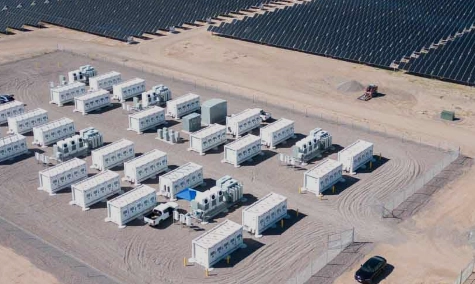
Large solar power plants no longer depend only on module output and inverter capacity. For many EPC buyers, the harder question is how to keep renewable power stable, useful, and financially practical...
A factory electricity bill is usually dominated by a few very short peaks, for example: a motor start, a line start up, a compressor start, a HVAC peak. In these situations even a slightly excessive maximum...
For application in factories, warehouses, commercial properties, and industrial parks, energy storage represents much more than a simple backup power supply. You might save money on your electricity bills....
Solar buyers are not purchasing solar panels by rated watts on the nameplate of the panel. They care about the amount of kWh that their system will actually produce in real life scenarios – morning sun,...
When comparing different solar storage batteries on the market, first of all attention is often drawn to the capacity of the batteries, given in kWh. For example a 15kWh storage battery sounds impressive....
What happens when your solar panels keep producing power, but your battery storage cabinet is already full? For many factories, farms, commercial buildings, and off-grid sites, this means valuable solar...